Date posted: 26-07-2026 | Last updated : 27-07-2026
Over time, the lower eyelid area may develop loose skin, under-eye bags, and wrinkles, making the face appear tired or older.
Lower eyelid surgery is designed to improve selected excess skin and fat around the eyes, creating a smoother and more refreshed appearance.
Before treatment, many patients want to know how much lower eyelid skin removal costs, whether the procedure is expensive, and how to choose a reliable medical provider.
Lower eyelid skin removal generally costs between equivalent to approximately USD 266–988.
The final price depends on factors such as:
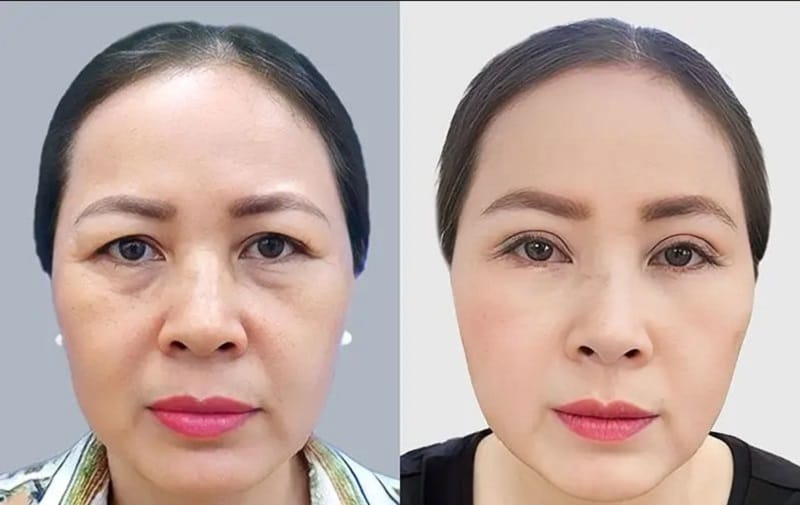
Lower eyelid surgery may improve excess skin and under-eye fullness in suitable patients.
The following table provides reference prices for several lower-eyelid procedures.
| Service | Approximate Cost in USD |
|---|---|
| Endoscopic upper or lower eyelid fat removal | 266 |
| Korean Plasma upper or lower eyelid surgery | 342 |
| 6D upper or lower eyelid surgery | 570 |
| Perfect upper or lower eyelid surgery | 988 |
Patients should request a written quotation after an in-person examination. The quotation should clarify whether it includes:
The cost of lower eyelid skin removal varies according to the patient’s anatomy, surgical plan, doctor’s expertise, and services included.
A patient with mild skin laxity may require a relatively limited procedure.
A more complex treatment may be necessary when the patient has:
In some cases, the surgeon may recommend:
The original content states that a very small incision is always sufficient when only a small amount of skin is present. In practice, the incision and surgical approach depend on the patient’s anatomy and treatment goal.
Lower eyelid surgery may be performed through:
The transconjunctival approach may be suitable for selected patients with fat bags but little excess skin.
Patients with substantial loose skin may require an external incision.
The most expensive or newest technique is not necessarily the most appropriate. The method should be selected according to the patient’s lower-eyelid structure.
Lower eyelid surgery requires careful understanding of:
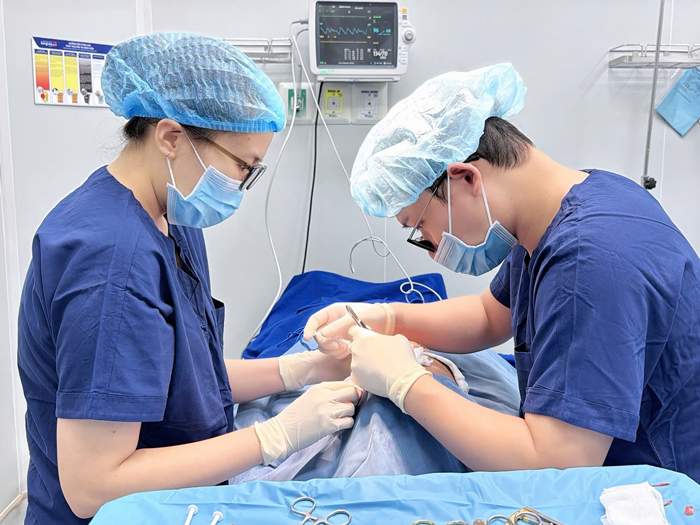
The surgeon’s experience and treatment planning may influence both cost and outcome.
A doctor experienced in lower-eyelid surgery or revision cases may charge more, particularly when the anatomy is complex.
A higher price does not automatically guarantee a better result. Patients should also review the surgeon’s qualifications, facility licence, and previous cases.
Licensed hospitals and medical facilities may charge higher fees because they invest in:
Appropriate standards reduce avoidable risks but cannot guarantee zero infection or zero complications.
The final cost may also depend on whether the treatment package includes:
Patients should ask whether these services are included or charged separately.
Whether lower eyelid surgery is considered expensive depends on the patient’s budget, treatment complexity, and expectations.
The cost should not be judged only by the surgical fee. Patients should also consider:
Lower eyelid surgery may improve:
The procedure often takes approximately 30–90 minutes, depending on the technique and complexity.
The original statement that surgery makes every patient look five to seven years younger should not be treated as a guaranteed result. Perceived rejuvenation is subjective and varies according to the patient’s facial anatomy and overall ageing.
Lower eyelid surgery results may last for many years.
Some patients may maintain improvement for approximately 10 years or longer, but a fixed 10–20-year result cannot be guaranteed.
Longevity depends on:
The procedure does not stop the natural ageing process.
An external lower-eyelid incision is commonly placed close to the lash line so that the scar may become less noticeable as it matures.
A transconjunctival approach leaves no external skin incision, but it is not suitable for every patient.
No surgeon should guarantee that lower eyelid surgery will leave no visible scar.
Scar appearance depends on:
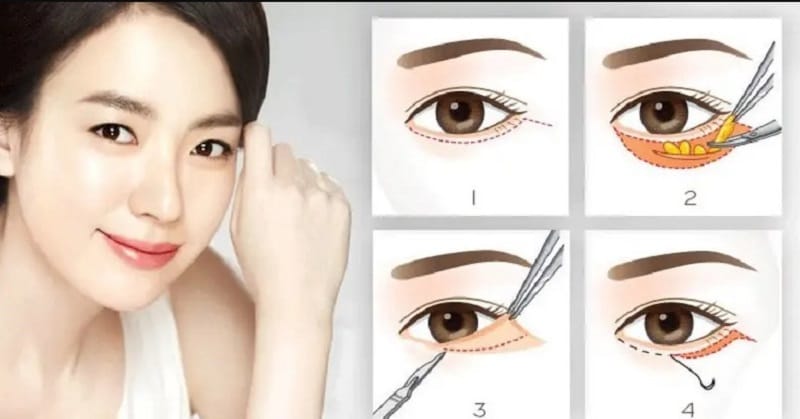
The cost of lower eyelid surgery depends on the complexity of treatment and the services included.
Patients should select a provider based on safety and suitability rather than choosing the lowest price.
Kangnam Aesthetic Hospital provides lower eyelid procedures for patients concerned about under-eye bags, loose skin, wrinkles, and tired-looking eyes.
Kangnam states that its procedures are performed by doctors experienced in eyelid surgery.
Before treatment, the doctor should assess:
Careful planning is important because excessive skin removal may cause:
Kangnam may use Plasma-assisted surgical devices during selected eyelid procedures.
Potential objectives include:
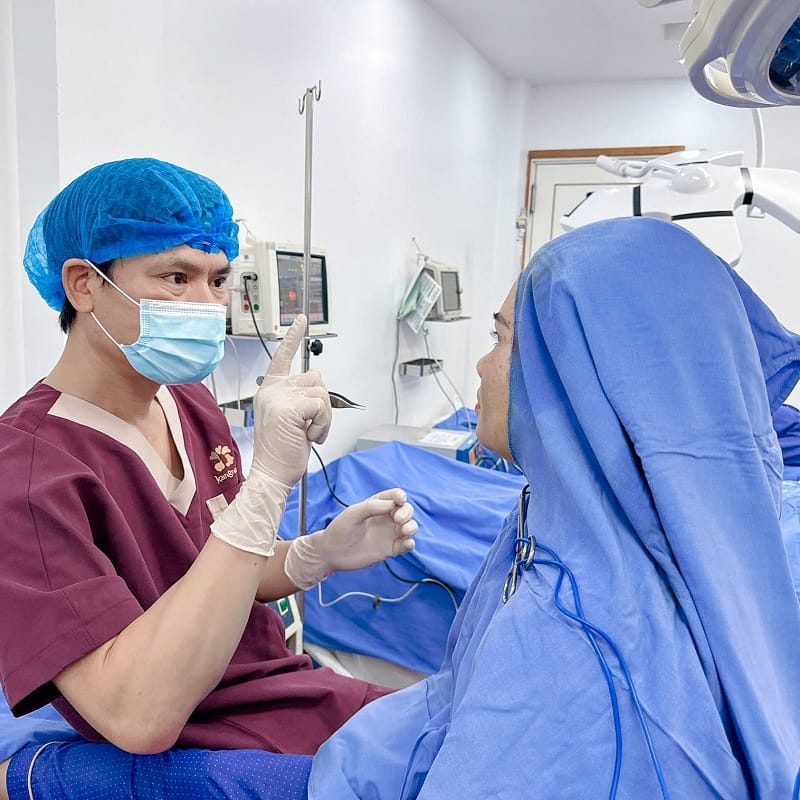
Kangnam offers technology-assisted lower eyelid procedures based on individual anatomy.
However, Plasma technology cannot guarantee:
The treatment process may include:
Kangnam states that procedures are performed in medically controlled environments using sterilised instruments and infection-control protocols.
The term “absolute safety” should be avoided because every surgical procedure carries risks.
Patients may receive guidance regarding:
Appropriate care supports recovery but cannot guarantee a perfect or permanent result.
Kangnam provides an individual quotation according to the patient’s condition and proposed treatment.
Patients should confirm:
Some patients report satisfaction with a smoother and more refreshed lower-eyelid appearance after treatment at Kangnam.
Testimonials reflect individual experiences and do not guarantee the same outcome for every patient.
Potential candidates may include people with:
The procedure may need to be postponed or modified for patients with:
An in-person examination is necessary to determine suitability.
Lower eyelid surgery may involve risks such as:
Patients should seek urgent medical assessment if they experience:
How Much Does Eyelid Surgery Cost?