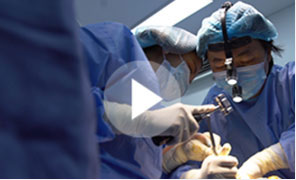
Date posted: 21-07-2026 | Last updated : 27-07-2026
Here is the complete English translation of the text, tailored for international clients, strictly adhering to the original content, formatting, table structure, shortcodes, and image captions:
Eyelid creasing (non-incision eyelid creation) is a simple, easily executed technique favored by many. However, this method is only suitable for individuals with minimal ocular flaws who wish to define their eyelid folds more clearly. To learn whether your eyelid condition is suitable for this technique, please follow the article below.
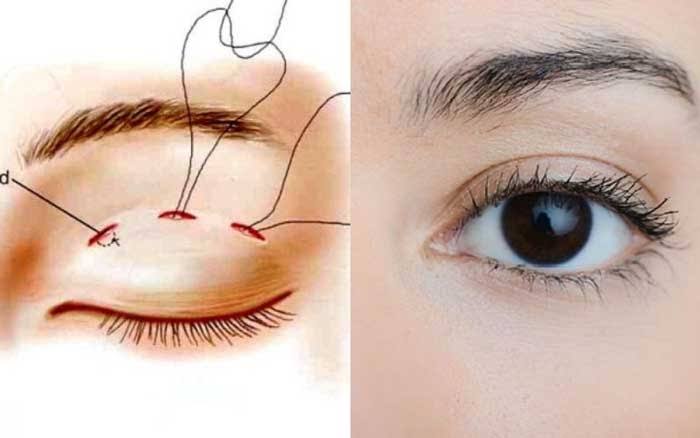
Non-incision eyelid creation, also known as eyelid creasing or eyelid suturing, is considered a cosmetic procedure designed to create distinct double eyelid folds. Specialists identify and make micro-punctures along the eyelid margin, then connect them using bio-sutures to form large, round, clearly defined double eyelids.
This aesthetic method is increasingly popular across Asian countries such as South Korea, Vietnam, and China. Performing non-incision eyelid creasing is minimally invasive yet significantly enhances appearance.
Individuals with small eyes, single eyelids, or faint eyelid folds are often advised to consider this procedure. This is because the intervention does not extend deeply into eyelid structures, making it suitable primarily for those with few imperfections.
According to Plastic Surgeon Dr. William T. Hai – Eye Plastic Specialist at Kangnam Aesthetic Hospital: “If you possess eyes with few imperfections and wish to enhance eyelid fold definition for larger, prettier eyes, you should consider non-incision eyelid creation.”
The decision to undergo eyelid creasing rests with each individual; you should consult with a surgeon regarding your health status. At the same time, it is essential to carefully select a reputable aesthetic facility with a highly qualified surgical team.
Many people confuse non-incision eyelid creasing with full eyelid surgery (blepharoplasty). To clarify the differences between these two cosmetic techniques, please refer to the detailsDưới đây là bản dịch toàn bộ nội dung sang tiếng Anh, đảm bảo sát nghĩa, tự nhiên và chuyên nghiệp cho khách hàng quốc tế:
Non-surgical double eyelid surgery (eyelid suturing) is a simple, easy-to-perform technique that is favored by many. However, this method is only suitable for individuals with minimal eye defects who wish to enhance and define their eyelid creases. To find out if your eyelid condition is suitable for this technique, please follow the article below.
Non-surgical double eyelid surgery (also known as eyelid suturing or eyelid pressing) is considered a cosmetic procedure designed to create distinct double eyelid creases. The doctor will identify and make small punctures along the eyelid margin, then connect them using bio-sutures to shape clear, round, double eyelids.
This beauty method is becoming increasingly popular in several Asian countries, such as South Korea, Vietnam, and China. Performing eyelid suturing is minimally invasive yet can significantly enhance an attractive appearance.
Individuals with small eyes, single eyelids, or indistinct eyelid creases are advised to consider this method. This is because the intervention in the eyelid structure is not too deep, making it suitable only for those with minimal defects.
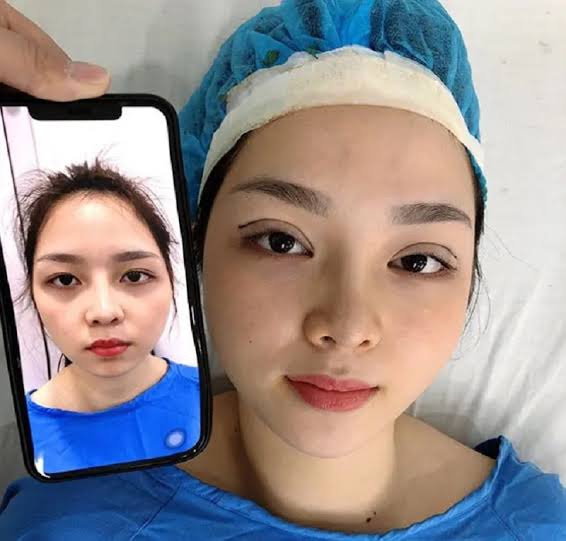
According to Plastic Surgeon Dr. William T. Hai – Ophthalmic Plastic Surgeon at Kangnam Cosmetic Hospital: “If you have eyes with few defects and want to define your eyelid crease to make your eyes larger and more beautiful, you should consider getting non-surgical double eyelid surgery.”
The decision to get eyelid suturing depends on each individual; you should consult a doctor regarding your health status. At the same time, you must carefully select a reputable cosmetic facility with a highly qualified team of doctors.
Many people confuse eyelid suturing (non-surgical) with incisional double eyelid surgery (surgical). To clarify the differences between these two cosmetic techniques, please refer to the content below.
Eyelid Suturing: Young individuals with indistinct eyelid creases who wish to enhance their eyes to make them look larger. However, the eyelids must not have excessive excess skin and fat.
Incisional Eyelid Surgery: Individuals wishing to change single eyelids to double eyelids, uneven eyelid folds, or drooping eyelids caused by excessive excess skin. Especially suitable for middle-aged individuals with a significant amount of excess skin and fat.
Eyelid Suturing: The specialist doctor performs the procedure through suture knots on the eyelid. Typically, there are 3 to 5 predetermined points.
Incisional Eyelid Surgery: The doctor makes an ultra-fine incision along the eyelid skin, then removes excess fat and skin. Afterward, the new eyelid crease is formed through surgical sutures aligned with the crease.
Eyelid Suturing: Enhances eyes to make them larger with clear double eyelids.
Incisional Eyelid Surgery: Delivers evenly defined double eyelids, eliminates wrinkles, removes sagging skin, and corrects drooping eyelids.
Eyelid Suturing: Long-term retention depends heavily on the type of suture used. Suture threads can be removed to revert the eyes to their original state or to perform other cosmetic eye procedures.
Incisional Eyelid Surgery: Creates large, round eyes for a long duration, though results may be affected by the body’s natural aging process. If you wish to improve your eyes with other cosmetic procedures in the future, it is fully possible.
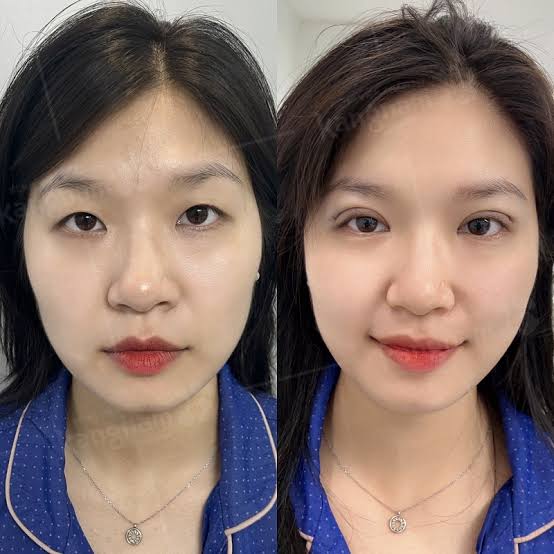
According to Plastic Surgeon Dr. William T. Hai – Ophthalmic Plastic Surgeon at Kangnam Cosmetic Hospital, deciding whether to choose eyelid suturing or incisional eyelid surgery depends on your eye condition and health status.
Individuals aged 18–25 with single eyelids or hidden double eyelids with faint folds who desire larger, rounder eyes.
Individuals with congenital eyelid ptosis or excessive skin sagging that restricts vision.
Individuals with large eye bags that make the face look hollow.
Individuals with large double eyelids where the eyelid tissue is loose, creating multiple overlapping folds.
Individuals with double eyelids that suffer from severe drooping, forming wrinkles.
Those who have previously undergone eyelid suturing but are not satisfied with the results.
Small, single eyelids should choose non-surgical suturing for enhancement
Currently, the three most popular and widely applied eyelid suturing methods include:
This technique acts on the upper eyelid area without causing pain or visible scarring. Notably, it requires minimal recovery time by linking the eyelid skin and levator muscle through pre-marked points.
The performing doctor uses sutures to create the eyelid fold by connecting the skin to the tarsal plate (eyelid cartilage) rather than the levator muscle. This procedure requires high precision but delivers more stable, long-lasting results.
While the previous two techniques create only 3 to 5 fixation points, the multi-point method requires 12 to 15 points. Consequently, the eyelid fold becomes firmer, softer, and more natural as the connected points are brought closer together.
The eyelid suturing service at Kangnam Cosmetic Hospital is implemented using modern South Korean technology, delivering perfect eyes thanks to a professional and meticulous step-by-step process.
Step 1: The doctor performs a health examination and conducts a detailed consultation regarding the technique. Additionally, the doctor listens to your expectations to offer advice and select the appropriate method.
Step 2: The doctor injects a local anesthetic around the eye area to minimize pain and swelling.
Step 3: Perform the procedure, acting on the pre-marked points.
Step 4: The doctor attaches the designated positions using bio-sutures to form the double eyelid shape.
Step 5: After the procedure, cold compresses will be applied, and you will rest in the post-operative recovery room.
To date, Kangnam Cosmetic Hospital has received and successfully performed over 20,000 eyelid suturing cases for both domestic and international clients.
Clients improve their eyelid creases, achieving larger eyes and an attractive appearance
A sharper, more attractive face after eyelid suturing
Kangnam is a trusted, reputable address chosen by domestic and international clients
To achieve your desired eyelid fold, you must keep the following points in mind before making a decision:
When deciding on eyelid suturing, it is important not to choose an overly large fold size; listen to your doctor’s advice so the eyelid looks natural and fits your facial proportions.
Intervening only with sutures in the eyelid skin area ensures the softest and most natural final outcome.
The appropriate eyelid suturing method should be selected based on your specific eyelid condition to achieve optimal effectiveness.
Pay close attention to dietary restrictions, hygiene, and post-procedure care as guided by your doctor to avoid risks and unwanted complications after eyelid suturing.
Since the introduction of the eyelid suturing technique, beauty enthusiasts have expressed many related questions. The following information will help address your concerns.
On average, the duration of maintaining natural beauty after eyelid suturing ranges from 3 to 5 years, provided the individual heals well and practices proper care.
After the minor procedure, clients can return home without needing prolonged bed rest. Recovery time also depends on individual body conditions, but swelling typically subsides after 3 to 5 days. With careful post-op care, the eyelid crease will become natural and harmonize with the face within 2 to 5 months.
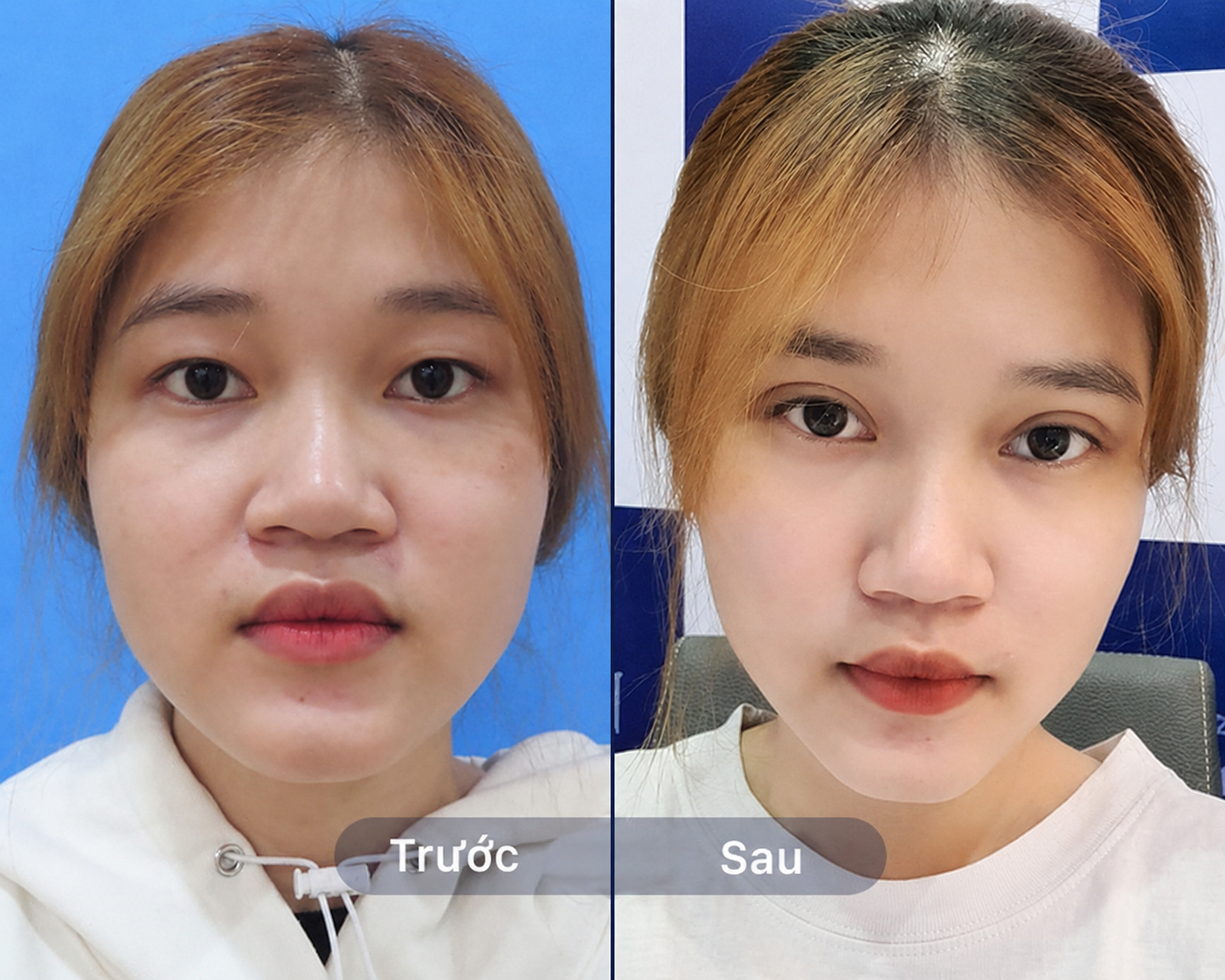
After eyelid suturing, your eyes will appear larger and rounder than before. The eyelid lines become natural and clear, making it easy to create a favorable impression on others. Particularly for individuals with single eyelids or small eyes, a distinct difference will be noticed after the minor procedure, along with a significantly sharper expression.
Even if you choose beauty services at reputable facilities, strict adherence to dietary restrictions is still necessary. This prevents risks that could compromise aesthetic results.
Beef: Contains high protein levels that can alter wound coloration, easily causing keloid scars on the eyelid.
Chicken: Can cause the wound to feel itchy and uncomfortable; in many cases, it leads to throbbing pain, making the recovery process more difficult.
Seafood: A common allergen; even for individuals who heal easily, consuming it after the procedure can cause itching and increase the likelihood of keloid scar formation.
Eggs: A healthy food item, but consuming them right after eyelid suturing can cause the newly formed skin tissue to become uneven in color.
Alcohol and Stimulants: Should be avoided during the first week after eyelid suturing, as stimulants can cause the wound to bleed and prolong the healing process.
Eyelid suturing is rated by experts as a safe, simple beauty method that quickly helps you achieve round, clear double eyelids. However, this technique is only suitable for individuals with minimal eye defects. Therefore, you should clearly understand your condition and make an appropriate choice.