Date posted: 21-07-2026 | Last updated : 25-07-2026
As aesthetic technology continues to advance, non-surgical and minimally invasive abdominal fat-reduction treatments are becoming increasingly popular because they generally involve less downtime than conventional surgery.
This article provides a detailed overview of non-surgical abdominal fat reduction, including commonly used methods, potential benefits, limitations, suitable candidates, and estimated treatment costs.
Non-surgical abdominal fat reduction refers to treatments that use technologies such as:
These treatments aim to damage or reduce selected fat cells so that the body can gradually process them without requiring surgical fat extraction.
Common examples include:
These techniques generally involve little or no surgical incision and may cause less discomfort and require a shorter recovery period than liposuction.
However, they should still be selected after a medical consultation because the most suitable method depends on:
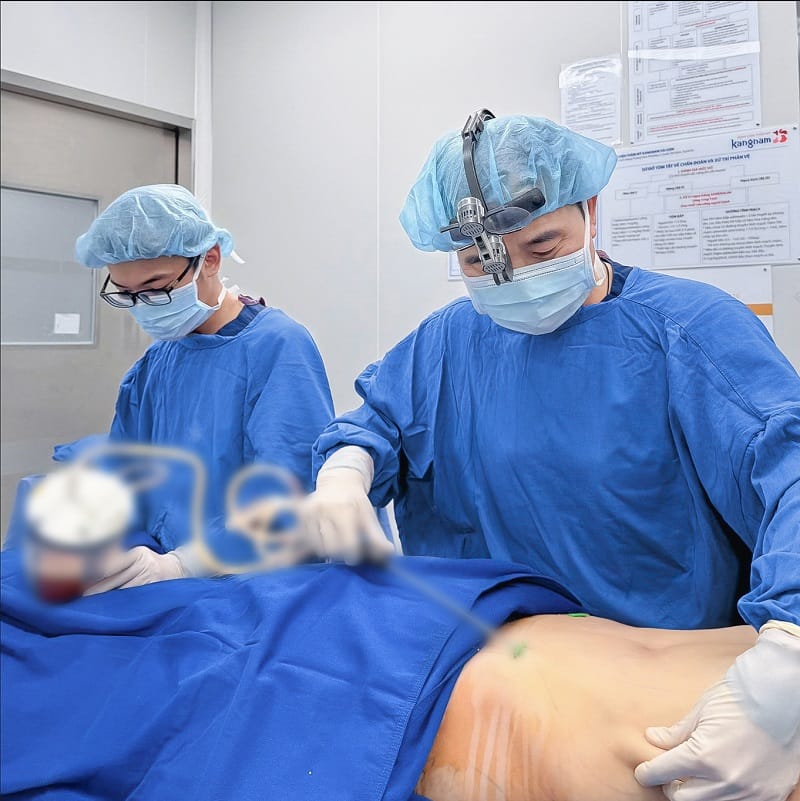
Non-surgical abdominal fat reduction uses energy-based or injectable treatments to reduce localised fat.
It is important to distinguish these treatments from liposuction. Procedures such as Vaser-assisted liposuction and Body-Jet require small incisions and the insertion of a cannula beneath the skin. They are therefore minimally invasive surgical procedures rather than truly non-surgical treatments.
Patients considering surgical fat removal may refer to Abdominal Liposuction in Vietnam.
Several technologies are available for reducing abdominal fat. Each method uses a different mechanism and produces different results.
Cryolipolysis uses controlled cooling to damage selected fat cells without freezing the skin.
The treated fat cells are gradually processed by the body over the following weeks and months.
This method may be used on areas such as:
Results are gradual rather than immediate, and more than one treatment session may be required.
Liposonix uses high-intensity focused ultrasound energy to target fat beneath the skin.
The ultrasound energy heats and damages selected fat cells while aiming to limit injury to nearby tissues.
The treatment is generally intended for localised fat rather than significant obesity or extensive loose skin.
Ultrasound cavitation uses sound-wave energy to affect fat tissue.
The treatment is marketed as a method of disrupting selected fat cells and supporting gradual fat reduction.
Its effectiveness varies depending on:
Patients should ask whether the exact device has appropriate regulatory documentation and evidence for the proposed treatment area.
Radiofrequency treatment delivers controlled heat to the skin and underlying tissues.
Depending on the device, it may:
Radiofrequency treatment cannot remove large volumes of fat or replace abdominoplasty in patients with substantial excess skin.
Laser-based fat reduction uses controlled thermal energy to affect localised fat and may also support skin contraction.
Some laser systems are completely non-invasive, while others require a small fibre to be inserted beneath the skin.
The patient should confirm whether the proposed treatment is:
Injection lipolysis involves injecting a fat-reducing substance into selected areas.
The treatment is designed to damage fat cells so that the body gradually clears the cellular material.
Possible risks include:
Not every product marketed as a fat-dissolving injection is approved or adequately studied for abdominal use.
More information is available in How Much Do Abdominal Fat-Dissolving Injections Cost?.
Vaser-assisted liposuction uses ultrasound energy to loosen fat before it is removed through a suction cannula.
Because a small incision and cannula are required, Vaser is a minimally invasive surgical liposuction technique—not a non-surgical treatment.
It may be suitable for patients who require a more noticeable fat reduction than non-invasive technology can provide.
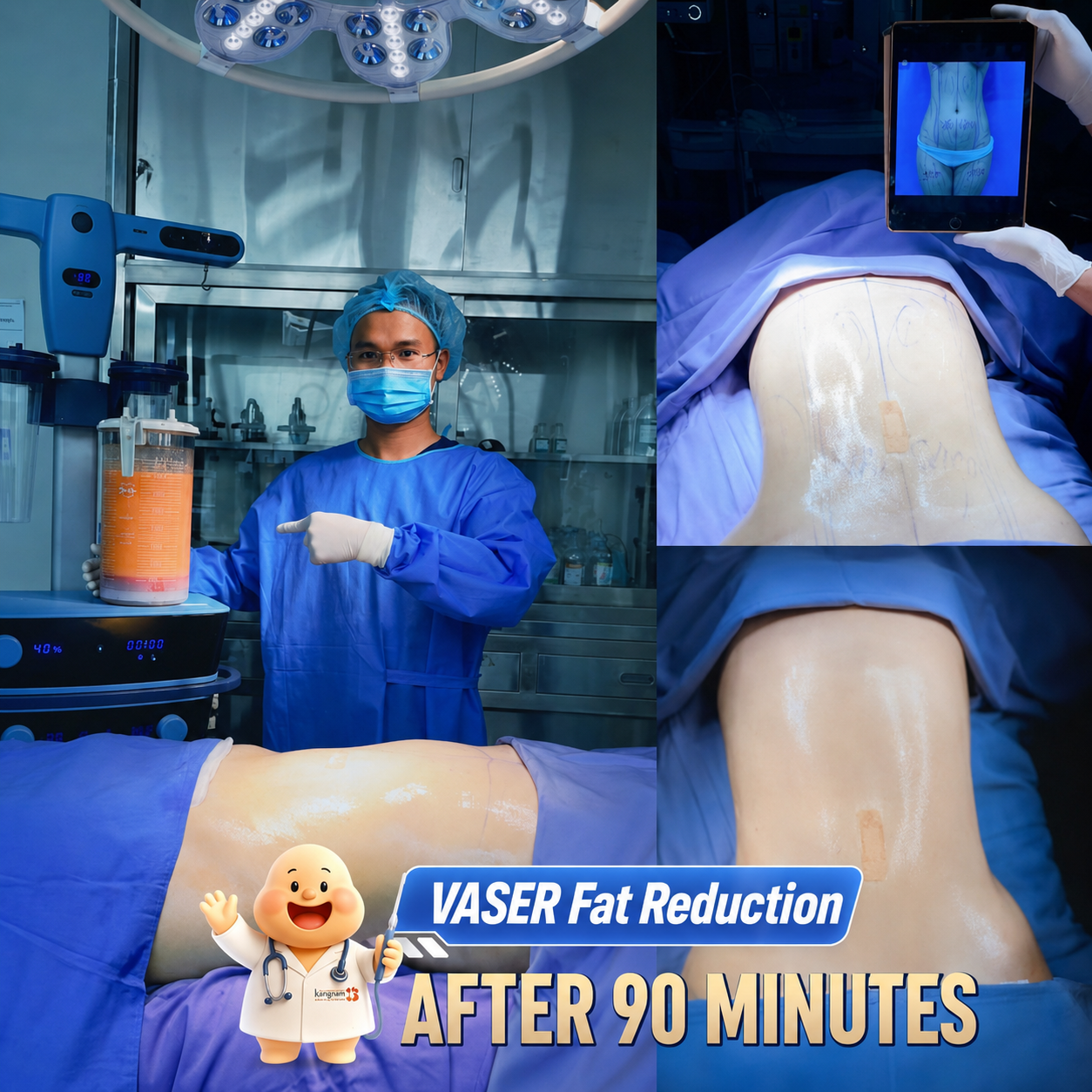
Vaser-assisted fat removal may reduce localised abdominal fat during a surgical procedure.
Patients may learn more about the technology in Kangnam’s Lipo 360 Body-Contouring Technology.
Body-Jet uses a controlled stream of fluid to separate fat before the surgeon removes it through a cannula.
This technique still requires:
It should therefore be classified as minimally invasive liposuction rather than non-invasive fat reduction.
Non-surgical abdominal fat-reduction treatments may offer several benefits compared with conventional liposuction.
Many treatments are performed through the surface of the skin and do not require a surgical incision.
As a result, they generally do not create a liposuction scar.
Injection treatments still puncture the skin, while minimally invasive methods such as Vaser and Body-Jet require small incisions.
A treatment session may take approximately 30–90 minutes, depending on:
Some procedures require multiple sessions.
Many patients can return to light daily activities shortly after a genuinely non-invasive treatment.
Temporary effects may include:
Minimally invasive liposuction normally involves more recovery than external energy-based treatment.
The technology can be applied to localised areas such as:
These treatments are intended for body contouring rather than significant weight loss.
Genuinely non-invasive treatments do not involve general anaesthesia, surgical fat extraction, or large incisions.
However, they are not risk-free. Safe treatment still requires:
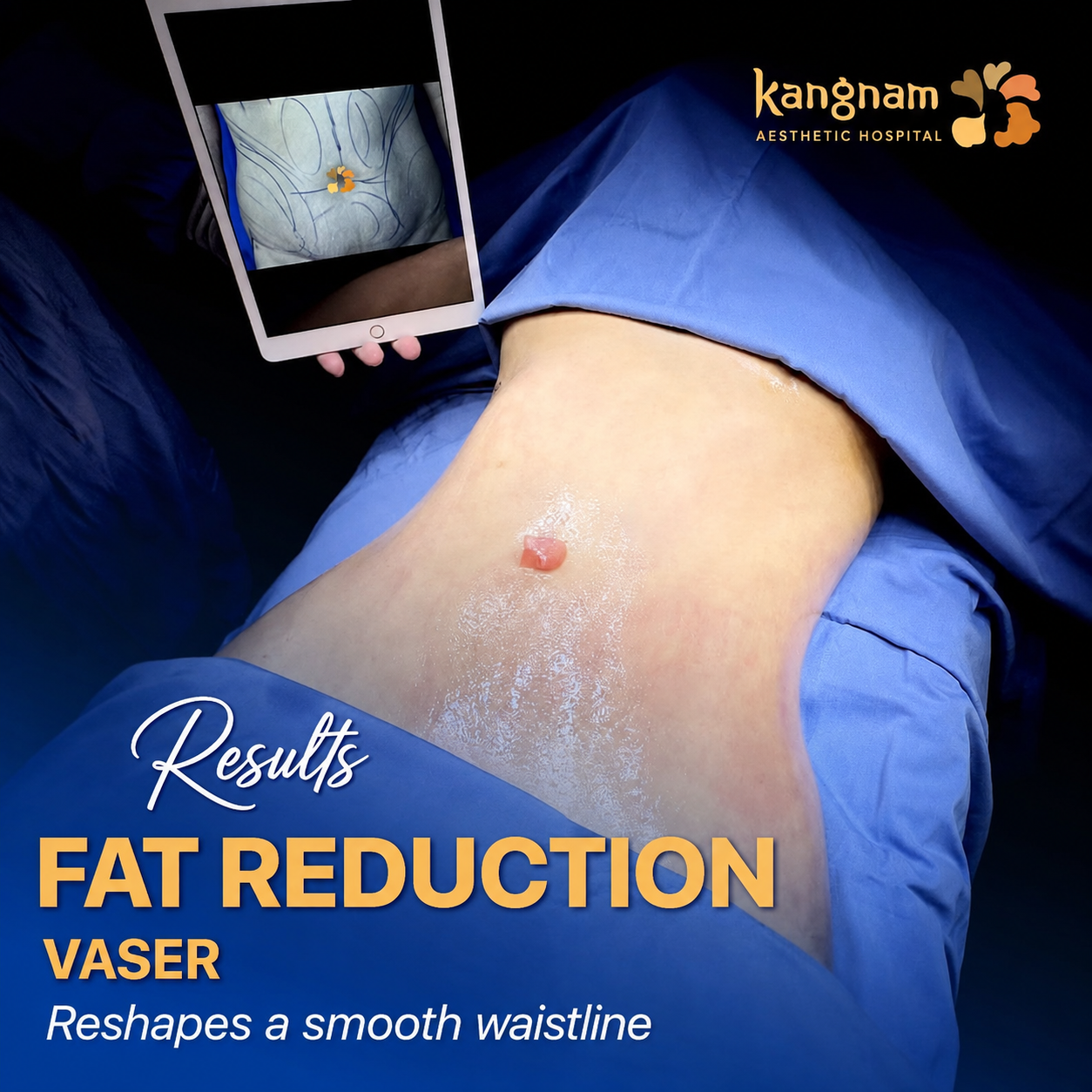
Suitable patients may achieve a slimmer-looking waist after non-surgical or minimally invasive fat reduction.
Although non-surgical abdominal fat reduction offers several potential benefits, it also has important limitations.
Non-invasive treatments generally provide a smaller and more gradual reduction than liposuction.
They may not be suitable for:
The claim that a non-surgical treatment can remove three to five litres of fat is generally more consistent with liposuction than with external non-invasive treatment.
Non-invasive procedures normally reduce a portion of the fat layer rather than extracting litres of fat during one session.
Many patients need more than one treatment session before achieving a visible result.
The final outcome may take several weeks or months to develop.
Effectiveness depends on:
Some radiofrequency, ultrasound, or laser treatments may improve mild skin laxity.
However, they cannot remove substantial excess skin. Patients with significant abdominal sagging may require abdominal skin tightening or abdominoplasty.
Modern devices, multiple treatment sessions, and specialist medical care may make the total cost relatively high.
Patients should compare the complete treatment-course price rather than only the price of one session.
Non-surgical abdominal fat reduction may be appropriate for people who:
Potential candidates may include:
Patients who do not want incisions, anaesthesia, or a longer postoperative recovery may prefer a genuinely non-invasive treatment.
However, they must accept that the result will usually be more modest than liposuction.
Women who have completed childbirth may experience persistent lower-abdominal fat.
Before treatment, the doctor should assess whether the concern is caused by:
Women who are pregnant or breastfeeding should generally postpone elective fat-reduction treatment.
People who spend long periods sitting may develop localised abdominal fat, particularly when combined with weight gain and low physical activity.
Non-surgical treatment may support contour improvement but should be combined with sustainable lifestyle habits.
Overseas Vietnamese patients with a short stay in Vietnam may prefer treatments with limited downtime.
However, patients should not choose a procedure solely because it fits a short travel schedule. The treatment must be appropriate for their anatomy and medical condition.

Suitable patients may notice improved abdominal contours following an appropriate treatment plan.
Patients with a significant amount of fat who want a more noticeable result may require Lipo 360 abdominal fat reduction instead.
The original price range is approximately equivalent to around USD 912–3,571.
However, the services in the following table mainly refer to Lipo 360 or mini liposuction. These are minimally invasive surgical fat-removal procedures rather than genuinely non-surgical treatments.
| Service | Approximate cost (USD) |
|---|---|
| Combined mini liposuction for multiple areas | 912 |
| Mini liposuction for one individual area | 1,710 |
| Basic Lipo | 2,052 |
| Standard Lipo | 2,432 |
| Lipo 360 full-abdomen fat reduction for patients weighing 71–80kg | 2,812 |
| Advanced+ Lipo | 3,571 |
Patients should request clarification about:
Patients should not assume that a higher price automatically means the treatment is better. The procedure should be selected according to medical suitability, expected improvement, total cost, and potential risks.
Non-surgical abdominal fat reduction may be a suitable option for people seeking modest body-contouring improvement with limited downtime.
However, terms such as “non-surgical liposuction” are sometimes used broadly in advertising. External treatments such as cryolipolysis, radiofrequency, and focused ultrasound are genuinely non-surgical, whereas Vaser and Body-Jet remain minimally invasive liposuction procedures.
A qualified doctor should assess the amount of fat, skin laxity, abdominal muscles, health history, and treatment expectations before recommending the most suitable approach.
Abdominal Liposuction in Vietnam for International Patients
Abdominal Skin Tightening: Methods, Candidates, and Recovery
How Much Do Abdominal Fat-Dissolving Injections Cost?
What Is Liposuction? Procedure, Cost, and Safety Considerations