Date posted: 21-07-2026 | Last updated : 25-07-2026
Abdominal skin tightening is a body-contouring procedure designed to improve loose, sagging abdominal skin, stretch marks, and excess fat, helping create a flatter and firmer midsection. Several modern techniques are currently available, ranging from minimally invasive treatments to surgical abdominal contouring.
The most appropriate option depends on the amount of excess skin and fat, the condition of the abdominal muscles, the patient’s general health, and their desired outcome. After surgical abdominal skin tightening, initial recovery generally takes several weeks, while more complete healing may require approximately six to eight weeks or longer.
Abdominal skin tightening, also known as abdominal contouring or abdominoplasty, is a procedure used to improve loose abdominal skin, weakened muscles, stretch marks, and localised fat deposits.
In a surgical procedure, the doctor may remove excess skin and fat, repair or tighten separated abdominal muscles when necessary, and reposition the remaining skin to create a flatter abdominal contour.
The treatment plan varies according to the patient’s anatomy. Some patients may only need excess skin removed, while others may require a combination of tummy tuck surgery and liposuction.
Although abdominal contouring can significantly improve body shape, it is not a weight-loss procedure and does not prevent future ageing, weight fluctuations, or changes associated with pregnancy.
After the procedure, the abdomen appears flatter and smoother, with visibly reduced loose and wrinkled skin.
Loose, wrinkled, or sagging abdominal skin commonly occurs in:
Rapid abdominal expansion or weight reduction can stretch the skin beyond its ability to contract naturally. Even with regular exercise and a healthy diet, significant excess skin may not improve without medical intervention.
Potential benefits of abdominal contouring include:
However, stretch marks outside the area of skin excision may remain, and the degree of improvement differs between patients.
Abdominal contouring techniques have become increasingly varied. The doctor will recommend an appropriate procedure based on the location and severity of excess skin, fat distribution, abdominal muscle condition, and the patient’s overall health.
A standard tummy tuck is commonly recommended for patients with moderate to significant loose skin and weakened abdominal muscles, particularly after pregnancy or major weight loss.
During the procedure, the surgeon usually makes a horizontal incision in the lower abdomen, between the pubic area and the navel. The length of the incision depends on the amount of skin that needs to be removed.
The surgeon may:
The scar is generally positioned low enough to be covered by underwear or swimwear. However, the final scar length and visibility vary according to the patient’s anatomy, surgical technique, and healing response.
Patients concerned about scarring may also refer to information about whether liposuction leaves scars, although tummy tuck scars are usually longer than liposuction incisions.
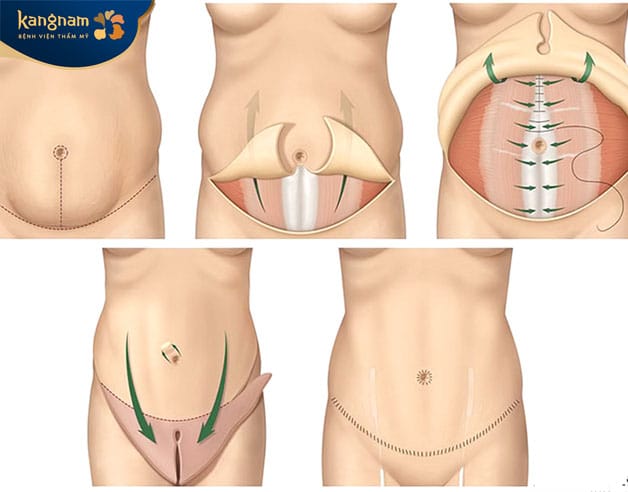
The surgical muscle-tightening process used in a standard tummy tuck.
A mini tummy tuck may be suitable for patients with a relatively small amount of loose skin and fat located primarily below the navel.
The incision is generally shorter than that used in a full tummy tuck. Through this incision, the surgeon may remove a limited amount of excess skin, contour fat, and tighten the lower abdominal muscles when necessary.
Potential advantages include:
However, a mini tummy tuck is not suitable for patients with substantial loose skin above the navel, extensive muscle separation, or significant abdominal overhang.
The procedure cannot prevent future fat accumulation. Maintaining a stable weight and healthy lifestyle is important for preserving the result.
A full or extended tummy tuck may be considered for patients with substantial loose skin and fat involving the abdomen, flanks, or lower back.
The incision may extend from one hip to the other or farther around the sides of the body. Additional tissue may be removed to improve the contour of the front and sides of the abdomen.
This procedure may provide more extensive correction, but it is also associated with:
Patients who have loose skin involving several areas of the body may also benefit from learning about available body-contouring solutions.
A panniculectomy removes the pannus, which is an overhanging apron of skin and fat in the lower abdomen. It is often considered for people who have experienced major weight loss or who have a large lower-abdominal skin fold.
Unlike a cosmetic tummy tuck, a panniculectomy primarily focuses on removing excess hanging tissue. It may not include muscle repair, waist shaping, or repositioning of the navel unless combined with another procedure.
Potential benefits include:
Because the procedure involves a relatively large treatment area, it must be performed by an appropriately qualified surgeon in a licensed medical facility.
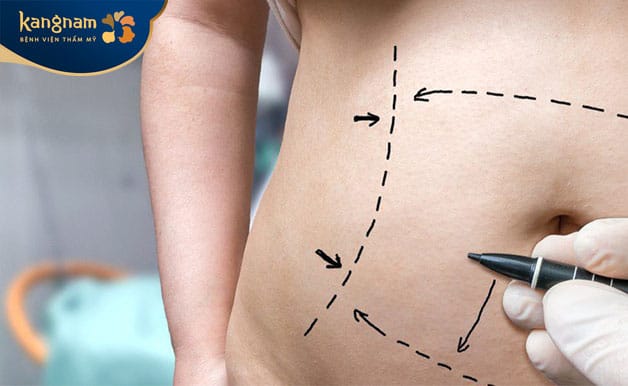
Panniculectomy removes excess, wrinkled skin from the lower abdomen, helping create a smoother abdominal contour.
A reverse tummy tuck may be considered when excess skin is concentrated in the upper abdomen, between the navel and the lower breast crease.
The surgeon usually places the incisions beneath the breasts and lifts the upper-abdominal skin upward. The scars may be concealed within the inframammary folds.
This technique is less commonly performed than a traditional tummy tuck and requires careful patient selection. Potential risks include:
A reverse tummy tuck should only be performed by a surgeon experienced in abdominal and breast anatomy.
Ms Jenny Huynh, a 32-year-old patient living in Germany, felt self-conscious about loose abdominal skin, excess fat, and stretch marks after childbirth. After trying several non-surgical approaches without achieving the desired improvement, she considered abdominal skin-tightening surgery but was concerned about its safety.
Abdominoplasty is major surgery and therefore cannot be considered completely risk-free. However, the risks can be reduced when the procedure is performed:
Possible complications include:
Patients who smoke, have poorly controlled diabetes, obesity, blood-clotting disorders, or significant heart or lung conditions may face higher surgical risks.
Choosing a low-cost, unlicensed clinic or an inadequately trained practitioner may substantially increase the likelihood of serious complications.
A tummy tuck and liposuction are separate procedures, although they may be combined in selected cases.
Liposuction removes localised fat through small cannulas. It improves fat distribution but does not reliably remove substantial excess skin or repair separated abdominal muscles.
A tummy tuck removes loose skin and may tighten the abdominal wall. It does not automatically require extensive fat removal.
The procedures differ in the following ways:
Patients who only have localised fat and good skin elasticity may be suitable for non-surgical fat-reduction treatments or liposuction rather than a tummy tuck.
The decision to combine procedures must be based on a medical examination and assessment of surgical risk.
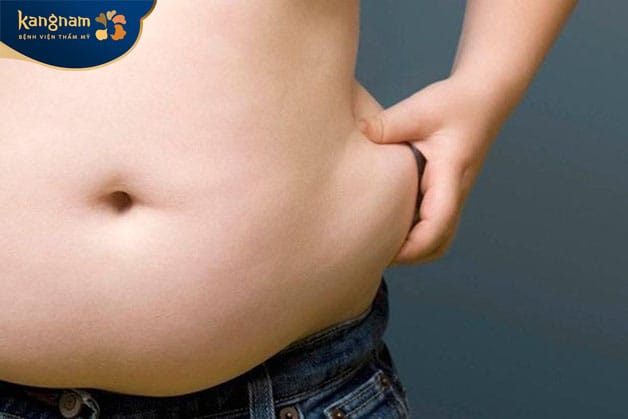
The two procedures should only be combined when substantial excess fat has visibly distorted the abdominal contour.
Because abdominoplasty is major surgery, the choice of treatment facility is particularly important.
A suitable medical facility should provide:
Kangnam Aesthetic Hospital provides consultation and surgical services for domestic and international patients. Depending on the patient’s needs and availability, support may include:
Individual outcomes cannot be guaranteed. Patients should review the surgeon’s qualifications, discuss realistic expectations, and fully understand the potential risks before proceeding.
The exact process varies according to the type of surgery and the patient’s condition. A typical surgical pathway may include the following steps.
The surgeon evaluates:
Preoperative testing may include blood tests, blood pressure measurement, pregnancy testing when applicable, urinalysis, electrocardiography, and other investigations based on the patient’s medical history.
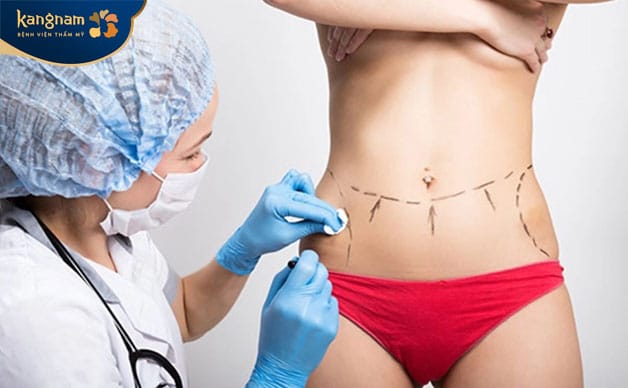
The doctor marks the planned incision, tissue-removal area, and liposuction zones while the patient is standing.
Most full tummy tuck procedures are performed under general anaesthesia. Local anaesthesia with sedation may be considered for limited procedures, depending on the surgeon’s assessment.
If excess fat is present, the surgeon may perform liposuction before or during the tummy tuck.
The amount of fat removed must remain within safe limits. Liposuction is not intended as a treatment for obesity or a substitute for weight loss.
The surgeon makes the planned incision, separates the skin and fat from the abdominal wall, removes excess tissue, and repairs weakened or separated muscles when necessary.
The navel may need to be repositioned during a full tummy tuck.
The surgical layers are closed with sutures. Drains may be placed temporarily to reduce fluid accumulation.
The abdomen is then covered with a sterile dressing, and the patient may be instructed to wear a compression garment. Information about the role of compression garments is available in the article Why Wear a Compression Garment After Liposuction?.
The operation may take approximately two to four hours, depending on its complexity and whether liposuction or additional procedures are performed.
Some patients may remain in hospital for observation, while others may be discharged earlier. The required hospital stay depends on the type of surgery, the patient’s health, and their postoperative condition.
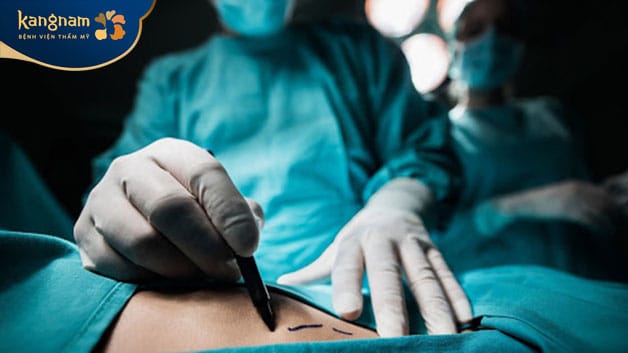
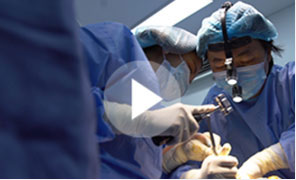
The surgeon will make the incision precisely along the pre-marked surgical line.
A patient who had lost a substantial amount of weight may have loose abdominal skin that cannot contract naturally. In such cases, complete recovery after surgery generally takes several weeks, while scar maturation continues for many months.
A typical recovery timeline may include:
During the first several days, patients may experience:
Pain medication, antibiotics when prescribed, wound care, and gentle walking are important during this stage.
Patients should not remain completely immobile, as light movement can help reduce the risk of blood clots.
The incision usually begins to heal, although it may remain red, firm, or sensitive.
Many patients can gradually resume light daily activities, but heavy lifting, vigorous exercise, and stretching of the abdomen should still be avoided.
Swelling usually continues to decrease. Patients may begin to stand more comfortably and gradually return to more activities with their surgeon’s approval.
The compression garment should be worn for the period recommended by the doctor.
Many patients notice a more stable abdominal shape after six to eight weeks. However:
Sutures do not always dissolve completely, and surgery generally leaves a permanent scar. The scar usually fades over time but does not disappear entirely.
Patients should ask their surgeon when they may shower, drive, return to work, exercise, and resume sexual activity. General guidance about bathing after body-contouring surgery can also be found in How Long After Liposuction Can You Shower?.
Patients should contact their doctor promptly if they experience:
Chest pain, difficulty breathing, or sudden leg swelling may indicate a blood clot and require emergency medical care.
The outcome of abdominal contouring may be long-lasting when the patient:
Future pregnancy or significant weight change can stretch the abdominal skin and muscles again. Patients planning pregnancy are often advised to postpone a tummy tuck until they have completed childbearing.
Abdominal skin-tightening surgery can remove loose skin, improve weakened abdominal muscles, and create a firmer and flatter midsection. It may be particularly beneficial after pregnancy, major weight loss, or significant loss of skin elasticity.
However, abdominoplasty is major surgery and involves permanent scarring, a recovery period, and potential complications. The procedure should only be performed by a qualified plastic surgeon in a licensed medical facility.
A comprehensive consultation is essential to determine whether the patient needs liposuction, a mini tummy tuck, a full tummy tuck, a panniculectomy, or another body-contouring procedure.