Date posted: 21-07-2026 | Last updated : 25-07-2026
Following an appropriate diet after a facelift can help reduce swelling, support recovery, lower the risk of unfavourable scarring, and optimise the aesthetic outcome.
The following guide explains important postoperative dietary recommendations based on advice from Kangnam’s medical team.
After a facelift, patients are commonly advised to follow dietary restrictions for approximately the first one to two weeks.
During this period, the skin and underlying tissues are healing and reorganising. An unsuitable diet may worsen swelling, irritation, or digestive discomfort and may affect the overall recovery process.
Avoiding certain foods during the early postoperative stage may help:
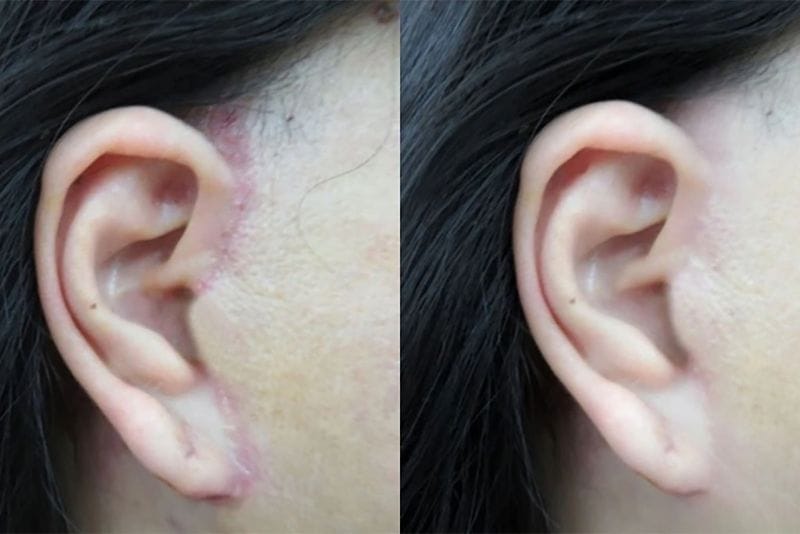
Certain foods should be limited after a facelift to support healing and reduce the risk of unfavourable scarring.
The exact duration of dietary restrictions varies according to:
The original postoperative guidance identifies five main food groups that should be limited during the early recovery period.
Beef, buffalo meat, shrimp, crab, squid, and saltwater fish may trigger itching or allergic reactions in people who are sensitive to these foods.
However, these foods do not need to be universally avoided by every patient. Red meat and seafood can also provide protein, iron, zinc, and other nutrients that support healing.
Patients with a known food allergy or a history of reactions should avoid the relevant food and consult their doctor.
Hot spices such as chilli and pepper may increase facial flushing and make swelling, heat, or discomfort feel more noticeable.
Spicy foods may also irritate the digestive system, particularly when the patient is taking antibiotics, pain medication, or anti-inflammatory medicine.
Sticky rice, bánh chưng, bánh giầy, and similar dishes are traditionally believed to worsen swelling or cause wounds to produce pus.
There is limited scientific evidence that glutinous rice directly causes infection or pus formation. Postoperative infection is more closely associated with bacterial contamination, poor wound care, smoking, uncontrolled diabetes, or impaired immunity.
Patients may still choose to avoid these foods temporarily if they have previously noticed swelling, itching, or digestive discomfort after eating them.
According to traditional experience, water spinach is believed to stimulate excessive collagen formation and increase the risk of raised scars.
Current medical evidence does not clearly establish that water spinach directly causes hypertrophic or keloid scars in all patients.
The risk of raised scarring is more strongly influenced by:
Patients who are prone to keloid formation should inform their surgeon before surgery.
Alcohol, beer, and other alcoholic beverages should be avoided during the early recovery period.
Alcohol may:
Coffee and other caffeinated drinks may be limited if they cause dehydration, insomnia, palpitations, or digestive discomfort. Moderate caffeine consumption may be permitted once the doctor considers it safe.

Alcohol and other stimulants should be limited after a facelift.
Kangnam’s recommendation is to consult the treating doctor when uncertain about any particular food, especially when the patient has a history of allergies or food intolerance.
More information can be found in Diet After a Facelift.
A healthy, balanced, and easy-to-digest diet can support wound healing and general recovery.
Fruits and vegetables rich in vitamins A and C may support immune function and normal collagen formation.
Suitable options may include:
Patients should avoid acidic fruit if it causes stomach irritation while they are taking medication.
Protein is essential for tissue repair and wound healing.
Recommended sources may include:
The phrase “clean protein” is commonly used in wellness content, but in medical nutrition, it is more accurate to recommend lean, well-cooked, hygienically prepared protein.
Patients with allergies or specific dietary restrictions should choose appropriate alternatives.
Soft foods may reduce facial movement and make eating more comfortable during the first few days after surgery.
Suitable choices may include:
Bone broth may provide fluids and protein, but it does not directly prevent deep scars or facial folds. Its main benefit is that it is soft and generally easy to consume.
Adequate hydration supports circulation, digestion, medication tolerance, and general recovery.
Patients should prioritise:
Sugary drinks should be limited because they provide little nutritional benefit and may contribute to poor blood glucose control.
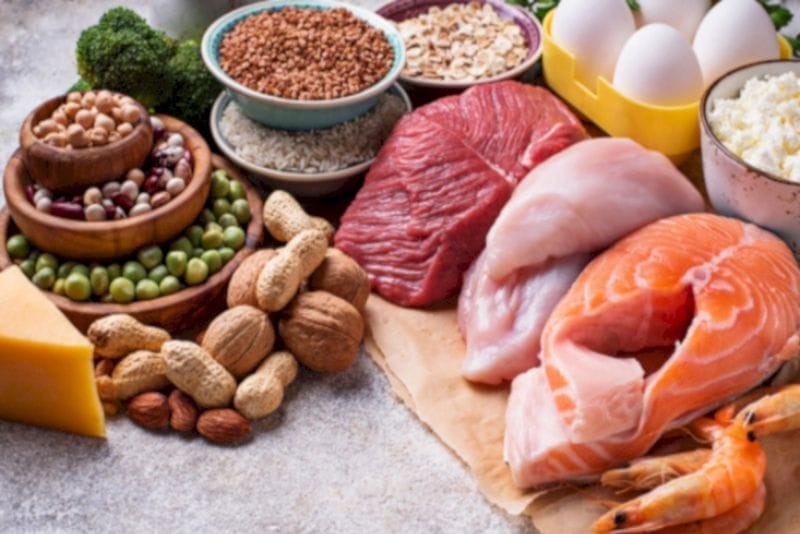
Patients should prioritise nutritious, hygienically prepared foods after a facelift.
At Kangnam Aesthetic Hospital, patients undergoing 3D facelift procedures may receive personalised dietary guidance based on their health, treatment plan, and recovery needs.
The time required to return to a normal diet depends on the individual’s healing progress.
On average, many patients can gradually resume a more varied diet after approximately 10–14 days, provided that:
Patients who swell easily or recover more slowly may be advised to maintain a soft, healthy diet for three to four weeks.
Alcohol should generally be avoided for at least several weeks or until the surgeon confirms that it is safe, particularly when the patient is still taking medication.
Many facelift patients at Kangnam may resume light activities and eat a nearly normal diet after approximately 10 days when no abnormal symptoms are present.
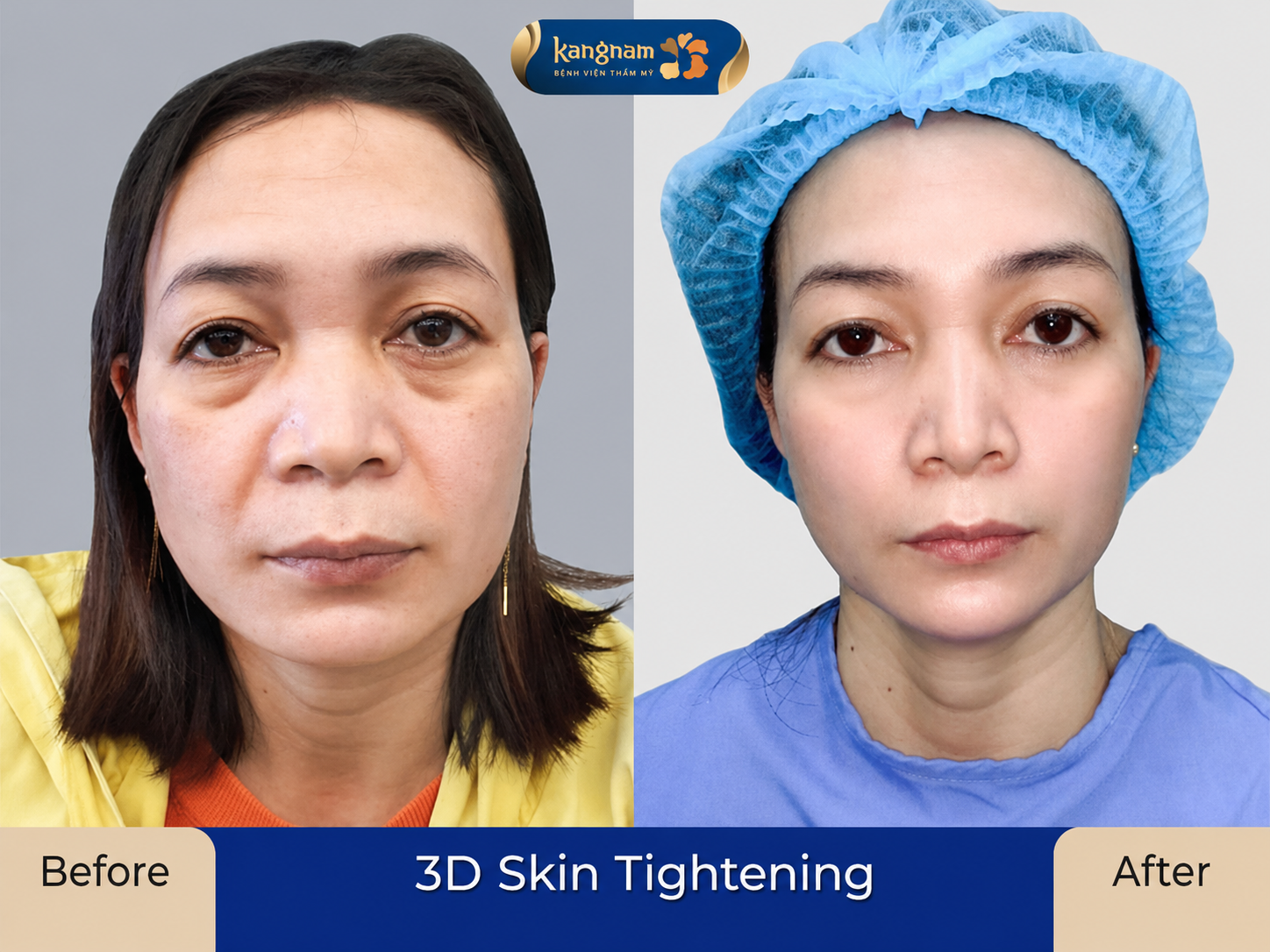
Patients may gradually resume normal activities and eating as their recovery progresses.
During the first five to seven days, patients should eat slowly, take small bites, and avoid opening the mouth excessively.
Excessive jaw movement may increase discomfort and place tension on the healing facial tissues.
Eating four to five smaller meals per day may:
Patients should not automatically take oral collagen supplements after surgery without consulting their doctor.
Although collagen supplements are generally tolerated by many people, they are not necessary for every patient and may contain:
Oral collagen also does not guarantee faster healing or a better surgical result.
Patients should observe for:
Any persistent or severe reaction should be reported to the doctor.
Regular follow-up allows the doctor to:
Kangnam is chosen by many overseas Vietnamese patients seeking facial rejuvenation because of its 3D facelift procedures, experienced doctors, and remote follow-up services.
Kangnam applies a structured 3D facelift treatment plan designed to reduce tissue trauma, postoperative swelling, and discomfort.
This may be particularly convenient for overseas Vietnamese patients who can remain in Vietnam for only a limited period.
However, the amount of swelling and the recovery time vary between individuals. No treatment plan can guarantee that swelling will be eliminated completely or that every patient will recover within the same timeframe.
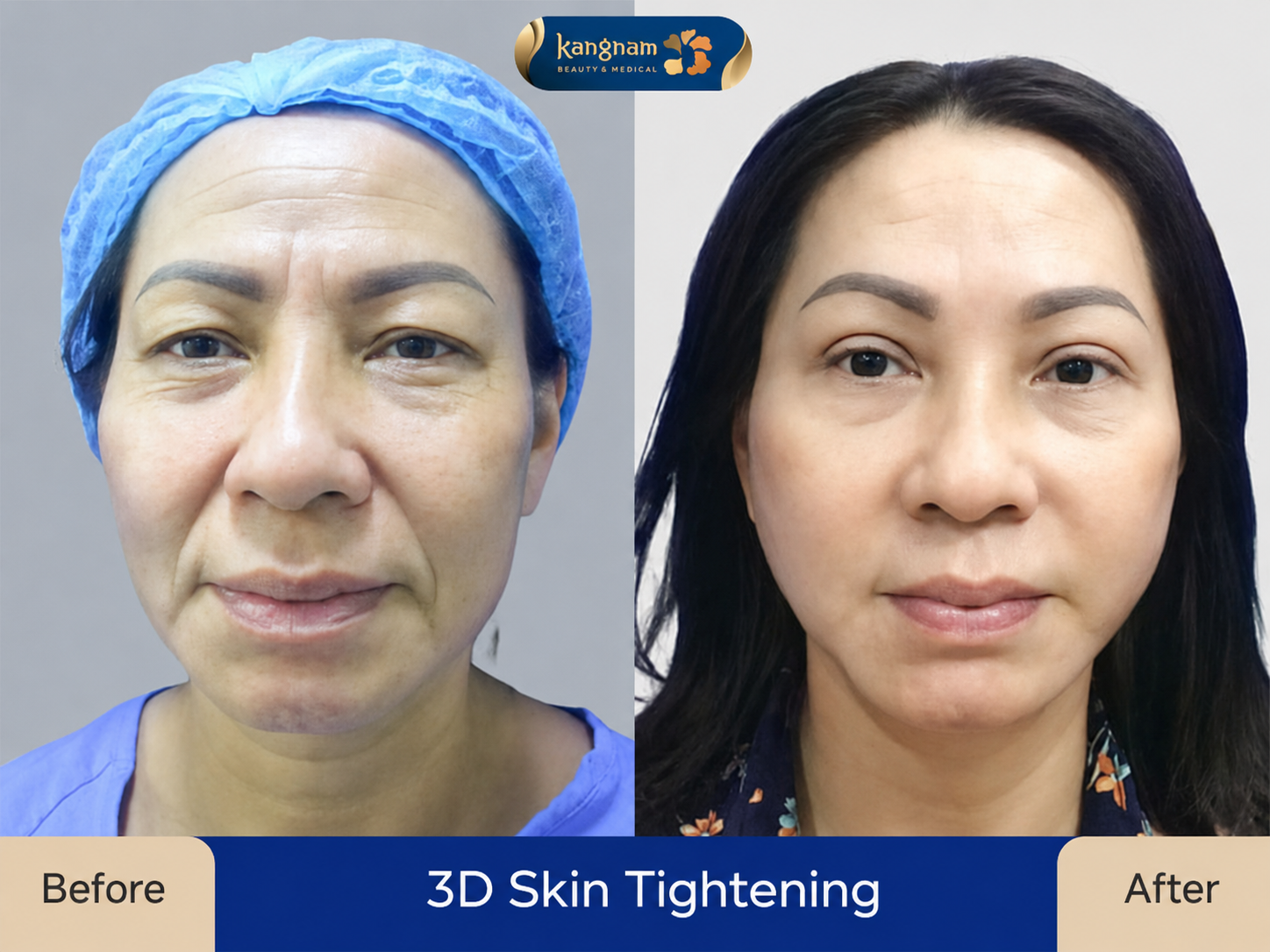
Facelift surgery may soften deep wrinkles and facial folds, helping create a more youthful appearance.
Patients are examined and treated by doctors with experience in facial rejuvenation and facial soft-tissue surgery.
Before recommending a procedure, the doctor assesses:
An individualised treatment plan helps create a more balanced and natural-looking result.
Before developing the treatment plan, the doctor may use clinical examination and imaging or skin-analysis equipment to assess:
These findings may support treatment planning, but no device can precisely measure “collagen breakage” or guarantee a specific number of years of rejuvenation.
Claims such as “looking 10 years younger after one procedure” should be understood as promotional descriptions rather than predictable medical outcomes.
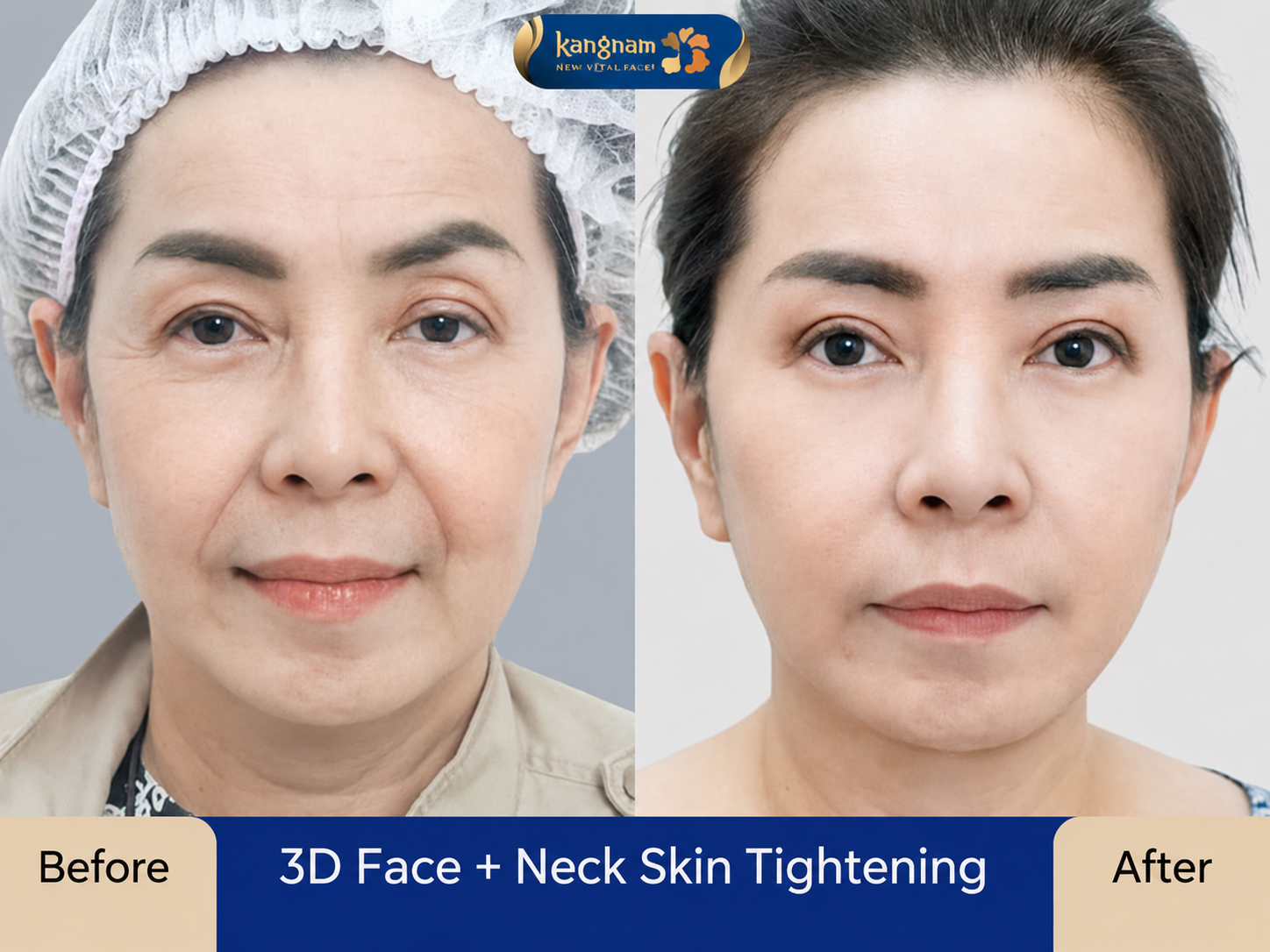
Facial rejuvenation results vary according to anatomy, age, treatment technique, and healing response.
After facelift surgery, patients may receive follow-up support through video calls or messaging after returning overseas.
Remote follow-up may be used to:
Online follow-up is useful for routine monitoring, but it cannot replace emergency or in-person medical assessment when complications are suspected.
When threads or other lifting materials are included in the treatment plan, patients should be given clear information about:
Using authentic, traceable products may reduce product-related risks, although it does not eliminate complications associated with technique, anatomy, infection, or individual healing.
Patients considering thread-based rejuvenation may also review Collagen Thread Lift and X-Line Thread Lift.
Patients should contact their doctor promptly if they experience:
Severe breathing difficulty, chest pain, or sudden neurological symptoms require emergency medical attention.
Appropriate nutrition after a facelift may help support tissue healing, reduce discomfort, and maintain general health during recovery.
Patients should prioritise soft, protein-rich, nutrient-dense foods and adequate hydration. Alcohol, very spicy foods, highly processed meals, and foods that have previously caused allergic reactions should be limited.
Traditional restrictions involving beef, seafood, glutinous rice, or water spinach do not need to be applied rigidly to every patient. The postoperative diet should be personalised according to the patient’s health, allergies, medication, surgical procedure, and the doctor’s instructions.
Overseas Vietnamese patients may submit photographs for a preliminary assessment before travelling to Vietnam. However, the final treatment recommendation can only be made after an in-person medical examination.
Facelift Cost: Factors Affecting the Price
What to Avoid After a Collagen Thread Lift