Date posted: 21-07-2026 | Last updated : 27-07-2026
Understanding how much eye-area fat grafting costs is important for anyone considering treatment for hollow upper eyelids or under-eye volume loss. Reviewing the price in advance helps patients prepare financially and assess whether an aesthetic provider offers transparent, medically appropriate services.
Eye-area fat grafting currently costs approximately equivalent to around USD 456–874.
The final price depends on the patient’s eye condition and whether fat grafting is performed alone or combined with other procedures.
For example:
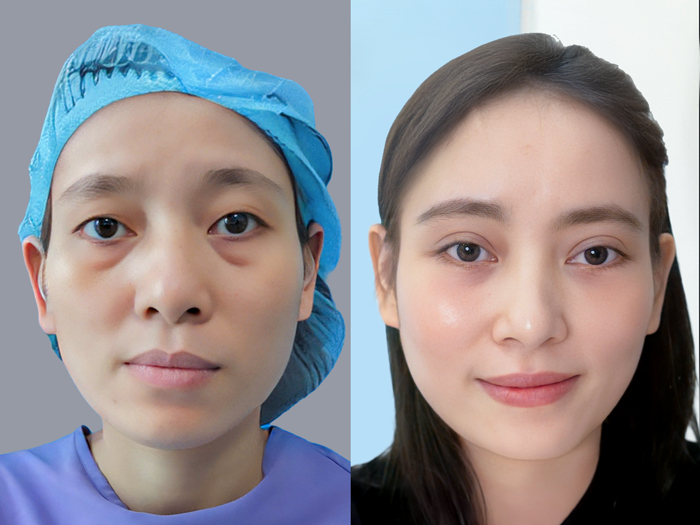
Before-and-after appearance following eye-area fat grafting combined with eyelid surgery at a reputable facility.
| Service | Approximate cost (USD) |
|---|---|
| Korean multipoint double-eyelid suture | 342 |
| Korean Plasma upper or lower blepharoplasty | 342 |
| 6D upper or lower blepharoplasty | 570 |
| Perfect upper or lower blepharoplasty | 988 |
| Congenital ptosis correction with levator adjustment and eyelid-crease creation | 608 |
| Endoscopic upper- or lower-eyelid fat removal | 266 |
| Upper- or lower-eyelid fat grafting | 532 |
| Upper or lower blepharoplasty combined with fat grafting or fat removal and eye-corner treatment | 646–874 |
| Eye-area rejuvenation fat-grafting package covering the upper and lower eyelids | 456–608 |
The final quotation may vary depending on:
Patients should request a written quotation confirming whether consultation, tests, anaesthesia, medication, postoperative care, and follow-up appointments are included.
People considering non-surgical facial-volume treatments may also review Non-Invasive Facial Rejuvenation.
The price of eye-area fat grafting is influenced by the surgeon’s expertise, fat-processing technique, degree of hollowing, facility standards, and included services.
Understanding these factors helps patients select a treatment provider that suits both their aesthetic needs and budget.
Treatment performed by a qualified and experienced plastic surgeon may cost more because the eye area requires detailed knowledge of:
The surgeon must place small amounts of fat carefully to reduce the risk of lumps, overfilling, asymmetry, or an unnatural appearance.
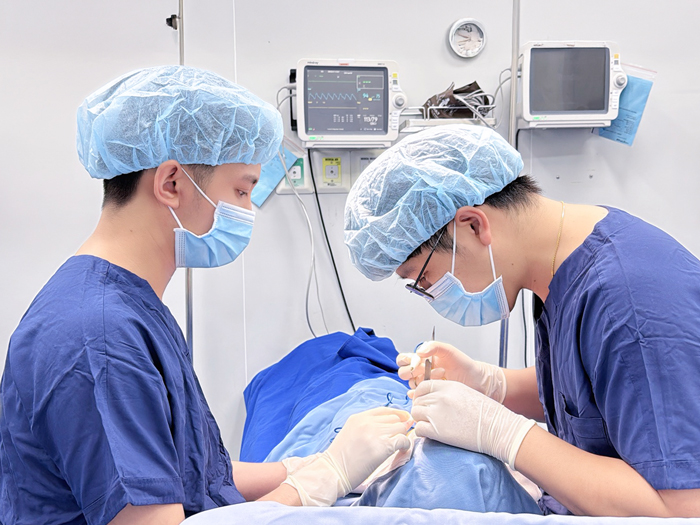
The cost of eye-area fat grafting partly depends on the surgeon’s qualifications and experience.
Facilities using specialised fat-processing methods, such as centrifugation, microfat, or nanofat preparation, may charge more than those using basic processing techniques.
The harvested fat normally undergoes several steps:
Terms such as “nanofat” and “Bio Fat” may describe different processing techniques. Patients should ask the provider to explain exactly how the fat is processed and what evidence supports the claimed benefits.
The price may vary according to:
Patients with several concerns may require fat grafting combined with blepharoplasty, eye-bag removal, ptosis correction, or another procedure.
Large hospitals and licensed aesthetic facilities may charge more because they invest in:
A higher price does not automatically guarantee a better result, but patients should be cautious about treatment offered in an unlicensed salon or non-medical setting.
Some treatment packages include:
Patients should ask which services are included and whether any additional charges may arise.
Eye-area fat grafting does not automatically need to be repeated after six months to one year.
During the first several months, some of the transferred fat may be naturally absorbed by the body. The remaining fat that establishes an adequate blood supply may survive for years and behave similarly to fat elsewhere in the body.
A touch-up procedure may be considered when:
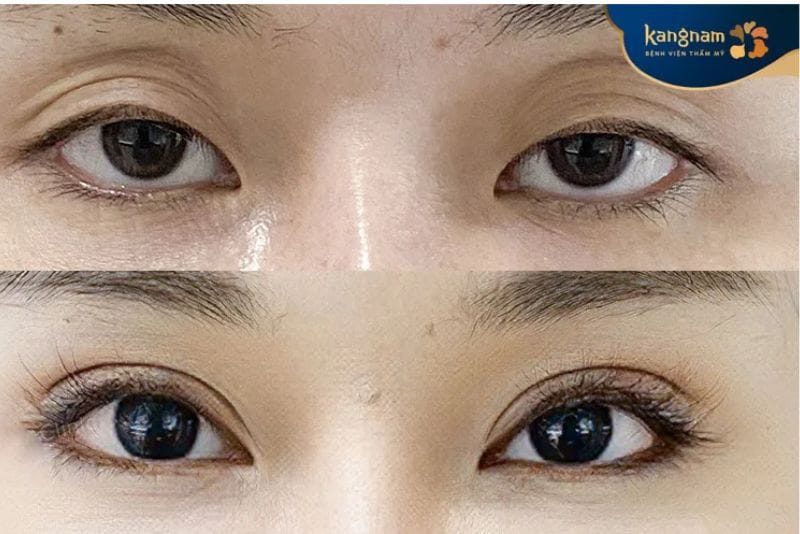
Some patients may consider an additional fat-grafting session after the initial result has stabilised.
The surgeon commonly waits several months before assessing whether another session is necessary because swelling and fat survival need time to stabilise.
Repeated treatment every six to twelve months is not routinely required for all patients.
The longevity of the result depends on:
Weight gain may enlarge surviving fat cells, while significant weight loss may reduce the fullness achieved.
Kangnam Aesthetic Hospital provides eye-area fat-grafting services for overseas Vietnamese patients, including preliminary online consultation and remote postoperative support.
Kangnam applies its Bio Fat technique to selected eye-area fat-grafting procedures.
The harvested fat is processed to select suitable fat cells before transfer. Careful purification may help reduce oil, fluid, and damaged tissue in the graft.
The prepared fat is then injected in small amounts to support:
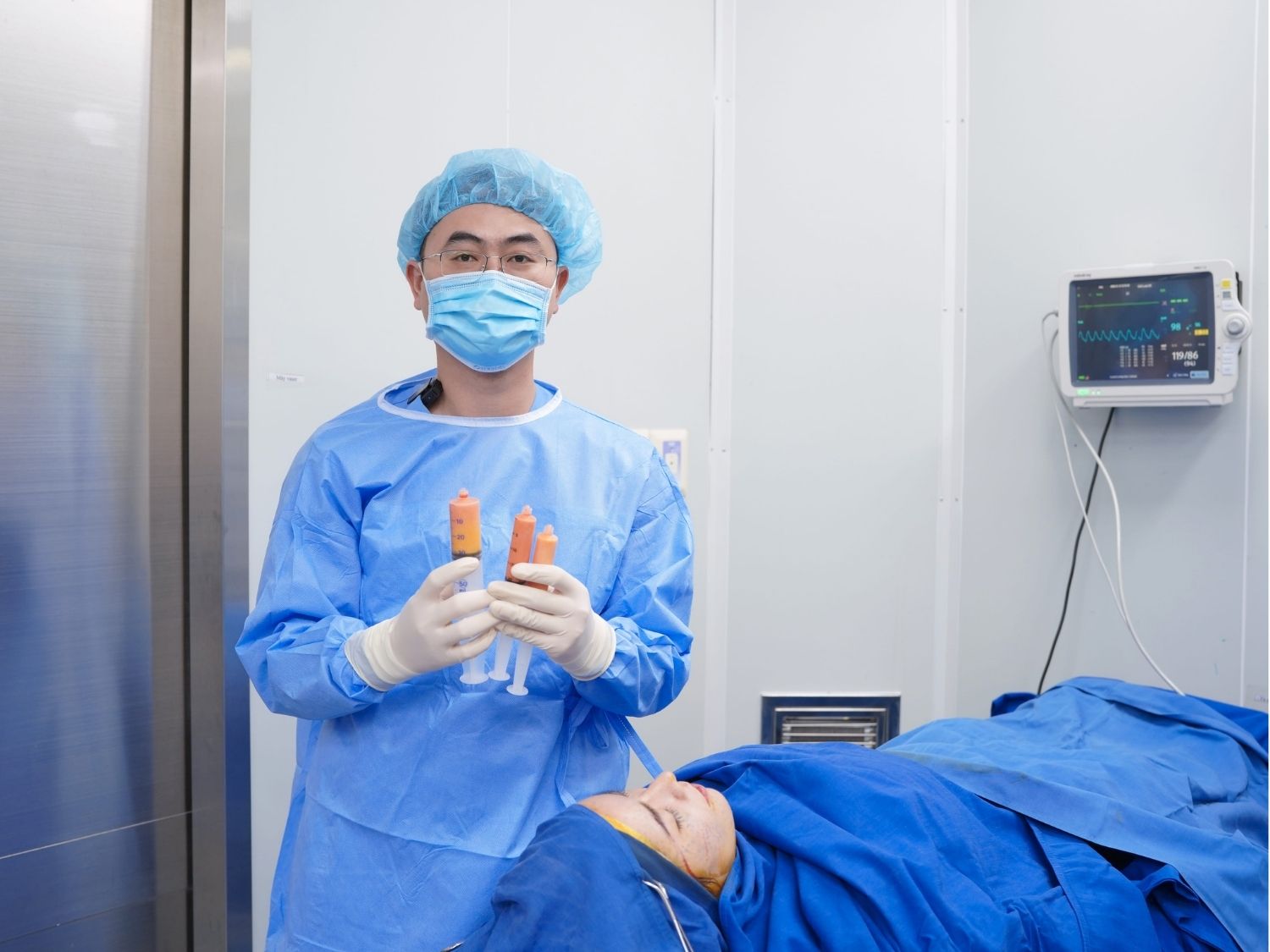
Modern fat-harvesting and processing techniques are used before the fat is transferred.
However, no processing method can guarantee that all transferred fat will survive or that no nodules, asymmetry, or complications will occur.
The procedure is performed by doctors experienced in facial and eyelid aesthetics.
Before treatment, the doctor assesses:
Accurate assessment helps avoid excessive or insufficient fat placement.
Because the area around the eyes contains important blood vessels, injections must be performed with particular care. Although rare, accidental injection into a blood vessel may cause serious complications, including impaired vision or blindness.
Swelling and bruising commonly decrease during the first seven to ten days, allowing the initial improvement to become more visible.
Patients may notice:
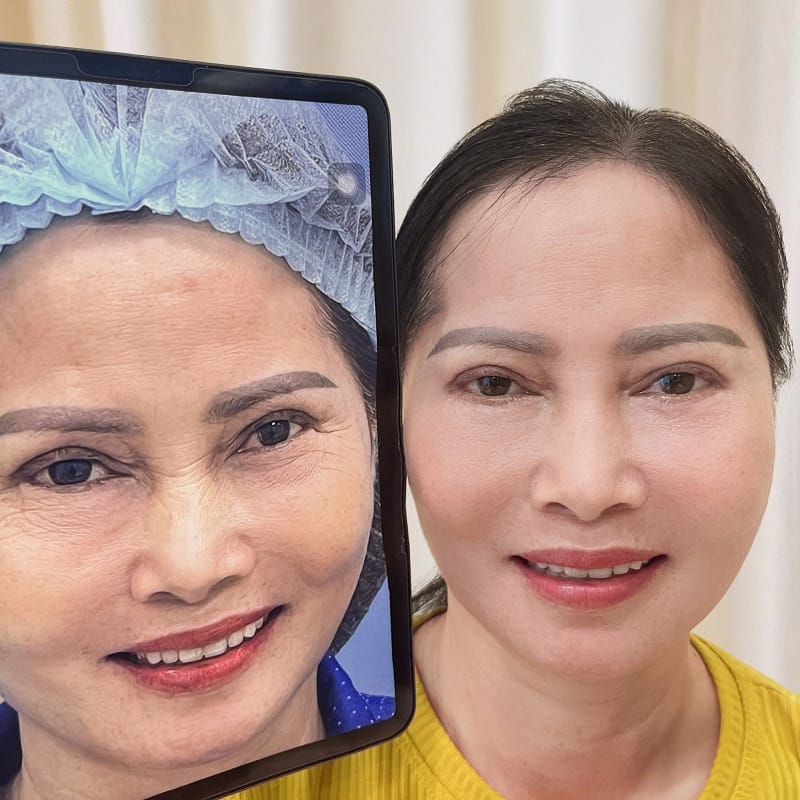
The result may appear increasingly natural as swelling subsides and the transferred fat stabilises.
However, the result should not be considered final after only seven to ten days. Fat survival and tissue settling may take several months.
Fat grafting may improve shadows caused by hollowing, but it does not necessarily eliminate dark circles caused by pigmentation, visible blood vessels, allergies, or thin skin.
Overseas Vietnamese patients may arrange a preliminary online consultation before returning to Vietnam.
The doctor can review photographs and discuss:
An online assessment cannot replace an in-person examination or confirm final suitability for treatment.
After patients return overseas, Kangnam may provide remote follow-up through online communication channels.
The medical team may offer guidance regarding:
Remote monitoring is useful but cannot replace an in-person medical examination when complications are suspected.
Patients should seek urgent care if they experience:
Patients should not choose an unusually cheap provider solely to reduce treatment expenses.
The eye area is anatomically delicate and requires a high degree of accuracy. Treatment performed by an unqualified practitioner or in an unsuitable environment may lead to:
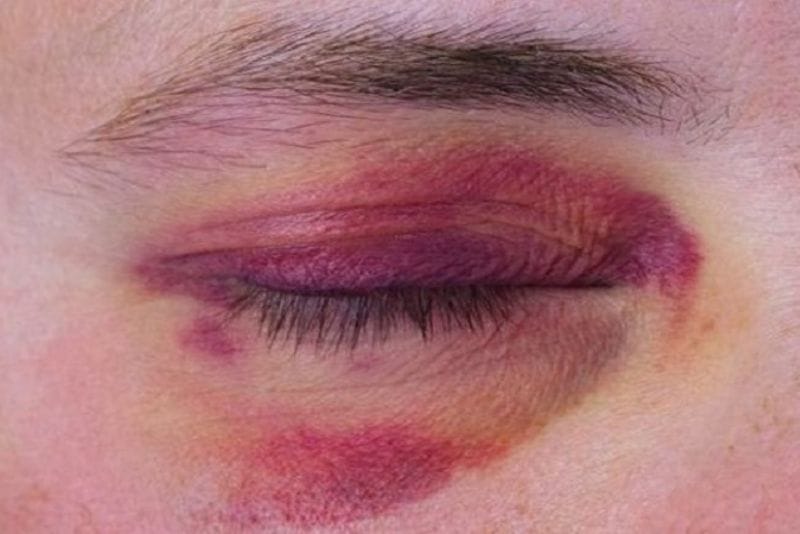
Poorly performed low-cost eye fat grafting may result in visible irregularities or other complications.
Patients should verify:
Kangnam states that its treatment prices are publicly listed and supported by specialist doctors, modern fat-processing techniques, and postoperative care.
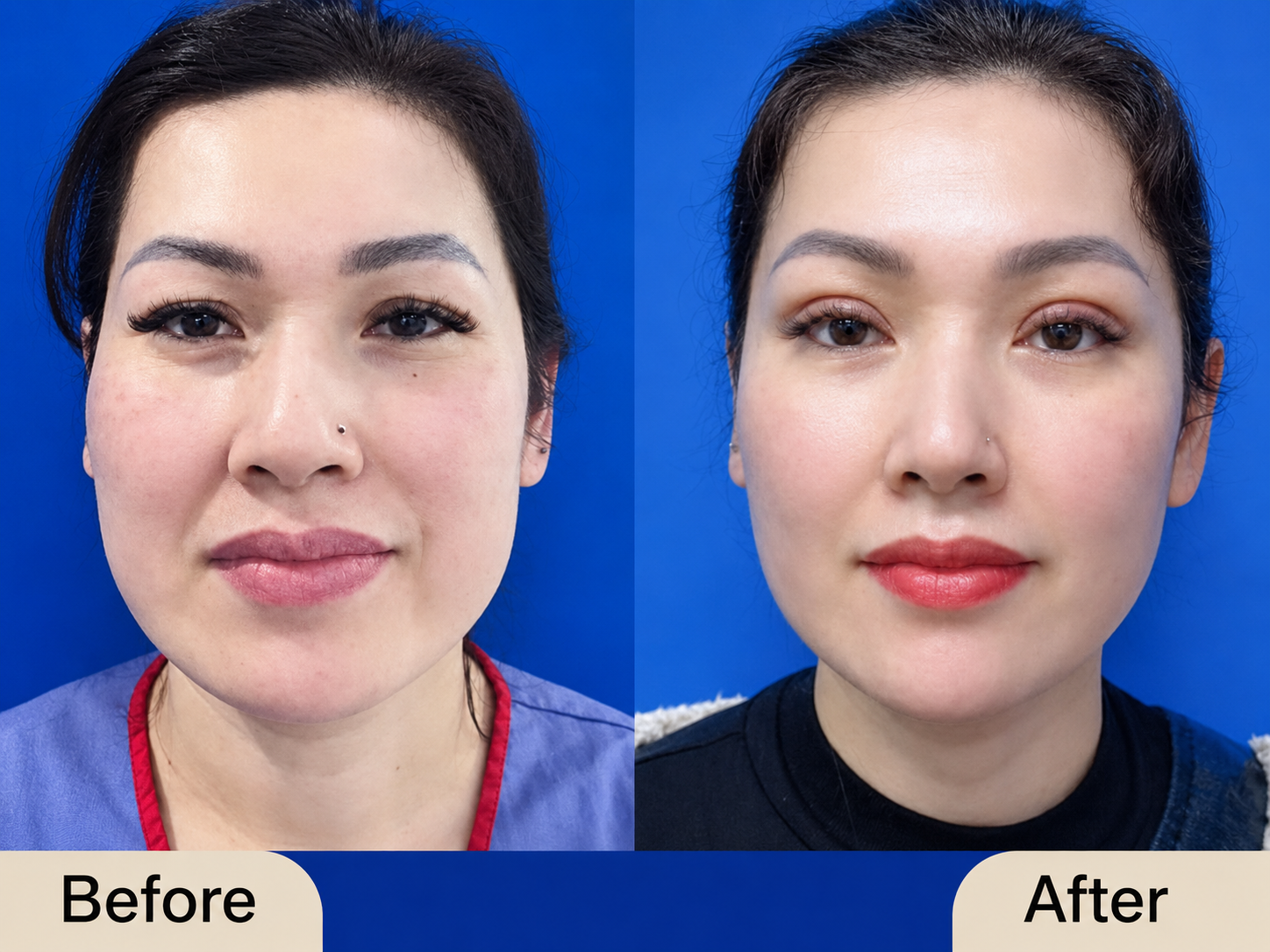
Eye-area fat grafting combined with eyelid surgery may improve hollowing and eyelid contours in suitable patients.
Nevertheless, patients should compare providers based on safety, medical standards, realistic results, and total treatment cost rather than advertising claims alone.
Understanding how much eye-area fat grafting costs is an important first step before deciding on treatment. A qualified doctor should determine whether the hollow appearance is best treated with fat grafting, eyelid surgery, filler, or another approach.
Overseas Vietnamese patients may submit clear photographs for a preliminary assessment before travelling to Vietnam.
Non-Invasive Facial Rejuvenation Options