Date posted: 27-07-2026 | Last updated : 28-07-2026
Whether the nose can return to normal after implant removal is a common concern among people who have undergone rhinoplasty but want the implant removed for personal or medical reasons.
To answer this question, it is necessary to consider the type of implant used, the surgical technique, and the current condition of the nose.
After nasal implant removal, the nose may return to a nearly normal appearance. However, the tissues and nasal structure may not look exactly the same as they did before rhinoplasty, especially if the nasal bones or supporting structures were altered or if complications occurred.
If the implant is removed because of complications such as infection, displacement, deviation, or thinning skin, the ability of the nose to recover depends on the degree of tissue damage and the care provided after removal.
In many cases, the soft tissues may contract, the nasal skin may become thinner, or scar tissue may form. As a result, the nose may appear slightly deformed, depressed, uneven, or scarred.
If the damage is not severe and is treated promptly by an experienced doctor, the nose may recover relatively well. However, the tissues may require a considerable amount of time to regenerate and heal completely.
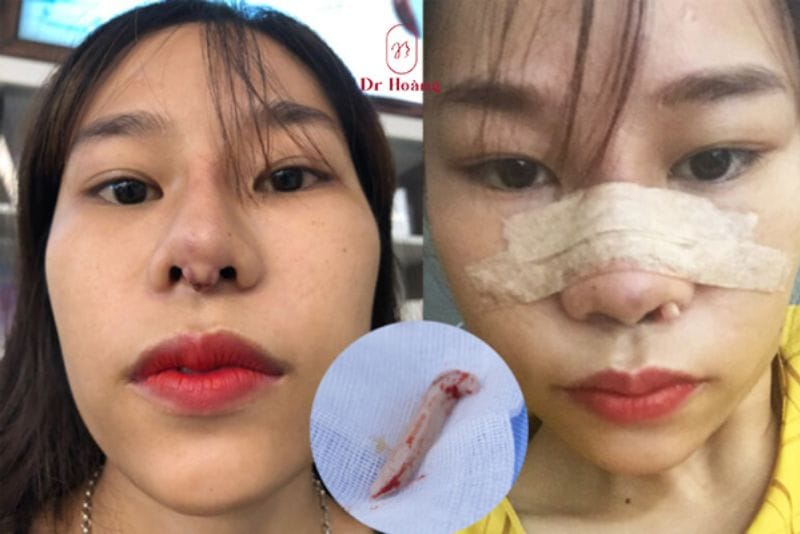
The nose may return close to normal after implant removal, but it may not look completely the same as before rhinoplasty.
Patients experiencing implant-related complications may review Signs That Your Nose May Not Be Compatible With the Implant.
After nasal implant removal, the initial recovery period usually lasts approximately 1–2 weeks.
During this period, patients may experience:
These are common reactions and usually improve gradually.
However, the nasal tissues may require several weeks to several months to become stable and heal fully, depending on the individual healing response and the extent of the previous surgery.
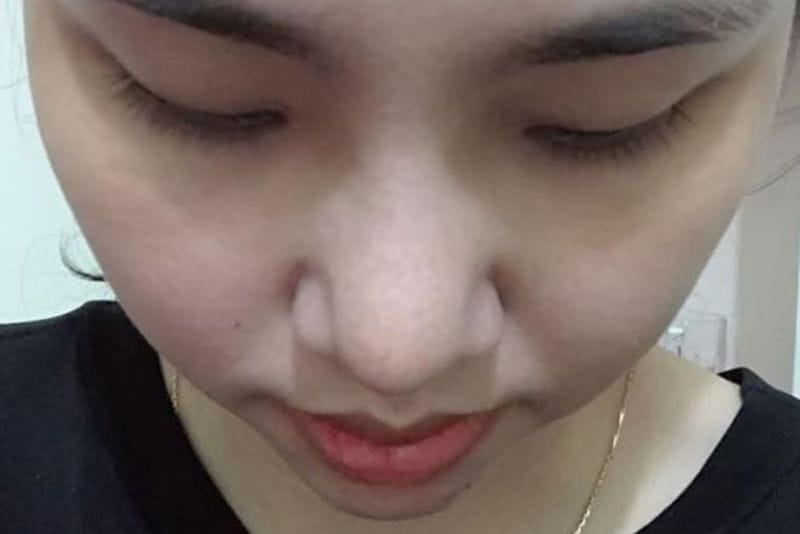
The initial recovery period after nasal implant removal is approximately 1–2 weeks.
Patients should follow postoperative care instructions, including:
Whether another rhinoplasty is necessary depends on the condition of the nose after recovery.
If the nose remains balanced, is not visibly deformed, and does not affect breathing, another rhinoplasty may not be required.
However, if the nose becomes contracted, deformed, or unbalanced after implant removal, the doctor may recommend revision surgery to restore both appearance and function.
Revision rhinoplasty is commonly considered after at least six months, allowing the nasal tissues to stabilise and inflammation or scar tissue to improve.
The exact timing may vary depending on:
Regular examinations with a specialist help evaluate the nasal tissues, determine an appropriate time for revision, and select a suitable technique and graft material.
Nasal implant removal performed with an incorrect technique may cause complications such as infection, bleeding, or damage to surrounding tissues.
The procedure may cause minor injury to the soft tissues around the nose, including:
If appropriate infection-control measures are not followed, bacteria may enter the incision and cause:
Incorrect surgical manipulation may also tear the nasal lining, damage the septum, affect breathing, or cause structural deformity after healing.
In severe cases, complications may lead to:
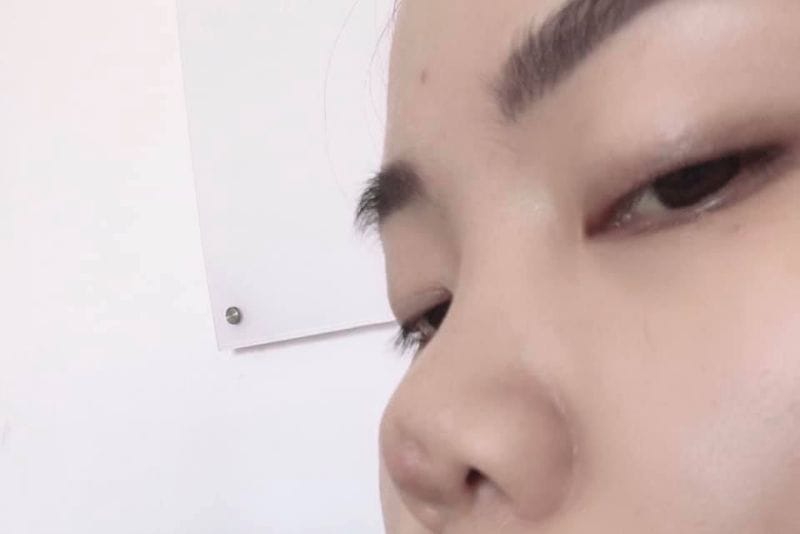
A depressed nasal tip may occur after implant removal.
Therefore, nasal implant removal should be performed by an experienced specialist in a medically controlled environment using an appropriate surgical process to reduce risks and support recovery.
Nasal implant removal may be necessary in cases of complications after rhinoplasty or dissatisfaction with the aesthetic result.
Although the procedure may not always be highly complex, it requires careful technique, infection-control measures, and close postoperative monitoring.
Patients considering revision rhinoplasty should seek professional assessment to receive a treatment plan suitable for their nasal condition and health.