Date posted: 27-07-2026 | Last updated : 27-07-2026
Canthoplasty (eye corner opening) helps women achieve larger, sharper, and more defined eyes. However, alongside these aesthetic benefits, potential risks and complications from canthoplasty can cause serious impacts on health and appearance.
Potential complications of canthoplasty include vision impairment, infection, eye asymmetry and distortion, prolonged bruising and hematoma, severe scarring, and more. These risks typically arise from unsafe procedure protocols or improper post-operative wound care. Details are as follows:
Direct impact on vision is a major potential consequence. The eye is controlled by the optic nerve (cranial nerve II) and the oculomotor nerve (cranial nerve III), which are responsible for vision function and eye movement. Although canthoplasty does not directly touch these two main nerves, it can cause temporary paralysis to peripheral nerve fibers—the small branches connected to nerves II and III.
As a result, nerve impulse transmission can be inhibited, leading to a gradual decline in vision, risk of macular degeneration, or refractive errors within a short timeframe. This creates significant difficulties in mobility and daily routine activities.
Additionally, prolonged post-surgical swelling and pain place heavy pressure on eye muscles, resulting in fatigue, eye redness, and continuous tearing.

This primarily stems from unsterilized eyelid surgery procedures, contaminated surgical instruments, or careless post-operative eye care.
Common signs of infection include fever, excessive tearing, and abnormal eyelid swelling. In more severe cases, blisters, pustules, and even skin necrosis may occur.
Furthermore, other infections can develop due to pre-existing health conditions, improper treatment methods, or pre-existing eye and skin issues. Therefore, fully resolving these underlying issues prior to eyelid surgery is essential.
Canthoplasty intervention can disrupt the natural balance of the eyes. Eye morphology is shaped by three main factors: orbital bone structure, the eyeball, and the outer skin layer.
Excision or grafting of skin during surgery can disrupt the relationship between the eyeball and the eye socket, making the eyes look unusually puffy, bulging, or abnormally small.
Moreover, natural eye sizes inherently have slight subtle differences. If the surgeon fails to calculate and execute the exact widening angle, it can lead to misaligned eyes, damaged eyelids, or overly upturned eyes.
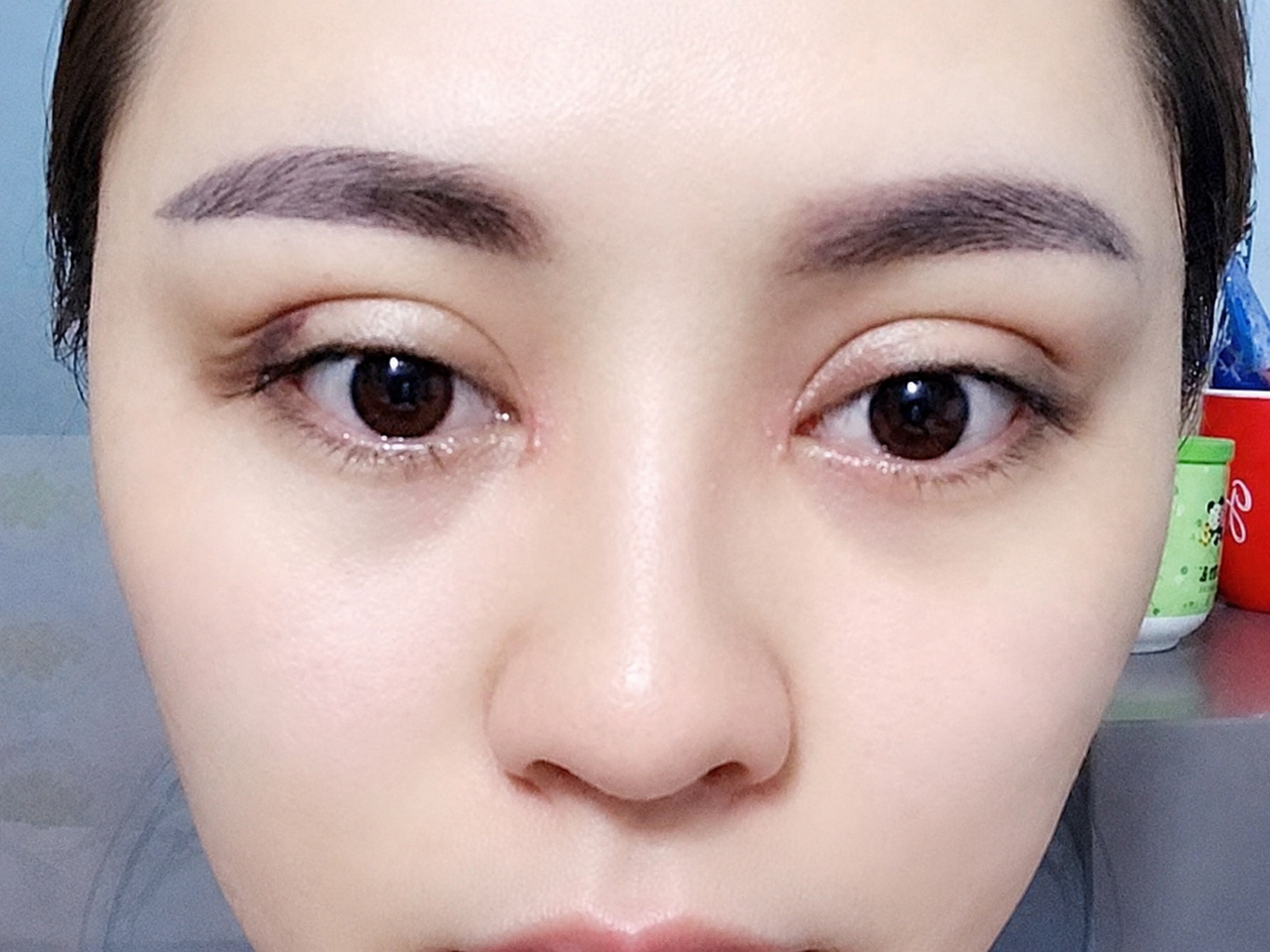
Swelling, bruising, and blood pooling around the eyes post-surgery are difficult to avoid. This is caused by severe damage to tiny capillaries, leading to temporary paralysis, stiffness, and obstructed blood circulation. Swelling typically peaks within the first 3 to 5 days and gradually subsides after about 10 days.
However, many individuals notice dark eye circles becoming more pronounced after the procedure. This occurs because pooled blood persists for too long, causing skin pigmentation changes in that area. To address this condition, clients should apply ice packs and use medications that help reduce bruising.
Canthoplasty can also be a cause of bad scarring and unwanted aesthetic side effects. The skin around the eyes is exceptionally sensitive and recovers several times slower than other skin areas on the body.
Consequently, surgical incisions can cause widespread damage to the epithelial layer, leading to persistent bruising, depressed scars, or keloid scars. In severe cases, eye functionality may be compromised.
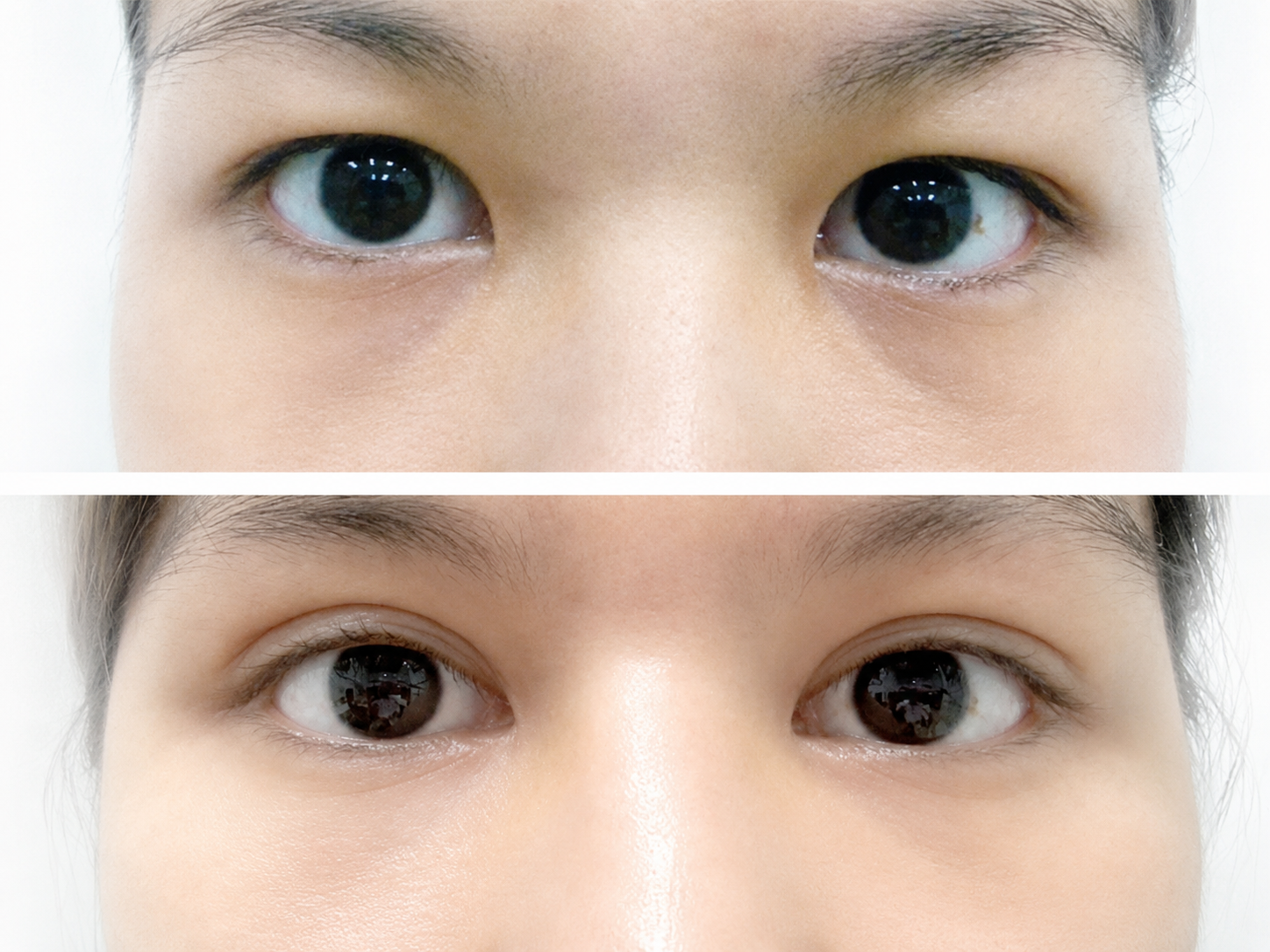
Canthoplasty is not suitable for everyone. Individuals with naturally large eyes, already widened eye corners, or highly prominent/protruding eyeballs should avoid further surgical intervention due to the risk of creating facial disproportion.
In addition, people with a history of eye diseases, skin prone to keloid scarring, or those currently undergoing treatment for eye-related conditions should avoid this procedure.
Aesthetic specialists always emphasize that canthoplasty should only be performed when truly necessary and indicated after a thorough clinical examination.
Before deciding on surgical intervention, clients must choose a reputable cosmetic facility, a highly skilled doctor, and thoroughly understand post-operative care.
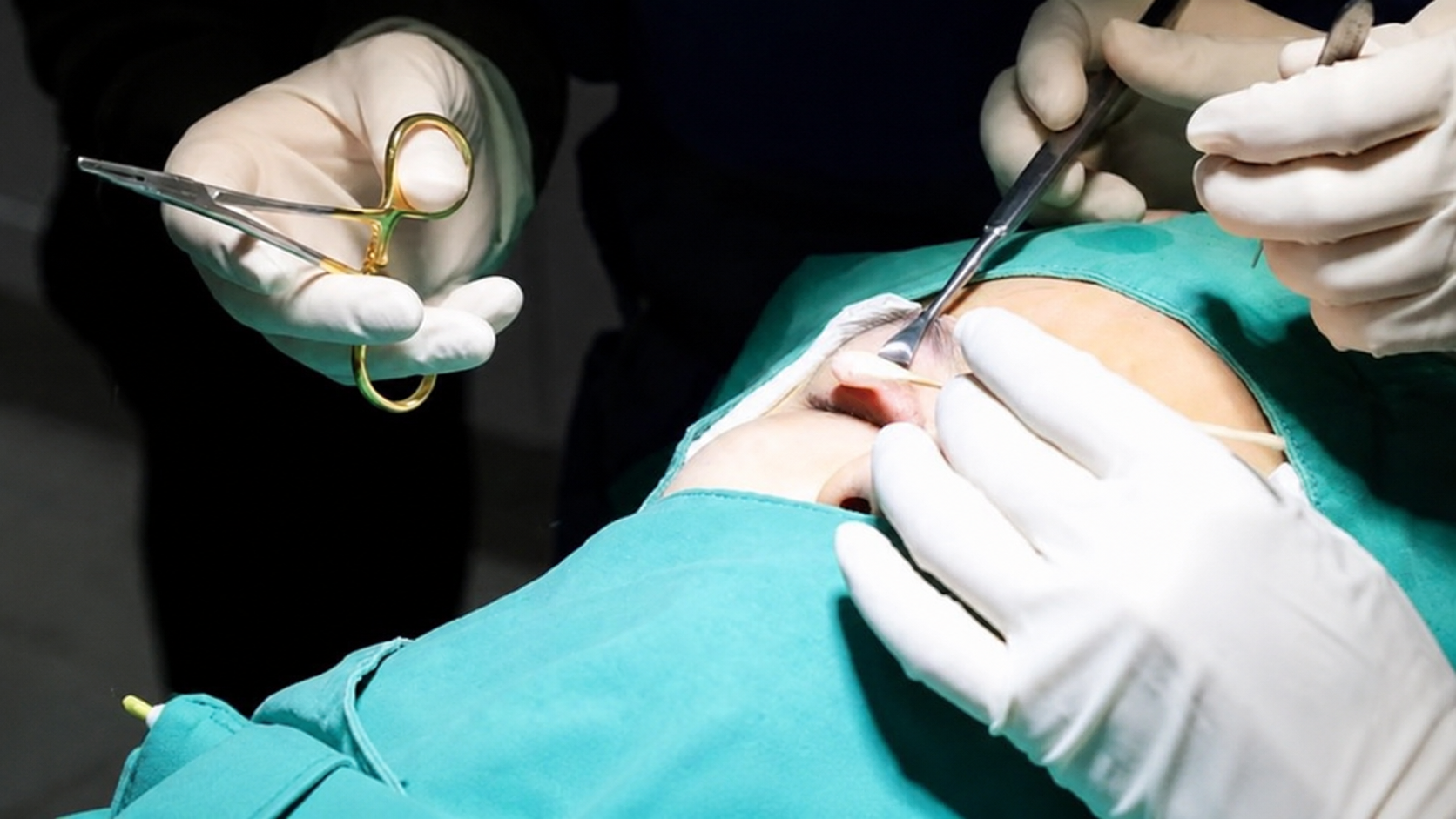
Additionally, following canthoplasty, clients should adopt the following care practices to minimize complications:
Use a clean cold towel to gently compress the eyelid area to reduce swelling and sore sensations after minor surgery.
Maintain eye hygiene by using physiological saline solution to rinse gently every day. This helps prevent infection and keeps the incision clean.
Take prescribed medications in strict accordance with the doctor’s dosage and instructions. Absolutely do not self-administer any additional drugs, including topical ointments, without medical approval.
Avoid foods to which your body is allergic, as well as foods known to promote keloid scarring (e.g., water spinach, beef, glutinous rice) or cause itching (e.g., seafood).

The above shares key information regarding potential complications of canthoplasty. To ensure safety and optimal results after minor surgery, clients must receive thorough consultation and comprehensive clinical evaluation by specialized doctors to rule out contraindications. Following surgery, strict adherence to post-operative care instructions is crucial for quick recovery and avoiding unwanted complications.
Brow Bone Lift: Reshaping the Brow for a Brighter Look
Non-Incisional Double Eyelid (Eyelid Tucking): A No-Cut Solution