Date posted: 22-07-2026 | Last updated : 29-07-2026
Long-standing keloid scars can cause itching and negatively affect appearance. What effective treatments are available for old keloid scars? The following article introduces several methods that may help optimally reduce the appearance of raised scar tissue.
Long-standing keloid scars can be treated but cannot be removed completely. Because the scar structure has become stable and firmly established in the skin over time, permanently treating keloids is highly challenging.
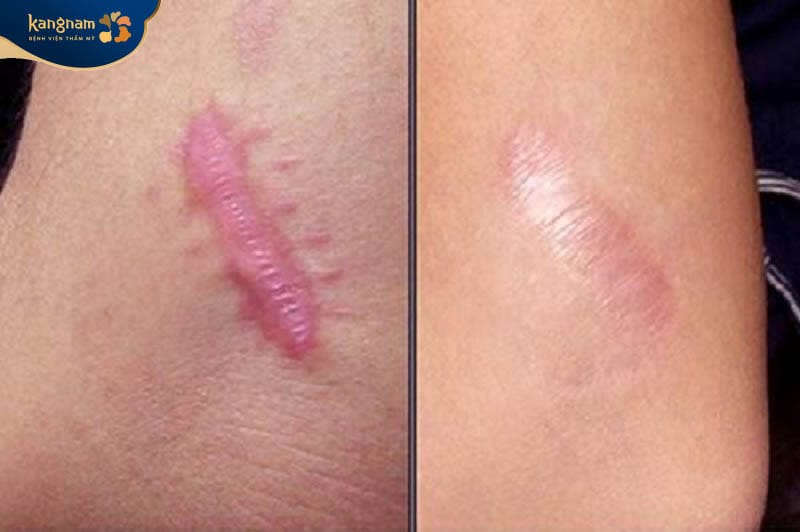
Keloid scars can be treated but cannot be eliminated completely.
However, reducing the appearance of long-standing keloids is still possible when patients follow an appropriate treatment plan. Current treatment methods focus on improving the scar surface, controlling its growth, and preventing its negative effects rather than permanently eliminating the keloid.
Seven methods used to treat long-standing keloids include corticosteroid injections, laser treatment, surgical excision, cryotherapy, radiation therapy, keloid ligation, and gradient compression therapy.
Corticosteroid injection is one of the effective non-surgical treatments for keloid scars. It works by suppressing collagen formation and proliferation, thereby reducing the growth of raised scar tissue.
Corticosteroids also have anti-inflammatory properties and help soothe the affected skin, reducing redness, swelling, and discomfort.
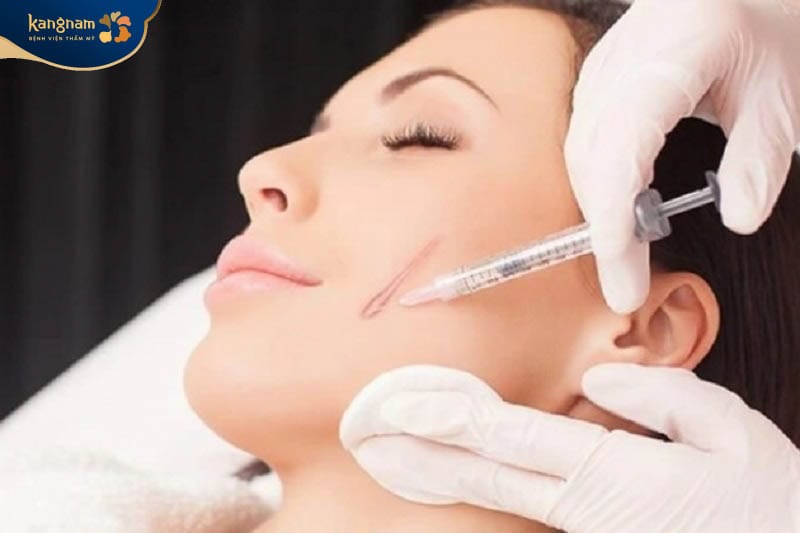
Corticosteroid injections suppress the growth of keloid scars.
After a course of corticosteroid injections, the keloid area generally becomes less pigmented and softer over approximately 6–12 months. However, treatment effectiveness may vary depending on the size and characteristics of each scar.
To maintain the results and continue reducing the prominence of the keloid, patients may need repeat injections every 1–2 months.
Corticosteroid injections are generally used for smaller keloids and are not the optimal solution for every case.
CO₂ lasers and Fraxel lasers are technologies used to treat keloid scars. Laser treatment works by stimulating collagen production and removing scarred layers of skin. More specifically, when laser energy is applied to the scar, it disrupts the blood vessels that supply and support its growth.
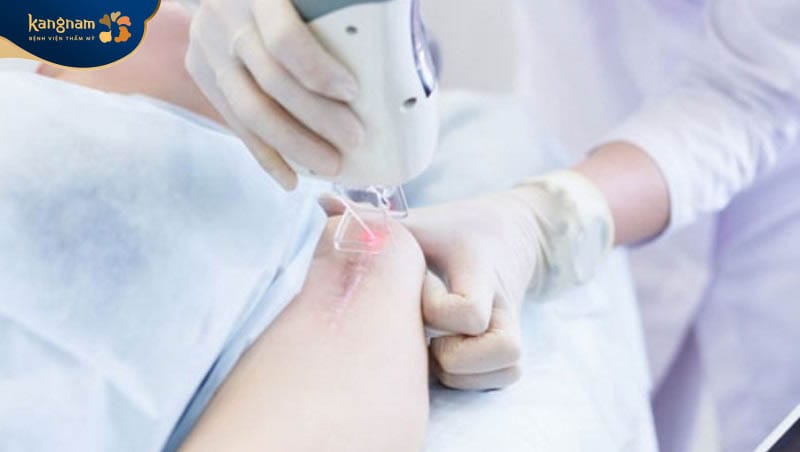
Laser energy helps disrupt the blood vessels supplying the keloid scar.
This process helps inhibit further growth and gradually reduces the size and thickness of the keloid. Laser treatment can also fade the scar’s redness, restoring pigmentation that is closer to the natural skin tone.
To receive laser treatment safely and effectively, patients should choose a reputable aesthetic hospital or dermatology clinic with qualified doctors and modern equipment.
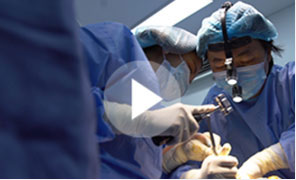
Surgical scar excision is a direct intervention recommended for large and firm keloids. The procedure involves removing part or all of the existing scar tissue.
To reduce the risk of recurrence after surgery, doctors generally combine excision with other supportive treatments, such as corticosteroid injections or radiation therapy.
The main advantage of surgery is that it produces rapid results and can optimally remove raised scar tissue. However, the cost is generally relatively high, and the overall treatment process may be prolonged because additional therapies are required to prevent recurrence.
Surgical excision is generally prioritized for large keloids, with a reported success rate ranging from 60% to 80%.
Cryotherapy using liquid nitrogen treats keloid scars by damaging the blood vessels that nourish the scar. The extremely low temperature causes these blood vessels to constrict and break down, thereby destroying excess fibrous tissue and collagen and inhibiting further keloid growth.
As a result, the scar may flatten and associated dark pigmentation may gradually fade.
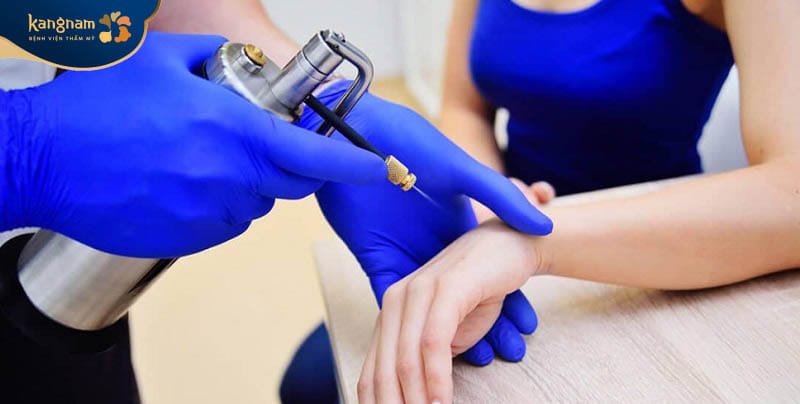
Low temperatures are used to destroy keloid scar tissue.
Although cryotherapy may provide a certain level of effectiveness, it may also cause side effects such as skin blistering or pigmentation changes in the treated area.
Radiation therapy uses radioactive rays to treat keloid scars. It works by inhibiting blood-vessel proliferation within scar tissue and reducing inflammation.
During treatment, radiation is directed at the keloid and affects the capillaries, helping reduce inflammation and soothe skin damage. A radiation treatment course generally includes multiple sessions, with the number and frequency depending on the individual characteristics of the scar and each patient’s response.
Keloid ligation may be selected when surgery is not feasible. The doctor uses a non-absorbable suture, generally nylon, to tightly tie the base of the scar.
The appropriate level of tension creates pressure on the base of the keloid, and the suture needs to be replaced every week. Over time, it gradually tightens, causing the scar base to shrink and eventually fall off.
Gradient compression garments or bandages are designed to provide the highest pressure over the scar, with pressure gradually decreasing farther away from the treatment area.
This pressure helps gradually flatten the raised scar while affecting the capillaries and surrounding tissue to inhibit excessive collagen production.
However, gradient compression needs to be worn continuously for an extended period, generally from several weeks to several months, depending on the characteristics of the scar.
Gradient compression works by applying consistent, gradually decreasing pressure to the keloid, helping control its growth, reduce its appearance, and prevent recurrence. Compression products may include Ace bandages, elastic bandages, Coban compression wraps, ear pressure molds, or supportive tubular bandages. They should be used under the guidance of a healthcare professional.
Topical creams and traditional remedies such as aloe vera, turmeric, and onion may help soften and fade newly formed scars.
However, these methods generally do not produce noticeable results for long-standing keloids because the scar structure has already stabilized and become thicker and firmer.
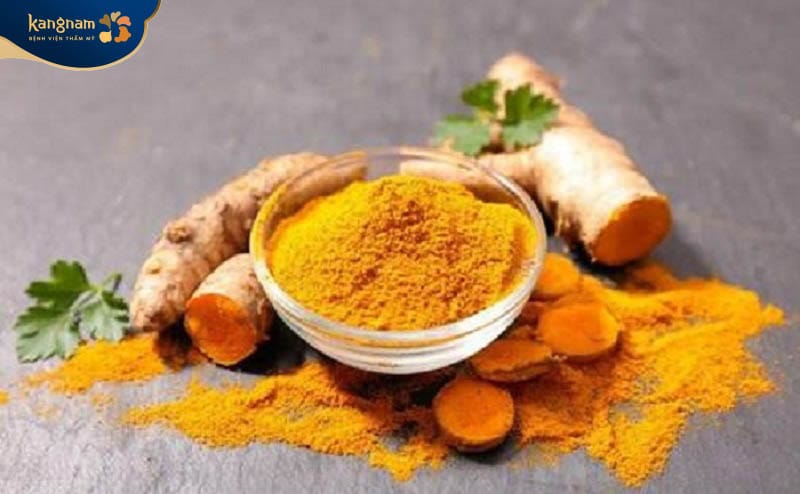
Traditional remedies are generally suitable only for helping prevent keloid formation.
For more noticeable improvement, these methods should be combined with specialized treatments such as laser therapy or scar injections.
In particular, applying traditional remedies without consulting a doctor may irritate the skin or worsen the scar.
Keloid scars may still recur because medical treatments generally only soothe and reduce their size rather than eliminating them completely.
However, following the correct treatment process and providing appropriate post-treatment care can minimize the risk of recurrence.
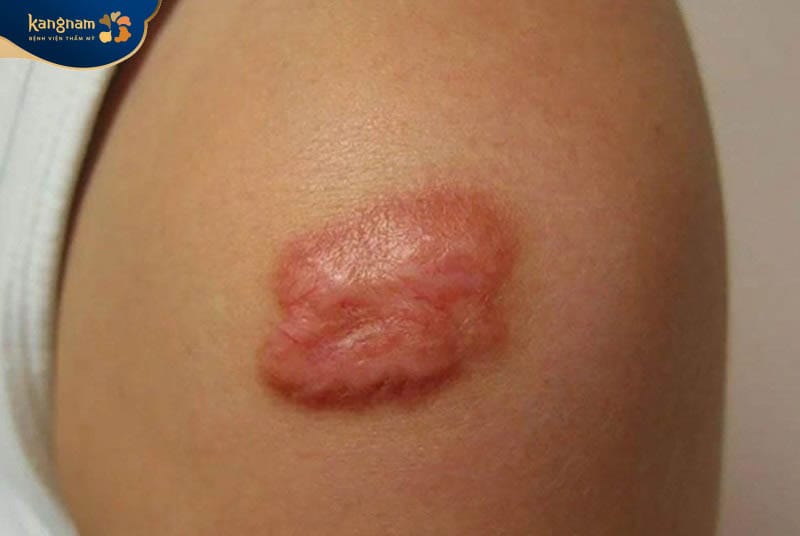
Keloid scars may still recur after treatment.
The cost of treating long-standing keloid scars ranges from $19 to $380 per session, depending on the treatment method, severity of the scar, treatment facility, and number of required sessions.
| Service | Cost per Session (VND) |
|---|---|
| Laser treatment for keloid scars ≤ 1 cm² | ~$30 |
| Laser treatment for keloid scars ≤ 2 cm² | ~$46 |
| Laser treatment for keloid scars ≤ 4 cm² | ~$57 |
| Laser treatment for keloid scars ≤ 8 cm² | ~$76 |
| Laser treatment for keloid scars from 16 cm² to 32 cm² | ~$95 – $114 |
| Laser treatment for large-area scars | ~$190 |
| Corticosteroid injections | ~$19 – $38 |
| Surgical keloid excision | ~$190 – $380 |
The methods above are commonly used to reduce the appearance of long-standing keloid scars. Each person may be suited to a different treatment method. Therefore, it is best to consult a dermatologist for advice on the most appropriate treatment plan.