Date posted: 21-07-2026 | Last updated : 25-07-2026
Abdominoplasty combined with liposuction is an aesthetic solution designed to create a slimmer waist and a more balanced abdominal contour. To help patients understand this procedure more clearly, the following article explains its key benefits, suitable candidates, treatment process, and estimated cost.
Abdominoplasty, commonly known as a tummy tuck, is a surgical procedure performed to improve the shape and appearance of the abdomen.
The procedure may involve:
Abdominoplasty is commonly combined with liposuction to improve the overall result. During the combined procedure, the surgeon removes selected fat deposits and tightens the remaining skin so that the abdomen appears flatter and more proportionate.
The surgical incision is usually positioned low on the abdomen, beneath the bikini line, allowing it to remain concealed beneath most underwear and swimwear.
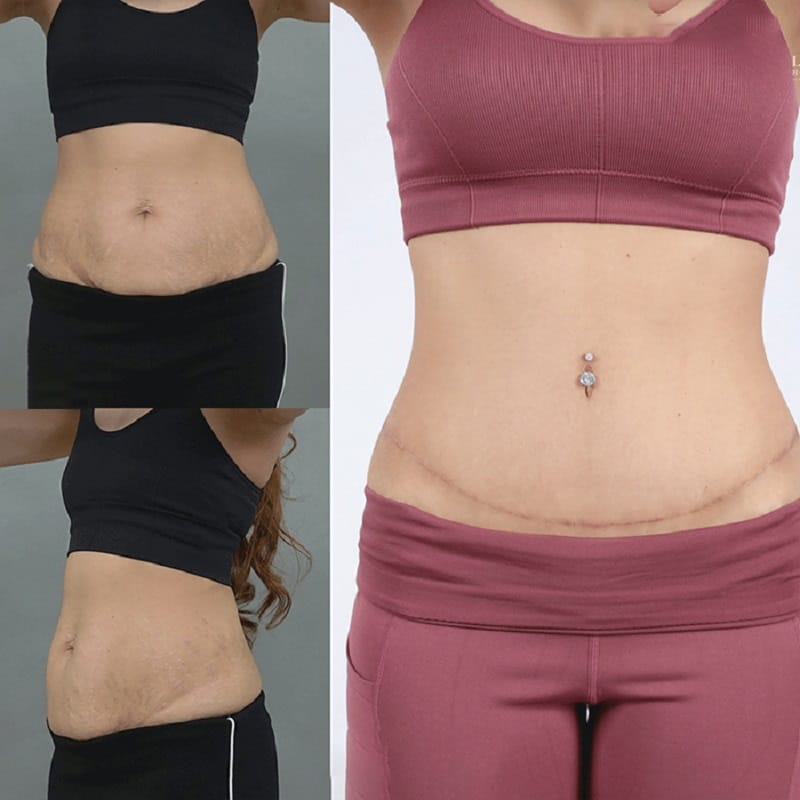
A surgical scar commonly remains beneath the bikini line after abdominoplasty.
Patients who mainly have excess abdominal fat without significant loose skin may be more suitable for abdominal liposuction. Those with loose or wrinkled abdominal skin may require abdominal skin tightening or a full abdominoplasty.
Abdominoplasty may be suitable for adults over the age of 18 who want a flatter abdomen and a more defined waistline.
Potential candidates include people with:
Patients should generally:
Kangnam Aesthetic Hospital provides two primary abdominal-contouring procedures:
The surgeon selects the technique according to the amount of excess skin and fat, muscle condition, and the patient’s desired result.
The operation may take approximately 60–120 minutes or longer, depending on the extent of surgery and whether liposuction is performed at the same time.
| Category | Mini abdominoplasty | Full abdominoplasty |
|---|---|---|
| Suitable candidates | Patients with moderate loose or wrinkled skin in the lower abdomen and relatively little excess fat | Patients with extensive excess skin and fat, severe abdominal laxity, abdominal-wall weakness, or selected hernias |
| Surgical technique | The surgeon removes a selected amount of excess lower-abdominal skin and localised fat. The remaining skin is tightened, and the incision is closed along the bikini line. | The surgeon removes extensive excess skin and fat and may tighten separated abdominal muscles. The navel may be repositioned to create a more balanced abdominal appearance. |
| Treatment area | Mainly the lower abdomen | The upper and lower abdomen |
| Navel repositioning | Usually not required | Commonly required |
| Recovery | Generally shorter than a full abdominoplasty | Usually requires a longer recovery period |
A full abdominoplasty may remove some stretch marks located on the excised lower-abdominal skin. However, it cannot guarantee the complete removal of all stretch marks.
Similarly, the procedure may improve abdominal definition, but it cannot guarantee a visible six-pack in men or a specific body shape in women.
Patients interested in the broader fat-removal process may refer to Kangnam’s Lipo 360 body-contouring technology.
Kangnam’s body-contouring department includes surgeons with experience in abdominal surgery and liposuction. The hospital states that its doctors have undergone professional training in countries such as the United States and South Korea.
Patients should verify the individual surgeon’s qualifications, medical licence, surgical experience, and complication-management protocols before proceeding.
After abdominoplasty, patients receive postoperative monitoring and nutritional guidance to support healing.
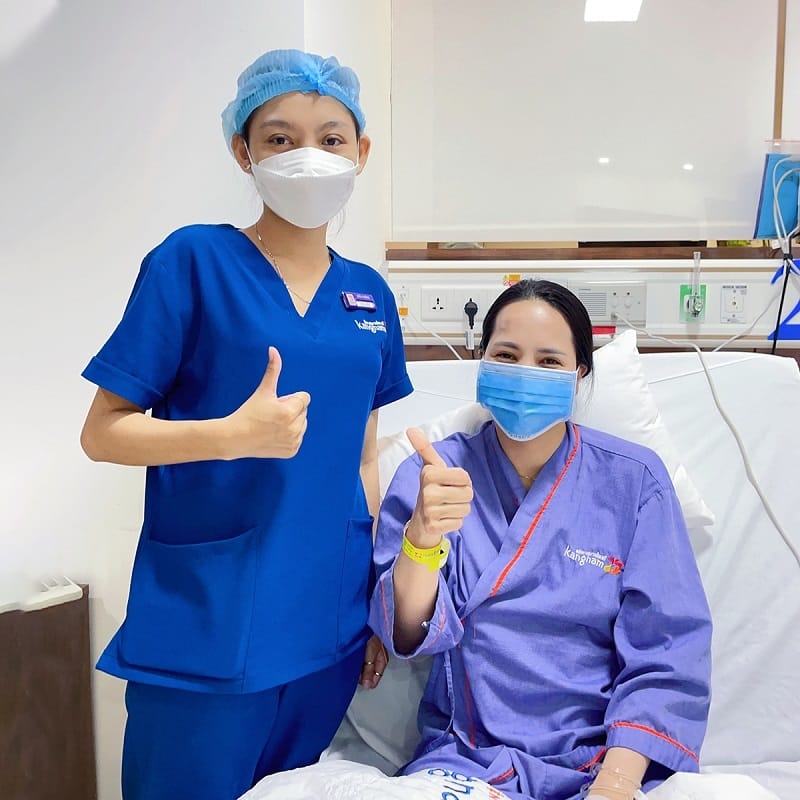
Kangnam provides postoperative monitoring and care following abdominal surgery.
At Kangnam Aesthetic Hospital, abdominoplasty is performed in a controlled surgical environment through a structured six-step process.
The surgeon evaluates:
The doctor then recommends mini abdominoplasty, full abdominoplasty, liposuction, or a combination of procedures.
Patients undergo appropriate preoperative examinations, which may include:
These examinations help determine whether the patient is medically suitable for surgery.
The surgeon marks:
Accurate planning helps improve symmetry and abdominal proportions.
Abdominoplasty is normally performed under general anaesthesia.
The patient’s vital signs are monitored throughout the procedure by qualified anaesthesia personnel.
Depending on the treatment plan, the surgeon may:
Liposuction may help improve the waist and abdominal contours, but it should be performed conservatively to protect the remaining skin’s blood supply.
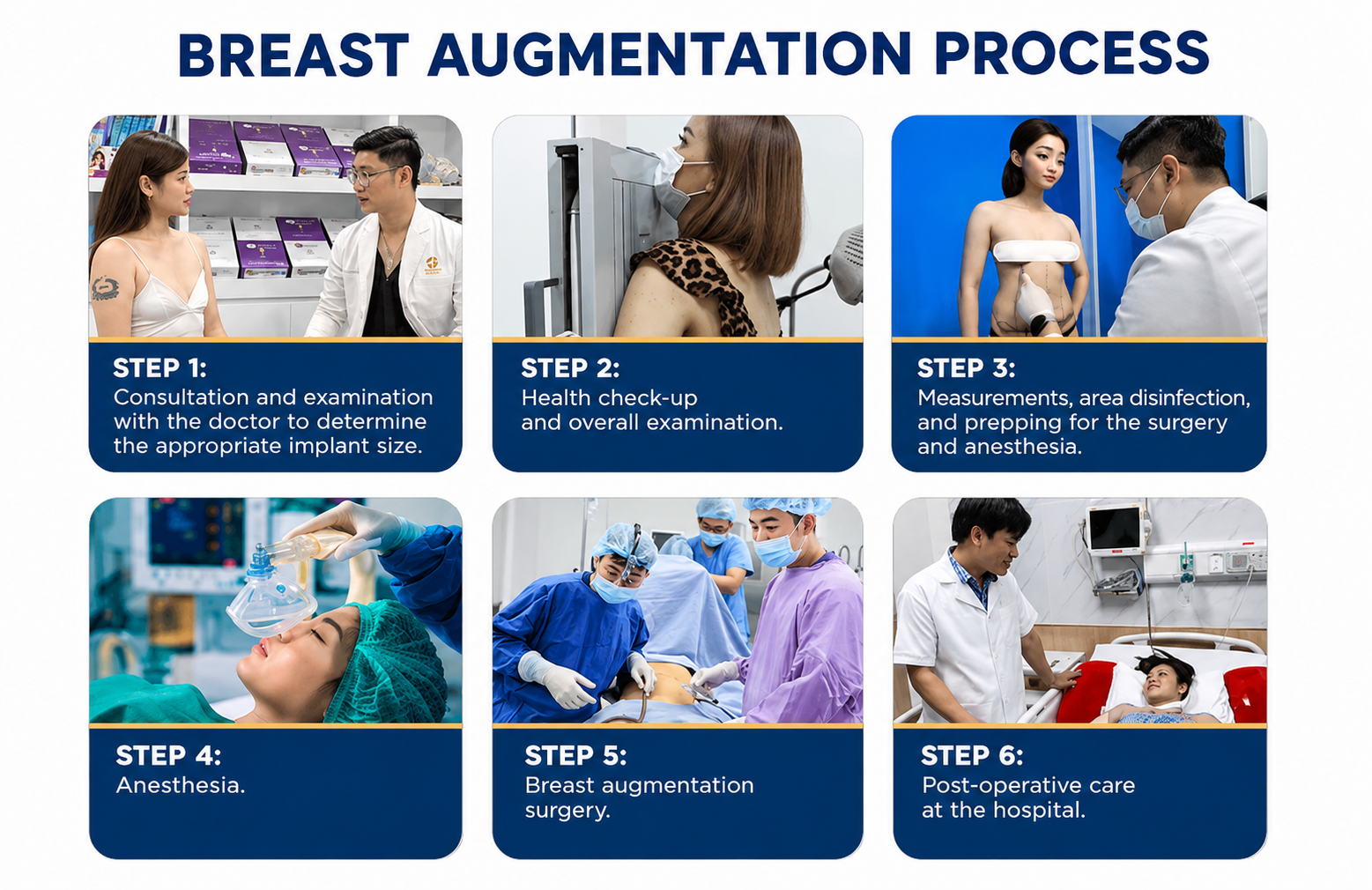
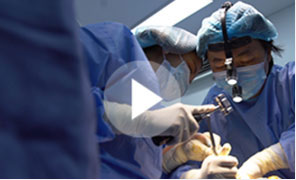
Abdominoplasty at Kangnam follows a structured surgical process.
Further information about surgical fat removal is available in What Is Liposuction?.
After surgery, the patient is transferred to a recovery area for monitoring.
Postoperative care may include:
Recovery varies between patients. Swelling, bruising, tightness, numbness, and temporary difficulty standing completely upright are common during the early recovery period.
The original article presents images of patients who underwent abdominal-contouring surgery at Kangnam.
Reported aesthetic changes include:
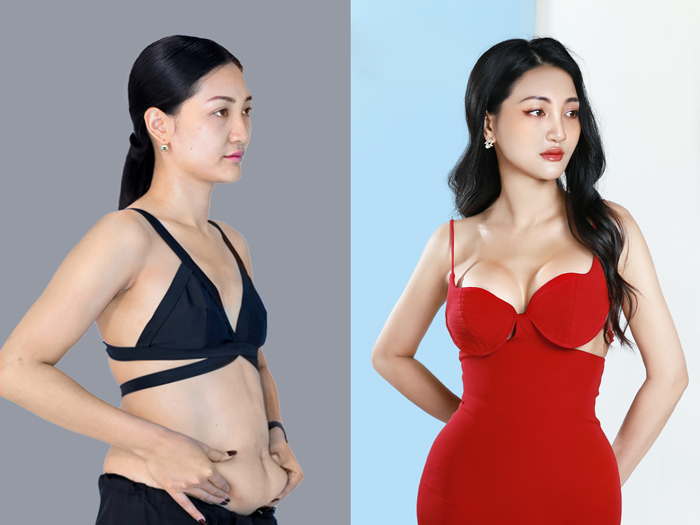
A firmer abdominal contour and slimmer waist after abdominoplasty.
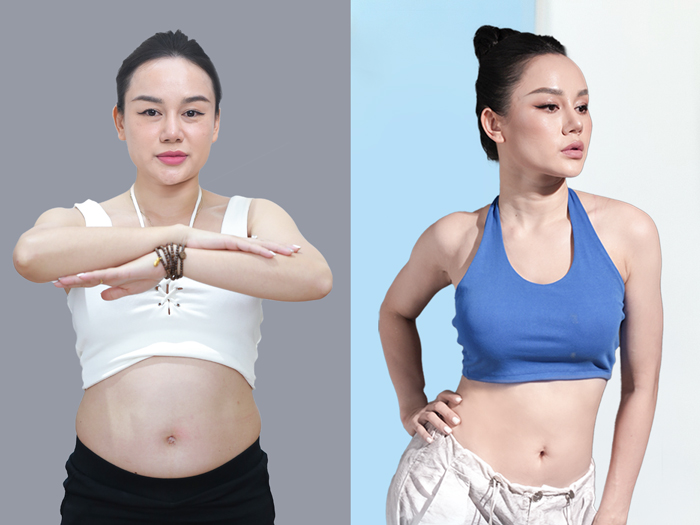
Improved body contours for a patient following pregnancy.
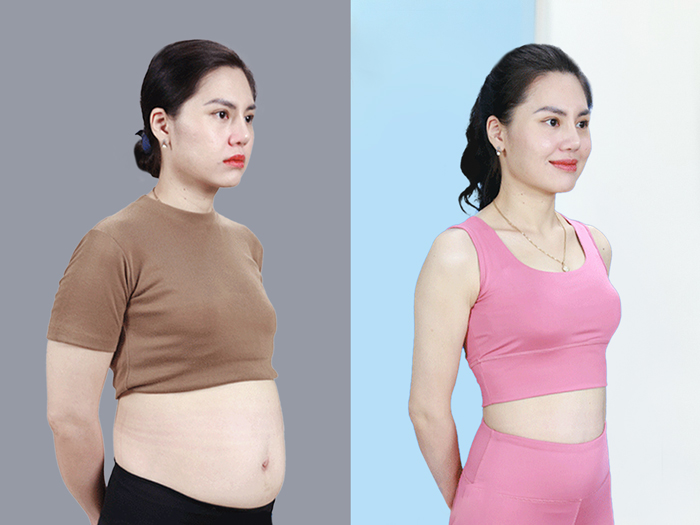
A slimmer abdomen may make it easier to wear different styles of clothing confidently.
Before-and-after images represent individual results and cannot guarantee the same outcome for every patient.
The final result depends on:
Although initial changes are visible after surgery, swelling may take several months to resolve fully.
The cost of abdominoplasty at Kangnam varies according to the surgical technique, amount of excess skin and fat, patient weight, and whether liposuction is included.
The following prices were provided in the original content:
| Service | Approximate cost (USD) |
| Mini abdominoplasty | 1,520 |
| Full abdominoplasty/thigh skin tightening | 2,280 |
| Lipo 360 full-abdomen fat reduction for patients under 60kg | 2,052 |
| Lipo 360 full-abdomen fat reduction for patients weighing 60–70kg | 2,432 |
| Lipo 360 full-abdomen fat reduction for patients weighing 71–80kg | 2,812 |
| Lipo 360 full-abdomen fat reduction for patients weighing over 80kg | 3,571 |
The original USD figures did not consistently match this exchange rate and have therefore been corrected.
The listed price may not include:
Patients should request a written quotation clearly explaining which services are included.
Overseas patients considering surgery may also review information about liposuction facilities in Vietnam before selecting a provider.
Abdominoplasty combined with liposuction can help suitable patients achieve a flatter, firmer abdomen and more defined waistline.
However, it is a major surgical procedure and may involve risks such as:
Patients should select a licensed hospital and an appropriately qualified surgeon, follow all preoperative and postoperative instructions, and maintain a stable weight to preserve the result.
Abdominal Skin Tightening: Methods, Candidates, and Recovery
Abdominal Liposuction in Vietnam for International Patients
What Is Liposuction? Procedure, Cost, and Safety Considerations