Aching One Month After Rhinoplasty: Is It Normal?

Date posted: 21-07-2026 | Last updated : 28-07-2026

What causes nasal pain one month after rhinoplasty? Is it an abnormal sign, and what should patients do to improve the condition? This article provides detailed answers to these common concerns.

I. Is Nasal Pain One Month After Rhinoplasty Normal?

Pain one month after rhinoplasty does not always indicate an abnormal condition.

Although the tissues usually begin to recover during this period, some patients may still experience discomfort. One possible reason is that the nose had significant tissue or skin deficiency before surgery, requiring more extensive surgical correction.

This may place tension on the sensory nerves, which need additional time to recover completely while the nose gradually stabilises.
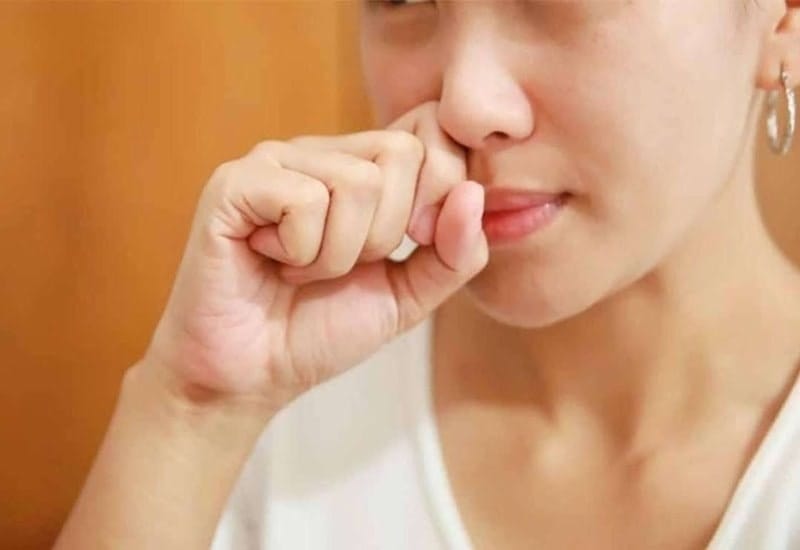
Nasal pain one month after rhinoplasty may not always be an abnormal sign.

Nasal pain one month after rhinoplasty may not always be an abnormal sign.

Patients can learn more about the general recovery process in How Long Does Rhinoplasty Take to Heal?.

II. When Is Pain a Sign of an Abnormal Condition?

Nasal pain is common during the first few weeks after surgery. However, patients should pay attention to signs such as increasing pain, prolonged swelling and redness, or the appearance of unusual fluid or pus.
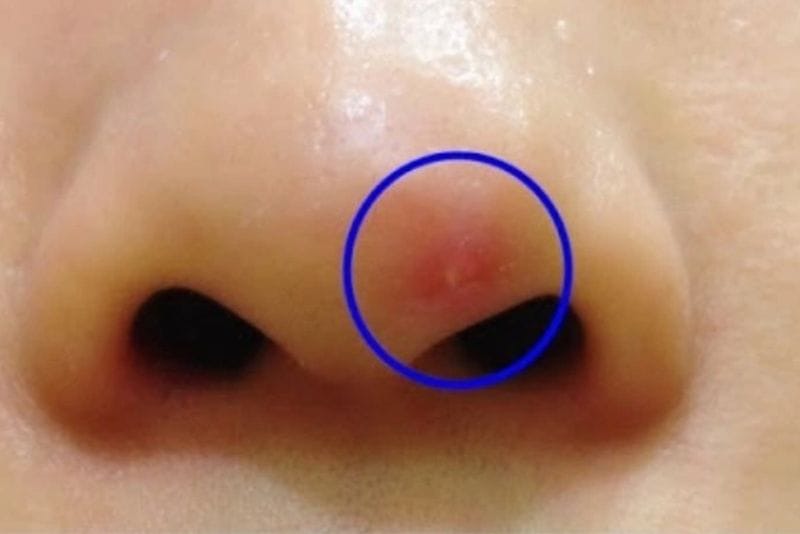
  • Increasing pain: If the pain has not improved after one month and is becoming more severe, patients should undergo an examination for an accurate assessment.
  • Prolonged swelling and redness: Swelling is a common part of the recovery process. However, if the swelling and redness do not decrease, an infection or another complication may have developed.
Complications may occur following rhinoplasty.

Complications may occur following rhinoplasty.

  • Pus or unusual discharge: Yellow or green discharge from the nose may indicate a serious infection. Patients should seek medical examination immediately.

Patients who notice persistent or worsening postoperative symptoms can review Signs of Failed Rhinoplasty.

III. What Causes Pain One Month After Rhinoplasty?

Pain one month after rhinoplasty may be related to the healing process, nasal injury, infection, inflammation, or daily habits.
  • The healing process: After approximately one month, most internal nasal structures have usually started to stabilise. However, some patients may continue to experience pain because the recovery process and individual healing response vary.
  • Reaction to biological implant material: In some cases, the body’s reaction to a biological nasal implant may cause pain or discomfort.
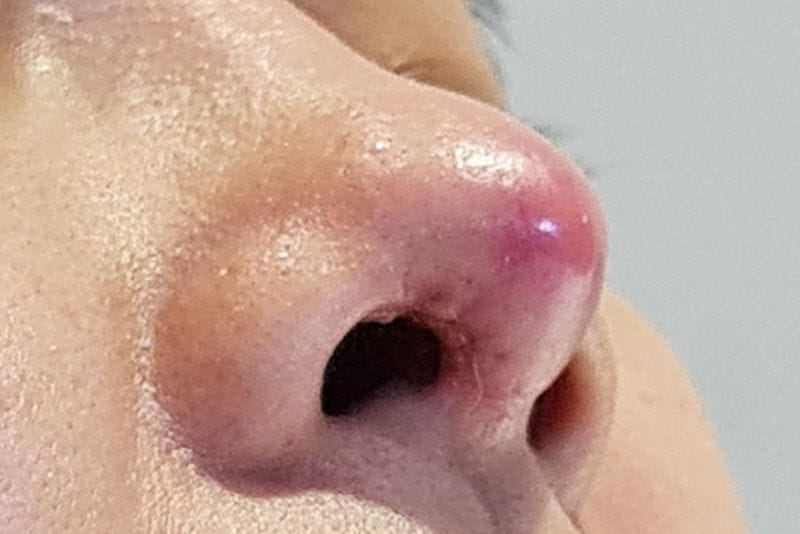
Inflammation or implant exposure may occur after rhinoplasty.
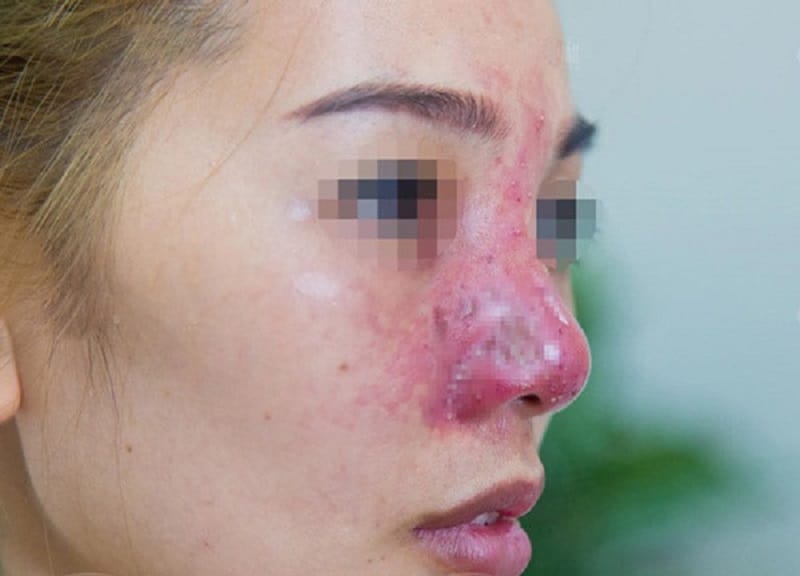
Inflammation or implant exposure may occur after rhinoplasty.

  • Infection or inflammation: An infection or persistent inflammation within the nasal tissues may cause pain. This may be accompanied by swelling, redness, or fluid discharge.
Infection and nasal damage may occur after rhinoplasty.

Infection and nasal damage may occur after rhinoplasty.

  • Daily habits: Minor impacts, frequently touching the nose, or small accidents may injure structures that are still healing and cause prolonged discomfort.

Unsuitable habits such as frequently sleeping on one side, wearing tight glasses, or participating in strenuous sports may also place pressure on the nose and increase pain after rhinoplasty.

Patients should follow the activity restrictions described in Rhinoplasty Aftercare Instructions.

IV. What Should You Do If the Nose Hurts One Month After Rhinoplasty?

When experiencing pain one month after rhinoplasty, patients may follow several measures to reduce discomfort:

  • Attend scheduled follow-up appointments: Follow the doctor’s examination schedule so that the recovery process can be monitored and abnormal signs can be detected early.
A follow-up examination is recommended to assess the speed of recovery.
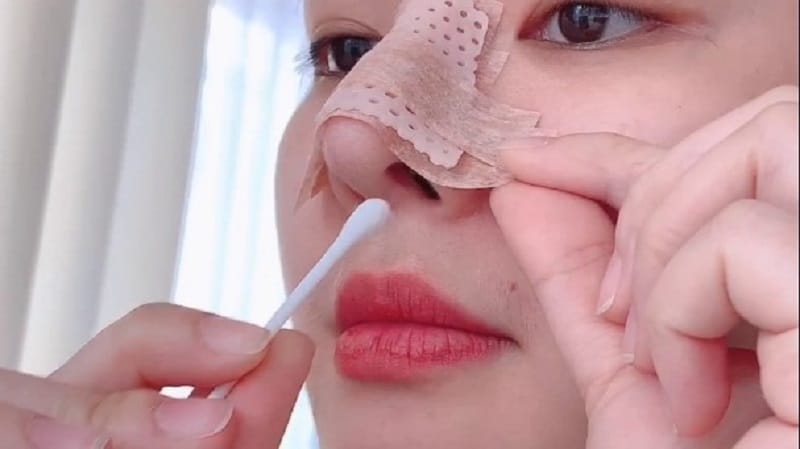
A follow-up examination is recommended to assess the speed of recovery.

  • Take medication as prescribed: Follow the prescribed dosage and duration for pain-relieving or anti-inflammatory medication.
  • Maintain nasal hygiene: Clean the nose correctly with sterile saline and avoid exposure to dust, smoke, or bacteria.
Clean the nose daily with sterile saline as instructed.

Clean the nose daily with sterile saline as instructed.

  • Avoid strong pressure on the nose: Do not wear heavy or tight glasses, massage the nose, or sleep on one side if these activities place pressure on the surgical area.
  • Maintain a nutritious diet: Eat a balanced diet rich in vitamins and minerals to support recovery. Limit heavily processed, oily, or spicy foods if they cause discomfort.
Maintain adequate nutrition to support recovery.

Maintain adequate nutrition to support recovery.

Patients should pay particular attention to symptoms such as pus discharge, high fever, or severe swelling. If these signs occur, they should contact the doctor immediately for examination and timely treatment to prevent further complications.

Pain one month after rhinoplasty may still be part of the healing process. However, patients should carefully monitor accompanying abnormal signs so that potential complications can be identified and treated promptly.

Messenger