Date posted: 22-07-2026 | Last updated : 28-07-2026
Is endoscopic breast augmentation permanent? This is a common question among women researching breast enhancement procedures. In reality, although this method provides long-lasting results and a natural-looking breast shape, endoscopic breast augmentation does not last permanently because breast implants are affected by aging, weight fluctuations, pregnancy, and childbirth. Understanding the lifespan of breast implants and proper postoperative care helps maintain long-lasting, aesthetically pleasing results.
1. Is Endoscopic Breast Augmentation Permanent?
Endoscopic breast augmentation is not permanent, but it can maintain an attractive breast shape for a long time when performed using proper techniques and followed by appropriate care. The average lifespan of breast augmentation results is usually 10–15 years, depending on the implant material, the surgeon’s expertise, and each patient’s individual characteristics.
Over time, natural factors such as aging, weight fluctuations, pregnancy, or breastfeeding may affect the shape of the breasts. In such cases, the surgeon may recommend replacing the breast implants or performing corrective treatment to maintain harmonious and safe aesthetic results.

Breast augmentation provides long-lasting but not permanent results.
2. Factors Affecting the Durability of Breast Implants
The durability of breast implants depends on implant quality, surgical technique, postoperative care, and individual factors such as physical characteristics, aging, and weight fluctuations.
- Breast implant quality: Breast implants manufactured by reputable brands such as Motiva, Mentor, or Allergan generally offer high durability, a strong outer shell, and good elasticity. Implants that have received FDA or CE certification help minimize leakage and deformation and maintain a stable breast shape over the long term.
- Surgical technique: The surgeon’s skills and technique play an important role in placing the breast implants in the correct position, minimizing tissue damage, and preventing complications. When the implants are positioned accurately, the breasts will appear natural and maintain long-lasting results, with a reduced risk of implant displacement or capsular contracture over time.
- Postoperative care: Following postoperative care instructions helps the breast tissue recover quickly and allows the implants to stabilize in the correct position. Patients should continue wearing a compression bra, avoid strong impacts, and attend scheduled follow-up appointments so that any abnormalities can be detected promptly.
- Individual factors: Individual physical characteristics, skin elasticity, aging, weight fluctuations, and pregnancy can all affect the postoperative breast shape. Even when the breast implants remain intact, the surrounding tissue and skin may sag over time, changing the aesthetic result.

Many factors affect the durability of breast augmentation results.
3. Signs That Breast Implants May Need to Be Replaced Earlier Than Expected
Breast implants may need to be replaced earlier than expected if there are signs such as implant rupture, capsular contracture, implant displacement, or other symptoms including persistent pain, swelling and inflammation, a palpable hard lump, or sudden changes in breast shape or size. These signs may indicate complications and require prompt medical examination and treatment.
- Breast implant rupture: A leaking breast implant may cause one breast to deflate, lose fullness, or change shape noticeably. With silicone implants, leakage may occur more silently and may only be detected through MRI or ultrasound imaging.
- Capsular contracture: This occurs when the fibrous tissue surrounding the breast implant contracts excessively, causing the breast to become firm, painful, and deformed. In severe cases, the breasts may appear distorted, displaced, or noticeably asymmetrical.
- Breast implant displacement: A breast implant may shift to one side, move downward, or rise too high because of weakened supporting tissue or a strong impact. In such cases, the breasts become asymmetrical, and the nipple is no longer positioned in the center.
- Persistent pain or swelling and inflammation: Pain, a burning sensation, or swelling that persists for several weeks may indicate infection or an abnormal reaction around the breast implant. An early examination is necessary to prevent complications.
- A palpable hard lump or changes in breast shape: When the tissue surrounding the implant forms a firm mass or the breast changes abnormally in size or shape, this may indicate capsular contracture, implant rupture, or fluid accumulation. Early examination helps identify the cause and allows timely treatment.
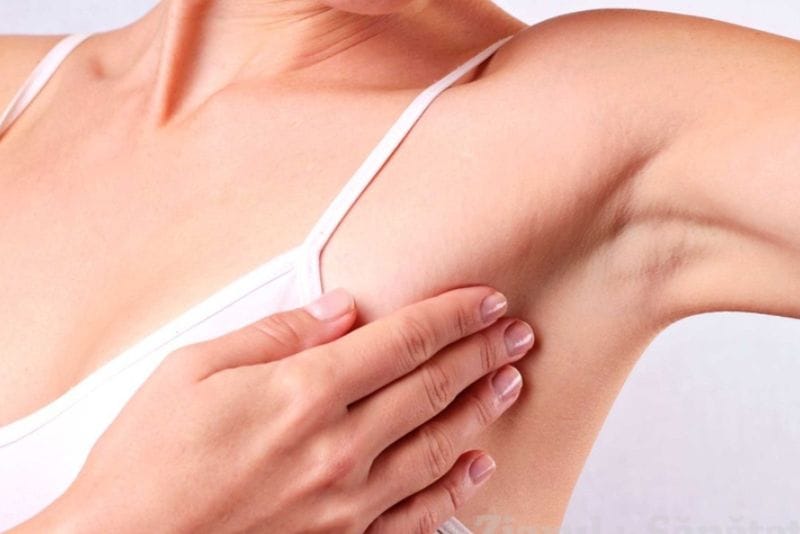
A palpable hard lump after breast augmentation requires an early medical examination.
4. How Can Breast Augmentation Results Be Maintained Long-Term?
To maintain breast augmentation results over the long term, patients should choose an appropriate method and high-quality breast implants, undergo surgery at a reputable facility, strictly follow postoperative care instructions, and maintain a healthy lifestyle.
- Choose an appropriate method: Each patient has a different breast structure, level of skin elasticity, and aesthetic preference. Therefore, selecting an appropriate breast augmentation technique helps create a harmonious, natural-looking breast shape and maintain long-lasting results. A thorough examination with the surgeon before surgery is necessary to ensure stable results over time.
- Use high-quality breast implants: Genuine breast implants from reputable brands such as Motiva and Mentor provide good elasticity, durability, and compatibility with the body. Choosing the appropriate implant helps reduce the risk of rupture and capsular contracture and may extend the average implant lifespan to 15–20 years.
- Undergo surgery at a reputable facility: Breast augmentation is major surgery and should be performed at a licensed hospital with modern equipment and a team of experienced specialist surgeons. A facility that meets medical standards not only ensures safety during surgery but also minimizes postoperative risks and complications.
- Follow postoperative care instructions: Wearing a compression bra, keeping the incision clean, avoiding strenuous activity, and attending scheduled follow-up appointments are important for allowing the breast implants to stabilize. Following the surgeon’s instructions helps the wound heal quickly, allows the breasts to settle into an attractive shape, and maintains long-lasting results.
- Maintain a healthy lifestyle: Maintaining regular daily habits, avoiding smoking, limiting alcohol consumption, and keeping a stable body weight help the breast tissue and skin remain firmer. A nutritious diet combined with gentle exercise also supports blood circulation and helps preserve the durability and natural beauty of the breasts.
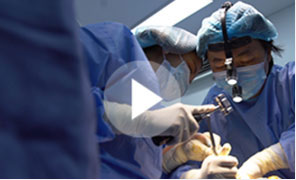
Many overseas Vietnamese patients trust Kangnam Aesthetic Hospital for 6D endoscopic breast augmentation to achieve natural-looking breasts with long-lasting results. 6D breast augmentation is a modern technology that helps minimize tissue damage, reduce swelling and pain, and support recovery twice as fast while keeping the breast implants stable over time. Kangnam uses premium breast implant lines such as Motiva and Nano Chip Ergonomix, which offer exceptional elasticity and a lifespan of several decades, ensuring long-term safety and aesthetic results.
The entire surgical procedure is performed directly by body-contouring surgeons with more than 15 years of experience and is combined with comprehensive postoperative care to help patients recover quickly. As a result, Kangnam has become a reputable breast augmentation provider trusted by many overseas Vietnamese patients seeking to preserve long-lasting beauty.
Are Breast Implants Permanent?
Breast Augmentation Complications
How Long Until Breasts Look Natural?