
Date posted: 21-07-2026 | Last updated : 25-07-2026
Dermal filler injections are cosmetic treatments used to improve certain facial or body concerns. However, can filler be injected during pregnancy, and could it affect the mother or baby? What should you do if you only discover that you are pregnant after receiving filler? The answers are explained below.
Pregnant women should not undergo dermal filler injections.
Although filler injection is a minimally invasive procedure, all elective aesthetic treatments should be carefully considered during pregnancy. At present, there is insufficient scientific evidence to confirm that dermal fillers are safe for both the pregnant patient and the developing fetus.
For this reason, most medical practitioners recommend postponing filler injections until after pregnancy.
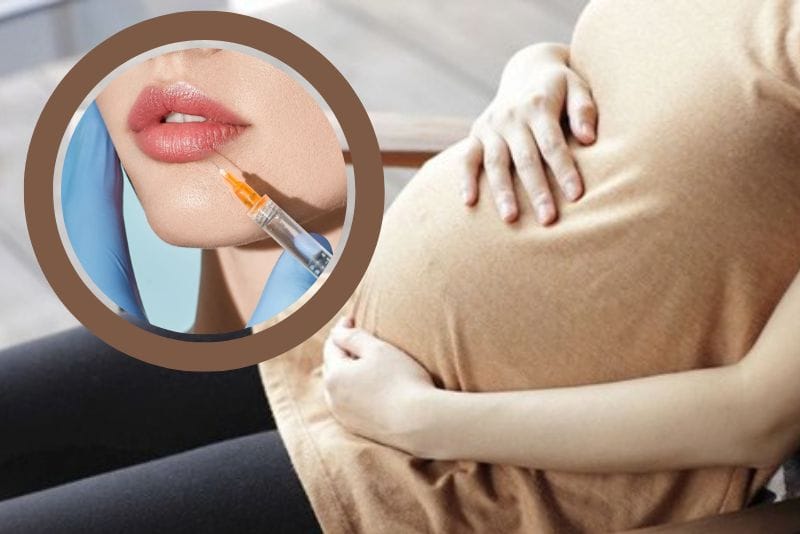
Pregnant women should avoid dermal filler injections.
Filler injections are generally not recommended during pregnancy because of concerns relating to infection, complications, allergic reactions, and physiological changes.
During pregnancy, the immune system undergoes changes. If an infection or complication occurs after filler injection, the condition may be more difficult to manage because some medications or medical interventions may not be suitable during pregnancy.
Although uncommon, some patients may develop a reaction to:
An allergic reaction may require medication or emergency treatment, which is another reason elective filler injections are usually postponed during pregnancy.
Pregnancy causes significant changes in:
These changes may affect how the body responds to filler and may produce an unpredictable or unsatisfactory aesthetic result.
Swelling caused by pregnancy may also make it difficult for the doctor to assess the patient’s true facial contours and determine the appropriate filler volume
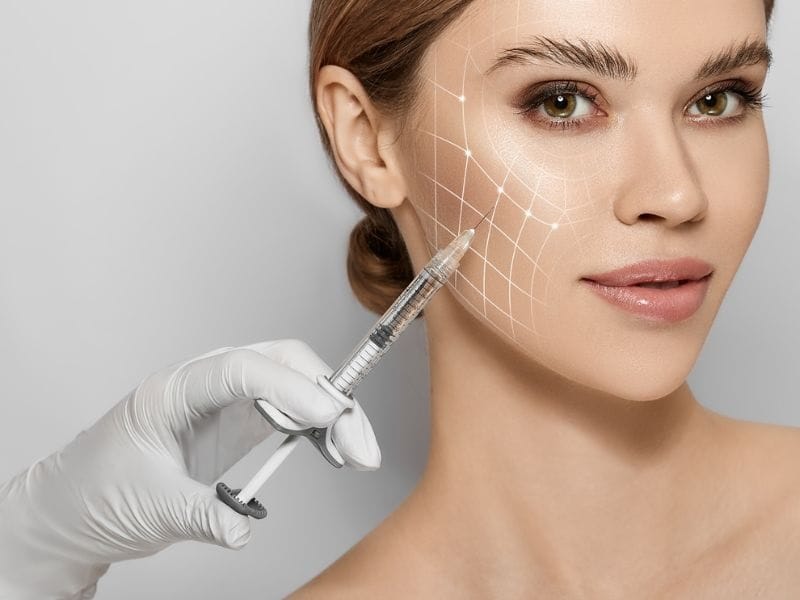
Hormonal changes during pregnancy may affect the body’s response to filler treatment.
If you received filler before discovering that you were pregnant, inform your obstetrician or healthcare provider as soon as possible.
You should provide the following information when available:
Many commonly used fillers are gradually broken down by the body. Receiving filler before knowing that you were pregnant does not automatically mean that harm has occurred.
If there are no unusual symptoms, the patient may simply need to:
Seek prompt medical advice if you experience symptoms such as:
Headache, dizziness, or nausea may also be associated with pregnancy and do not necessarily indicate a filler complication. A doctor should assess the symptoms and determine the appropriate cause and treatment.
Patients should not automatically undergo filler-dissolving treatment solely because they discover they are pregnant. Hyaluronidase should only be used when medically indicated and after consultation with the relevant doctors.
Women may consider filler treatment after childbirth once their health, hormone levels, and facial tissues have become more stable.
The original recommendation is to wait approximately six months after delivery. However, there is no single waiting period that is appropriate for every patient.
The timing depends on:
For patients who are breastfeeding, many practitioners recommend postponing elective filler treatment until breastfeeding has ended because safety data remain limited.

Patients may be advised to wait until breastfeeding has ended before receiving filler.
Breastfeeding and postpartum hormonal changes may also affect:
In all cases, patients should consult a qualified aesthetic doctor before receiving filler after childbirth. The doctor should review the patient’s health, breastfeeding status, medication use, and treatment goals before confirming whether filler injection is appropriate.
Can You Get Filler While Pregnant?