Date posted: 17-07-2026 | Last updated : 17-07-2026
How long gluteal fat grafting lasts and whether the grafted fat reabsorbs after the procedure are questions that many women are highly concerned about. This article will dive deep into answering common questions regarding the longevity of fat grafted into the buttocks.
Typically, autologous fat grafting for buttock augmentation stabilizes after 3 to 4 months and can be maintained for more than 10 years. However, a portion of the grafted fat cells will be reabsorbed by the body over time, with the rate fluctuating between 20% and 30% depending on each individual’s physical traits and post-operative care regimen. The remaining fat will continue to grow and stimulate collagen production, making the buttock area firmer, fuller, and more attractive.
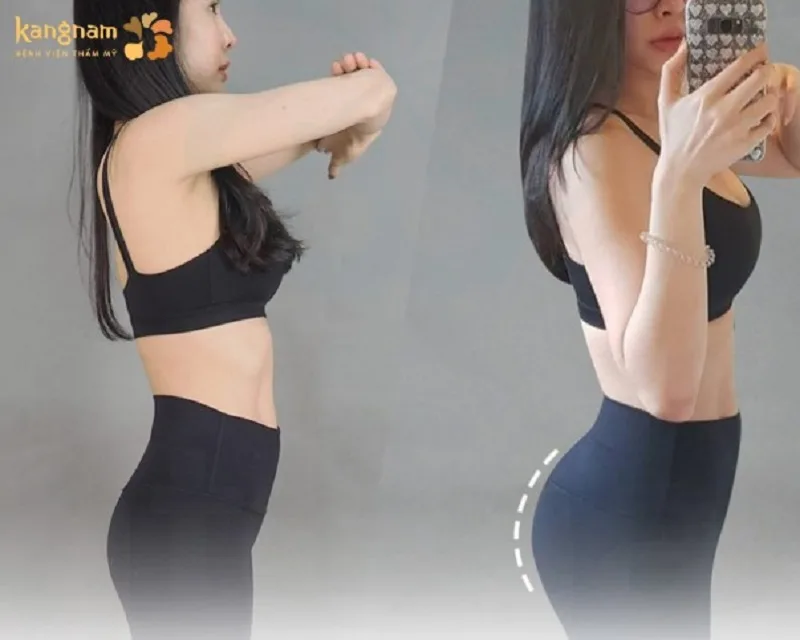
Accordingly, a portion of the grafted fat will reabsorb during the initial stage. At the same time, the portion of fat that survives will exist long-term and adapt to the body. Nevertheless, over time, due to the aging process and weight fluctuations, the volume of fat in the buttocks can decrease.
Therefore, after about 6 months to 1 year, the doctor will conduct an examination, evaluate the percentage of autologous fat that has shrunk, and prescribe a touch-up injection to maintain the long-term effectiveness.
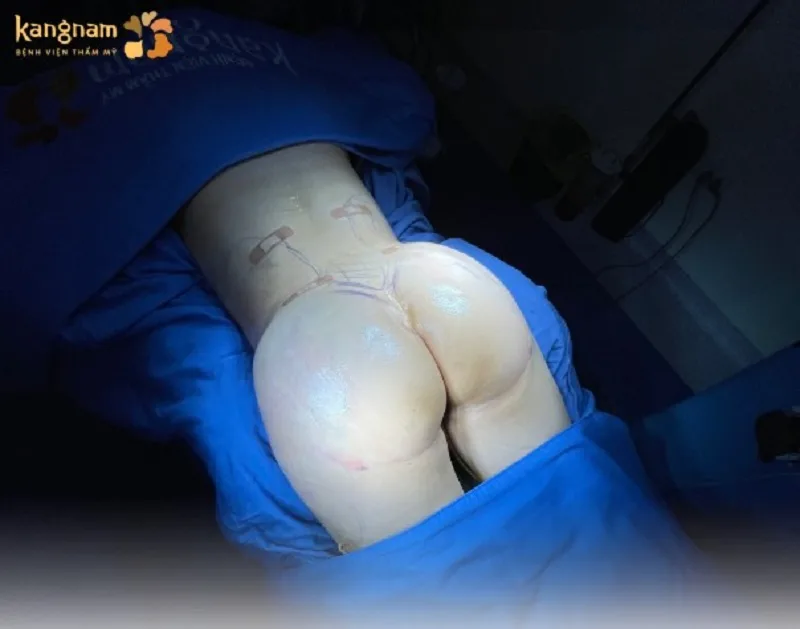
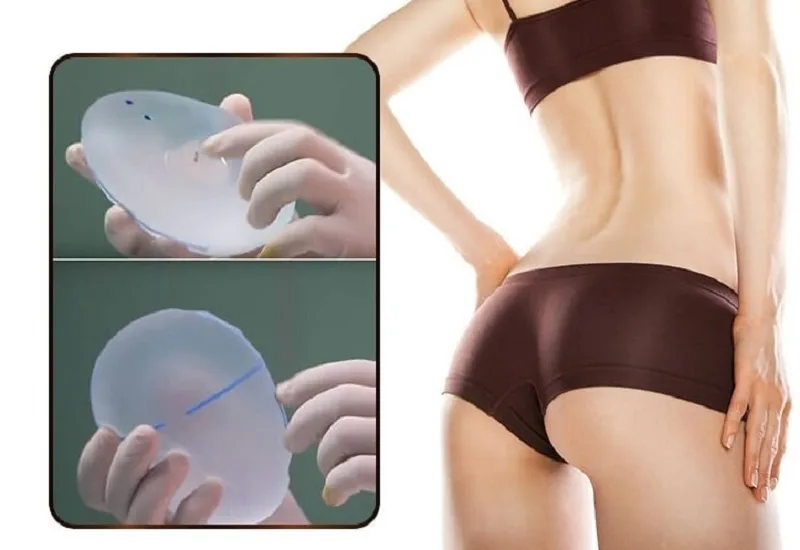
Comparing longevity, the buttock implant method is generally evaluated to have a more stable lifespan. Medical silicone implants can maintain the shape and size of the buttocks for around 10 to 15 years, or even longer depending on the quality of the implants and each individual’s physical traits. However, this method carries potential risks of capsular contracture, implant displacement, or the need for surgical replacement after a certain period.
Conversely, gluteal fat grafting delivers a more natural beauty and eliminates concerns regarding complications associated with synthetic materials. Although it may initially require time for the fat to stabilize and be maintained, if the volume of surviving fat is good, the results can last long-term. A key point to note is that weight changes will affect both the grafted fat and natural fat, whereas implants are less impacted by this factor.
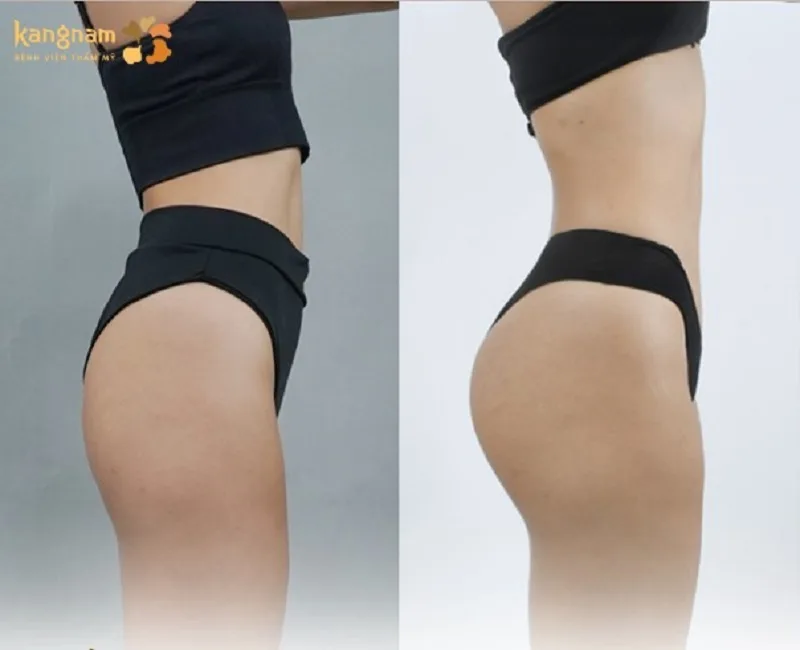
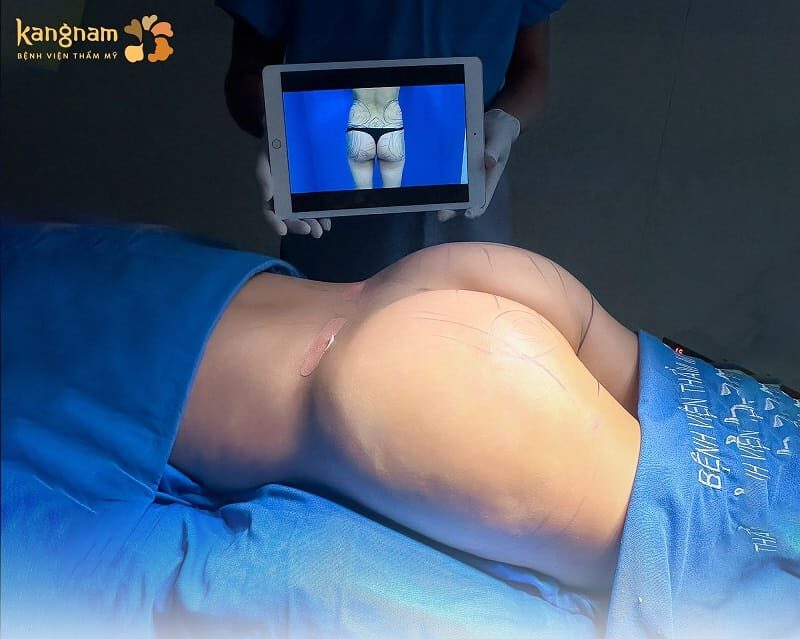
In recent years, autologous BioFat grafting for the buttocks at Kangnam Aesthetic Hospital has become a beauty trend chosen by a large number of overseas Vietnamese. This method utilizes autologous fat extracted directly from the client’s own body, which is then processed using modern BioFat centrifugation technology to select healthy, pure fat cells before grafting them into the area that needs to be filled.
The defining difference of BioFat grafting is the combination of regenerative cells/growth factors, which increases the fat survival rate and stimulates the production of collagen and elastin to provide smooth, firm skin and long-term stable maintenance. This method is flexibly applied to many areas such as the forehead, temples, nasolabial folds, eye sockets, full face, as well as the buttocks, hip dips, hands, calves, knees… meeting the natural contouring and rejuvenation needs of overseas Vietnamese clients.
Exclusive Privileges for Overseas Vietnamese When Undergoing BioFat Grafting at Kangnam:
1-on-1 online consultation with the doctor before returning to the country, developing a personalized treatment regimen.

To maintain the survival capability and long-term aesthetic results after gluteal fat grafting, clients must strictly adhere to the doctor’s instructions, specifically as follows:

Gluteal fat grafting is typically a suitable choice for the following individuals:
However, the decision on which method to choose should still be based on a direct consultation with a specialized doctor, who will evaluate the health status, body shape, and desires of each person to provide the most appropriate advice.