Date posted: 17-07-2026 | Last updated : 17-07-2026
How long orbital fat grafting takes to stabilize is a common question among many clients who wish to improve deep, hollow, and tired-looking eye areas to achieve a more youthful appearance. In the article below, the doctors of Kangnam Aesthetic Hospital will provide a detailed explanation of the recovery timeline and proper post-treatment care.
I/ How Long Does Orbital Fat Grafting Take to Stabilize?
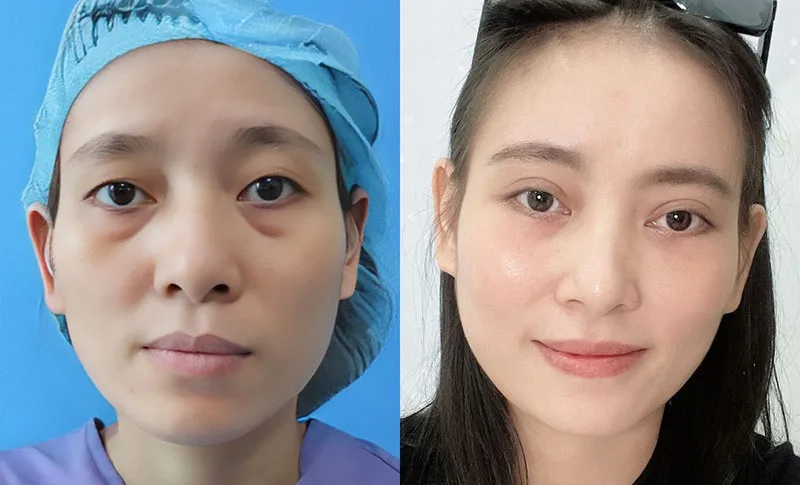
Orbital fat grafting typically stabilizes within approximately 2 to 3 weeks following the procedure. The majority of clients can feel that the grafted fat becomes filled and naturally soft after this period. During the initial phase, mild swelling, bruising, and a feeling of tightness around the eye area may occur, but these symptoms will gradually decrease over time.
- During the first 7 to 10 days: The eye area may still experience swelling, but this does not significantly affect the client’s daily activities.
- From the second week onward: The autologous fat integrates into the surrounding tissue, delivering a visible and more stable filling effect.
- Long-term results: The effectiveness of orbital fat grafting is maintained long-term thanks to meticulously selected, healthy fat cells, helping the skin around the eyes become smooth and more youthful.
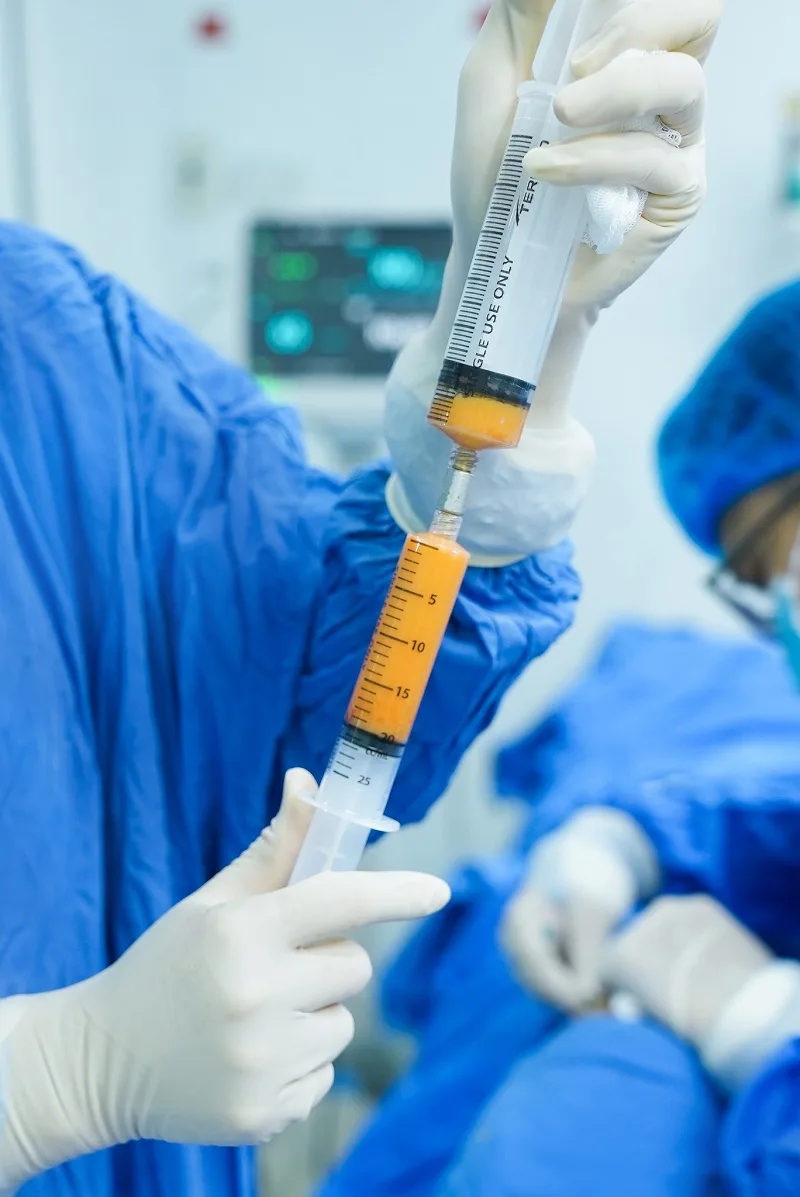
At Kangnam Aesthetic Hospital, the regenerative BioFat grafting procedure is performed in accordance with the standards of the Ministry of Health. Utilizing sterile operating rooms and modern fat cell processing technology helps ensure safety and long-term stable results for clients.
II/ Which Factors Affect the Rate of Stabilization?
The speed at which the fat stabilizes after grafting depends on the technique performed, the quality of the fat cells, post-treatment care, and each individual client’s physical traits.
- Quality of the fat cells used: Healthy fat cells that have been thoroughly processed and screened will survive longer and integrate more rapidly.
- The doctor’s technique: Highly experienced doctors applying medical-standard grafting techniques help distribute the fat evenly, minimize tissue trauma, and increase the survival rate of the fat.
- Post-operative care: Complying with the doctor’s care instructions, avoiding heavy impacts on the eye area, and using medications to reduce swelling in the correct dosage helps shorten the recovery time after fat grafting.
- Individual physical traits: Some individuals with good healing capacities recover quickly and achieve early fat stabilization, whereas others may require more time due to specific skin and muscle tissue characteristics.
III/ Are There Any Abnormal Signs After Fat Grafting?
After fat grafting, certain abnormal signs may occur, such as infection, fat clumping, or complications related to local/general anesthesia. Therefore, clients need to pay close attention to the following abnormal signs for timely intervention:
- Excessive swelling and puffiness that lasts for more than 2 weeks without any sign of improvement.
- Unusually intense pain, redness, localized heat, signs of suppuration (pus formation), or abnormal discharge.
- Persistent numbness or loss of sensation in the eye area.
- Fat clumping, lack of softness, or displacement of the fat after recovery.
- Immediate adverse reactions following anesthesia, such as drug allergies, high fever, difficulty breathing, or any other unusual symptoms.
- Although scars from fat grafting are typically tiny and hard to notice, clients need to be examined if the scar is large, painful, swollen, or discharging fluid.
- The appearance of hard lumps under the skin in the grafted area, which can be a sign of granulomas (chronic inflammation) or fat calcification, requiring evaluation and treatment by a doctor.
- The grafted fat fails to integrate uniformly with the surrounding tissues, causing unevenness, depression, or an unnatural facial expression.
- If encountering any of the above signs, clients should immediately contact their treating doctor to be examined and treated in a timely manner.
IV/ How to Help Fat Stabilize Quickly and Last Long?
To help the grafted fat in the orbital area stabilize quickly and achieve long-lasting efficacy, clients should strictly adhere to the doctor’s guidelines, rest properly, take prescribed medications, maintain a healthy lifestyle, and select a reputable aesthetic facility.
- Comply with post-operative care instructions, such as avoiding scratching or rubbing the eye area, and refraining from strong impacts that could damage the newly grafted fat.
- Maintain a proper rest schedule and avoid strenuous work or stress to provide the body with optimal conditions for recovery.
- Take medications and attend follow-up check-ups as prescribed by the doctor; using anti-inflammatory and swelling-reduction medications throughout the correct course helps reduce fluid retention more quickly.
- Avoid direct exposure to sunlight and refrain from using cosmetics on the eye area during the initial period to prevent irritation and negative impacts on the results.
- Maintain a healthy lifestyle with a well-balanced diet, supplementing with vitamins and minerals to keep the skin around the eyes healthy and support the long-term survival of the autologous fat.

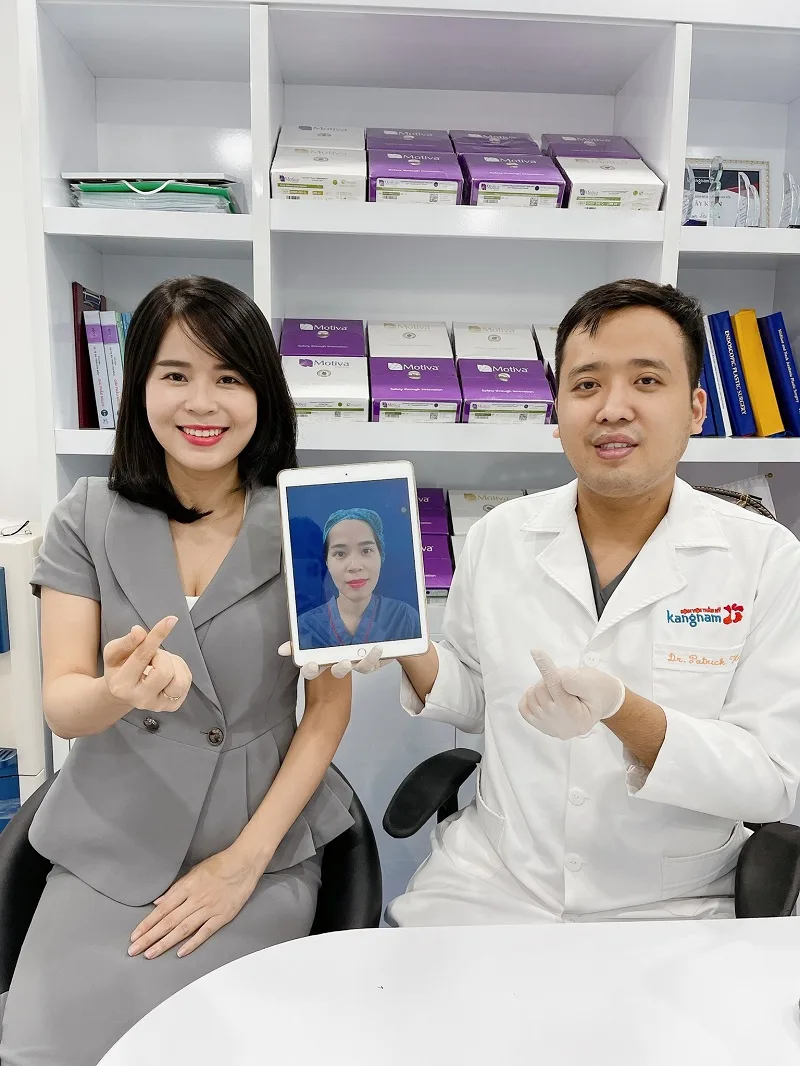
Choosing a reputable aesthetic institution with a medical-standard fat grafting process and highly specialized doctors—such as Kangnam Aesthetic Hospital—will ensure optimal efficacy, safety, and the fastest recovery time.
Orbital fat grafting is an effective filling solution that helps clients possess a youthful, bright, and naturally radiant eye area. The fat stabilizes noticeably after about 2 to 3 weeks, during which the factors of technique, care, and individual physical traits play an important role.
At Kangnam, the regenerative BioFat grafting service incorporates modern technology, a medical team with more than 10 years of experience, and a medical-standard process to ensure safety and long-term effectiveness, giving clients peace of mind regarding the results.
If you still have concerns about the recovery time, procedure, or cost of orbital fat grafting, contact Kangnam immediately for detailed advice and to schedule a free consultation.