Date posted: 17-07-2026 | Last updated : 17-07-2026
Whether autologous fat grafting lasts permanently is a topic receiving significant interest on cosmetic surgery forums today. A thorough understanding of the actual efficacy will help equip clients with the necessary knowledge before undergoing this procedure.
Autologous fat grafting cannot be maintained permanently. Within approximately the first 6 months, the body will automatically reject 30–50% of the transplanted fat volume. After 12 months, only about 50–70% of the fat cells survive and continue to proliferate, helping to maintain a youthful appearance. However, over time, the body’s natural aging process will cause this fat volume to gradually diminish. Typically, the fat grafting results stabilize after 3–4 months and remain stable for about 1–5 years, depending on each individual’s physical constitution and aftercare routine.
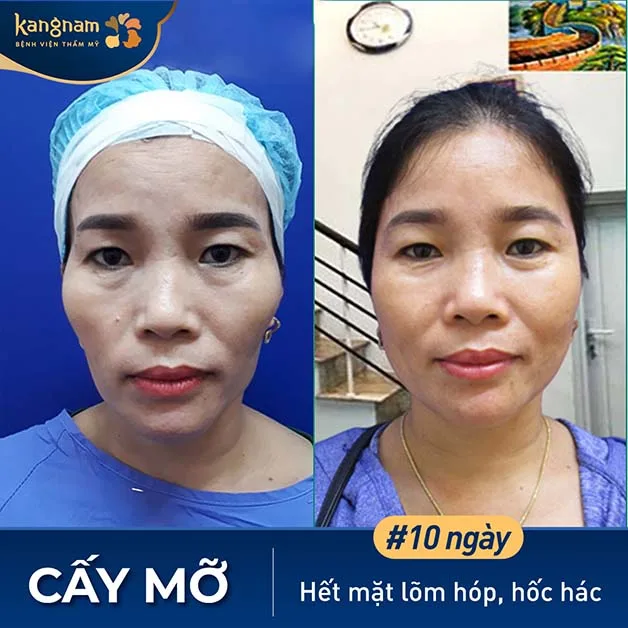
Fat cannot be 100% retained after being injected into the body because when transferred to a new position, not all fat cells can adapt and grow. In the initial phase, about 30–50% of the grafted fat volume will be rejected by the body due to the lack of a nourishing blood supply. Only the fat cells that survive and adapt well will continue to proliferate and exist long-term.
Additionally, factors such as physical constitution, immune resistance, the doctor’s skill, and the quality of the grafted fat also affect the survival rate of the fat. Therefore, the fat will gradually decrease after grafting and cannot be completely maintained at 100% of its initial state.
For autologous fat to achieve longevity and maintain aesthetic results after grafting, there are several crucial factors playing a decisive role:
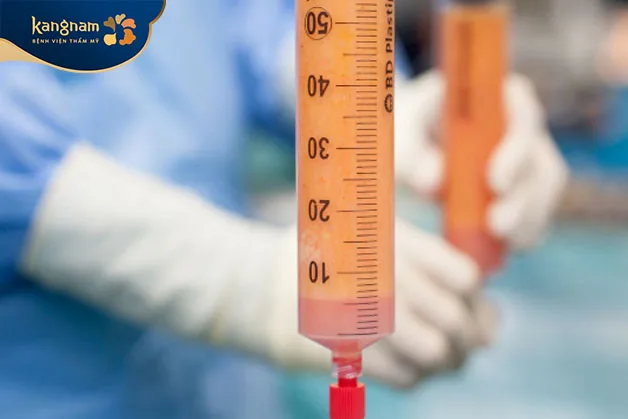
To maintain fat grafting results long-term, the individual needs to undergo periodic fat grafting procedures. A touch-up session (after 3–6 months) helps supplement the fat volume that has diminished, creating conditions for the remaining fat cells to adapt and receive a better blood supply, thereby increasing the survival rate and prolonging the aesthetic effect. The number of re-injection sessions depends on each person’s physical constitution, grafting location, grafting technique, and personal desires.
Whether autologous fat grafting lasts permanently is an issue that must be clearly understood to make correct aesthetic decisions. Although this method does not bring permanent results, with advanced techniques and proper care, you can still maintain long-lasting and stable outcomes.