Date posted: 31-12-2025 | Last updated : 11-07-2026
The nose typically begins to settle into shape within 1–3 months, once swelling has largely gone down and the tissues, skin, and nasal framework have stabilized. During the first 7–10 days, swelling decreases significantly and stitches can usually be removed. After about 1 month, the basic nose shape is relatively stable. However, for a softer feel and the most natural-looking final result, it may take 3–6 months as the tissues fully adapt.
I – How long does it take for the nose to settle after rhinoplasty?
Rhinoplasty settling timeline by stages:
- Days 1–2: Mild swelling and bruising around the tip are normal after surgery, as blood and fluid temporarily collect in the treated area.
- Days 7–10: Swelling gradually decreases, the nasal tip feels less firm, and the incision becomes dry and heals. This is often when stitches can be removed and the splint can be taken off, marking the start of the shaping/settling phase.
- 1 month: Swelling is noticeably reduced; the tip begins to refine but may still feel slightly firm and look a bit larger than normal. Soft tissues are improving but not fully stable yet.
- 1–3 months: Swelling continues to subside, the nasal tip becomes softer, and the shape becomes more stable as the tissues and skin adapt to the new structure.
- 3–6 months: The nose feels softer, looks more natural, and harmonizes with the face. This is typically when the nose is considered fully settled and the aesthetic result is at its best.
The week-by-week timeline above is visualized here, from the first days of swelling through your final settled result at 3–6 months:
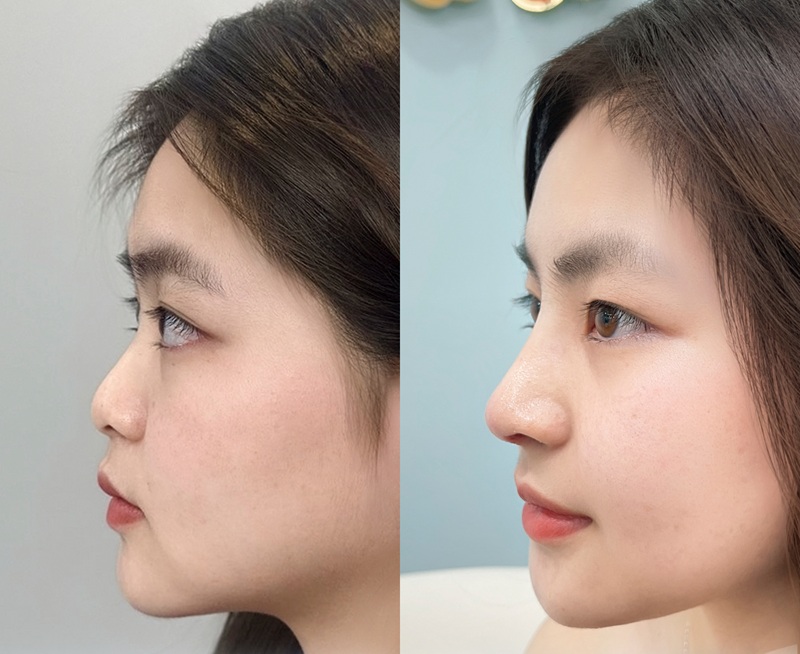
A nose lift usually settles into shape safely and relatively quickly after some time.
II – Factors Affecting the Time for a Nose to Settle After Surgery
The time it takes for the nose to settle depends on individual healing, the extent of the surgery, the techniques and materials used, postoperative care, and adherence to the doctor’s instructions.
- Individual healing: People with thin skin and good blood circulation usually achieve the final nose shape faster. In contrast, thick skin or a tendency to swell or form scars may prolong the stabilization time.
- Extent of surgical intervention: Simple nose lifts with minimal soft tissue manipulation settle faster than structural rhinoplasty or revision surgeries that involve deeper intervention.
- Techniques and materials used: The choice of autologous or synthetic cartilage, and techniques for positioning the nasal bridge and supporting the tip, affect how quickly the nose stabilizes and takes shape.
- Postoperative care: Maintaining cleanliness, applying cold compresses, avoiding trauma, and following a proper lifestyle help the nose heal faster.
- Following the doctor’s instructions: Patients who follow guidance on stitch removal, follow-up visits, applying medication, and dietary or activity restrictions help the nose settle more quickly and safely.
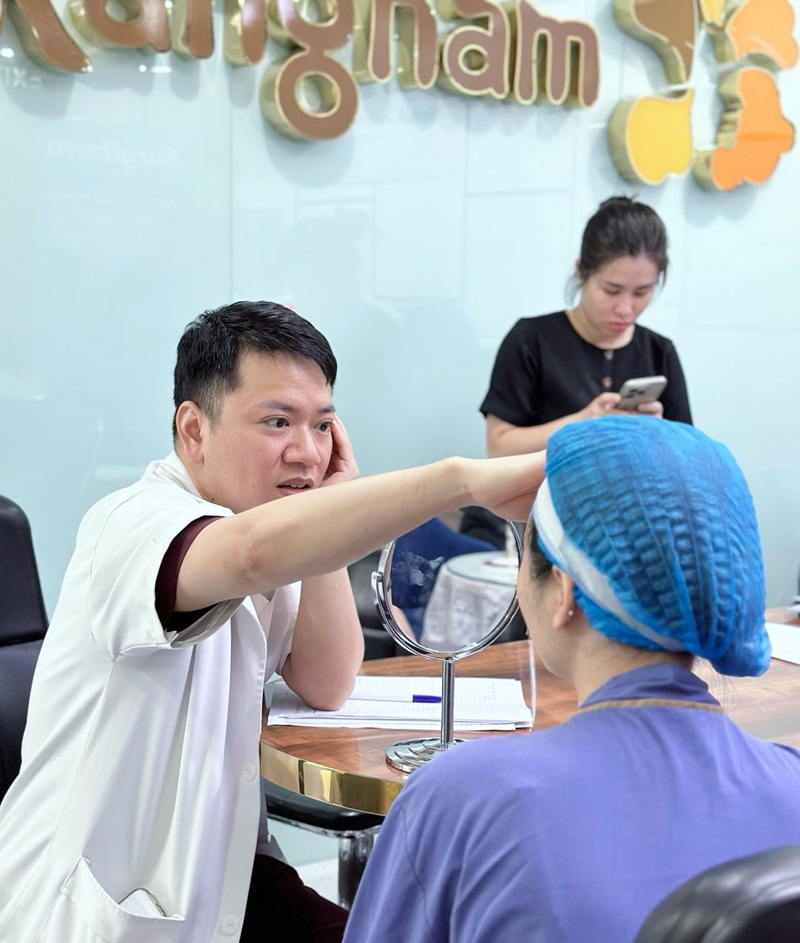
The extent of surgical intervention affects the time it takes for the nose to settle after surgery.
Kangnam’s all-inclusive rhinoplasty packages are designed to support faster, more stable settling from day one:
III – Signs your nose is settling well
You can tell your nose is healing and “settling into shape” well through the following signs:
- Swelling is gone and there’s no pain: The nose no longer feels swollen, tight, or sore, and it doesn’t hurt when touched.
- A softer, more natural shape: The nasal tip looks rounded, the bridge appears straight, and the nose is no longer stiff or red.
- Even skin tone: There is no longer bruising or dark discoloration around the nose, and the skin tone looks even.
- A harmonious profile: The bridge line looks smooth and balanced from the side, without bumps or irregularities.
- Comfort in daily activities: You feel comfortable when smiling, speaking, and doing normal daily activities without noticeable discomfort.
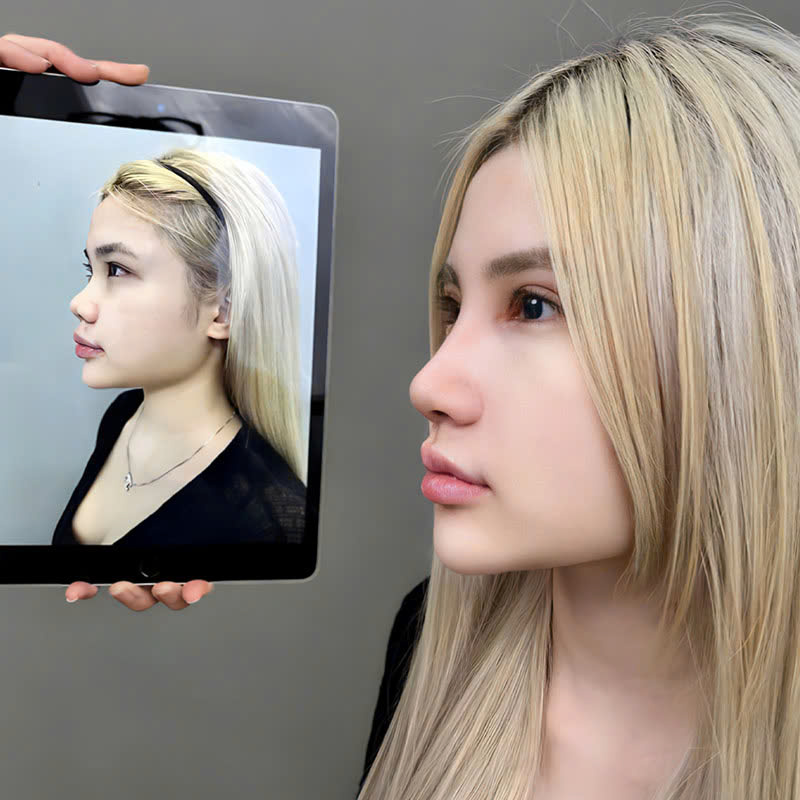
The patient’s nose is no longer swollen or painful and appears in its natural shape.
From in-hospital recovery monitoring to remote follow-up after you fly home, Kangnam’s end-to-end concierge care ensures international patients are never without medical guidance during the settling process.
IV – What should international clients do to help the nose settle better?
To help the nose settle faster and more stably, international clients should attend follow-up appointments on time, follow the doctor’s instructions, avoid strong impact, maintain proper resting posture, keep the nose clean, follow a balanced diet, and avoid applying makeup on the nose area.
- Follow-ups and medical instructions: Attend scheduled check-ups, take medications as prescribed, and do not remove the splint or cut/remove stitches on your own to ensure safe healing.
- Avoid strong impact: Do not apply pressure or force to the nose, and avoid wearing glasses during the first month to reduce swelling and lower the risk of shifting.
- Proper resting posture: Sleep on your back with your head elevated using extra pillows. Avoid side-sleeping or sleeping face-down to support even healing and a stable nose shape.
- Nose hygiene: Gently clean around the incision with sterile saline. Keep the area clean and dry.
- Nutrition: Add foods rich in vitamin C, zinc, and protein to support tissue repair. Avoid seafood, sticky rice/glutinous rice products, beef, and water spinach (morning glory) for at least 1 month.
- Avoid makeup: Do not apply makeup on or around the nose until the skin has fully healed to minimize infection risk.
- Stay in contact with the medical team: Update the clinic about your condition after returning home so you can receive timely guidance if any unusual signs appear.
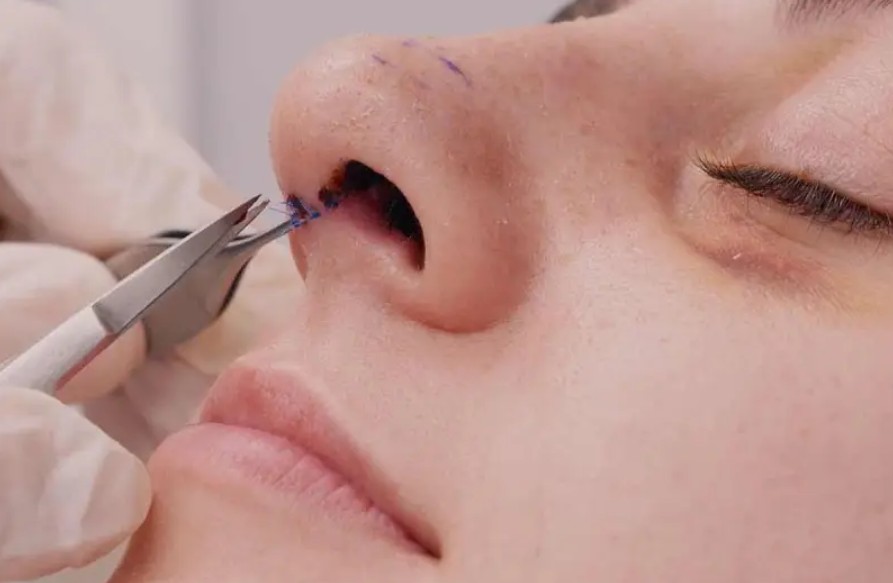
Nose settling properly and healing quickly.
V – FAQ – Frequently Asked Questions for International Patients
1. Why does my nose take longer to settle than others?
The time it takes for the nose to settle depends on individual healing characteristics, the extent of surgical intervention, the technique and materials used, and post-operative care. Patients with thicker skin, a tendency to swell more, or those who do not follow aftercare instructions closely often experience a slower settling process.
2. Is it normal if my nose is not soft after 1 month?
Yes. It is normal for the nose to still feel firm after 1 month, as full recovery usually takes 3–6 months for the nose to become completely soft and natural—especially after structural rhinoplasty. However, if the nose remains very hard, painful, or shows prolonged redness and shiny skin, these may be signs of complications and you should seek evaluation at a reputable medical facility immediately.
3. Does structural rhinoplasty take longer to settle?
Yes. Structural rhinoplasty generally takes longer to settle because it involves deeper surgical work. The cartilage and surrounding tissues need more time to adapt, the incision is larger, and the surrounding tissues require longer healing. Typically, it takes about 3–6 months for the nose to become soft and reach a stable, natural shape.
4. Will I receive remote aftercare support after returning to my home country?
After undergoing rhinoplasty at Kangnam Aesthetic Hospital, international patients can continue to stay in direct contact with Kangnam’s medical team. You will receive guidance on aftercare, recovery monitoring, and timely support if any unusual signs occur.
To achieve a stable nose shape that harmonizes with your facial features, proper aftercare and ongoing post-operative monitoring are essential. International patients are encouraged to maintain communication with the medical team at Kangnam Aesthetic Hospital for timely guidance, ensuring safe recovery and long-lasting, beautiful results.
Schedule your complimentary consultation with Kangnam today and receive a clear, personalized plan for every stage of your recovery.