Date posted: 31-12-2025 | Last updated : 02-01-2026
How long does it take for the nose to heal after rhinoplasty?” is a question that many international clients are very interested in when they plan to travel to Vietnam for cosmetic treatment. Understanding the recovery timeline after rhinoplasty helps clients proactively arrange their stay, work schedule, and—most importantly—ensure safe post-operative care for the best aesthetic outcome.
I/ How long does it take for the nose to heal after rhinoplasty?
In general, swelling will go down and the nose will start to heal within 7 – 10 days, at which point stitches can usually be removed and you can return to light daily activities. After 2 – 4 weeks, the nose is typically 70 – 80% stabilized and looks more natural. The nose shape becomes clearly defined after 1–3 months, and the final result is usually fully stable after 3–6 months, depending on your individual healing ability, the rhinoplasty technique, and post-operative care.
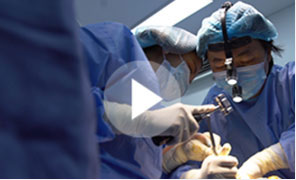
Nose augmentation surgery will heal within a few weeks.
II/ Recovery stages after rhinoplasty
Recovery after rhinoplasty is often divided into 5 specific stages:
Stage 1: Days 1–5 after surgery
- The nose may be swollen with mild bruising, especially along the bridge and around the eyes.
- You may feel tightness and mild aching during the first 1–2 days (usually well controlled with medication).
- A splint is used to keep the nose stable and maintain the new shape.
During this period, you should:
- Rest as much as possible and avoid strenuous activity
- Apply cold compresses correctly as instructed
- Take medication and clean the nose as directed by your doctor
- For international clients, this is the recommended time to stay in Vietnam so the doctor can monitor you closely and manage any issues promptly if they arise.
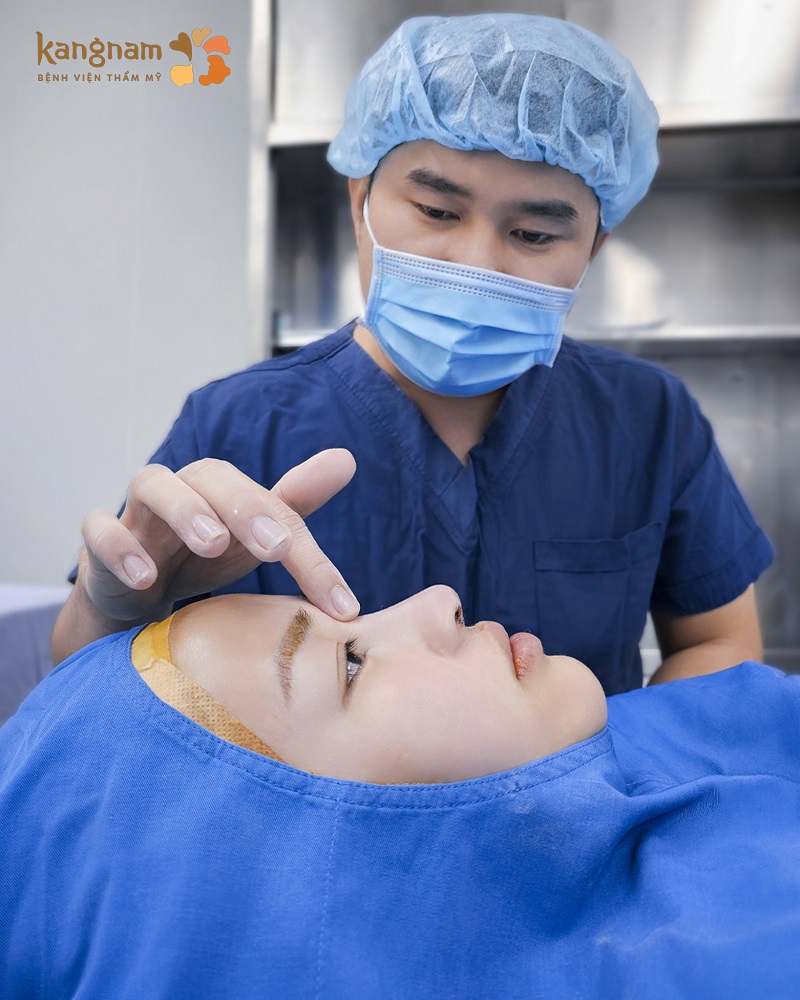
Immediately after rhinoplasty, the wound will be slightly swollen and painful.
Stage 2: Days 6–14
After about one week, the nose typically shows clear improvement:
- Swelling and bruising reduce significantly
- Stitches may be removed (depending on technique and individual healing)
- The nose looks higher and slimmer, though not fully natural yet
At this stage:
- You can return to normal daily routines and light work
- Light makeup may be allowed (avoid any strong pressure on the nose)
- Many international clients choose to fly home after stitch removal
Stage 3: Weeks 2–4
During this stage, the nose continues to stabilize:
- Soft tissue begins adapting to the new shape
- The stiffness/tightness feeling is nearly gone
- The nose looks more natural from the front
You can:
- Fully return to work
- Communicate, take photos, and meet partners/clients without worrying about obvious signs of surgery
Stage 4: Months 1–3
After 1–3 months, deeper healing takes place:
- The nose shape becomes clearly defined
- The bridge feels softer and more natural to the touch
- Internal incisions heal completely
At this time:
- The risk of complications is almost gone if you follow proper care
- You can participate in most everyday activities
Stage 5: Months 3–6
- The final aesthetic result is achieved
- The nose shape looks harmonious with your face
- Any unusual sensations or discomfort typically disappear
For international clients, even if you return home early, you can still monitor healing and do follow-up check-ins remotely through photos, videos, and online consultations with your doctor.
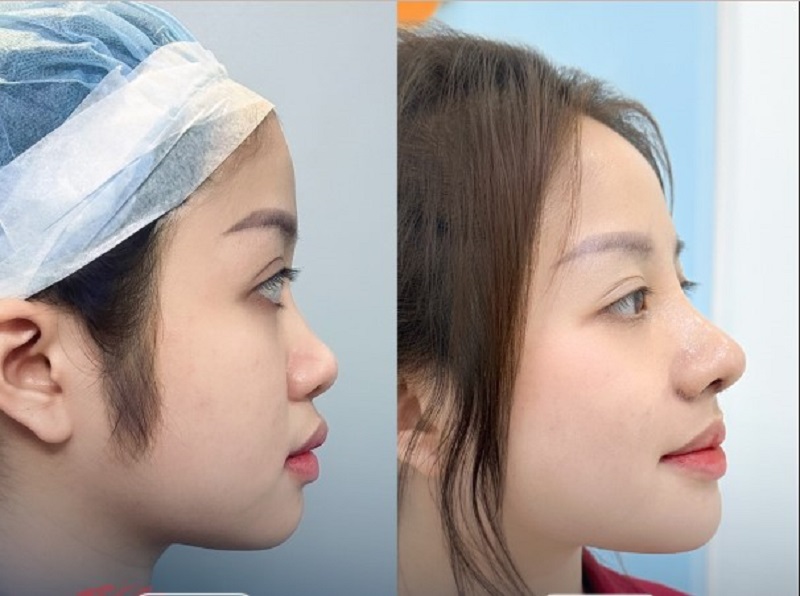
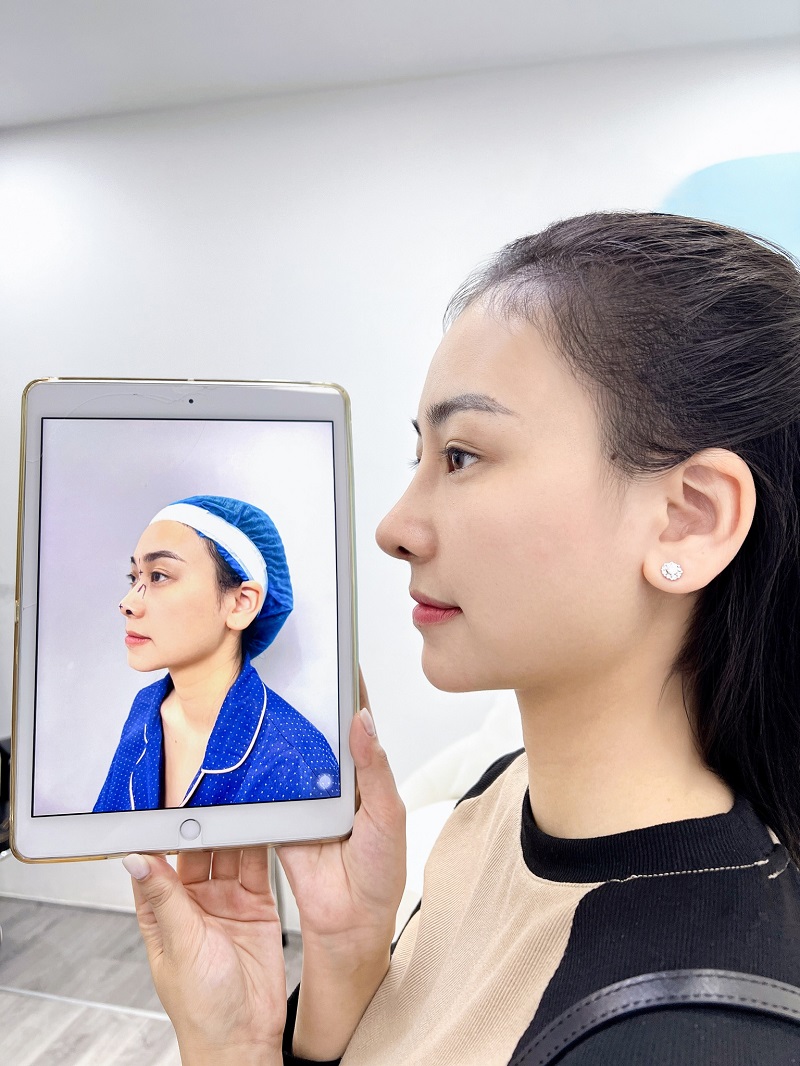
The nose shape is well-defined and looks natural.
III/ How long after rhinoplasty can stitches be removed?
- Typically, 7–10 days after rhinoplasty, clients can have their stitches removed, and the nose usually starts to “take shape” after about 1 month. With modern rhinoplasty techniques, the incision is handled delicately with minimal invasiveness, so healing tends to be relatively fast.
- For international clients, stitch removal is usually done before returning home, helping ensure the incision is dry and healing well. The doctor will recheck the nose shape and provide guidance for remote post-operative care.
IV/ How long do swelling and bruising last after rhinoplasty?
Swelling and bruising after rhinoplasty usually last for about the first 5–7 days, then improve noticeably and gradually disappear over time, depending on each person’s healing response and post-operative care.
- Days 1–3: noticeable swelling, possibly with mild bruising around the eyes
- Days 5–7: swelling and bruising reduce significantly
- Days 10–14: swelling is mostly gone and the nose looks more natural
For international clients, if the procedure is performed by an experienced surgeon using minimally invasive techniques and post-op care instructions are followed properly, swelling and bruising often resolve faster and usually do not significantly affect daily activities or long-distance travel.
V/ Factors that affect healing time after rhinoplasty
Healing time after rhinoplasty depends on several factors, including the surgical method, the surgeon’s skill, each client’s individual healing ability, and post-operative care.
- Rhinoplasty technique: Structural or semi-structural rhinoplasty typically involves deeper work, so recovery can take longer than simpler procedures. Modern, minimally invasive methods help the nose heal faster and reduce swelling and discomfort.
- Surgeon’s skill and experience: A highly skilled surgeon performs precise movements and minimizes soft-tissue trauma, which can significantly shorten recovery time and reduce complication risks.
- Individual healing response: Everyone heals differently. People with good overall health and a “good healing tendency” usually recover faster with less swelling and bruising.
- Post-operative care: Following the doctor’s instructions on hygiene, medication, diet, and daily activities plays a key role in faster healing and achieving a well-shaped result.
- Living environment and travel: For international clients, long-distance travel, time-zone changes, or climate differences may slightly affect recovery if adequate rest is not maintained.
VI/ What should international clients keep in mind for a smooth recovery after rhinoplasty?
To ensure a safe and smooth recovery, international clients should pay attention to the following key points:
- Stay in Vietnam for the necessary period (usually 7–10 days) for follow-up visits, stitch removal, and direct monitoring by the doctor.
- Strictly follow post-operative care instructions, especially proper wound cleaning and taking medications exactly as prescribed.
- Avoid strenuous activity, bending your head down, and any impact to the nose for at least the first 3–4 weeks.
- Avoid foods and drinks that may increase swelling or inflammation, such as alcohol, seafood, and spicy/hot foods during the early recovery phase.
- Stay in contact with your doctor after returning home through online consultations and send progress photos to ensure healing is on track.
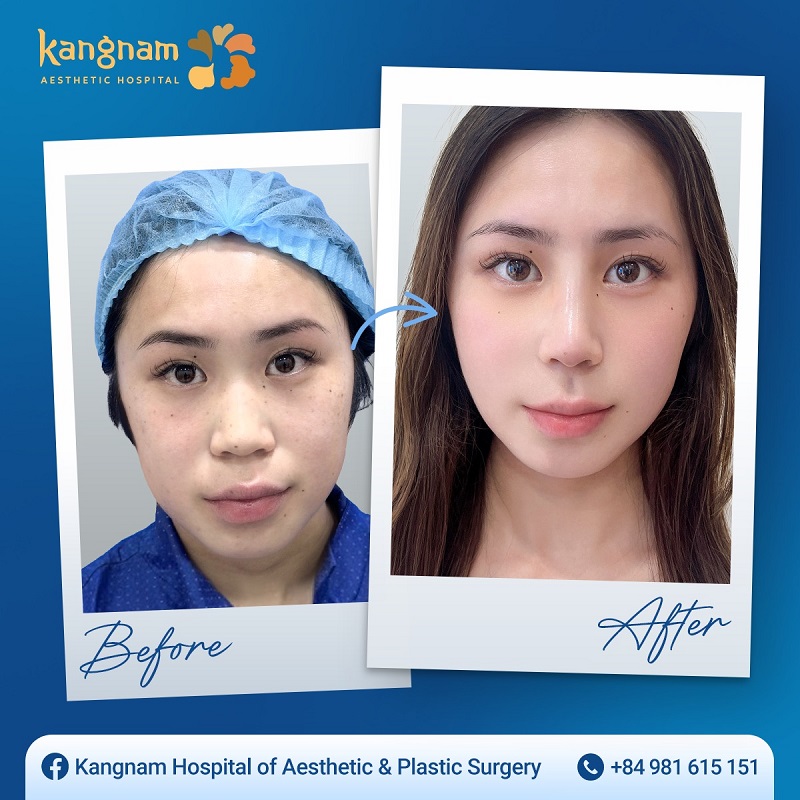
Patients should stay in Vietnam for a few days after rhinoplasty.
VII/ Frequently asked questions from international clients
1/ How soon can I return to work?
In general, you can return to light work 7–10 days after rhinoplasty, once swelling and bruising have significantly improved and stitches have been removed. For office jobs or work that does not require much physical activity, daily routines are usually minimally affected.
2/ Does structural rhinoplasty take longer to heal?
Compared with semi-structural rhinoplasty, structural rhinoplasty involves deeper surgical work, so recovery may take a few days longer. However, when performed by an experienced surgeon using modern techniques, the difference is typically not significant.
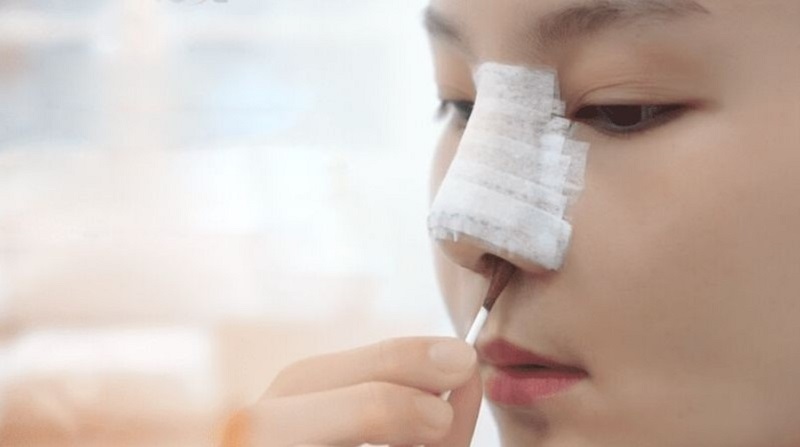
Clean the nose thoroughly after rhinoplasty.
3/ If an international client returns home early, can they be monitored remotely?
Yes. Most reputable aesthetic clinics in Vietnam now offer remote post-operative follow-up for international clients:
- You will receive detailed care instructions before leaving Vietnam
- You can send photos and videos for the doctor to evaluate healing progress
- Online consultations are available if you have questions or notice any unusual signs
Thanks to this, even without staying in Vietnam for long, international clients can still feel confident about their recovery—ensuring proper healing and achieving the desired aesthetic result.