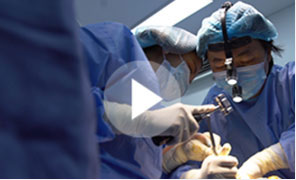
Date posted: 12-01-2026 | Last updated : 11-07-2026
Rhinoplasty results can generally last 20–30 years or longer, depending on the surgical technique used (such as structural rhinoplasty versus simple implant augmentation), the type of materials applied, and each individual’s biological response.
For international patients, choosing a medical facility with standardized surgical protocols and highly experienced surgeons plays an important role in improving long-term stability and reducing the likelihood of revision procedures.
I – Factors That Determine the Longevity of Rhinoplasty Results
The durability of rhinoplasty outcomes depends on the type of materials used, the surgical technique, and the patient’s postoperative care.
- Type of cartilage or implant materials: The use of premium synthetic implants or autologous cartilage (such as ear cartilage or rib cartilage) with high biocompatibility allows the nose to integrate more effectively with surrounding tissues, minimizing the risk of rejection or long-term complications.
- Surgical technique: Precise techniques help maintain stable nasal structure and counteract natural tissue aging. An experienced surgeon reinforces the nasal support framework and creates an accurate surgical pocket to prevent implant displacement.
- Postoperative care: Proper wound hygiene, adherence to activity restrictions, and protecting the nose from impact during the first few months are critical to ensure stable tissue integration.
- Individual biology and lifestyle: Patients with good healing capacity and healthy lifestyle habits generally experience more stable and longer-lasting results, with better skin and cartilage stability over time.

The longevity of rhinoplasty results depends on proper postoperative care
At Kangnam Aesthetic Hospital, all rhinoplasty procedures are performed by board-certified specialists with over 10 years of experience, following strict quality control protocols to ensure natural and durable results over time.
II – When Is Revision Rhinoplasty Necessary?
Although rhinoplasty results can last for many years, some cases may require revision surgery to maintain safety and functional or aesthetic outcomes. For international patients, early recognition of warning signs allows better planning for follow-up visits when returning to Vietnam.
You may consider revision rhinoplasty if you experience:
- Gradual lowering of the nasal bridge, loss of tip definition, or weakened nasal support due to aging.
- Persistent dull pain, tightness, redness, or thinning of the skin at the nasal tip.
- Nasal deviation following accidents, sports injuries, or strong external impact.
- Ongoing nasal congestion or breathing difficulty on one or both sides after surgery.
- Aesthetic results that are no longer compatible with current facial features.
- Late-onset complications such as hidden infection, implant exposure, or tissue contracture requiring specialized intervention.
Important note for international patients: If any abnormal signs occur, patients are advised to schedule an online consultation with a qualified surgeon before arranging travel. This allows proper assessment of revision needs and helps plan an appropriate length of stay when returning to Vietnam.
If you are experiencing any of the warning signs described above, an online consultation with Kangnam’s revision specialists is the right first step before arranging travel.

International clients choose Kangnam for rhinoplasty
III – Which Material Is More Durable: Synthetic Implants or Autologous Cartilage?
Autologous cartilage (septal, ear, or rib) is generally more durable long-term because the body does not reject its own tissue, reducing the risk of implant outline exposure and capsular contracture over time. Synthetic materials (silicone, Surgiform) offer precise shaping and shorter surgery times, but in patients with thin skin, implant edges may become visible over time. The most suitable material is determined by the surgeon during consultation.
- Synthetic Implants (Silicone, Surgiform): Provide precise shaping, shorter operation time, and lower cost. However, in patients with thin skin, the implant edges can become visible over time as tissue thins, and shifting may occur—which is why modern techniques avoid placing synthetic materials directly at the nasal tip.
- Autologous Cartilage (Septal, Ear, Rib): Carries lower long-term risks due to zero tissue rejection, resulting in superior long-term stability. Trade-offs include longer surgery time and an additional chest incision when harvesting rib cartilage.
- Hybrid Structural Rhinoplasty: Combines synthetic implants or cartilage for the bridge with autologous cartilage for the tip—the standard modern approach to balance optimal shape with long-term durability.
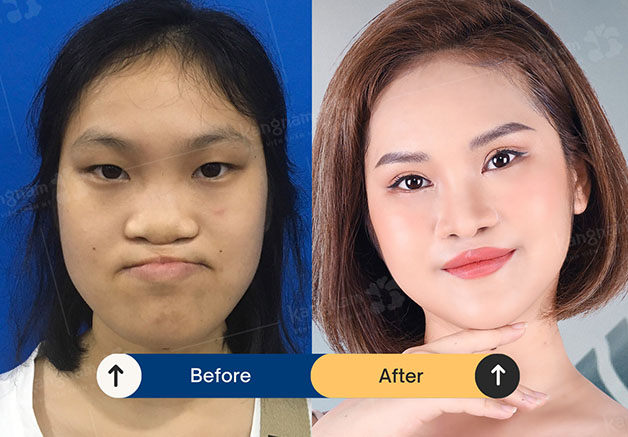
Kangnam specializes in repairing damaged noses and correcting nasal deformities
IV – How to Maintain Stable and Safe Rhinoplasty Results
To maintain long-term nasal stability, patients should follow proper postoperative care instructions, use appropriate implant materials, maintain a healthy lifestyle, and attend regular follow-up assessments.
- Proper care and hygiene: Clean the nasal area with saline solution, avoid impact, and refrain from sleeping face-down for at least the first month to allow the implant and tissues to stabilize and heal properly.
- Choose suitable implant materials: Autologous cartilage or premium biocompatible implants help reduce the risks of rejection, contracture, and long-term deformation.
- Maintain healthy lifestyle habits: Avoid foods that may increase swelling or scarring during the early recovery phase, do not smoke, and limit stimulants to support good blood circulation and tissue healing.
- Regular follow-up and remote monitoring: Attend scheduled follow-up visits or send progress photos to your surgeon to detect potential issues early. This is especially important for international patients after returning to their home countries.
V – When Durability Is Compromised: Signs You Need a Re-Evaluation
Structural failure or compromised safety usually manifests through warning signs such as asymmetry, persistent redness at the nasal tip, visible implant edges, shape distortion, or chronic infection. When these signs appear, patients should consult a specialist immediately for prompt evaluation and corrective planning.
Although rhinoplasty results can last for many years (even a lifetime), you should seek an in-person medical evaluation if you experience any of the following abnormal signs:
- Capsular Contracture / Deformation: The nose appears shortened, upturned, contracted, or the nasal bridge shifts significantly to one side.
- Skin Thinning / Visible Implant Edges: Persistent redness at the tip, or skin over the bridge thinning to the point where the outlines of the implant underneath become clearly visible.
- Fluid Accumulation / Chronic Infection: Frequent unexplained swelling, foul-smelling discharge, or persistent pressure and soreness.
- Implant Extrusion / Skin Perforation: A critical sign where the implant material shifts, posing an immediate risk of—or already—piercing through the skin at the nasal tip or columella.
VI – Frequently Asked Questions
1. How long should international patients stay in Vietnam after rhinoplasty?
International patients are generally advised to remain in Vietnam for approximately 7–10 days after rhinoplasty so the surgeon can monitor early postoperative swelling, examine the surgical site, and remove sutures at the appropriate time.
2. Can postoperative follow-up be done after returning home?
Yes. After returning home, patients can continue postoperative monitoring remotely by sending photos and attending online consultations with their surgeon. This allows assessment of wound healing, swelling levels, and the stability of the nasal shape.
Rhinoplasty can provide long-lasting results when performed using appropriate techniques and followed by proper postoperative care. Longevity depends on individual healing capacity, implant materials, and surgical expertise. Therefore, choosing a reputable medical facility from the beginning helps reduce the risk of revision surgery and supports stable, long-term outcomes.
Schedule your complimentary consultation with Kangnam Aesthetic Hospital today and receive a personalized treatment plan that prioritizes both immediate outcomes and long-term stability.