Date posted: 10-01-2026 | Last updated : 25-05-2026
Vietnam is increasingly attracting international clients seeking rhinoplasty thanks to reasonable costs and advanced medical techniques. However, many people still wonder: Is rhinoplasty considered a major surgery? What does the recovery process look like? In this article, Kangnam will break down each step of the rhinoplasty procedure, helping international clients gain a clear understanding, prepare properly, and achieve the desired aesthetic results.

Rhinoplasty is not considered major surgery. It is a minor cosmetic procedure that involves limited intervention, mainly focusing on the nasal structure to raise the bridge, refine the nasal tip, or correct specific imperfections.
Because the scope of intervention is small and minimally invasive, rhinoplasty has little impact on overall health, and the recovery time is generally much faster compared to major surgical procedures.

Nose augmentation is a minor cosmetic surgery procedure.
Rhinoplasty is classified as a minor cosmetic procedure, and depending on the level of intervention, it can be divided into the following main types:

A standard, medically compliant rhinoplasty procedure includes the following main steps: consultation and examination, health screening, nasal measurement and design, surgical execution, and post-operative care.
Step 1: Examination and Consultation
The doctor evaluates the nasal structure and skin condition to identify areas that need correction. Based on the client’s expectations, the surgeon recommends the most suitable rhinoplasty method.
Step 2: General Health Check
Basic medical tests are performed to ensure the client is fit for surgery and to rule out any contraindications. This is a critical step to ensure safety throughout the procedure.
Step 3: Nasal Measurement and Design
The surgeon measures and marks the areas for adjustment, then designs the new nose shape according to facial proportions. This step helps ensure a balanced and natural-looking result after surgery.
Step 4: Surgical Procedure
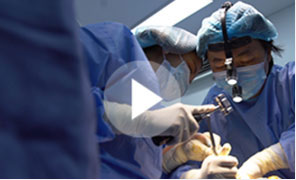
Rhinoplasty is performed according to the agreed plan—such as nasal bridge augmentation, cartilage grafting, or structural correction. The procedure is typically carried out under local anesthesia or combined with mild sedation.
Step 5: Post-Operative Care
The nose is stabilized with a medical splint or specialized bandaging. Clients receive detailed aftercare instructions and scheduled follow-up visits. Proper adherence to these guidelines supports smooth recovery and optimal aesthetic outcomes.
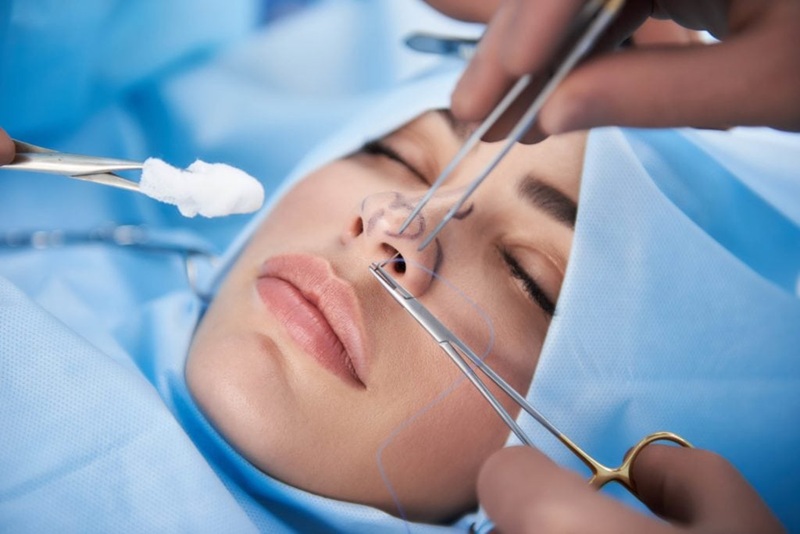
A safe rhinoplasty procedure, performed by a specialist doctor.

After rhinoplasty, you can usually resume light daily activities within 2–4 weeks as swelling subsides and the nasal shape begins to settle. However, for the nose to fully stabilize and achieve optimal aesthetic results, it typically takes 3–6 months for the tissues to soften and the shape to look natural and balanced.
Recovery Timeline by Stage:
The recovery stages outlined above follow a predictable, well-documented timeline. Kangnam provides each international patient with a personalized recovery schedule. So you can plan your stay in Vietnam, your return flight, and every milestone in between with confidence.

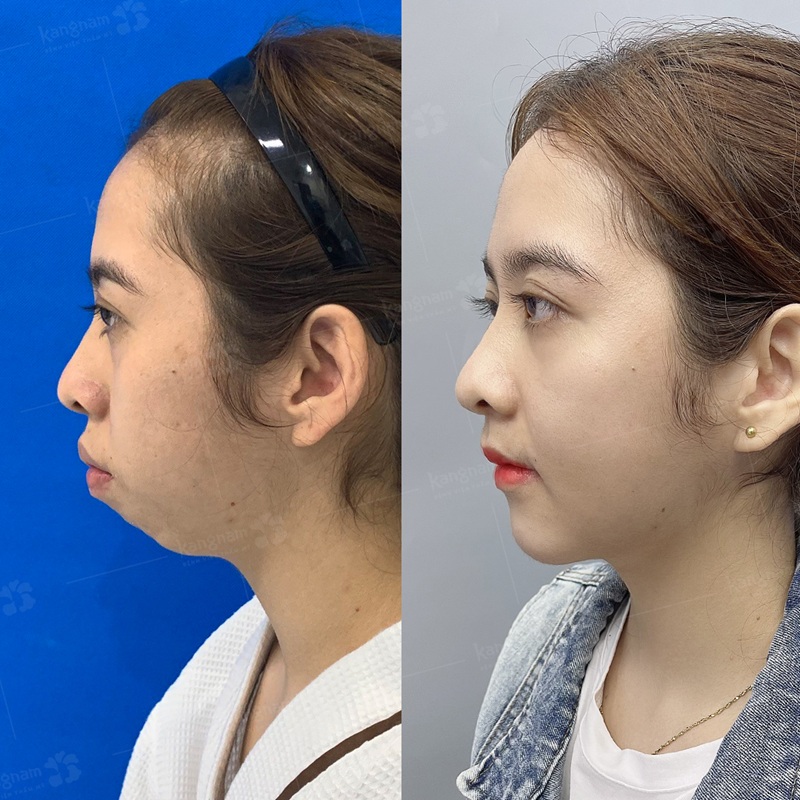
The nose has recovered to its correct shape and is soft.
After rhinoplasty, international clients should get adequate rest, care for the surgical site properly, avoid alcohol, smoking, spicy foods, and scar-promoting foods, protect the nose from impact, apply cold/warm compresses at the appropriate times, and attend follow-up appointments as instructed to ensure safe healing and stable results.

Proper nasal hygiene and minimal touching of the nose after rhinoplasty surgery.
Yes. Clients are typically supported by the surgeon or aftercare team through online consultations via video calls or photos. This allows for proper aftercare guidance, recovery assessment, and timely intervention if any abnormal signs appear.
You can usually resume light daily activities after 2–4 weeks, once swelling has significantly reduced and the nasal shape begins to stabilize. During the early recovery period, strenuous activities and any impact to the nose should be avoided to ensure safe healing and optimal aesthetic results.
Rhinoplasty becomes more complex in cases involving failed or damaged previous surgeries, multiple prior rhinoplasties, infection, severe deviated septum, or when full reconstruction of the nasal bridge and tip is required.
Persistent swelling or pain, warmth and redness of the nose, yellow discharge or pus, increasing pain, fever, or noticeable nasal deviation after the initial swelling phase are warning signs. If any of these occur, you should contact your surgeon immediately for evaluation.
Rhinoplasty is a commonly performed cosmetic procedure, ranging from minor intervention to more advanced surgery depending on each individual case. For international clients, it is highly recommended to contact a reputable aesthetic clinic in advance for remote consultation, treatment planning, travel arrangements, and post-operative care coordination. This proactive approach helps ensure safety, convenience, and optimal aesthetic outcomes.
Schedule your complimentary consultation with Kangnam today and receive a clear, personalized plan before you travel.