Date posted: 08-01-2026 | Last updated : 13-07-2026
With costs ranging from $1,826 to $3,728 USD, Revision Rhinoplasty is an essential solution for patients whose previous nose surgery did not achieve the desired results, resulting in issues such as nasal deviation, implant visibility, contracture, or progressive deformity over time. Therefore, international patients traveling to Vietnam for revision rhinoplasty should carefully choose a reputable aesthetic hospital to ensure both long-term aesthetic outcomes and health safety.
I – Potential Risks of Rhinoplasty
Although rhinoplasty is classified as a minor surgical procedure, it may still involve certain risks such as infection, swelling, nasal deviation, implant exposure, or allergic reactions if the technique is incorrect or sterility is not properly maintained.
Possible risks of rhinoplasty include:
- Infection: Caused by bacteria entering from the surgical environment or inadequate postoperative hygiene. If not treated promptly, infection can damage nasal tissues and compromise the surgical outcome.
- Swelling and pain: Abnormal inflammation or fluid accumulation may cause prolonged swelling and discomfort beyond the expected recovery period. Medical intervention is necessary to prevent more serious complications.
- Nasal deviation: May result from inaccurate implant pocket creation or external impact before the implant has fully stabilized. This risk largely depends on the surgeon’s skill and the patient’s adherence to postoperative care instructions.
- Implant visibility and thinning nasal skin: Often occurs in patients with thin nasal skin or when the implant is placed too high. Continuous pressure from the implant may cause redness, skin thinning, and visible aesthetic signs over time.
- Material allergy: A natural bodily reaction when the implant material is not compatible, leading to persistent redness, inflammation, or prolonged discomfort.
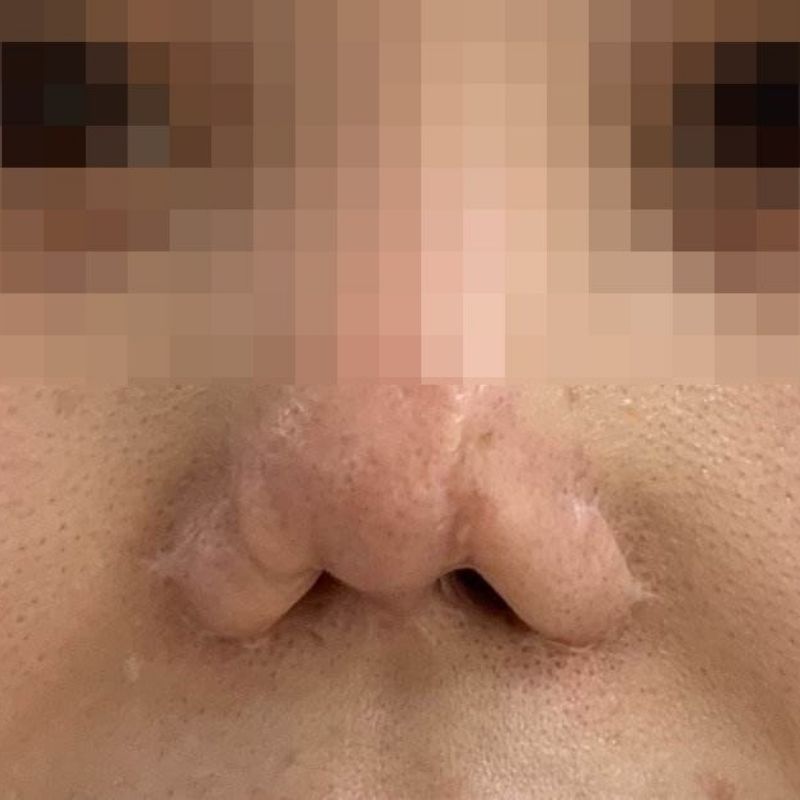
Complications caused by improper rhinoplasty techniques
III – Causes of Complications After Rhinoplasty
Postoperative complications following rhinoplasty are mainly associated with inadequate surgical expertise, unclear implant origins, non-sterile operating environments, improper postoperative care, or individual physiological factors.
- Lack of surgical expertise: Surgeons with insufficient experience may create an inaccurate implant pocket or position the implant incorrectly, leading to nasal deviation or implant exposure. In addition, selecting an overly high nasal shape that exceeds the skin’s elasticity can increase the risk of tip skin thinning or perforation.
- Implants of unclear origin: The use of artificial implants that are not medically certified or lack clear origin may trigger severe allergic reactions or implant rejection by the body.
- Substandard operating facilities: Infectious complications are more likely to occur if the operating room, surgical equipment, or sterilization protocols fail to meet strict medical standards.
- Improper postoperative care: The success of rhinoplasty depends approximately 30% on the patient’s at-home care, particularly proper wound hygiene and avoidance of strenuous activities. Premature removal of nasal splints, allowing water to contact the incision, or failure to take prescribed medications as directed are among the leading causes of infection and nasal misalignment.
- Individual physiology: Patients with underlying conditions such as diabetes or those who smoke often have impaired blood circulation, resulting in delayed wound healing. This indirectly increases the risk of poor scarring, tissue contracture, or secondary infections.

IV – How to Reduce Risks in Rhinoplasty
To ensure safety, patients should choose accredited medical facilities, qualified surgeons, and strictly follow proper pre- and postoperative care guidelines.
- Choose a board-certified specialist: Look for surgeons who hold valid medical licenses and have extensive hands-on experience in nasal plastic surgery. A skilled surgeon not only performs precise techniques but also accurately evaluates nasal structure to recommend a suitable and safe nose shape.
- Select a reputable medical facility: Rhinoplasty should be performed at hospitals or clinics licensed by the Ministry of Health, where absolute sterility is maintained in operating rooms and across all medical equipment.
- Use high-quality nasal implants: Priority should be given to artificial implants such as Nanoform or Surgiform with clear origins and FDA certification, or consider autologous cartilage to improve biocompatibility and long-term stability.
- Follow postoperative instructions carefully: Take medications as prescribed, clean the incision with saline solution, and avoid strenuous activities according to the surgeon’s schedule to support proper healing and minimize complications.

Strictly follow the surgeon’s postoperative care instructions after rhinoplasty
V – Is Rhinoplasty in Vietnam Safe for International Patients?
Vietnam is currently considered a safe and effective destination for cosmetic surgery among international patients. In recent years, many aesthetic centers in Vietnam have met hospital-level standards, offering modern technology at reasonable costs, which has attracted a large number of overseas clients.
Among the facilities trusted by many international patients, Kangnam Aesthetic Hospital is recognized as a reliable and high-quality destination for rhinoplasty, providing a wide range of nasal reshaping and revision services with personalized treatment plans to meet the needs of both domestic and international clients.
Key advantages at Kangnam include:
- License Verification: A legitimate facility must possess an official license issued by the Ministry of Health. Kangnam operates under License No. 194 (Hanoi) and No. 287 (HCMC). “Ministry of Health License” indicates that state authorities have thoroughly audited the personnel, equipment, and authorized scope of practice of the facility. You can verify this information remotely from abroad via the Department of Health portal.
- A team of aesthetic surgeons with over 10 years of experience, specializing in rhinoplasty, conducting thorough consultations and customizing surgical methods for each individual facial structure.
- Application of advanced Idol Rhinoplasty and Pain-Free 6D Rhinoplasty technologies, delivering stable results, faster recovery, and minimized swelling and discomfort.
- Hospital-standard surgical procedures with sterile operating rooms and strict safety control throughout the entire process.
- One-on-one online consultation with surgeons before traveling to Vietnam, enabling patients to plan their schedule and choose suitable procedures in advance.
- Priority selection of operating surgeons, enhancing confidence and peace of mind for overseas patients.
- Two-way airport–hospital transfer services, reducing concerns related to transportation and language barriers.
- Post-surgery recovery packages with medical staff monitoring to support safe and comfortable healing.
- Comprehensive postoperative care and detailed follow-up guidance after returning home, allowing patients to monitor long-term results with confidence.

Kangnam follows a safe and standardized rhinoplasty procedure
Understanding your recovery timeline is one of the most effective ways to manage risk after rhinoplasty. The week-by-week breakdown above outlines exactly what to expect, so you can plan your stay in Vietnam and your return home with confidence.
VI – Frequently Asked Questions
1. What should I do if complications occur after rhinoplasty?
If you notice abnormal signs after surgery such as prolonged swelling, redness, discharge, or nasal deviation, you should return for a follow-up visit as soon as possible so the surgeon can identify the cause and provide timely treatment. Depending on the severity, the doctor may recommend medication, close monitoring, or corrective intervention. Self-treatment at home or delaying medical evaluation may increase the risk of infection and negatively affect the final results.
2. Will I be monitored after returning to my home country?
After returning home, patients can still receive remote follow-up through online consultations with their surgeon, including postoperative care guidance, recovery assessments, and timely support if any unusual symptoms appear.
3. What does the rhinoplasty cost usually include?
Rhinoplasty fees typically cover consultation, surgery, implant or graft materials, basic medications, and scheduled follow-up visits. However, service packages may vary, so patients are advised to confirm exactly what is included to avoid unexpected additional costs.
Rhinoplasty is a minor surgical procedure with a high safety profile when performed using proper techniques at accredited hospitals and followed by appropriate postoperative care. Therefore, choosing a reputable medical facility and qualified surgeons remains the most important factor in minimizing risks and ensuring long-term, stable results.
Schedule your complimentary consultation today!