Date posted: 08-01-2026 | Last updated : 25-05-2026
The long-term impact of rhinoplasty after 5–10 years depends on the surgical technique, the type of cartilage used, and the surgeon’s expertise. These factors determine whether the nose shape can remain stable, natural, and safe over time. The article below will help patients better understand how the nose may change as time passes.
In reality, rhinoplasty results can remain stable and natural after 5–10 years if the procedure is performed using proper techniques, high-quality materials, and appropriate postoperative care. The nose can maintain a refined, well-defined height with a soft nasal tip, without implant visibility, redness, or deformation.
Conversely, if rhinoplasty is performed at an unreliable facility, late complications may occur, such as nasal bridge deviation, implant displacement, thinning of the nasal tip skin, capsular contracture, or even impaired respiratory function.
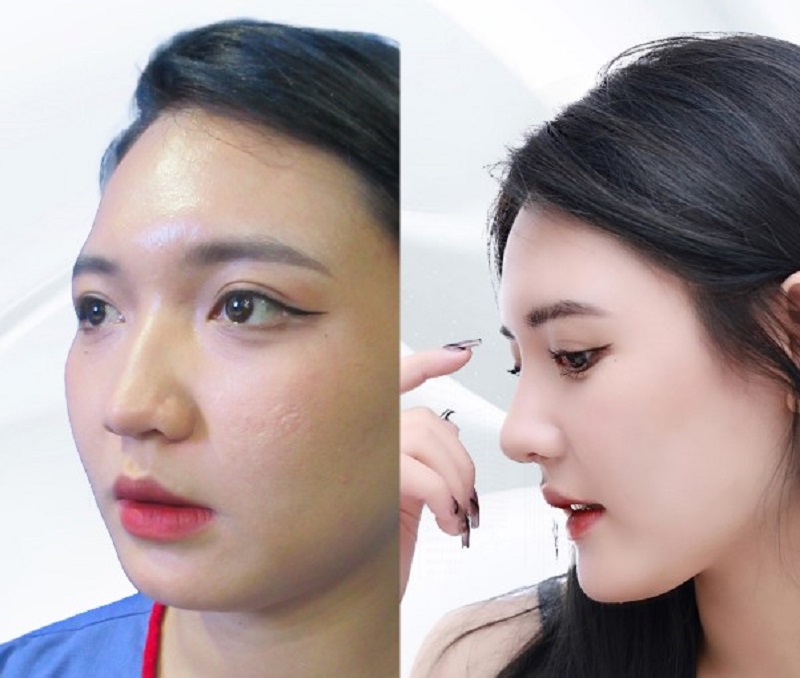
Properly performed rhinoplasty using high-quality artificial cartilage will ensure a beautiful and long-lasting nose shape.
Already experiencing changes in your nose years after surgery, deviation, redness, or breathing issues? Kangnam revision specialists have corrected over 5,000 cases from patients worldwide.

Changes in the nose 5–10 years after rhinoplasty mainly relate to structural stability, the natural aging of the skin, and the adaptability of the implant materials.
With modern rhinoplasty techniques such as structural rhinoplasty and semi-structural rhinoplasty, the nasal framework is rebuilt firmly from the outset by combining autologous cartilage (septal cartilage, ear cartilage, rib cartilage) with high-grade biocompatible implants.
After 5–10 years:
Older rhinoplasty methods (simple dorsal augmentation without columellar support) tend to be less stable in the long term and are more likely to develop complications after many years.
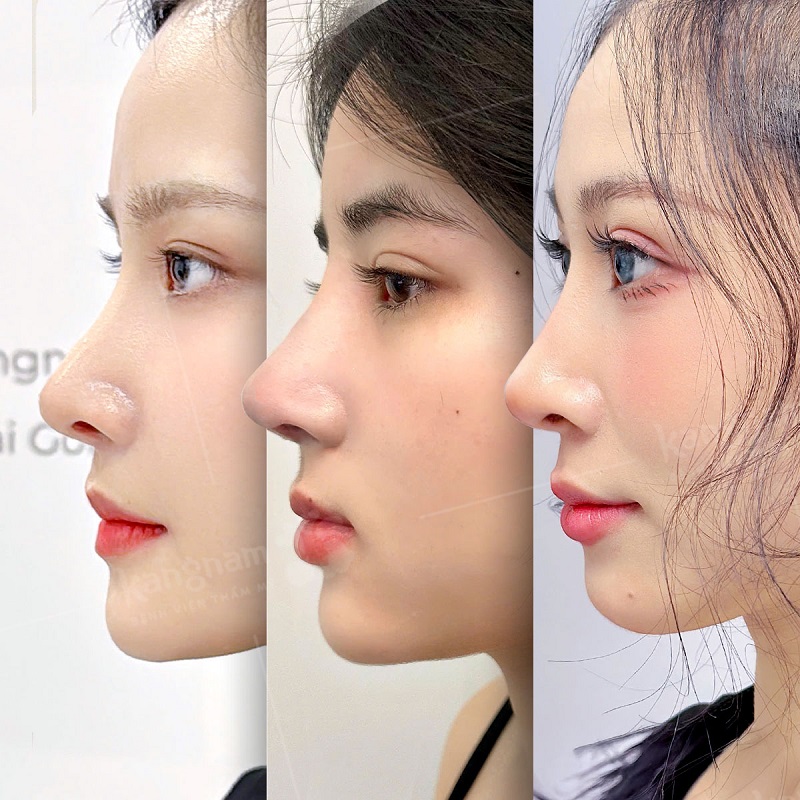
A beautiful, well-proportioned nose shape that doesn’t cause rejection.
Whether or not rhinoplasty is performed, aging inevitably occurs over time. After 5–10 years, the nasal skin may:
Today, high-grade biocompatible implants such as Nanoform and Surgiform are highly regarded for:
In particular, when combined with autologous cartilage, these materials adapt better over time, reducing the risk of extrusion or contracture.
The factors that determine long-term rhinoplasty outcomes include the surgeon’s skill and experience, the materials and techniques used, as well as postoperative care and follow-up.
A skilled surgeon can create an aesthetically pleasing nose while accurately assessing the nasal bone structure, skin thickness, and soft tissues. This allows the surgeon to:
Surgeons with extensive experience tend to prioritize balanced, natural-looking results, avoiding overly high or rigid augmentation that may lead to long-term complications.
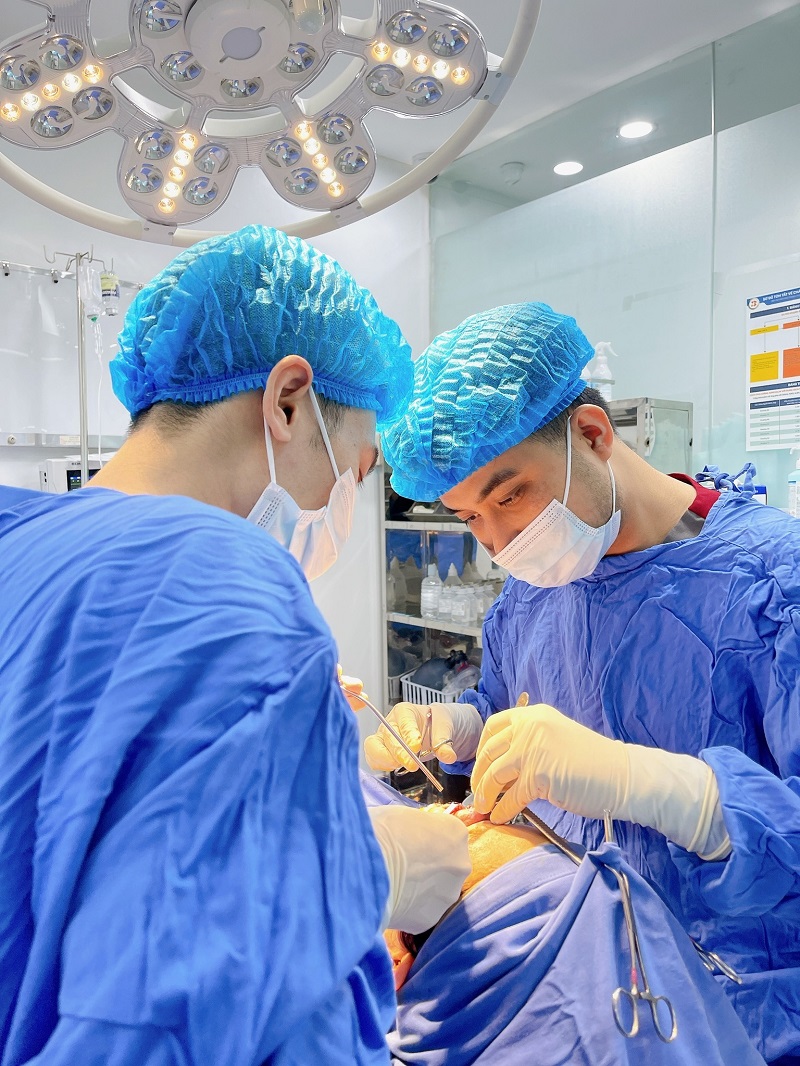
Choosing a reputable rhinoplasty clinic will ensure long-lasting aesthetic results.
The choice of materials and surgical techniques plays a key role in maintaining long-lasting results. Modern rhinoplasty approaches typically combine:
The right technique, the right materials, and transparent pricing, Kangnam’s all-inclusive rhinoplasty packages cover everything from surgery to recovery, with no hidden costs.

In most cases, rhinoplasty does not require revision after 5–10 years if the procedure was performed using proper techniques and high-quality materials. The nasal shape remains stable, natural, and does not affect breathing function.
Revision is only considered when patients wish to change their nasal shape for personal reasons, when age-related changes occur, or when the initial rhinoplasty was performed using outdated, less durable techniques.

If the client wants to change the shape of their nose or if there are complications with the nose, revision surgery is necessary.
Kangnam Aesthetic Hospital is widely recognized as the leading rhinoplasty destination in Vietnam, especially trusted by international clients thanks to its comprehensive strengths in medical expertise, advanced technology, and long-term safety.

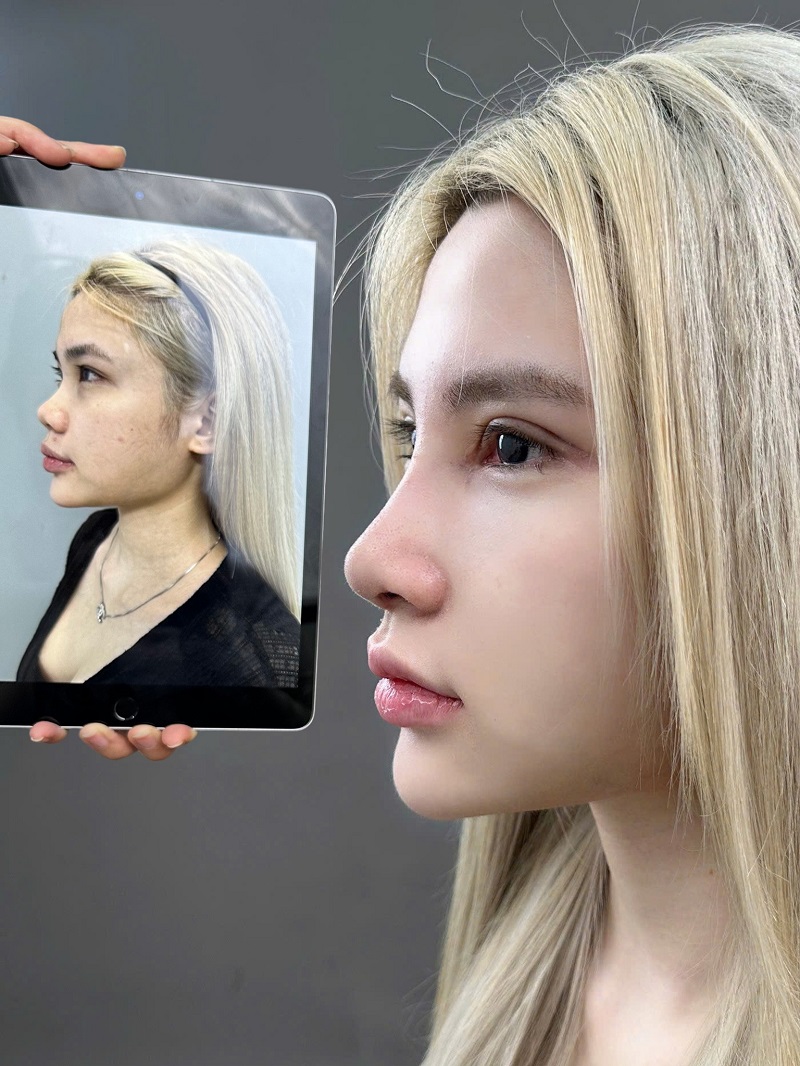
Kangnamd Aesthetic Hospital has successfully performed tens of thousands of rhinoplasty procedures.
Rhinoplasty does not cause deformation after 10 years if it is performed using proper techniques, high-quality materials, and by an experienced surgeon. Modern rhinoplasty methods help maintain long-term structural stability, minimizing the risk of nasal bridge deviation, contracture, or implant displacement over time.
High-grade biocompatible implants do not deteriorate, while autologous cartilage may undergo changes but will stabilize and integrate with the body over time. When combined using correct techniques, the cartilage maintains its shape and function, ensuring durability after 5–10 years without compromising aesthetics.
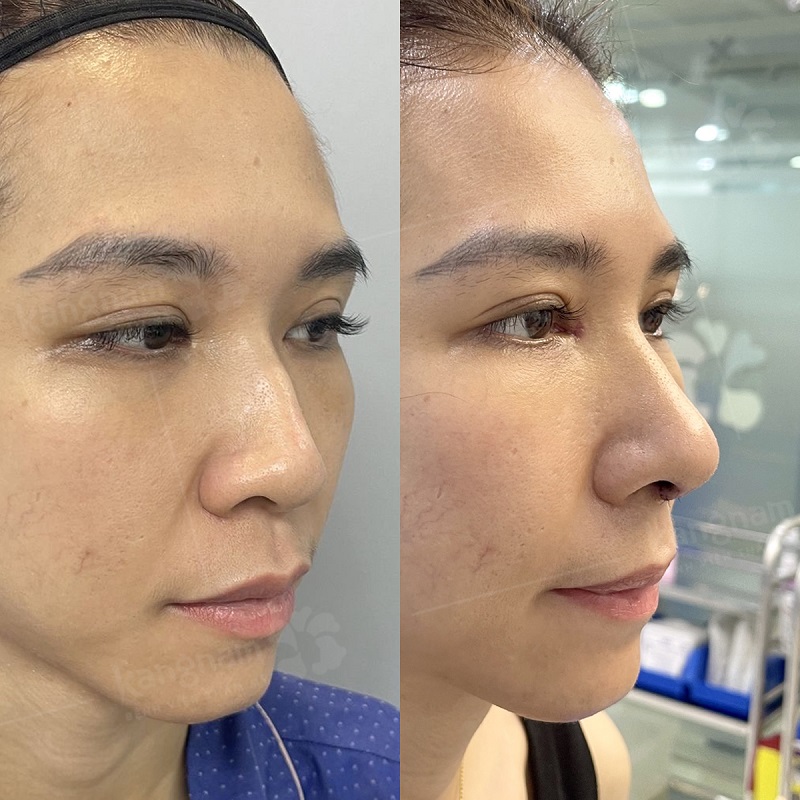
The results of rhinoplasty are long-lasting.
Rhinoplasty does not affect breathing when performed according to medical standards and without improper interference with the functional nasal structures. In some cases, structural rhinoplasty may even help improve a deviated septum, supporting better long-term respiratory function.
The long-term impact of rhinoplasty after 5–10 years is entirely positive when you choose the right surgeon, technology, and aesthetic hospital. Kangnam Aesthetic Hospital is committed to accompanying clients with a team of specialized doctors, advanced technology, and premium materials, delivering stable and long-lasting rhinoplasty results.
If you’re serious about results that last a decade, start with a free consultation at Kangnam.