Date posted: 15-04-2026 | Last updated : 29-04-2026
A mini facelift is an optimal solution for individuals experiencing early aging (ages 30–45), helping to address mild skin laxity, sagging in the nasolabial folds, and drooping at the outer corners of the eyes. This method involves small incisions, with scars hidden along the hairline, offers a fast recovery time (1–2 weeks), and is more cost-effective than traditional facelifts.
I – What Is a Mini Facelift?
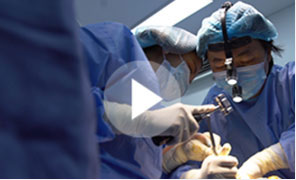
A mini facelift is a minimally invasive cosmetic procedure that uses small incisions (typically along the hairline or in front of the ears) to lift facial tissues and remove mild to moderate sagging skin and wrinkles. This technique focuses on improving the lower face, nasolabial folds, and jawline, resulting in a firmer, more youthful appearance with a relatively quick recovery.
II – Why Is a Mini Facelift Suitable for Early Aging?
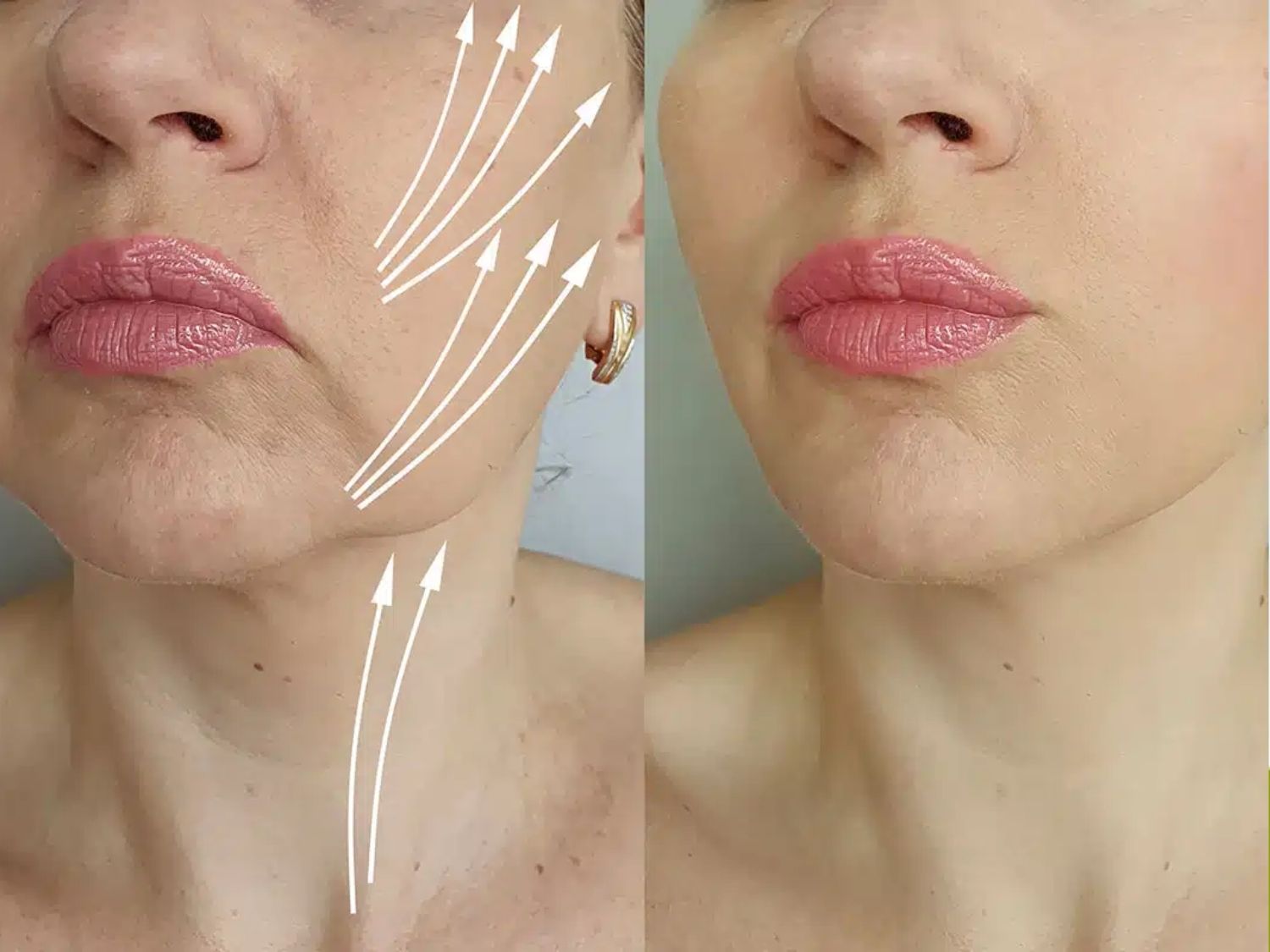
A mini facelift is considered an ideal option for early-stage aging, when signs of deterioration are just beginning and not yet severe. The method targets mild sagging with moderate intervention, delivering noticeable improvement while maintaining a short recovery time.
- In the early stage, the skin begins to lose elasticity and shows mild sagging without requiring deep intervention. A mini facelift is sufficient to address these changes.
- It helps redefine the jawline and gently lift sagging cheeks, making the face appear more refined and youthful without significantly altering natural structures.
- Performing the procedure early can help maintain a youthful appearance longer and reduce the need for more invasive treatments in the future.
III – What Signs Indicate You May Be Suitable for a Mini Facelift?
If aging signs are mild to moderate, a mini facelift may be an effective solution without requiring deep surgical intervention.
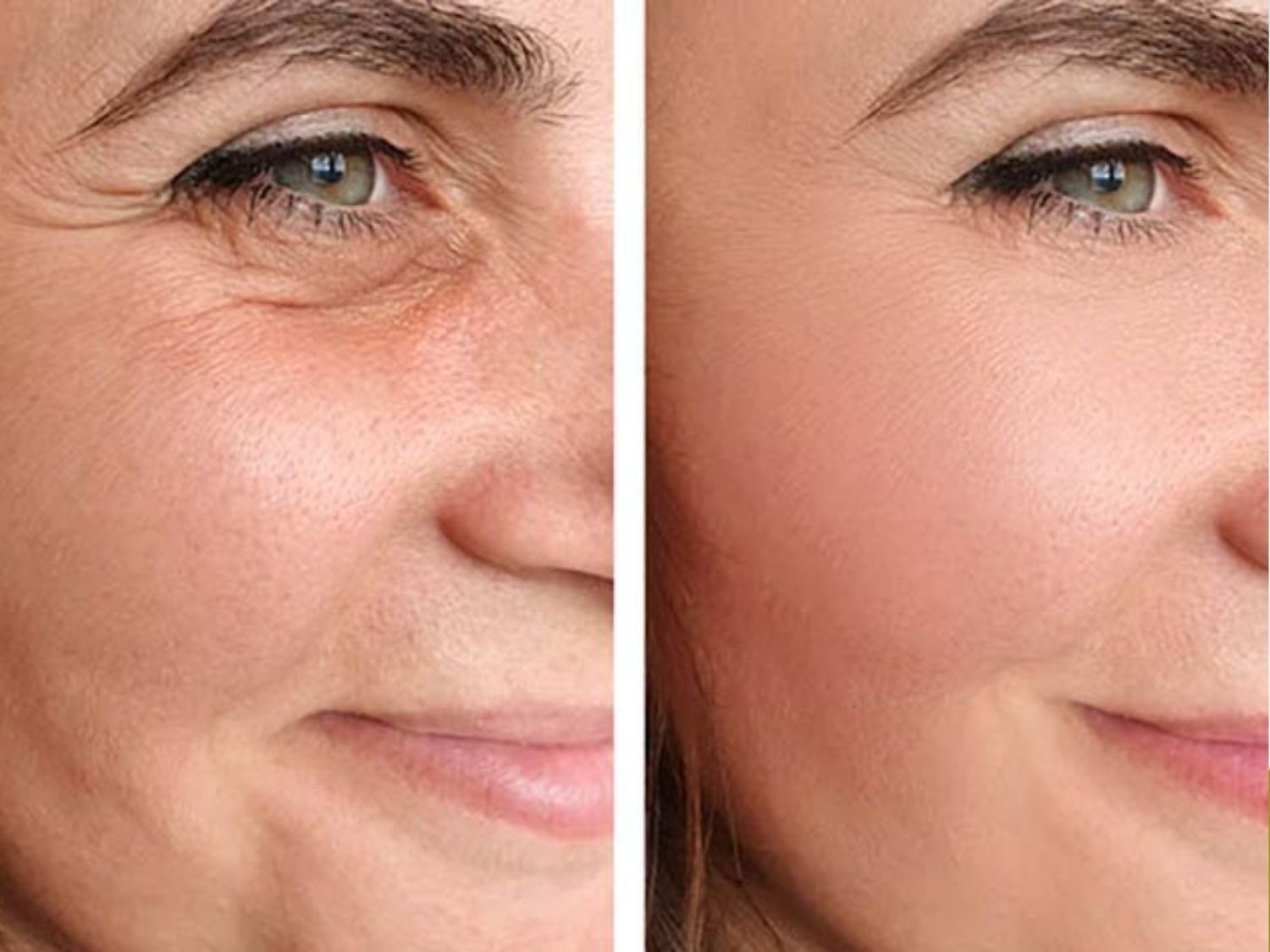
- Mild skin laxity: Slight sagging around the cheeks or mouth with reduced firmness—an ideal stage for early, less invasive intervention.
- Loss of a defined jawline: The lower jaw becomes less sharp, creating a subtle sagging appearance that can be improved with a mini facelift.
- Slight drooping of the lower cheeks: Soft tissues begin to descend due to gravity; lifting them restores facial balance.
- A tired or less firm appearance: Even without deep wrinkles, the face may lack vitality due to loosened skin.
- Not yet requiring a full facelift: If aging is not severe, a mini facelift offers effective results with less invasiveness and shorter recovery.
IV – Key Advantages of a Mini Facelift
The mini facelift offers several benefits, including minimal invasiveness, shorter incisions, faster recovery, suitability for those not ready for major surgery, and natural-looking results.
- Minimal invasiveness: Targets early aging areas such as the lower cheeks and jawline without deep, full-face intervention, reducing physical strain during and after surgery.
- Shorter incisions: Incisions are small and typically placed around the ears, making scars easier to conceal and improving post-recovery aesthetics.
- Faster recovery: Due to limited intervention, swelling and bruising are usually less severe, allowing many patients to resume light activities within 1–2 weeks.
- Suitable for those avoiding major surgery: Provides noticeable lifting and contour improvement without the intensity of a full facelift.
- Natural results: When performed at the appropriate stage, results appear harmonious and not “overdone,” preserving the individual’s natural features while enhancing youthfulness.
V – How Does a Mini Facelift Compare to Other Early Aging Treatments?
| Method | Level of Intervention | Lifting Effect | Duration | Suitable For |
| Non-surgical (laser, RF, etc.) | Non-invasive | Mild | Short-term (a few months) | Very early aging |
| Thread lift | Minimally invasive | Moderate | 6–18 months | Mild skin laxity |
| Filler/Botox injections | Non-invasive | No significant lifting | 6–12 months | Volume loss, dynamic wrinkles |
| Mini facelift | Mildly invasive | Noticeable lifting in lower cheeks and jawline | 3–5 years | Mild to moderate aging |
| Full facelift | Deeply invasive | Comprehensive lifting | 7–10 years | Severe aging |
VI – Is a Mini Facelift the Best Option for All Early Aging Cases?
Not all early aging cases require a mini facelift. For individuals with very mild signs such as slight loss of firmness or fine lines, non-surgical treatments may be sufficient.
On the other hand, if sagging is already pronounced or has progressed over time, a mini facelift may not provide adequate results, and more advanced procedures should be considered. Choosing the wrong method can lead to unsatisfactory outcomes or the need for revision.
Therefore, an in-person consultation with a qualified doctor is essential to accurately assess the level of aging and determine the most appropriate treatment, ensuring both safety and optimal results.
VII – Cost of Mini Facelift in Ho Chi Minh City
| Service | Price (USD) |
| 3D Facelift | ~$2,461.54 |
| Facelift + Neck Combo | ~$3,423.08 |
| Forehead Lift | ~$1,923.08 |
| Neck Lift | ~$1,923.08 |
| Temple Lift | ~$1,346.15 |
For major surgical procedures, an additional 5% fee applies, while minor procedures are subject to a 10% surcharge.
Costs vary depending on:
- Technique used: Costs vary depending on whether the procedure is a mini facelift, full facelift, or an advanced technique like a 3D facelift. More complex procedures require longer operating time, higher expertise, and specialized equipment, leading to increased costs.
- Degree of aging: More severe aging—such as significant skin laxity, deep wrinkles, or combined face and neck sagging—requires more extensive correction, resulting in higher costs due to increased surgical complexity.
- Surgeon’s experience: Highly experienced surgeons or facial rejuvenation specialists typically charge higher fees, reflecting their expertise, precision, and ability to manage complex or revision cases.
- Facility quality: Accredited hospitals and high-standard aesthetic centers often have higher costs due to modern equipment, sterile operating environments, and comprehensive medical support systems, all of which enhance safety and outcomes.
- Anesthesia costs: This includes anesthetic medications, monitoring systems, and the anesthesiology team. Procedures requiring general anesthesia typically incur higher costs.
- Post-operative care: Expenses may include medications, follow-up visits, wound care, and recovery monitoring. Some facilities offer package pricing, while others charge separately depending on the services provided.
VIII – Is a Mini Facelift Right for You?
The decision to undergo a mini facelift should be based on your actual aging condition, rather than following trends. Below are specific cases to help determine suitability:
- Early to moderate aging → Suitable for a mini facelift
- Mainly mild laxity in the lower face → Suitable for a mini facelift
- Slight loss of skin firmness, no significant sagging yet → Non-surgical treatments should be considered
- Severe aging with significant skin laxity and neck sagging → A full facelift should be considered
Each face has a different structure and level of aging; therefore, individualized assessment is very important. A qualified doctor will determine the most appropriate treatment method to avoid under-treatment or over-treatment.