Date posted: 12-01-2026 | Last updated : 14-01-2026
Rhinoplasty is one of the most popular cosmetic procedures among international patients visiting Vietnam. However, before making a decision, it is essential to clearly understand the advantages, limitations, and appropriate candidates for this procedure in order to ensure safety and achieve the desired outcomes.
I – What Is Rhinoplasty? Why Are More International Patients Choosing Rhinoplasty in Vietnam?
Rhinoplasty is a cosmetic surgical procedure designed to improve the shape, size, and structure of the nose, creating a higher nasal bridge and a more balanced, harmonious facial appearance.
In recent years, Vietnam has attracted not only overseas Vietnamese but also international patients from developed countries such as the United States, Australia, South Korea, and Europe for rhinoplasty, thanks to several outstanding advantages, including:
- Competitive costs: The cost of rhinoplasty in Vietnam is typically 3 to 5 times lower than in the United States, Australia, or Western countries, while the quality of implant materials (such as Surgiform and Nanoform) is comparable, as these materials are officially imported and meet medical standards.
- Highly skilled surgeons: Vietnamese plastic surgeons gain extensive experience through a high volume of diverse clinical cases. They are particularly proficient in structural rhinoplasty, an advanced technique that reconstructs the nasal framework, including the nasal bridge and nasal tip.
- Advanced medical technology: Major aesthetic hospitals in Vietnam are equipped with modern imaging and simulation systems, as well as sterile operating rooms that meet international surgical standards.
- Combination of treatment and travel: Vietnam offers many attractive tourist destinations and affordable living costs. Many patients choose to combine cosmetic procedures with medical tourism in major cities such as Ho Chi Minh City, Hanoi, and Da Nang.

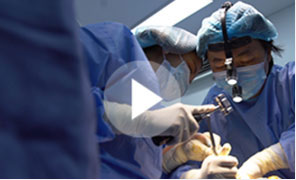
Rhinoplasty in Vietnam offers numerous conveniences
Among aesthetic medical facilities in Vietnam, Kangnam Aesthetic Hospital is regarded as a reputable destination and is widely chosen by international and overseas Vietnamese patients for rhinoplasty. The hospital has an experienced team of surgeons, applies modern rhinoplasty techniques, uses medically approved materials, and follows strict surgical safety protocols. As a result, Kangnam is considered one of the reliable rhinoplasty providers in Vietnam for international patients.
II – Advantages of Rhinoplasty
Rhinoplasty offers multiple benefits in terms of aesthetics, functional improvement, and psychological well-being, including:
- Enhanced facial aesthetics: The procedure corrects concerns such as a low nasal bridge, short or upturned nose, and wide nasal alae, helping create more refined, balanced, and well-defined facial features.
- Improved breathing function: Structural rhinoplasty with septal correction can widen the airway and address breathing difficulties or nasal obstruction caused by congenital septal deviation.
- Increased self-confidence: Satisfaction with one’s appearance often leads to greater confidence in communication, which may contribute to improved professional opportunities and social interactions.
- High biocompatibility: The use of autologous cartilage or premium biocompatible implants helps minimize the risk of rejection, allergic reactions, and complications such as redness or thinning at the nasal tip.
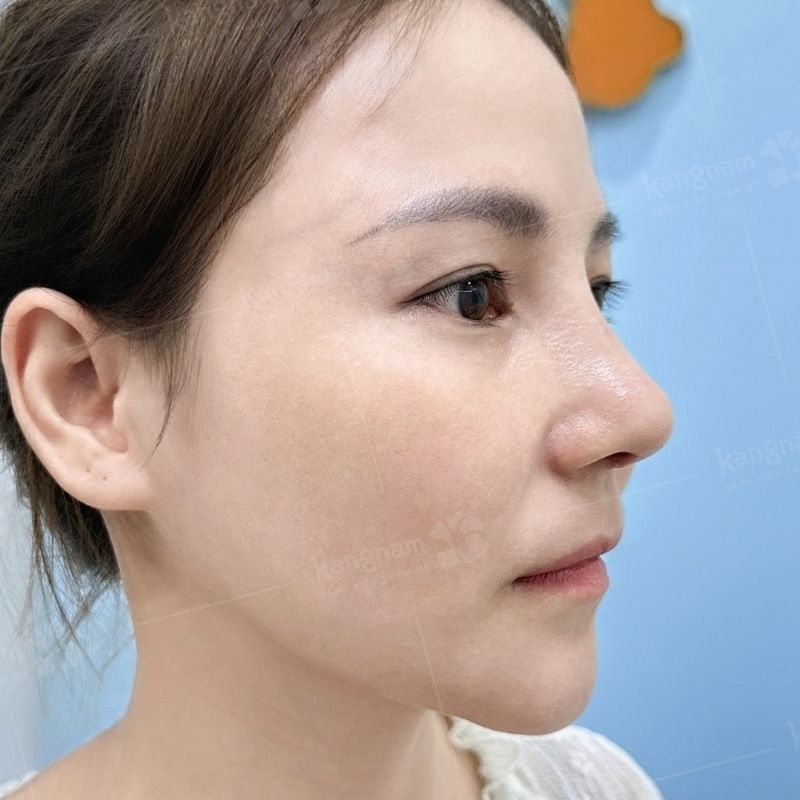
A natural-looking nose after surgery
III – Disadvantages and Potential Risks of Rhinoplasty
In addition to its aesthetic benefits, rhinoplasty is an invasive medical procedure and therefore carries certain disadvantages and potential risks, including:
- Prolonged recovery time: Splint removal and suture removal typically occur within 7–10 days. However, for the nose to fully stabilize, achieve a natural shape, and for all swelling to completely subside, it may take 3–6 months.
- Infection: Signs may include persistent redness, swelling, pain, discharge, or fever. This is one of the most serious risks and requires prompt medical treatment.
- Hematoma and nosebleeds: A small amount of fluid or blood oozing is normal after surgery. However, heavy bleeding or large bruising/swelling around the nose and eyes requires immediate medical attention.
- Nasal deviation or implant displacement: This may result from strong impact while the nose is still unstable or from improper implant placement due to surgical technique.
- Redness at the nasal tip and implant visibility: Over time, excessive height or overly rigid implants can cause thinning of the nasal skin, leading to redness at the tip or visible implants, which affects aesthetic outcomes.
- Nasal contracture: The nose may gradually become shorter or upturned due to tissue reaction to implant materials or as a consequence of prior infection.
- Nasal tip perforation: In cases where the implant presses against the nasal tip skin for an extended period, it may eventually cause skin breakdown and perforation.
- Breathing difficulties: In some cases, excessive structural alteration may narrow the airway or cause septal deviation, negatively affecting nasal breathing.
IV – Who Should Consider Rhinoplasty?
The decision to undergo rhinoplasty should be carefully considered based on an individual’s overall health, current nasal structure, and psychological readiness. The following groups may be appropriate candidates for rhinoplasty:
- Individuals with aesthetic nasal concerns such as a low or flat nasal bridge, hump, deviation, or a bulbous nasal tip.
- Patients who have previously undergone rhinoplasty but are dissatisfied with the results, or who experience issues such as implant visibility, deviation, or other complications.
- Individuals with congenital nasal deformities such as cleft lip and palate that affect nasal structure.
- Patients with nasal deformities after trauma that may also obstruct the airway and impair breathing.
- Individuals seeking to improve facial appearance to enhance confidence and quality of life.
- People in stable general health without medical conditions that contraindicate surgery.
- Adults aged 18 and older, when facial bone structure and nasal cartilage have fully developed.

Individuals with a low or flat nose should consider rhinoplasty
V – Important Considerations for International Patients Undergoing Rhinoplasty in Vietnam
To ensure a smooth and safe rhinoplasty journey in Vietnam, international patients are advised to consider the following key points:
- Schedule an online consultation with the surgeon before traveling: A video consultation allows the surgeon to preliminarily assess your nasal structure and aesthetic goals, develop a tentative surgical plan, and help you clearly understand the expected procedure, costs, and necessary preparations.
- Plan an adequate length of stay: Patients should allow at least 7–10 days in Vietnam for surgery, follow-up visits, and suture removal before returning home. Sufficient recovery time helps stabilize the surgical site, reduce swelling, and ensure safety before flying.
- Choose facilities with comprehensive support services: Priority should be given to hospitals that provide airport transfer services, postoperative accommodation, or on-site professional aftercare teams to support recovery.
- Maintain follow-up communication after returning home: Even after leaving Vietnam, patients should continue to update their surgeon with photos or videos according to the recommended schedule. Ongoing communication enables timely guidance on postoperative care at each stage of recovery.

Achieve a beautifully elevated nose by choosing Kangnam
VI – So, Should You Undergo Rhinoplasty?
Rhinoplasty may be recommended when there is an appropriate medical and aesthetic indication and the procedure is performed at a reputable medical facility. Modern rhinoplasty techniques allow for safe structural correction with minimal invasiveness and faster recovery, helping improve both nasal function and facial aesthetics.
However, the decision to undergo rhinoplasty should always be based on a professional medical examination and a comprehensive health assessment, rather than personal preference alone.
At Kangnam Aesthetic Hospital, international patients can receive one-on-one online consultations with surgeons before traveling to Vietnam, allowing for an initial assessment of nasal conditions, personalized treatment recommendations, and preliminary surgical planning. Upon arrival in Vietnam, patients undergo in-person examinations, surgery following standardized medical protocols, and postoperative monitoring. After returning home, patients continue to receive remote follow-up support, making the entire rhinoplasty process safer, more convenient, and more reassuring for international patients.