Date posted: 14-01-2026 | Last updated : 25-05-2026
Swelling and bruising after rhinoplasty is a common concern for many clients undergoing nose aesthetic procedures. Understanding the causes, recovery timeline, and effective ways to control swelling and bruising will help you feel more at ease and proactively plan a safe and effective beauty journey.
I – What Is Swelling and Bruising After Rhinoplasty? What Causes It?
Swelling and bruising after rhinoplasty are normal physiological responses of the body following nasal aesthetic intervention. This occurs when soft tissues and small blood vessels beneath the skin are affected during tissue dissection, structural modification, or the placement of nasal implants. Temporary accumulation of blood and tissue fluid leads to swelling and bruising around the nasal bridge, nasal tip, or may mildly spread to the eye area.
Main Causes of Swelling and Bruising After Rhinoplasty
- Degree of surgical intervention: Procedures involving structural modification (structural rhinoplasty, semi-structural rhinoplasty, revision rhinoplasty, etc.) typically affect deeper layers of soft tissue and cartilage, resulting in more noticeable swelling and bruising.
- Individual physiology: Blood clotting ability, tissue elasticity, and recovery speed vary from person to person. Some individuals are more prone to bruising or experience prolonged swelling compared to average.
- Surgical technique and surgeon’s expertise:A skilled surgeon with precise, minimally invasive techniques and good soft-tissue control can significantly reduce post-operative swelling and bruising.
- Post-operative care regimen: Failure to follow aftercare instructions, improper daily activities, or unsuitable dietary habits can prolong swelling.
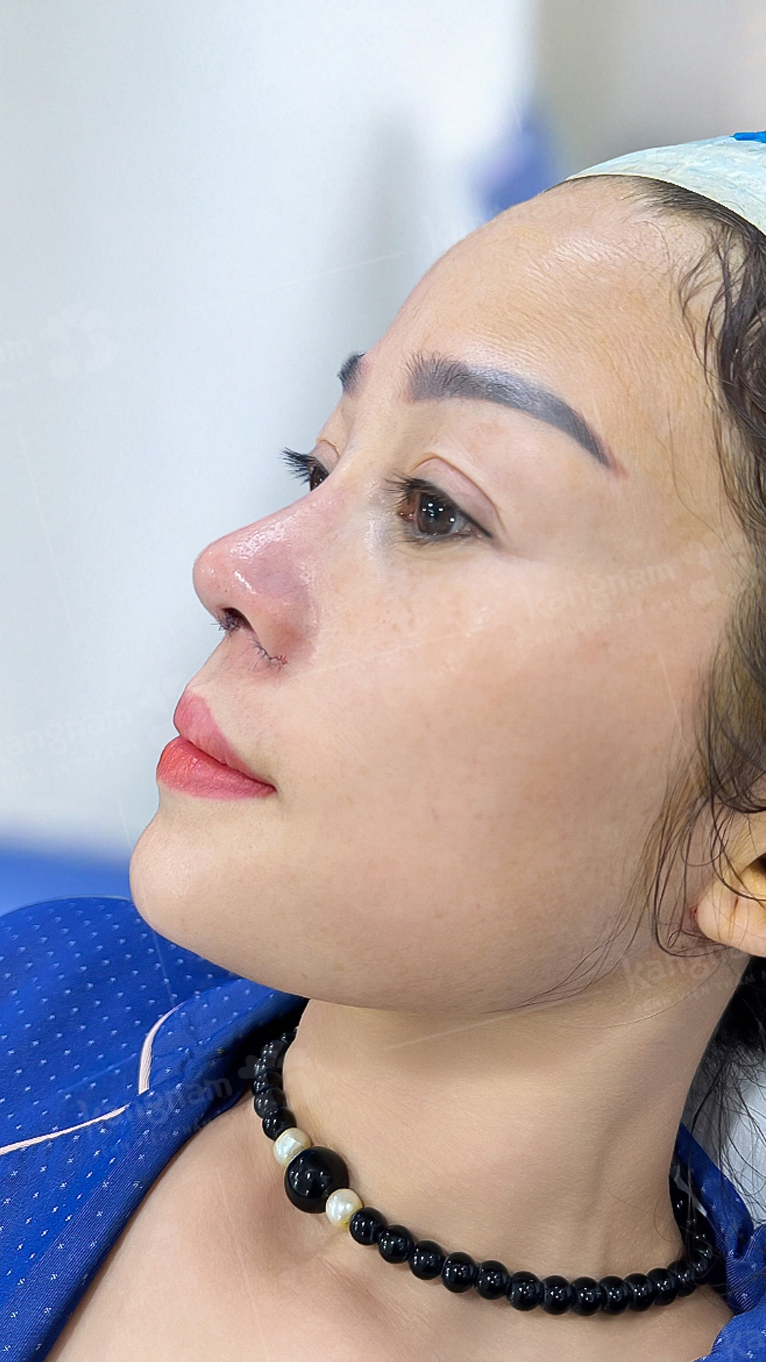
Swelling and bruising after rhinoplasty are normal occurrences.
II – How Long Does Swelling and Bruising Last After Rhinoplasty?
Swelling and bruising after rhinoplasty typically last 7–10 days, with the most noticeable swelling occurring within the first 2–3 days, then gradually subsiding after the first week.
- Days 1–3:Immediately after surgery, the nose and facial area often appear significantly swollen, accompanied by bruising. The nasal tip may feel enlarged, tight, and firm. Nasal congestion may occur due to unstable soft tissues.
- Days 3–7:Bruising begins to fade, gradually turning light yellow and becoming less visible. Swelling decreases day by day, and discomfort around the nose improves markedly.
- After 7 days:Most swelling has nearly resolved, though the nose has not fully settled into its final shape. The nasal tip may still appear larger than usual due to residual internal soft tissue swelling.
- After about 1 month:For individuals with normal healing capacity, swelling resolves completely and the nasal shape becomes more stable and natural. In those with sensitive physiology or slower recovery, additional time may be needed for full swelling reduction and optimal stabilization.
Here is the same journey visualized week by week:

Patients need to wear a splint immediately after rhinoplasty.
III – When Is Post-Rhinoplasty Swelling and Bruising Abnormal?
Swelling and bruising are considered abnormal if they do not improve after 10–14 days or are accompanied by symptoms such as severe pain, redness and warmth, yellow discharge or pus, fever, or abnormal nasal hardness or deviation.
You should contact your doctor immediately if you experience any of the following:
- Swelling does not subside after 10–14 days or worsens.
- Severe or spreading pain that does not improve despite prescribed medication.
- Red, hot nasal skin with yellow discharge or pus and unpleasant odor.
- Mild or high fever with prolonged fatigue.
Nose appears deviated, misshapen, excessively tight, or unusually hard compared to the early post-operative stage.
If you are currently experiencing any of the abnormal signs described above following a previous rhinoplasty, Kangnam’s revision specialists are available for remote consultation.
IV – Safe Ways to Reduce Swelling and Bruising After Rhinoplasty
To minimize swelling and bruising, patients should apply cold compresses during the first 48 hours, take medications as prescribed, rest with the head elevated, and avoid strong impact on the nose.
- Proper cold compress within the first 48 hours:Cold compresses help constrict blood vessels, reduce swelling, and limit bruising. Apply gently around the nose and eye area; avoid placing ice directly on the operated nasal bridge.
- Take medications exactly as prescribed:Anti-inflammatory, pain-relief, and anti-edema medications must be taken in the correct dosage and duration. Do not self-medicate or add supplements without medical approval.
- Adequate rest and elevated head position:When sleeping, keep your head elevated to reduce blood flow to the nasal area, especially during the first week post-surgery.
- Avoid strenuous activities and nasal impact:Do not bend your head too low, engage in intense exercise, or touch and manipulate the nose early on to prevent increased swelling or nasal deviation.
- Healthy diet:Limit foods that may trigger inflammation such as alcohol, spicy foods, seafood, beef, and sticky rice products. Prioritize vitamin C–rich foods, protein, and adequate hydration to support recovery.
- Follow-up visits as scheduled:Regular follow-ups allow doctors to monitor healing progress, detect abnormalities early, and adjust care promptly—especially important for international clients with limited stay durations.

Apply a cold compress after rhinoplasty to reduce swelling and bruising.
V – How to Minimize Swelling and Bruising From the Start?
To reduce swelling and bruising from the outset, clients should choose an experienced surgeon, minimally invasive rhinoplasty techniques, and a medical-standard aesthetic facility.
- Choose minimally invasive rhinoplasty techniques:Modern, personalized rhinoplasty methods tailored to facial structure minimize soft tissue dissection, reducing vascular injury and post-operative swelling.
- Highly qualified and precise surgeons:A surgeon’s expertise plays a key role in controlling swelling. Experienced surgeons operate gently, respect anatomical layers, minimize bleeding, and shorten recovery time.
- Advanced anesthesia and sedation techniques:Modern pain-free anesthesia methods help patients remain comfortable during surgery while reducing vascular spasms and inflammatory responses, thereby limiting swelling.
- Use of high-quality nasal implants:Premium biocompatible implants integrate well with the body, enabling faster stabilization and reducing the risk of prolonged inflammation or rejection.
- Standardized post-operative care protocols:Strict adherence to medical aftercare procedures and close monitoring during the early days help detect abnormalities early and optimize recovery.
Minimizing swelling begins before the procedure with the right surgeon, the right technique, and the right facility. Kangnam’s standards are specifically designed to reduce post-operative swelling and support faster, safer recovery.
VI – Rhinoplasty Treatment and Care for International Clients at the Aesthetic Hospital
Kangnam Aesthetic Hospital is recognized as the No.1 rhinoplasty center in Vietnam, having successfully performed over 20,000+ nasal aesthetic procedures, known for natural results, effective swelling control, and accelerated recovery.
- Idol Rhinoplasty technology – minimal swelling:Kangnam pioneers Idol Rhinoplasty technology, designing personalized nasal shapes based on facial proportions. This minimally invasive approach helps the nose settle quickly with less swelling and bruising compared to traditional techniques.
- Modern pain-free anesthesia:Kangnam’s anesthesia procedures follow strict medical standards, ensuring maximum comfort during surgery while minimizing pain and inflammation.
- Cold plasma technology for swelling reduction:Technologies such as plasma scalpels and cold plasma therapy help seal blood vessels, reduce bleeding and bruising, and promote faster wound healing.
- Highly experienced rhinoplasty specialists:Kangnam’s surgeons each have at least 10 years of experience, particularly in complex and revision rhinoplasty cases, ensuring safety and long-lasting aesthetic outcomes.
- Premium, clearly sourced nasal materials:Only high-quality biocompatible and autologous cartilage materials are used, minimizing complications and reducing post-operative inflammation risks.
- Comprehensive care for international clients:International patients receive full support—from online consultation, reception, surgery, post-operative care to follow-up visits—providing complete peace of mind even with short stays in Vietnam.

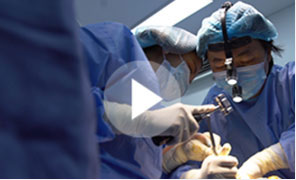
Kangnam has a team of highly skilled doctors and applies a variety of rhinoplasty technologies.
VII – Frequently Asked Questions
1. Does swelling and bruising after rhinoplasty affect long-term results?
No. When swelling and bruising are within normal limits and properly managed, they do not affect long-term aesthetic outcomes. Once soft tissues stabilize, the nose will naturally settle into a harmonious shape. Medical intervention is only needed if prolonged swelling is accompanied by infection or nasal deviation.
2. Does long-haul flying increase nasal swelling?
Long-distance flights may cause mild additional swelling due to pressure changes and blood circulation fluctuations, especially within the first 7–10 days. However, if the nose is stable, shows no abnormalities, and the surgeon approves travel, international clients can fly safely. To minimize swelling, it is recommended to fly after at least 7 days, stay well hydrated, rest adequately, and avoid nasal impact during the journey.
Swelling and bruising after rhinoplasty are completely manageable when the procedure is performed with proper technique by an experienced surgeon at a medical-standard aesthetic facility. To ensure safety, fast recovery, and a naturally beautiful nose, international clients should choose a reputable aesthetic center from the very beginning.
Schedule your complimentary consultation with Kangnam Aesthetic Hospital today and receive a clear, personalized plan for your procedure and recovery.