Date posted: 12-01-2026 | Last updated : 25-01-2026
Current rhinoplasty techniques each have their own advantages, limitations, and levels of effectiveness, helping to improve the shape of the nose in a harmonious and natural way. Depending on the original nasal structure and individual aesthetic goals, each method offers distinct benefits, meeting the diverse expectations of international clients who choose rhinoplasty in Vietnam.
Rhinoplasty is a surgical procedure that improves the shape and proportions of the nose by adjusting the nasal bridge, nasal tip, or internal nasal structures. Depending on each case, the surgeon may perform partial adjustments or a comprehensive reconstruction to change the height, curvature, and contours of the nose, creating a more balanced and harmonious overall facial appearance.
Rhinoplasty is commonly indicated for various cases, including:

Nose augmentation corrects the problem of a wide, coarse nose.
Open, closed, and structural rhinoplasty are all common nasal aesthetic techniques, selected based on the level of intervention required and the individual nasal condition of each client.
In open rhinoplasty, the surgeon creates incisions inside the nasal mucosa on both sides combined with an incision across the columella. This approach allows easier dissection and deeper access to the nasal framework, enabling comprehensive correction of the nose, especially in complex cases.
The nasal columella is typically reconstructed using autologous cartilage such as septal cartilage, rib cartilage, or auricular (ear) cartilage, which helps keep the nasal tip soft and reduces the risk of redness or shine-through. The nasal bridge is then elevated using appropriate synthetic implants tailored to each patient.
Key advantages of open rhinoplasty:

Open rhinoplasty helps to comprehensively reshape the nose.
Closed rhinoplasty is performed through incisions inside the nasal cavity, leaving no external scars. The surgeon inserts the implant through the nasal mucosa to elevate the nasal bridge, minimizing soft-tissue trauma.
Advantages of closed rhinoplasty:
However, due to limited visibility and restricted ability to modify nasal structures, closed rhinoplasty is not suitable for complex cases or those requiring comprehensive correction. Therefore, thorough examination and consultation with a specialized surgeon are essential to ensure safety and optimal aesthetic outcomes.
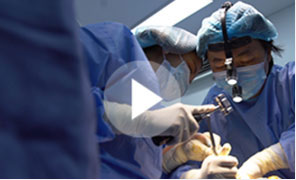
Structural rhinoplasty is currently the most advanced and comprehensive rhinoplasty technique. This method not only elevates the nasal bridge but also reconstructs the entire nasal framework, including the columella, nasal tip, and nasal wings.
In structural rhinoplasty, surgeons combine:
Outstanding advantages of structural rhinoplasty:
Thanks to its comprehensive and safe approach, structural rhinoplasty has become the top choice for many international clients seeking aesthetic enhancement in Vietnam.

Complete nose reshaping
The most effective and suitable rhinoplasty method should be evaluated based on multiple factors, including the original nasal structure, nasal skin condition, aesthetic goals, surgical history, and the desired recovery time of each individual client.
Kangnam Aesthetic Hospital is recognized as one of the leading rhinoplasty centers in Vietnam, thanks to its advanced technology, a team of surgeons with over 10 years of experience, and a track record of more than 10,000 successful rhinoplasty procedures.
Its outstanding advantages include:
Kangnam Aesthetic Hospital is a pioneer in applying Idol Rhinoplasty technology—a modern rhinoplasty technique transferred from South Korea.
Kangnam applies AI Face Design simulation technology during the rhinoplasty consultation process.
Through 3D facial analysis, the AI system helps surgeons predict post-operative nasal outcomes and adjust proportions to suit each facial feature, allowing clients to clearly visualize the expected results.
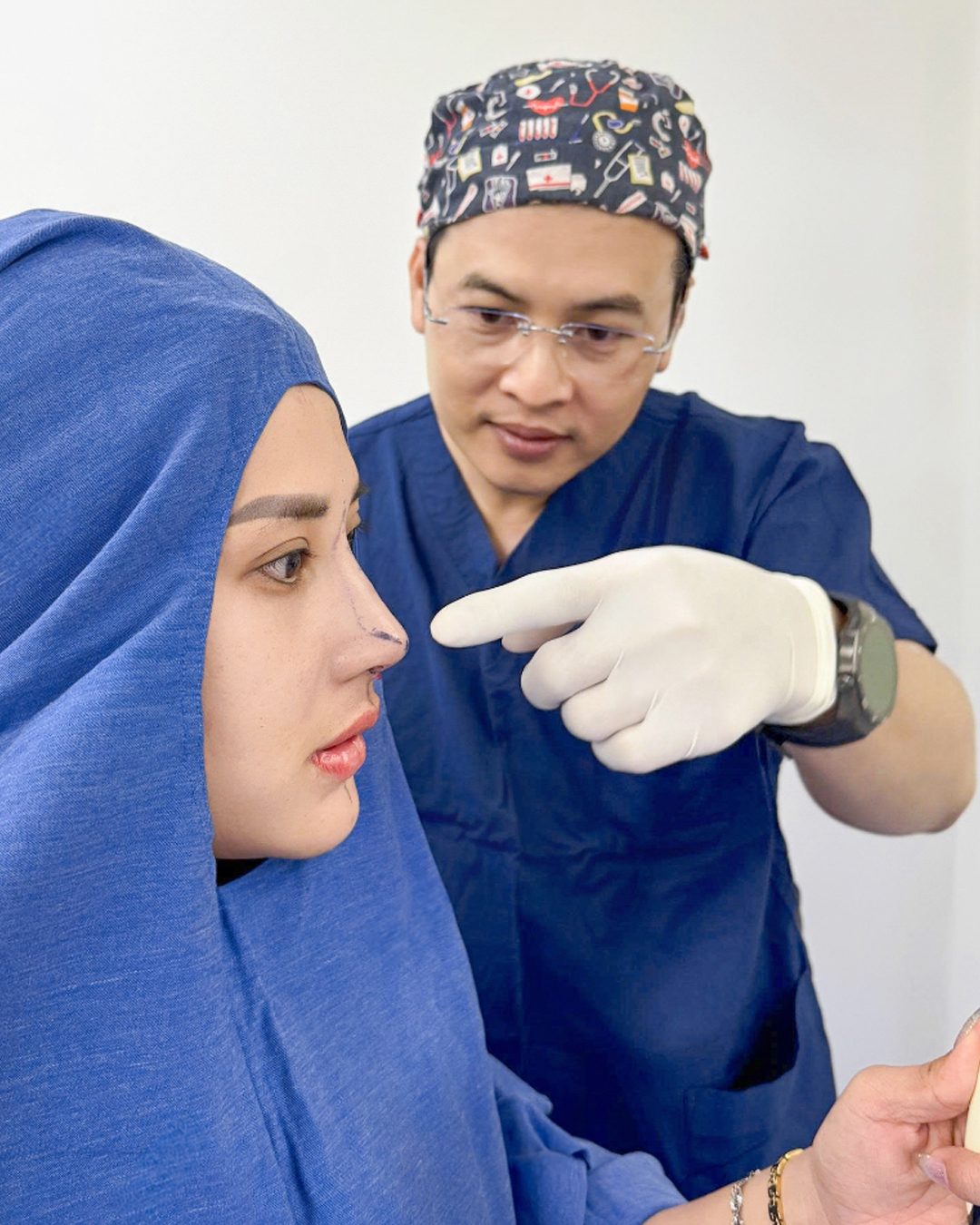
Kangnam has a team of highly skilled rhinoplasty surgeons.
The rhinoplasty procedure in Vietnam—especially at internationally accredited aesthetic hospitals such as Kangnam Aesthetic Hospital—is developed in accordance with strict medical standards to ensure both safety and optimal results.
Step 1: In-depth consultation and examination
Step 2: Comprehensive health check
Step 3: Rhinoplasty surgery
Step 4: Post-operative care and recovery monitoring
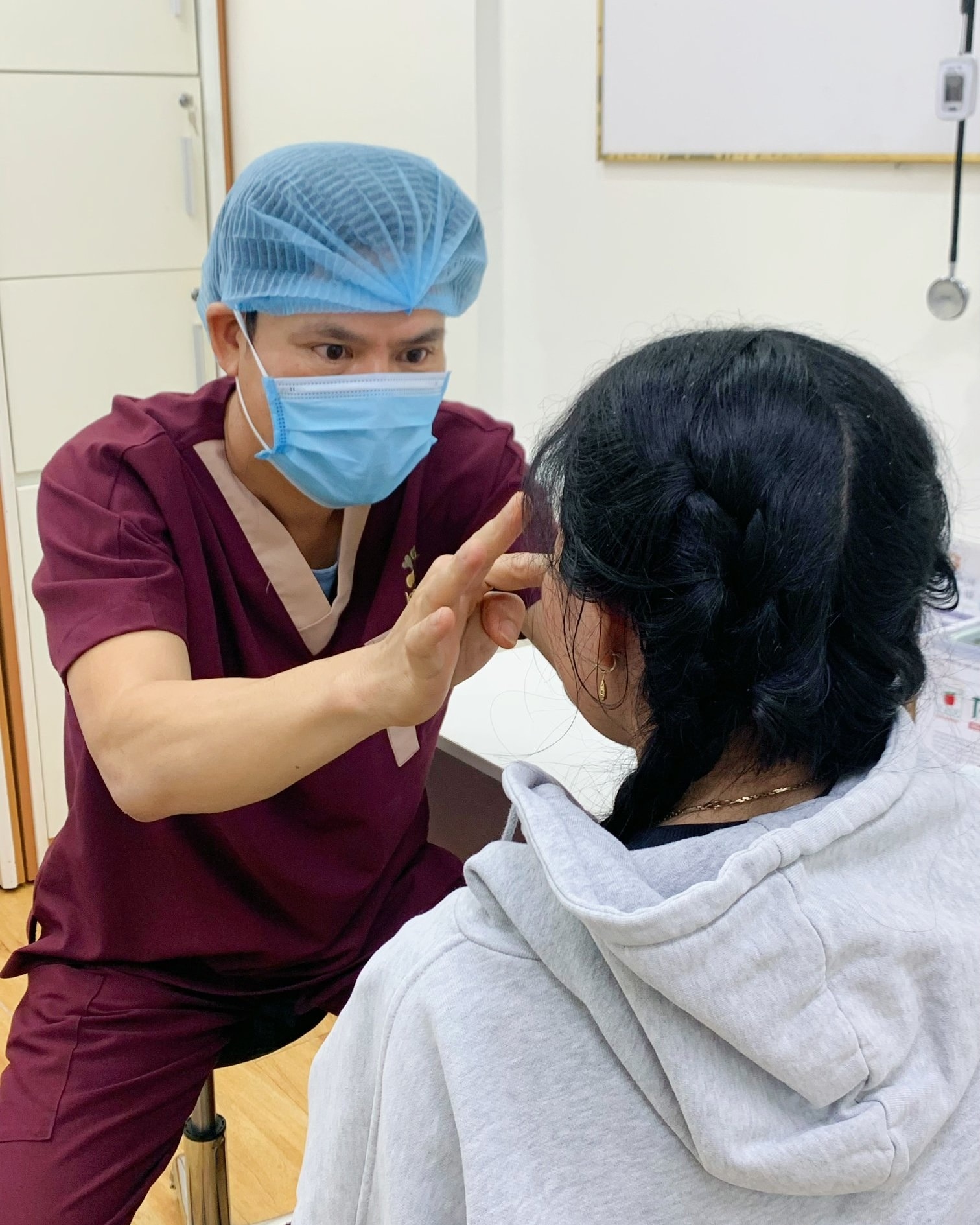
Nose augmentation procedure according to medical standards.
Open rhinoplasty may leave a small scar on the columella; however, after healing, the scar gradually fades and is almost invisible to the naked eye. When performed by an experienced surgeon and followed by proper aftercare, open rhinoplasty remains highly aesthetic and safe in the long term.
Structural rhinoplasty typically lasts 10–20 years or longer, thanks to full nasal framework reconstruction and the combined use of autologous cartilage and high-grade implants. When performed with proper technique and good aftercare, the results can remain stable for many years.
In most cases, international clients can fly home 7–10 days after rhinoplasty, once swelling has significantly subsided and the nose has reached initial stability. During this period, clients attend follow-up visits, suture removal, and receive detailed aftercare instructions. After returning home, online consultations remain available for continued recovery monitoring.
With advanced technology, a highly experienced medical team, and standardized medical procedures, Kangnam Aesthetic Hospital is a trusted destination for international clients seeking a naturally beautiful nose in Vietnam. Contact Kangnam today for in-depth consultation and a personalized nasal design tailored specifically for you.