Date posted: 06-10-2026 | Last updated : 06-10-2026
Western-style rhinoplasty, also known as the High Western or L-Line nose shape, is becoming an increasingly popular aesthetic trend in Vietnam. It attracts not only local patients but also overseas Vietnamese and international visitors thanks to its relatively affordable cost and medically standardized cosmetic procedures.
Kangnam Aesthetic Hospital is a reputable aesthetic hospital system with an experienced team of specialist doctors and modern AI simulation technology, offering personalized rhinoplasty solutions.
Key Features: A Western-style nose typically features a high, straight nasal bridge, a refined and projected tip, and a well-defined forehead-to-nose angle. It is generally well suited to angular facial features or patients with good nasal skin quality.
Advantages in Vietnam: Vietnamese surgeons offer solid professional expertise, adaptable surgical techniques, relatively competitive costs, and attentive postoperative care compared with many international destinations.
Optimal Approach: Advanced biocompatible implants such as Surgiform or Nanoform may be combined with autologous cartilage through comprehensive structural rhinoplasty to support long-term stability and aesthetic refinement.
A Western-style nose focuses on a higher nasal bridge, stronger tip projection, and a slimmer, more defined overall appearance.
Compared with the softer S-Line nose commonly associated with East Asian aesthetics, a Western-style nose typically has several distinctive features:

A Western-style nose is generally suitable for people with more defined facial features, deeper-set eyes, or those who want a bold and modern aesthetic.
Suitable candidates may include:
Plastic surgeons at major hospitals in Vietnam may have the professional training and experience required to perform rhinoplasty on patients with Western nasal anatomy.
According to medical research on rhinoplasty published in the U.S. National Library of Medicine (PubMed), rhinoplasty requires a clear understanding of nasal anatomy as well as differences in skin and structural characteristics among different ethnic groups.
International patients and overseas Vietnamese may value Vietnamese surgeons for several reasons:
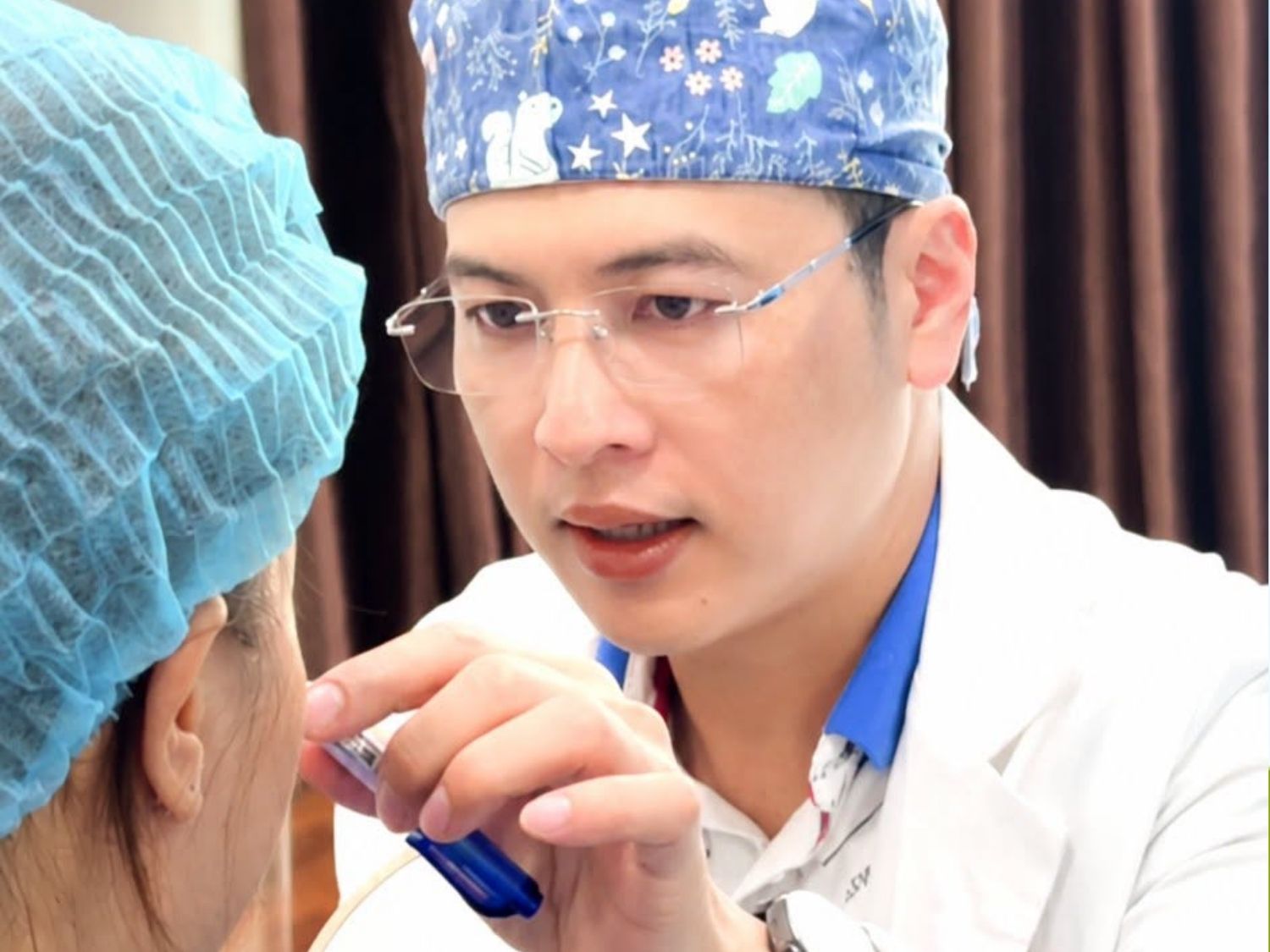
Western-style rhinoplasty commonly uses structural rhinoplasty techniques that combine autologous cartilage with biocompatible implant materials.
Commonly used materials and approaches include:
Western-style rhinoplasty in Vietnam may offer advantages in terms of more affordable costs and convenient postoperative care.
| Comparison Criteria | Western-Style Rhinoplasty in Vietnam | Rhinoplasty in Europe / the U.S. |
| Procedure cost | Generally more affordable and can be significantly less expensive than undergoing surgery abroad. | Usually more expensive, with additional consultation and testing costs. |
| Postoperative care | Medical teams may provide close support, including splint removal and suture care. | Patients may need to manage more of their recovery at home, and follow-up visits can be costly. |
| Scheduling time | Consultation and surgery may be arranged relatively quickly depending on availability. | Consultation and surgical waiting times may be longer. |
| Service warranty | Some providers offer clearly documented warranty or follow-up policies. | Policies vary by clinic, and revision procedures may involve additional fees. |
| Supportive technology | AI-based nose simulation and modern medical equipment may be available. | Advanced technology is also widely available, although service-related costs may be higher. |
International patients should discuss implant materials, recovery time, and travel plans in advance to help ensure a smooth surgical and postoperative process.
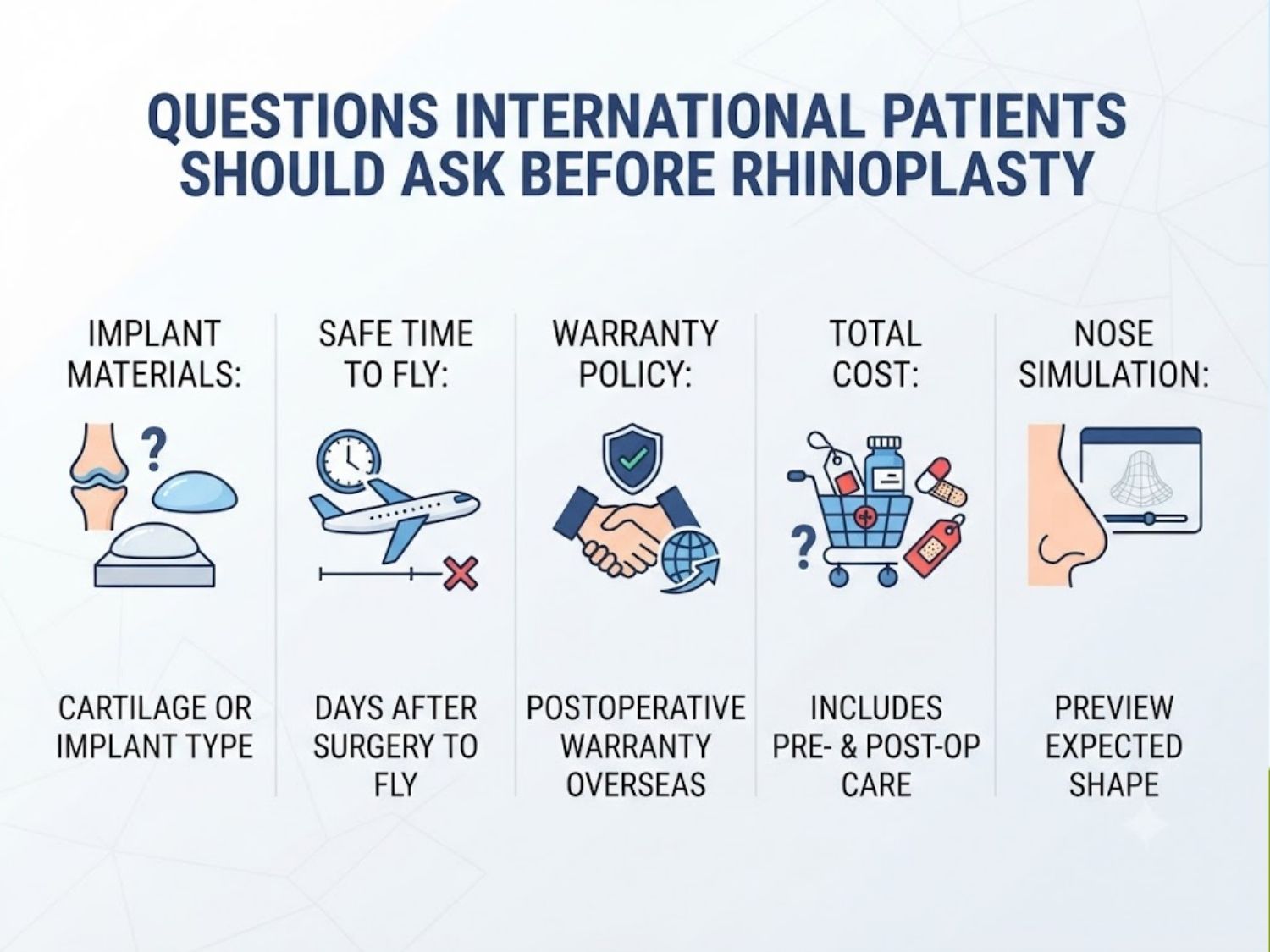
Questions International Patients Should Ask Before Rhinoplasty
When the procedure is appropriately planned and performed by an experienced surgeon, the nasal bridge can be made higher and more defined while still maintaining balance with the overall facial structure.
In many cases, swelling and bruising decrease significantly within about 7–10 days, and the splint may be removed according to the doctor’s assessment. The nose generally continues to settle and become more natural over approximately 1–3 months.
When suitable implant materials are used in combination with autologous cartilage and the nose is properly cared for, the result may remain stable for a long period. Longevity can vary depending on the material, tissue characteristics, surgical technique, aging, trauma, and postoperative care.
During surgery, an appropriate anesthetic technique is used to help control pain. After the anesthesia wears off, patients may experience mild soreness, tightness, or discomfort, which can usually be managed with medication prescribed by the doctor.
If you are looking for a personalized Western-style rhinoplasty solution with balanced proportions and a strong focus on safety, you can consult directly with a specialist doctor to discuss your nasal anatomy, treatment options, and available simulation methods before surgery.