
Date posted: 21-07-2026 | Last updated : 25-07-2026
Eye-wrinkle injections are a popular aesthetic treatment because they can provide relatively quick and noticeable results. However, many people still wonder: “Can eye-wrinkle injections affect my eyes or overall health?” The following article provides a detailed explanation.
Eye-wrinkle injections generally do not affect vision or overall health when they are performed correctly by a qualified doctor using an appropriate dose and injection technique.
Botulinum toxin is injected into selected muscles around the eyes, particularly the muscles responsible for crow’s feet and other dynamic wrinkles. These muscles do not directly control vision.
The doctor carefully determines the dose and injection points for each patient to achieve a natural aesthetic result while reducing the risk of adverse effects.
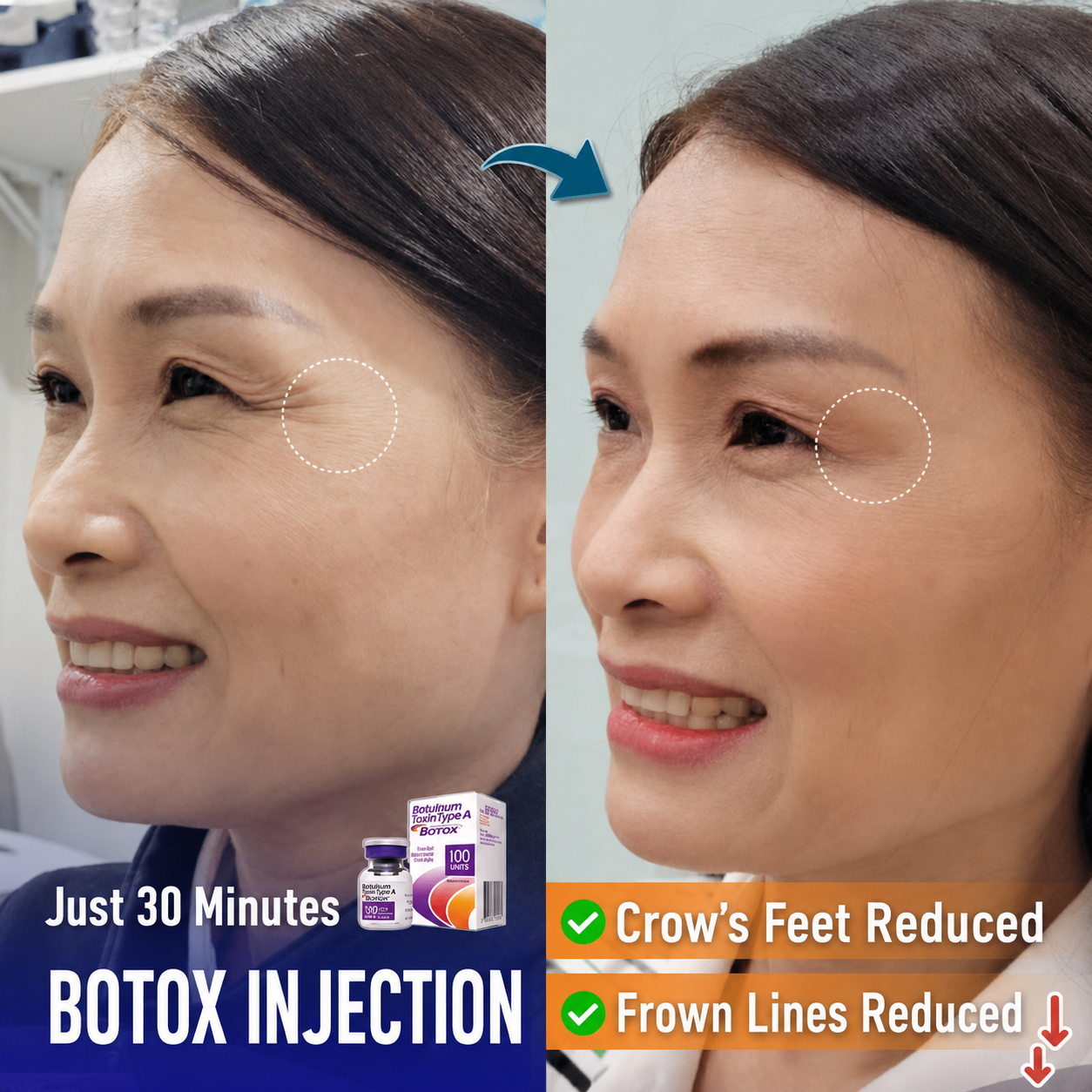
Eye-wrinkle injections should be performed at a reputable medical or aesthetic facility.
Although the treatment is generally considered safe when correctly performed, it is not completely risk-free. Possible temporary side effects may include:
Less commonly, incorrect placement or excessive dosing may cause eyelid drooping, eyebrow asymmetry, dry eyes, excessive tearing, or temporary weakness of nearby muscles.
People who should generally avoid or postpone eye-wrinkle injections include pregnant or breastfeeding women, patients with neuromuscular disorders, people who are allergic to botulinum toxin or its ingredients, and those with an active infection in the treatment area.
There is insufficient clinical evidence to confirm the safety of cosmetic botulinum toxin injections during pregnancy or breastfeeding.
For this reason, elective wrinkle injections are generally postponed until after pregnancy and breastfeeding.
Patients with conditions such as myasthenia gravis may have an increased risk of muscle weakness or worsening symptoms after botulinum toxin treatment.
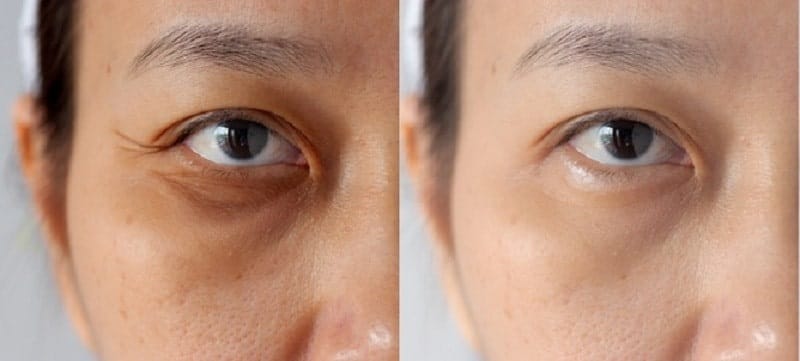
Pregnant women and people with neuromuscular conditions should not receive eye-wrinkle injections without specialist medical advice.
Patients with a known allergy to botulinum toxin or any ingredient in the product should not receive the injection.
Possible allergic symptoms include:
A severe allergic reaction requires emergency medical treatment.
Botulinum toxin should not be injected into skin affected by:
Injecting through infected or damaged skin may increase the risk of complications.
Anticoagulants and antiplatelet medication may increase the risk of bruising or bleeding at the injection sites.
Patients should inform their doctor about all medications and supplements they are taking. They should not stop prescribed blood-thinning medication without consulting the doctor who manages their condition.
To reduce the risk of complications, patients should choose a reputable medical facility, an experienced doctor, and an authentic botulinum toxin product with clear traceability.
The injection should be performed by a dermatologist, aesthetic doctor, plastic surgeon, or another appropriately qualified medical practitioner.
A trained doctor understands:
Accurate placement is particularly important around the eyes because the muscles in this area are small and closely connected.
The product should have:
High-quality, traceable botulinum toxin products support safer and more predictable treatment.
Regulatory approval should be verified for the exact product, manufacturer, and intended indication rather than assumed for all products marketed as Botox.
The treatment facility should have:
An appropriate dose helps soften wrinkles while preserving natural facial expression.
Injecting too much or placing the product in an incorrect location may cause:
At Kangnam Aesthetic Hospital, eye-wrinkle injections are performed by dermatology and aesthetic medical practitioners after an individual assessment.
The doctor evaluates the patient’s facial muscle activity, wrinkle pattern, medical history, and desired outcome before determining the injection plan.
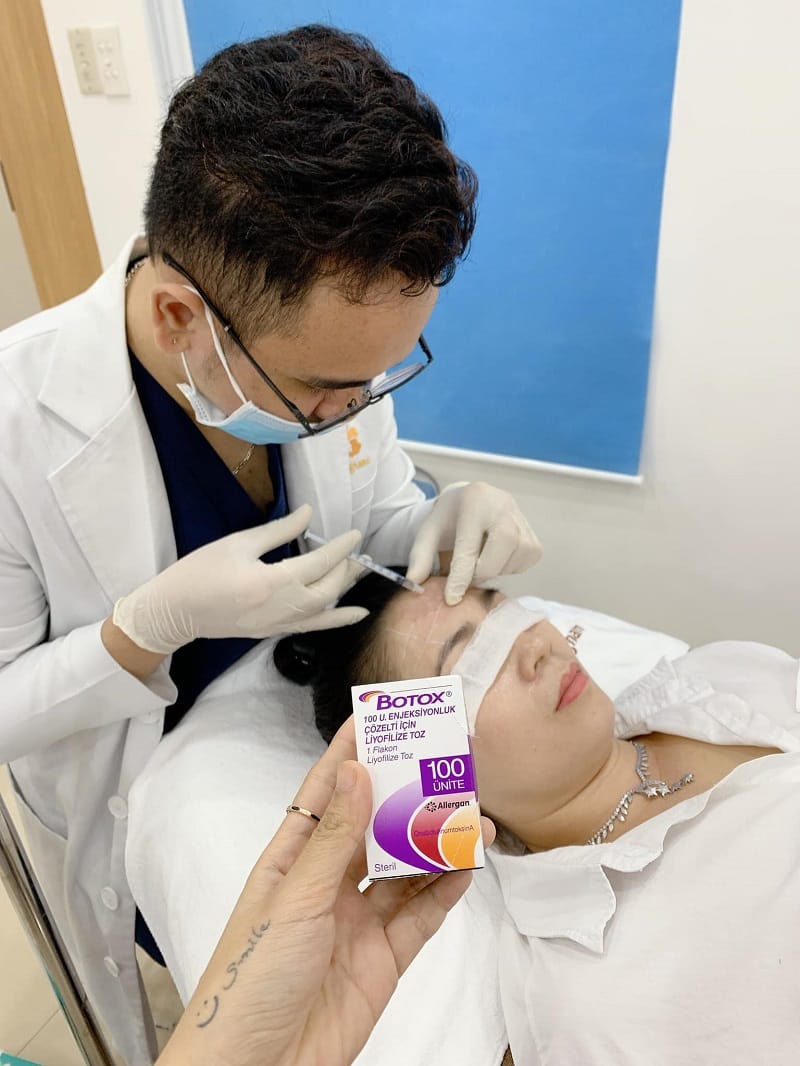
Kangnam’s medical team directly examines and treats each patient.
Kangnam states that it uses traceable imported wrinkle-relaxing products with supporting product documentation. Claims regarding FDA approval should apply only to the exact product and indication that have received such authorisation.
The procedure generally takes approximately 20–30 minutes. Some patients may experience mild swelling, tenderness, or bruising afterward, although many can resume light daily activities relatively soon.
Further information about treatment safety is available in Is Botox Harmful?.
After eye-wrinkle injections, patients should avoid certain activities to protect the treated area and reduce the risk of unwanted product movement or irritation.
Do not massage, rub, squeeze, or apply strong pressure around the eyes for at least 24–48 hours after treatment.
Excessive pressure may irritate the injection sites and may affect the distribution of the product.
Patients may be advised to avoid makeup, exfoliating products, retinoids, acids, and other potentially irritating skincare products around the eyes during the early recovery period.
The exact timing for resuming these products should follow the doctor’s instructions.
Patients should temporarily avoid:
These activities may increase blood flow, swelling, bruising, or discomfort.
Alcoholic drinks, very spicy foods, and other stimulants may be limited for the first one to two days because they can aggravate flushing, swelling, or bruising in some patients.
Patients should avoid sleeping face down or applying pressure to the treated area during the early recovery period.

Avoid lying face down after eye-wrinkle injections.
Some practitioners may also advise remaining upright for several hours after treatment. Patients should follow the specific instructions provided by their doctor.
Contact the treating doctor promptly if you experience:
Severe neurological, breathing, or swallowing symptoms require urgent medical attention.
Eye-wrinkle injections can provide a quick and effective aesthetic improvement when performed by a qualified practitioner using an appropriate product and correct technique.