Date posted: 22-07-2026 | Last updated : 29-07-2026
Whether Botox injections are harmful remains a controversial issue in the aesthetic field. Although Botox has been approved by the FDA and is widely used worldwide, many people are still concerned about its long-term safety. Reports of complications following injections have caused considerable anxiety, particularly among those considering this aesthetic treatment.
Botox injections do not harm health when performed correctly by a qualified dermatologist following the appropriate procedure and dosage. Botox is a purified protein derived from the bacterium Clostridium botulinum and consists of seven types: A, B, C, D, E, F, and G. It can temporarily inhibit muscle activity, thereby reducing wrinkles and creating a slimmer facial appearance.
Although Botox originates from a toxin, it has been proven safe when administered at aesthetic doses and has been approved by the FDA.
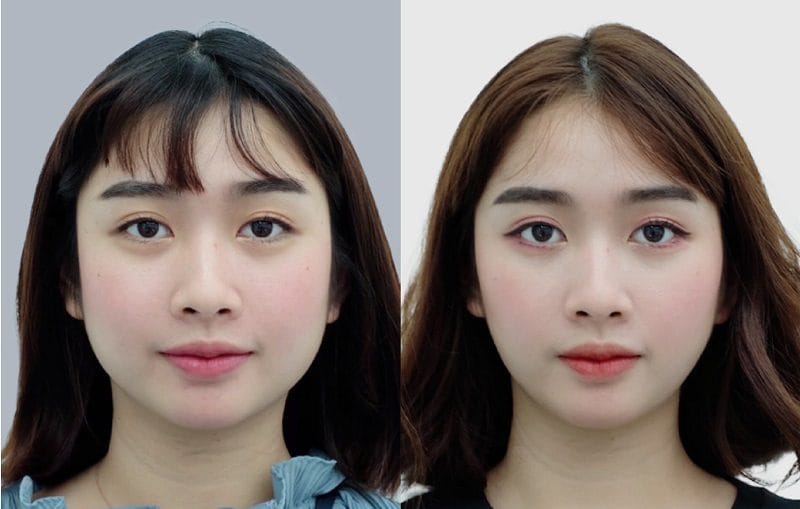
Botox injections do not harm health when performed correctly.
However, Botox injections may cause mild side effects such as swelling, bruising, or headaches, which generally resolve on their own after several days. Serious complications typically occur only when Botox is injected into the wrong location, administered at an incorrect dosage, or when a product of unclear origin is used.
If Botox is injected incorrectly, patients may experience several serious risks and complications, including:
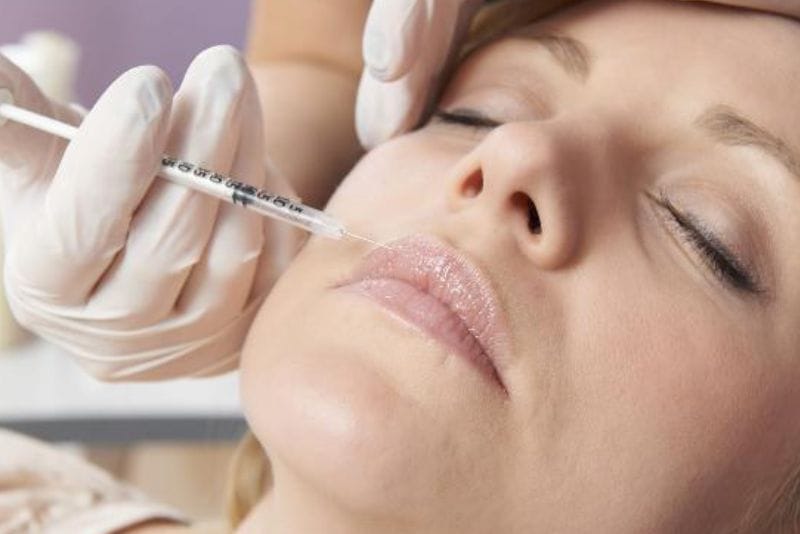
Botox resistance may reduce the effectiveness of future injections.
The following individuals should not receive Botox injections because they may face a higher risk of complications or may not achieve the desired results:
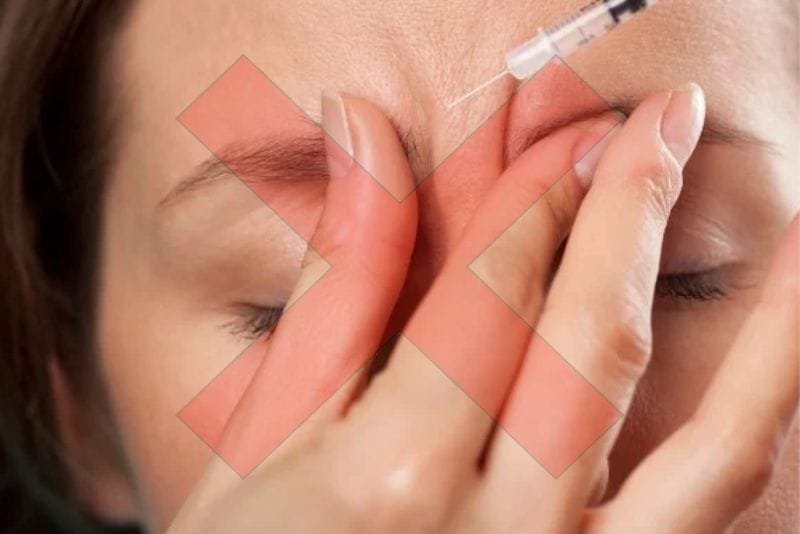
People who have recently undergone surgery should not receive Botox injections.
Before deciding to receive Botox injections, patients should provide complete and accurate information about their health condition and undergo an examination with a specialist doctor to receive the safest individualized advice.
Botox does not accumulate in the body and does not cause long-term effects when administered using the correct dosage and technique. After approximately 3–6 months, the effects of Botox naturally disappear as the substance is broken down and eliminated through the body’s immune system.
Botox does not leave accumulated residue and does not cause permanent damage to muscles or nerves when used correctly. However, excessive use or incorrect injection techniques may lead to complications, muscle imbalance, or Botox resistance over time. Therefore, receiving Botox injections at a reputable aesthetic facility is extremely important.
Kangnam Aesthetic Hospital is one of the reputable facilities currently chosen by many patients for Botox injections. The hospital uses premium Botox products with clearly verified origins and documented safety assessments. The injection procedure follows strict medical standards to ensure sterile conditions and correct technique.
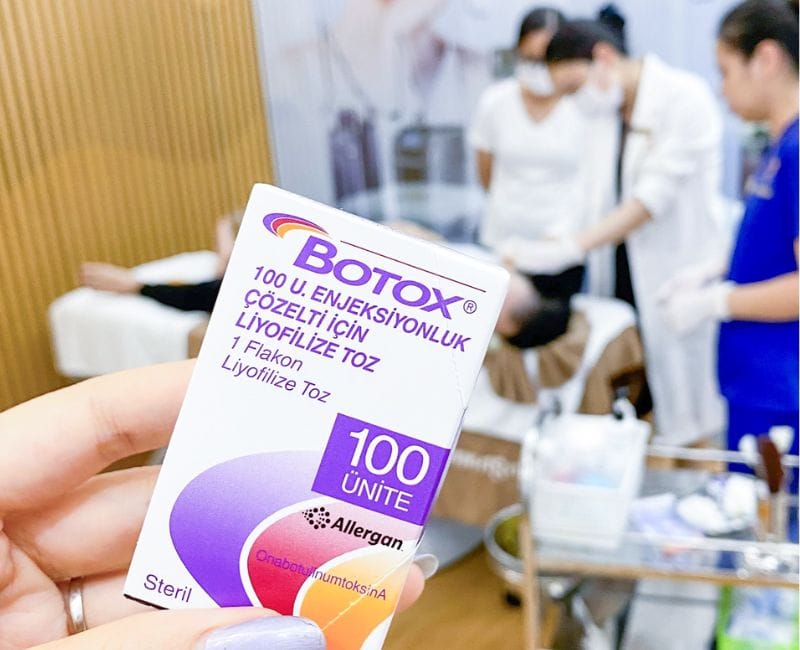
Kangnam uses high-quality Botox products.
Patients are examined and treated directly by dermatologists with more than 10 years of experience. Kangnam’s doctors not only possess extensive professional knowledge but can also accurately assess each muscle area and adjust the Botox dosage according to each patient’s facial structure. This helps minimize risks and creates natural, harmonious aesthetic results.
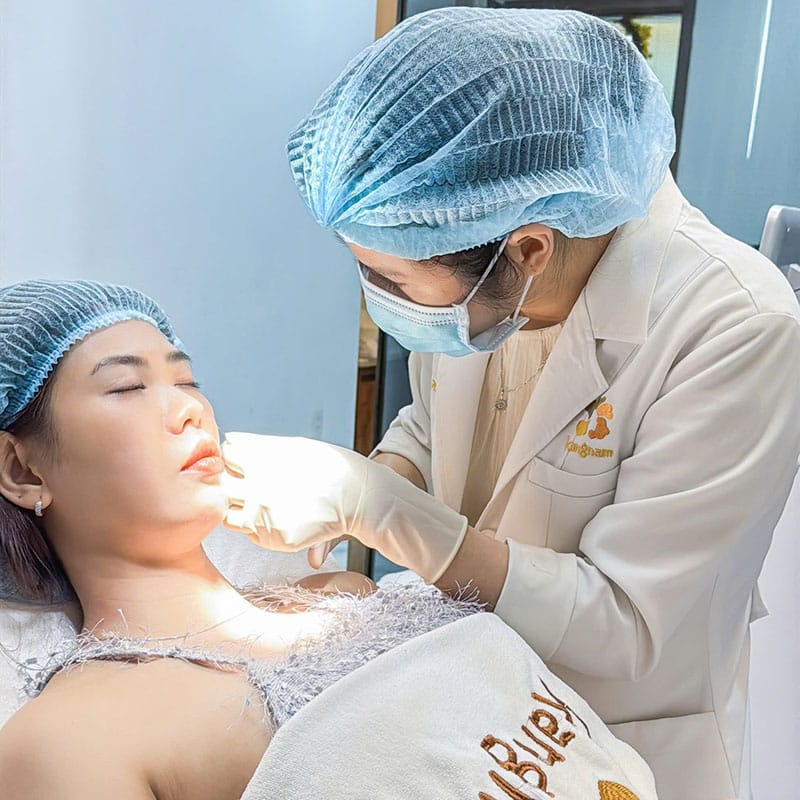
Kangnam applies a safe Botox injection procedure.
Based on the analysis above, whether Botox injections are harmful depends largely on the doctor’s expertise and the quality of the product used. When performed according to the correct procedure, Botox not only avoids causing harm but also provides noticeable aesthetic benefits, helping patients achieve a more youthful appearance and greater confidence.