Date posted: 21-07-2026 | Last updated : 25-07-2026
“How much does a facelift cost?” is a common question among people beginning to explore surgical facial rejuvenation.
Because several facelift techniques are currently available, the total cost may vary significantly depending on the treatment area, degree of facial ageing, surgical complexity, and medical facility. Understanding the factors included in the price can help patients choose a treatment plan that is both appropriate and safe.
At Kangnam, the listed cost of facelift surgery ranges from approximately equivalent to roughly USD 1,330–3,380.
The final price depends on:
For example, a temporal facelift is listed at approximately USD 1,330, while a combined face-and-neck lift is listed at approximately USD 3,382.
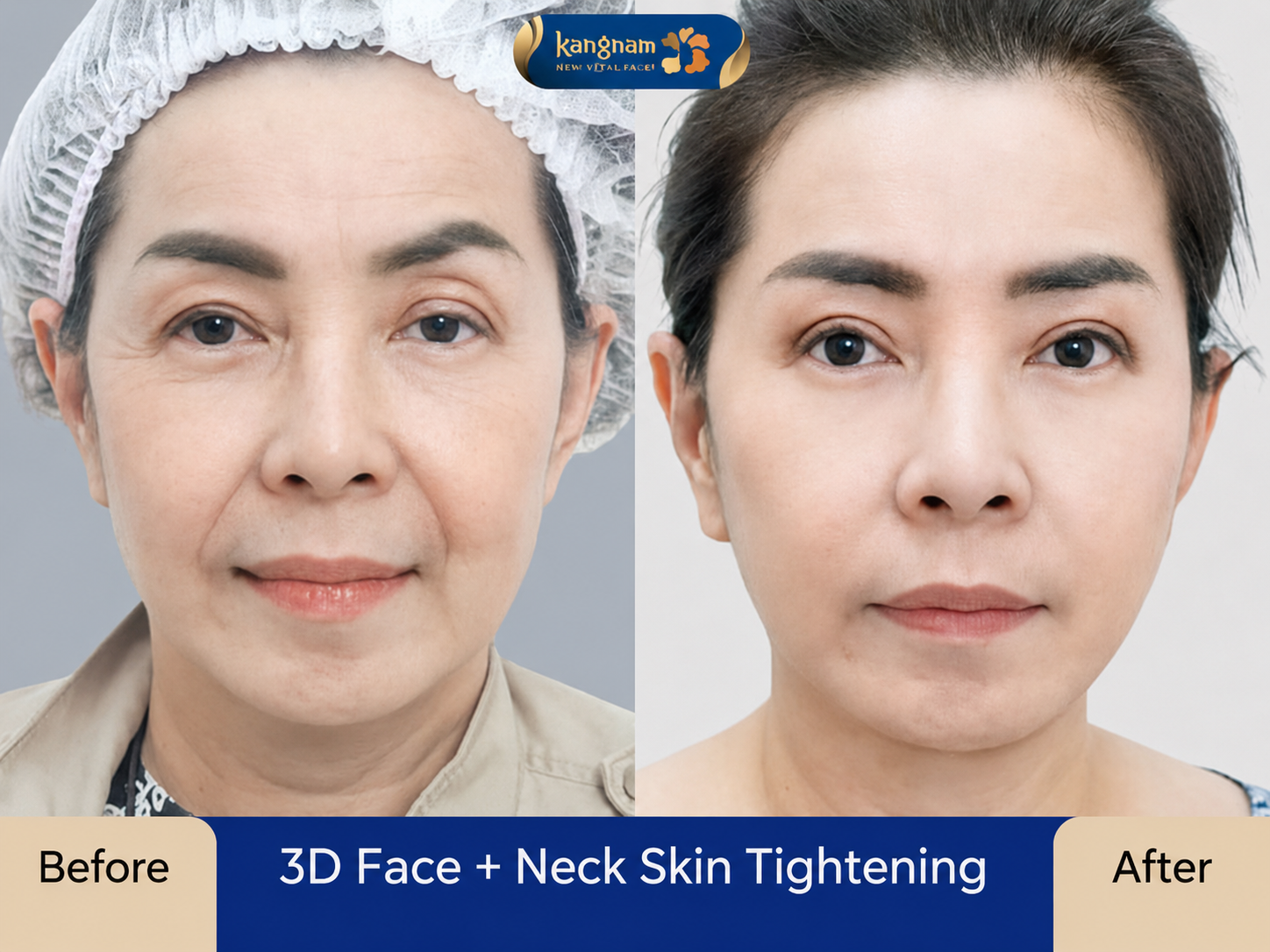
The cost of facelift surgery depends on several clinical and procedural factors.
Facelift Surgery Price List
| Service | Approximate cost (USD) |
| 3D facelift | 2,430 |
| Forehead lift | 1,900 |
| Temporal lift | 1,330 |
| Face and neck lift package | 3,380 |
| Neck lift | 1,900 |
Patients should confirm the current price directly with Kangnam before treatment because promotional programmes, exchange rates, and individual treatment plans may change.
Kangnam’s 3D facelift is a surgical facial rejuvenation procedure designed to improve:
The price depends on the technique used, the complexity of the procedure, and the degree of surgical intervention required.
Although facelift results can be long-lasting, surgery does not stop the natural ageing process. The duration of the result varies according to age, skin quality, lifestyle, weight changes, sun exposure, and surgical technique
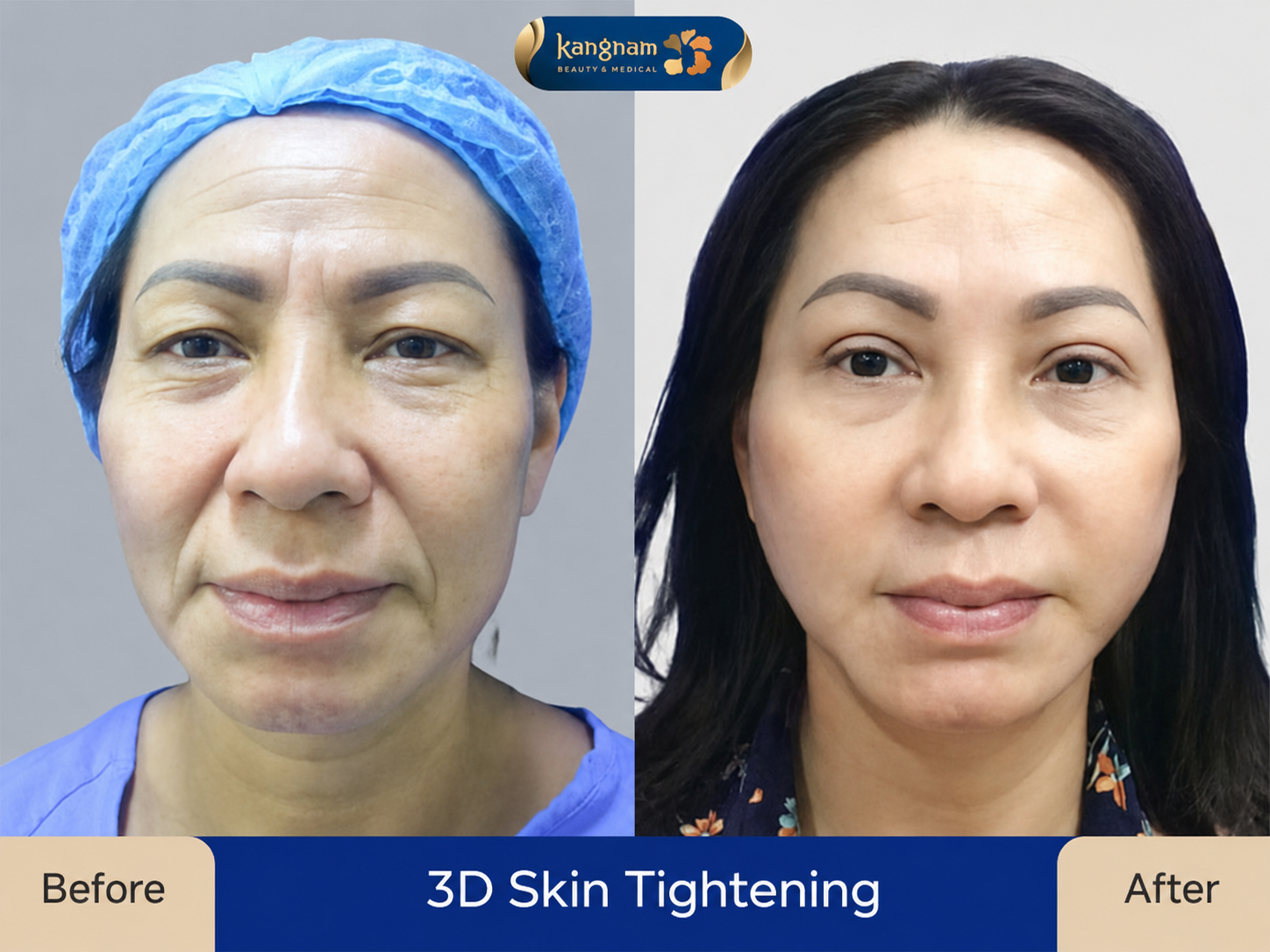
Facelift surgery may create a visibly younger appearance, but the degree of rejuvenation varies between patients.
Facelift prices differ between facilities because the total cost reflects more than the surgery itself.
Important factors include the surgeon’s qualifications, medical equipment, anaesthesia services, operating-room standards, treatment complexity, and postoperative care.
Facelift surgery involves several anatomical layers of the face and may require careful treatment of:
A surgeon with appropriate specialist training and extensive experience may charge more because the procedure requires advanced anatomical knowledge and technical precision.
Patients should verify:
A facility using modern surgical and monitoring equipment may have higher operating costs.
The total price may include:
Advanced equipment may support surgical planning and patient monitoring, but technology alone cannot guarantee a safe or satisfactory result.
Not all facelift procedures involve the same degree of correction.
A limited temporal lift generally requires less extensive surgery than a combined face-and-neck lift.
The cost may increase when the surgeon needs to:
Postoperative services may also affect the total price.
These may include:
Patients should ask which services are included in the quoted price and whether any additional fees may arise.
Patients should not choose a facelift provider solely because the advertised price is unusually low.
Facelift surgery is an invasive procedure requiring:
An abnormally low price may indicate that certain essential services have been reduced or excluded.
Possible concerns include:
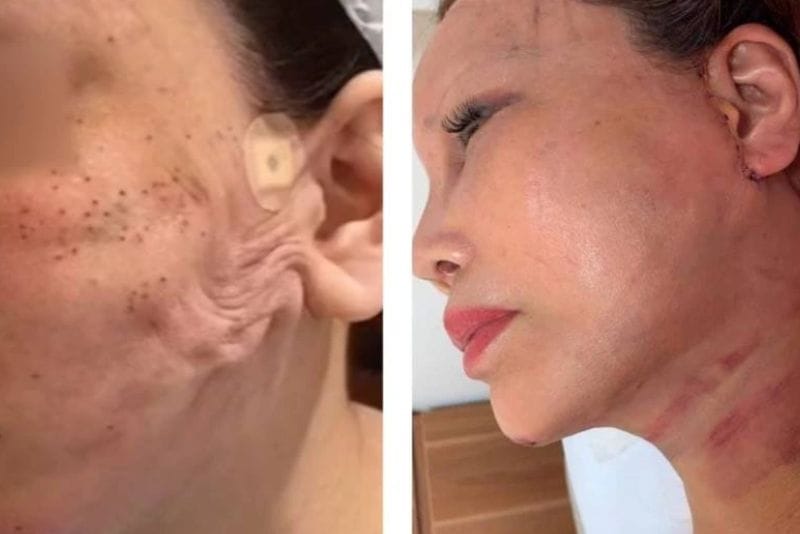
Facelift complications may occur when the procedure is performed in an unsuitable or poorly regulated setting.
Possible complications of facelift surgery include:
Corrective surgery may be more complex and expensive than the original procedure.
Patients should therefore compare providers based on medical qualifications, facility standards, included services, complication-management protocols, and realistic outcomes—not price alone.
Kangnam provides surgical and non-surgical facial rejuvenation services based on individual assessment.
Before recommending a facelift, the doctor evaluates:
An individualised surgical plan may help determine whether the patient needs:
Patients with only mild skin laxity may not need surgery. Suitable alternatives may include a collagen thread lift, X-Line thread lift, or other non-invasive facial rejuvenation options.
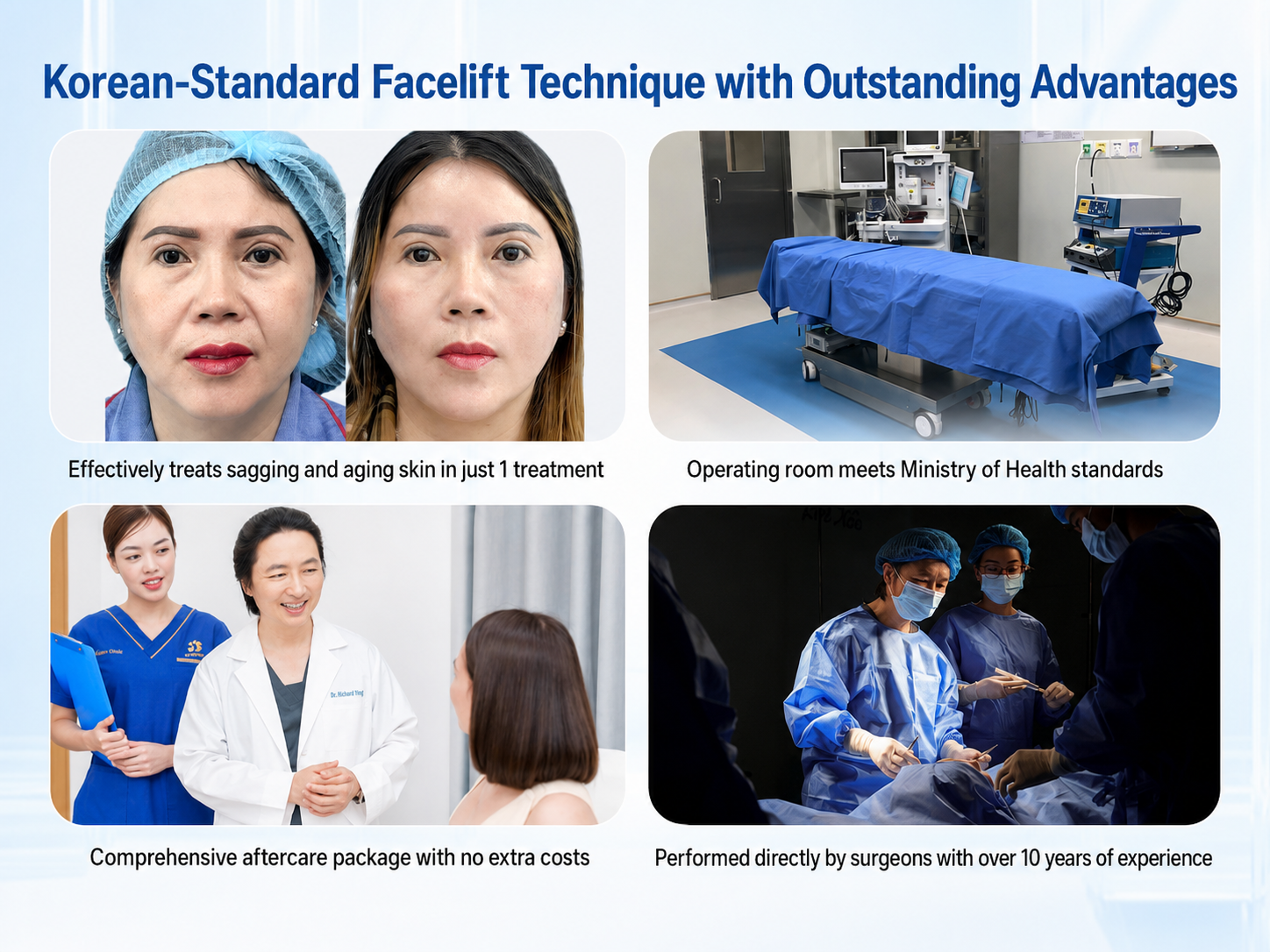
Facelift surgery should be performed in an appropriately equipped operating room under suitable anaesthesia.
The medical team should monitor:
The anaesthetic method depends on the type and duration of surgery, the patient’s health, and the anaesthetist’s assessment.
After surgery, patients should receive instructions regarding:
Appropriate nutrition can also support recovery. Patients may refer to Diet After a Facelift for additional postoperative guidance.
Facelift surgery may be eligible for instalment payment, depending on the current policy of the medical facility, bank, card provider, or financial institution.
Some providers may offer:
Availability is not guaranteed and may depend on:
Patients may need to provide:
Before registering for an instalment plan, patients should ask about:
A “zero-interest” plan may still involve processing or administrative fees, so the full agreement should be reviewed carefully.
Diet After a Facelift: What to Eat and Avoid