Date posted: 06-10-2026 | Last updated : 06-10-2026
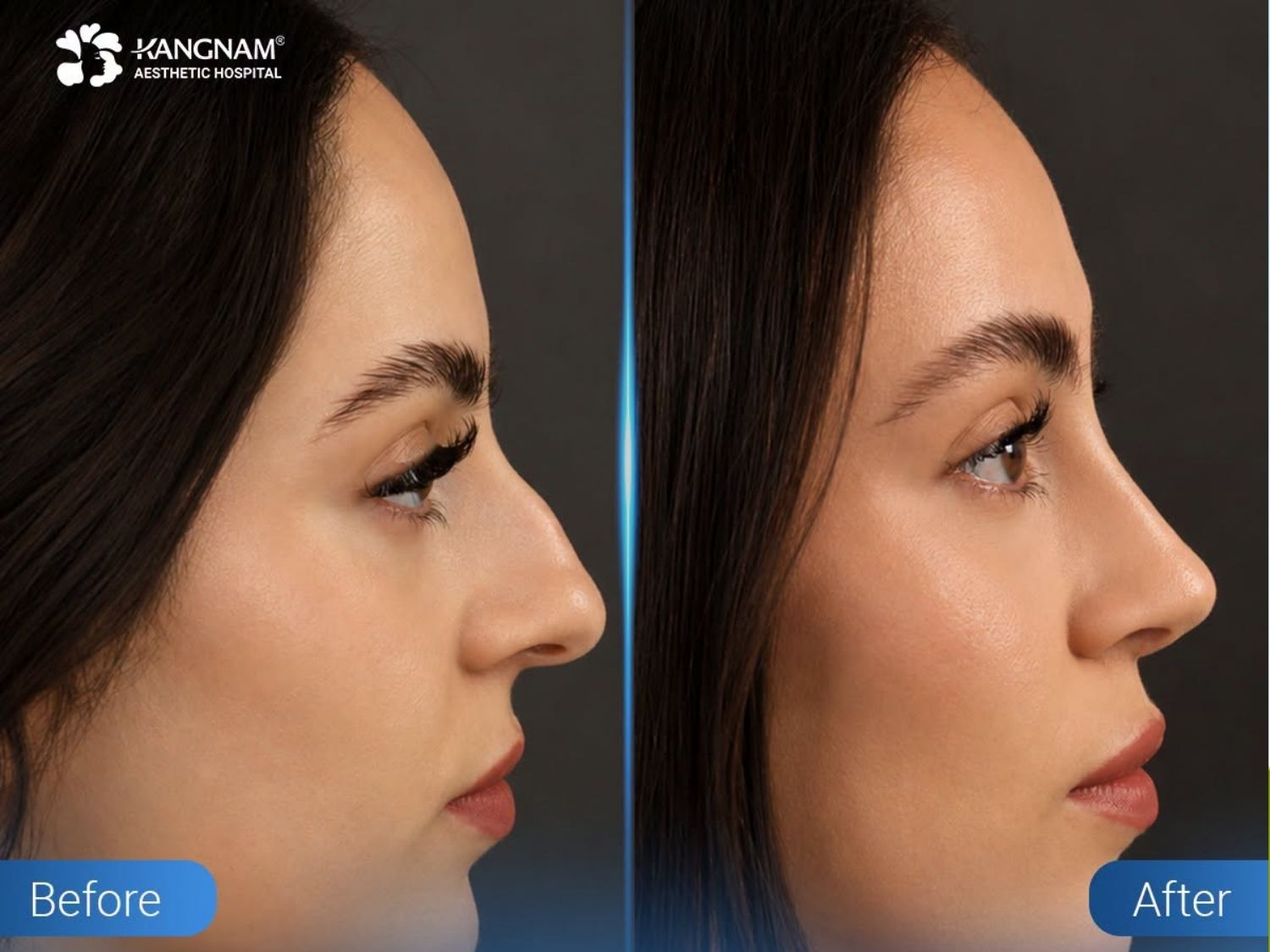
Korean-style rhinoplasty in Vietnam is a nasal reshaping approach that uses synthetic implants in combination with autologous cartilage to create a higher, more refined, and natural-looking nose without the high cost of traveling abroad for surgery.
Today, Korean beauty standards are highly popular in Vietnam. According to statistics from the International Society of Aesthetic Plastic Surgery (ISAPS), rhinoplasty consistently ranks among the most commonly performed aesthetic procedures worldwide.
Signature aesthetic: Focuses on a natural, harmonious appearance that complements Asian facial features, with popular nose shapes such as S-Line, L-Line, and High Western-Style.
Multiple techniques: Depending on the patient’s nasal condition, options may include basic Korean-style rhinoplasty, cartilage-covered rhinoplasty, or comprehensive structural rhinoplasty.
Postoperative care: Proper hygiene, cold/warm compresses, and appropriate activity and dietary restrictions can support swelling reduction and help the nose settle into its final shape.
Korean-style rhinoplasty is an aesthetic approach that aims to create a natural appearance while enhancing the soft, balanced features commonly associated with Asian faces.
Unlike Western aesthetic preferences that often emphasize a very high and sharply defined nasal bridge, Korean-style rhinoplasty prioritizes facial harmony. Some common characteristics include:
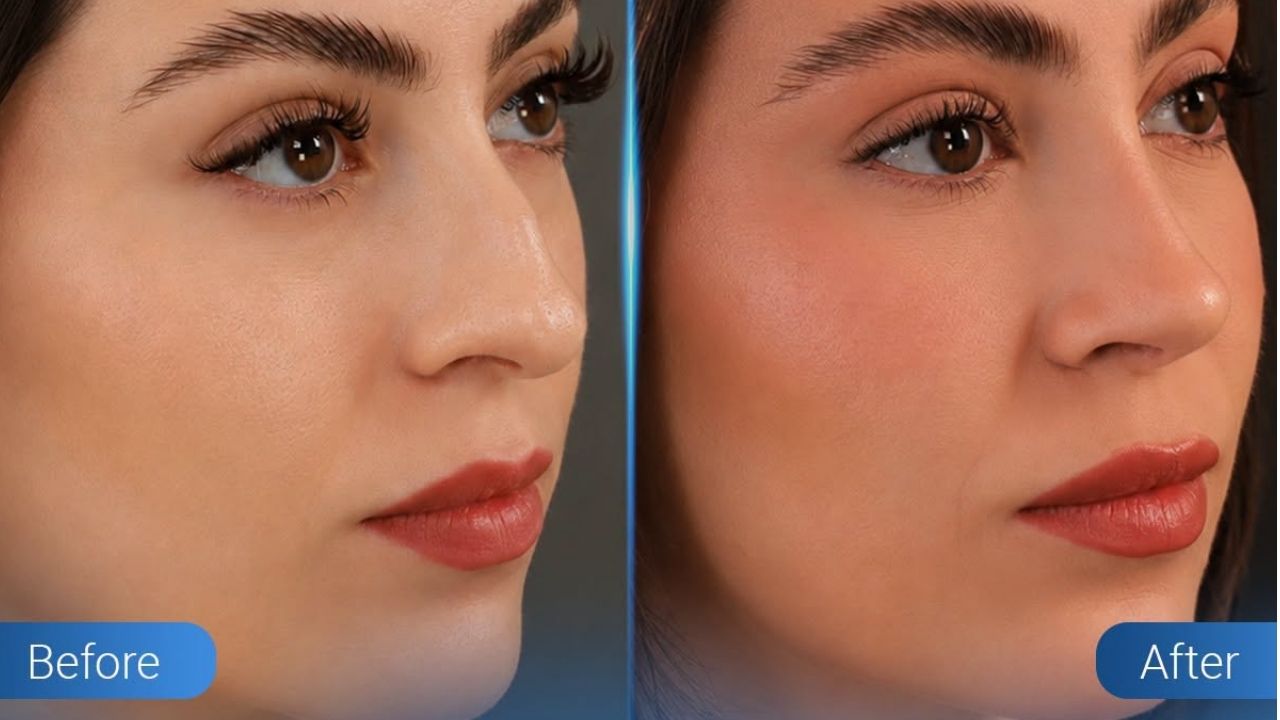
Korean-style rhinoplasty is popular among Vietnamese patients because it can help improve common nasal concerns such as a low bridge, flat appearance, or short nose.
Several reasons contribute to its continued popularity:
Each face is suited to a different nasal shape. Among the most popular Korean-inspired styles are S-Line, L-Line, and High Western-Style.
Choosing the right shape is important because it directly affects the overall aesthetic result:
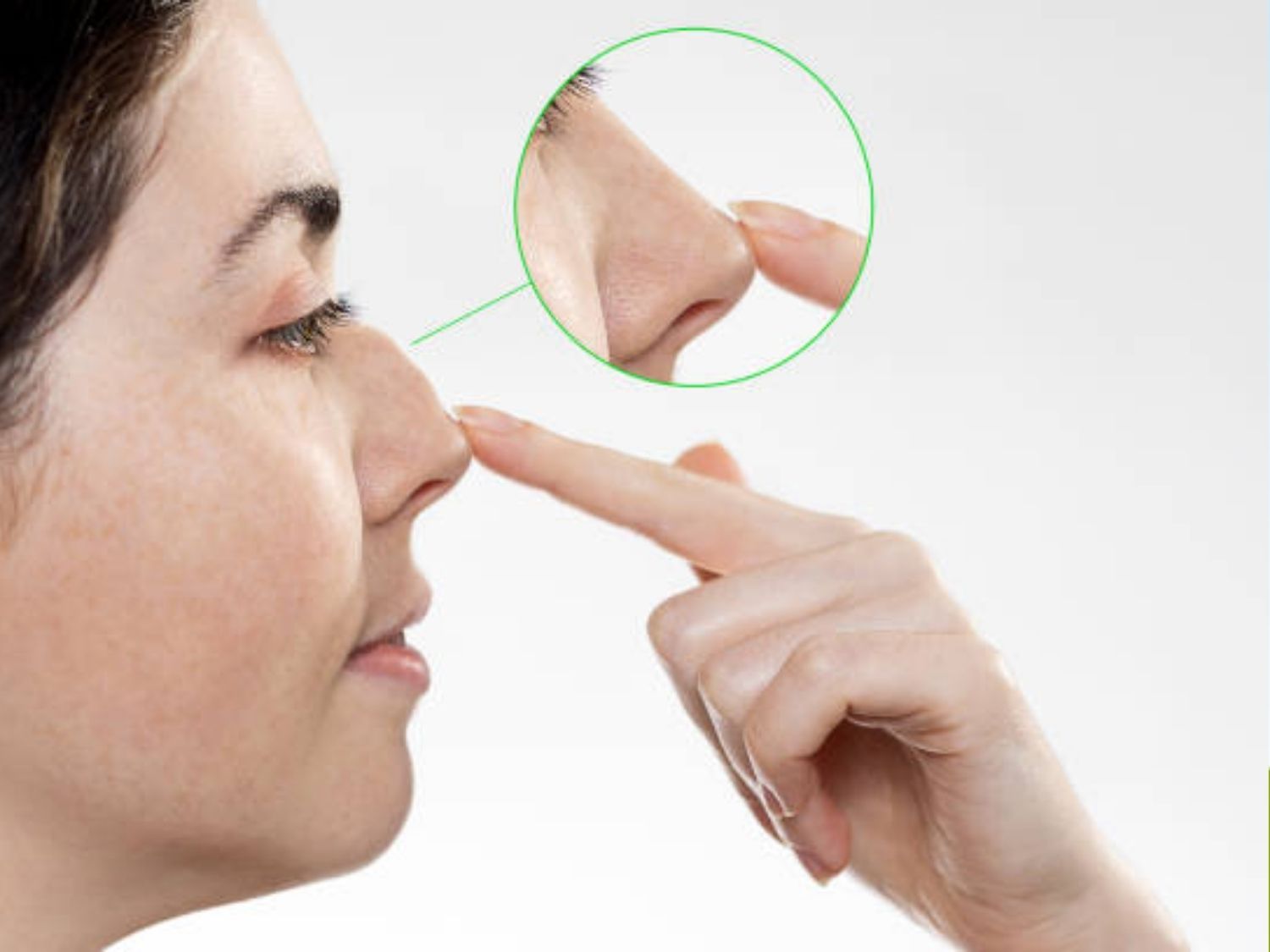
Understanding the differences between procedures can help you choose the most suitable option for your current nasal condition.
Below is a comparison of commonly used Korean-style rhinoplasty techniques:
| Technique | Technical Characteristics | Advantages | Suitable Candidates |
| Basic Korean-Style Rhinoplasty | Elevates the nasal bridge using an implant while leaving the nasal tip largely unchanged. | Less invasive, relatively quick procedure, and shorter recovery time. | Patients who already have a reasonable nasal shape but have a mildly low or flat bridge. |
| Cartilage-Covered Rhinoplasty | Elevates the nasal bridge while covering the nasal tip with autologous cartilage, commonly ear cartilage. | Helps protect the nasal tip and may reduce the risk of visible implant edges or tip redness in suitable cases. | Patients with thin nasal-tip skin and a low bridge. |
| Structural Rhinoplasty (Idol/Nanoform/Surgiform) | Restructures the nasal bridge, tip, and columella. | Can improve multiple nasal concerns and create S-Line or L-Line shapes with stronger structural support. | Patients with multiple concerns such as a low, flat, short, or upturned nose, or those needing revision surgery. |
The basic procedure generally includes the following steps:

Proper postoperative care includes gentle wound cleaning, swelling management, suitable dietary precautions, and healthy daily habits.
Patients should follow these recommendations:
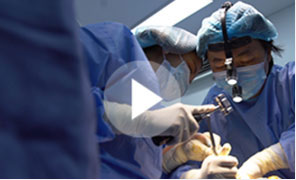
Kangnam Aesthetic Hospital is an aesthetic hospital system in Vietnam that provides Korean-inspired rhinoplasty services, supported by experienced doctors and modern surgical techniques.
At Kangnam, patients receive nasal aesthetic services following established clinical protocols, with postoperative follow-up and service-specific warranty policies designed to support patients throughout the recovery process.
During the procedure, an appropriate anesthetic technique is used to help control pain. After the anesthesia wears off, patients may experience swelling, tightness, or mild discomfort for several days.
Rhinoplasty results can remain stable for a long period when suitable materials and surgical techniques are used. The exact longevity depends on factors such as the type of material, the patient’s tissue characteristics, aging, trauma, and postoperative care.
Swelling usually begins to decrease noticeably within about 7–10 days, and the splint may be removed according to the doctor’s evaluation. The nose generally continues to settle and look more natural over the following weeks to several months, often around 1–3 months depending on the procedure and individual healing process.