Date posted: 26-07-2026 | Last updated : 27-07-2026
Developing a bump inside the nostril after rhinoplasty is a condition that causes anxiety for many individuals, especially when accompanied by sensations of obstruction, mild pain, or swelling. This phenomenon can stem from scar tissue formation, protruding cartilage tips, or inflammatory responses during the healing process. Early recognition of the underlying cause allows for timely intervention, preserving both nasal aesthetics and overall health.
1. What Is a Bump Inside the Nostril After Rhinoplasty?
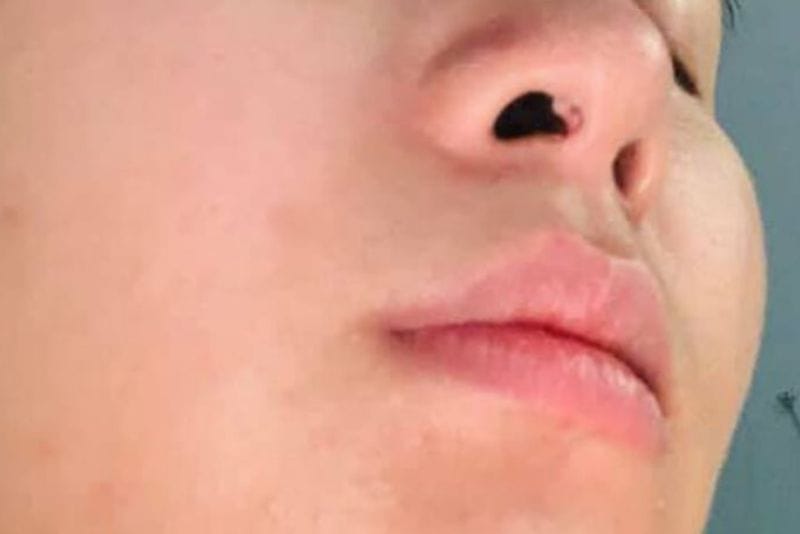
The appearance of a bump inside the nostril after rhinoplasty refers to the formation of a hard mass, minor swelling, or a small lump protruding within the nasal cavity. This is commonly caused by displaced synthetic or autologous cartilage exerting pressure beneath the skin, or the body forming reactive scar tissue around the implant area. It can also stem from mild infection or inflammatory responses during the recovery phase.
Typically, during the first 5–10 days post-surgery, the nose may exhibit mild swelling, firmness, or slightly visible suture knots internally—these are normal responses as nasal tissue heals. However, if after 2–3 weeks or even 1–2 months, an unusual hard lump persists, accompanied by pain upon touch, discharge, or foul odor, it is no longer a benign occurrence, but rather a potential sign of complications or abnormal tissue reactions inside the nose.
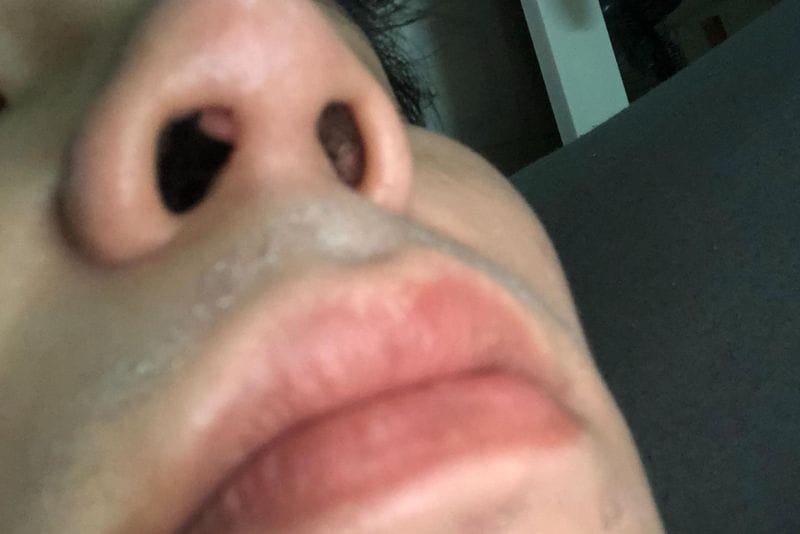
2. Causes of Bumps Inside the Nostril After Rhinoplasty
The emergence of bumps inside the nostril following surgery can stem from several distinct causes, including fibrous scar tissue, fluid accumulation, tissue inflammation, infection, cartilage displacement, or immune reactions to synthetic implants:
- Fibrous Scar Tissue: Fibrous tissue formed during the healing process can cause localized firmness. While generally harmless, it may cause discomfort during touch or breathing.
- Fluid or Blood Accumulation: If tissue fluid or hematomas are not fully drained during or after surgery, the fluid can coagulate into small, firm bumps inside the nostril.
- Tissue Inflammation or Infection: Improper post-operative nasal hygiene allows bacteria to enter through suture lines, leading to tissue inflammation or columellar base infection, resulting in red, painful swelling with possible discharge.
- Cartilage Displacement: When synthetic cartilage is placed too low or shifts out of alignment, the tip of the implant can press against internal nostril tissues, creating a “bump-like” sensation near the base or columella.
- Allergic Reaction to Implant Materials: Individuals with sensitive constitutions may experience inflammatory reactions to suture materials or synthetic cartilage, leading to thickened fibrous tissue and hard bumps. Accompanying signs often include persistent swelling, mild pain, warmth, and slight itching inside the nasal cavity.
If you are residing abroad and notice an abnormal internal bump, avoid squeezing, pressing, or self-administering anti-inflammatory medications at home. Instead, take close-up photos of the nasal area and send them to your surgeon in Vietnam for an accurate evaluation. Overseas clients who undergo rhinoplasty at Kangnam Aesthetic Hospital receive remote online diagnostic support from doctors to determine the cause and appropriate treatment plan without requiring an immediate flight back.
3. How to Manage a Bump Inside the Nostril Post-Surgery
Upon discovering a hard lump or swelling inside the nostril after surgery, the first step is to remain calm, observe the symptoms, and strictly avoid squeezing, pressing, or picking at the swollen area. Depending on the cause, the surgeon will prescribe an appropriate management plan:
- For Fluid or Blood Accumulation: The doctor performs a minor incision to drain the fluid, clean the nasal cavity, and thoroughly disinfect the area. Anti-inflammatory drugs and antibiotics are then prescribed to prevent infection. Swelling typically subsides significantly within 3–5 days without affecting the final nasal shape.
- For Nasal Inflammation or Infection: The doctor cleanses and flushes the nasal cavity using specialized antiseptic solutions, combined with oral antibiotics and anti-inflammatory medications to control infection. In severe cases, temporary removal of the implant may be necessary, followed by tissue treatment and reconstructive surgery 3–6 months later once fully healed.
- For Cartilage Displacement: If the cartilage is misaligned or slightly protruding, the surgeon reopens a small incision to adjust the implant back into its proper position, relieving tissue pressure. If skin tension occurs due to the cartilage tip, it can be replaced with softer materials or capped with autologous cartilage for enhanced safety and natural aesthetics.
- For Implant Reactions: The doctor evaluates tissue sensitivity and selects a more compatible material. Upgrading to premium biocompatible implants such as Surgiform or Nanoform can minimize inflammation while ensuring long-term structural durability.
4. Preventing Internal Bumps After Rhinoplasty
To prevent internal bumps and post-surgical complications, clients should choose highly skilled surgeons, quality cartilage materials, maintain strict nasal hygiene, adhere to follow-up schedules, avoid physical impacts, and maintain proper nutrition:
- Select Qualified Surgeons and High-Quality Cartilage: Undergo rhinoplasty at accredited cosmetic hospitals with experienced subspecialists and clear operating licenses. Prioritize medically certified, high-grade cartilage (FDA, CE approved) to ensure safety and minimize inflammation risks.
- Maintain Proper Post-Operative Hygiene: Gently cleanse the nasal area with physiological saline 2–3 times daily and keep suture lines dry and clean. Prevent cosmetics, facial cleansers, or unsterilized water from contacting the nose until wounds are fully healed.
- Attend Scheduled Check-ups: Timely follow-up appointments allow doctors to monitor cartilage-tissue integration and detect early anomalies like fluid collection or displacement. Overseas clients can submit nasal photos for remote monitoring.
- Avoid Physical Trauma: During the first month, avoid sleeping on your side, wearing eyeglasses, or subjecting the nasal region to impacts. Wear a soft face mask outdoors to protect the nose from dust, bacteria, and UV exposure.
- Maintain Healthy Nutrition: Consume foods rich in vitamins C and E, as well as collagen, to accelerate tissue healing and reduce scarring. Abstain from seafood, beef, glutinous rice, and water spinach for at least the first 3 weeks post-surgery.
5. Safe and Effective Revision of Nasal Complications at Kangnam
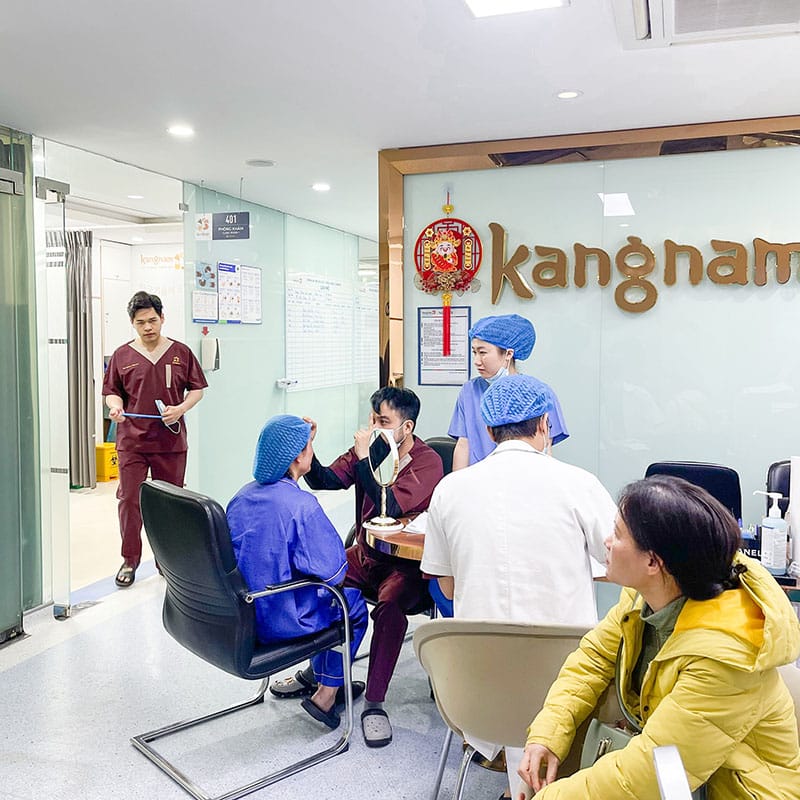
Following rhinoplasty, rare instances of internal nostril bumps can cause distress when searching for a safe treatment destination that protects original aesthetic outcomes. Among cosmetic institutions in Vietnam, Kangnam Aesthetic Hospital is recognized as a trusted facility for correcting complex nasal complications, delivering prompt and safe results.
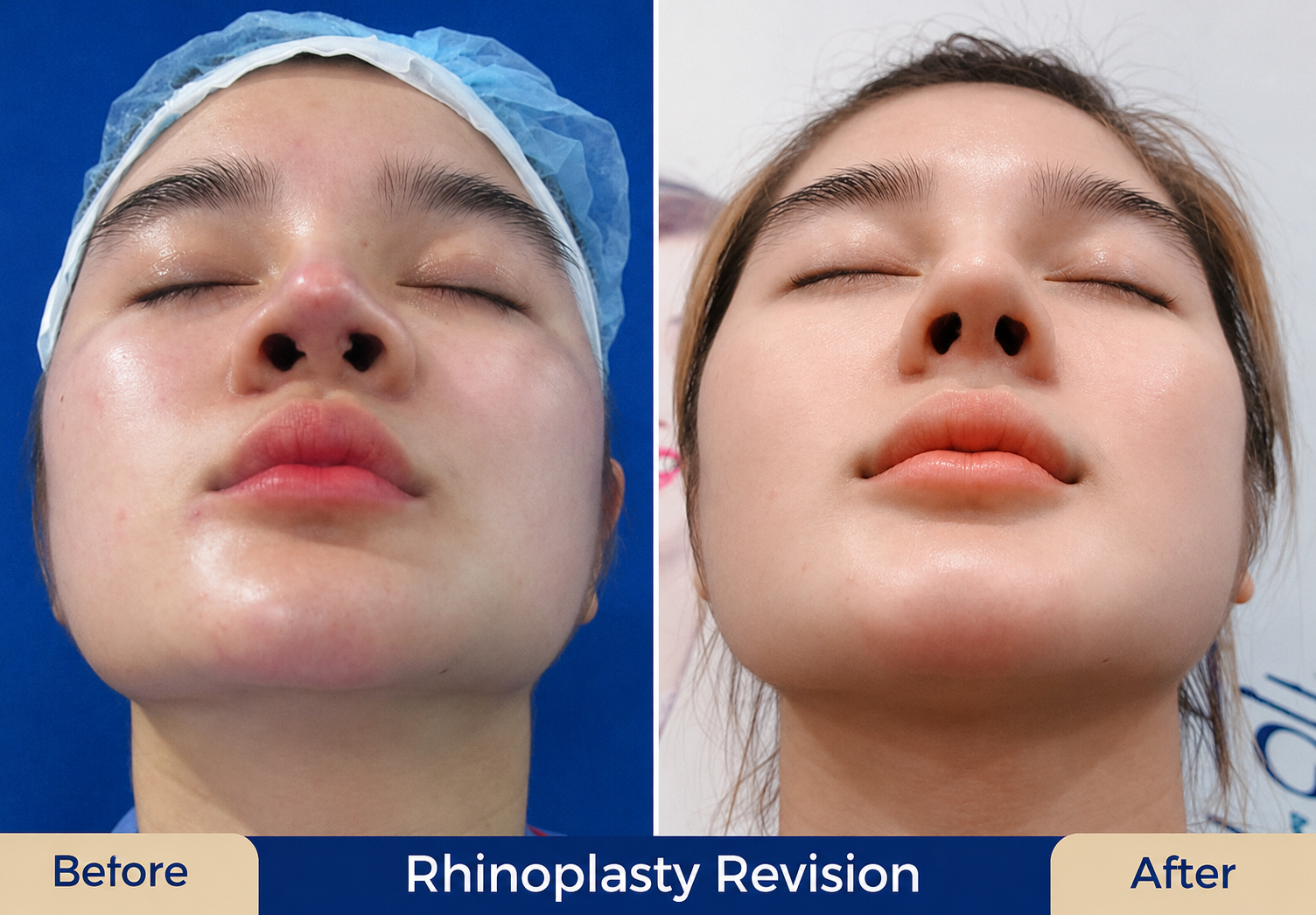
Kangnam brings together a team of specialized nasal aesthetic surgeons with 10–15 years of experience, many of whom have undergone advanced training in South Korea and Thailand, successfully correcting thousands of damaged nasal cases. Kangnam doctors possess deep expertise in Asian facial anatomy, accurately identifying the root causes of bumps to design personalized, minimally invasive treatment protocols.
Recognizing the specific schedule constraints of overseas clients during brief stays in Vietnam, Kangnam offers exclusive privileges including:
- 1-on-1 online consultation with specialist doctors before returning to Vietnam, enabling case evaluation and personalized planning.
- Priority selection of reconstructive nasal surgeons with over 10–15 years of subspecialty experience.
- Airport pick-up services along with comprehensive coordination for examination, surgery, and post-operative recovery schedules.
- Application of endoscopic nasal revision techniques, ensuring minimal invasion, reduced swelling, less pain, and rapid recovery.
- Dedicated post-operative care, including dedicated nursing support during the stay in Vietnam.
- Remote post-operative tracking and online consultations, allowing doctors to evaluate periodic photos and videos even after clients return abroad.
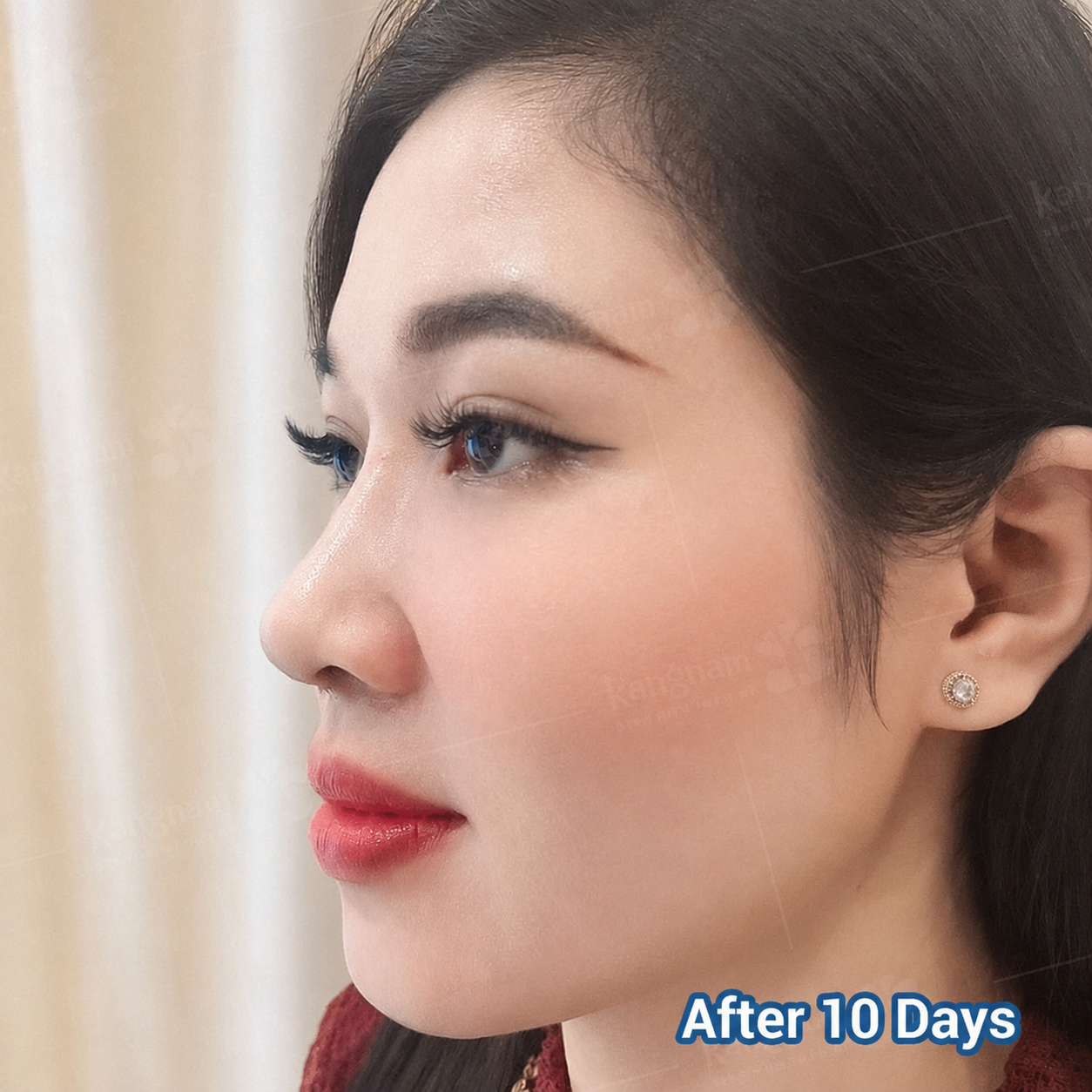
If you are an overseas client experiencing post-rhinoplasty complications, contact Kangnam Aesthetic Hospital today for specialized medical evaluation, consultation, and safe, natural, long-lasting nasal restoration.
Brow Bone Lift: Reshaping the Brow for a Brighter Look
Non-Incisional Double Eyelid (Eyelid Tucking): A No-Cut Solution