Date posted: 26-07-2026 | Last updated : 27-07-2026
Autologous rib cartilage rhinoplasty can carry potential complications such as infection, hematoma, cartilage warping or contracture causing nasal asymmetry, tissue necrosis due to inadequate blood supply, shiny red tip, skin perforation, or cartilage exposure over time. Additionally, the donor site on the chest may leave an unsightly scar, cause localized soreness, or—in rare instances—result in pneumothorax.
Infection: The nasal or donor chest region may experience redness, swelling, soreness, discharge, or a mild fever post-surgery. If left unmanaged, infections can spread and compromise cartilage tissue.
Hematoma: Occurs when blood accumulates beneath the skin, causing the nasal area to swell significantly, bruise, or feel tight. Severe cases may require drainage to protect the structural outcome.
Cartilage Warping or Contracture: The nose may warp, skew, or shorten after several months, resulting in an asymmetrical nasal bridge and a distorted tip.
Tissue Necrosis: Nasal skin tissues turn dark with an unpleasant odor due to compromised blood circulation. Without timely treatment, this can lead to tissue loss and permanent nasal deformity.
Shiny Red Tip, Skin Perforation, or Cartilage Exposure: Over time, thinning nasal skin may reveal the underlying cartilage or allow it to pierce through, degrading aesthetic appearance and elevating infection risks.
Unsightly Chest Scarring: The chest donor incision may form keloids or hyperpigmented, hardened scars, which can affect appearance when wearing open-neck clothing.
Pneumothorax: A rare complication occurring if the pleural membrane is accidentally injured during rib cartilage harvesting. Patients may experience shortness of breath and chest tightness, requiring immediate medical intervention.
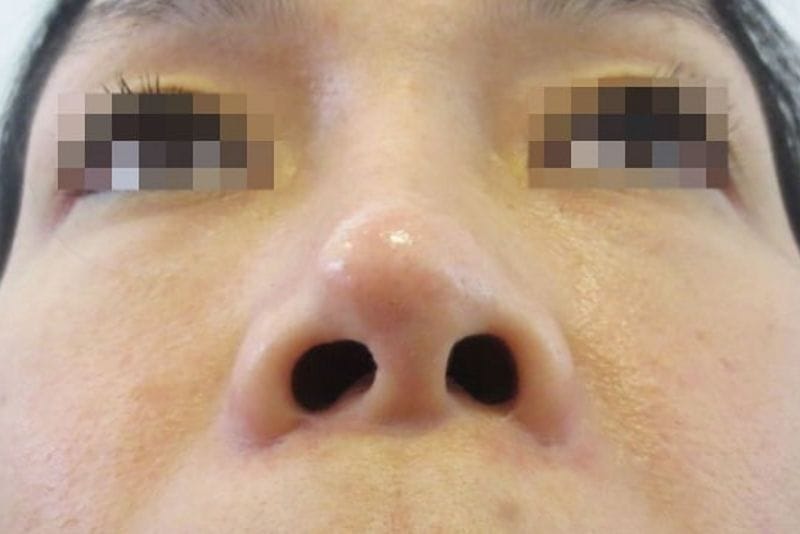
Complications following rib cartilage rhinoplasty typically stem from improper surgical techniques, incorrect post-operative care, or biological incompatibility. Therefore, the procedure must be performed at an accredited hospital under close subspecialist monitoring.
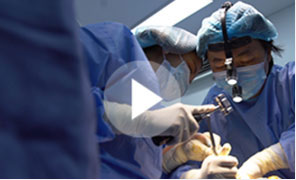
At Kangnam Aesthetic Hospital, every rib cartilage rhinoplasty case adheres to Ministry of Health sterile protocols, combining precise cartilage processing and columellar construction accurate to the millimeter, alongside ultra-fine microsurgical sutures that reduce contracture or displacement risks by up to 95%.
Complications after rib cartilage rhinoplasty do not arise from a single factor, but rather a combination of surgical technique, unsterile surgical environments, improper post-operative care, and individual biological reactions to cartilage grafts.
Inprecise Surgical Technique: Rib cartilage rhinoplasty demands high technical expertise. Inexperienced surgeons may cause cartilage warping, contracture, or tip perforation. The procedure should only be performed by dedicated nasal plastic subspecialists with deep structural knowledge and extensive clinical experience.
Unsterile Surgical Protocols: Operating rooms, instruments, or disinfection steps failing medical standards can lead to severe infections and cartilage tissue inflammation. Ensuring an absolutely sterile operating environment is key to complication prevention.
Improper Post-Operative Care: Touching the nose, sleeping on one’s side, or removing compression bandages prematurely can easily displace cartilage before tissue stabilizes. Additionally, consuming alcohol, smoking, or skipping follow-up visits increases the risk of inflammation and fluid accumulation.
Biological Reaction to Cartilage: Individuals prone to keloid formation or excessive fibrous tissue growth may experience tip stiffness or contracture even after precise surgical execution. These cases require close monitoring and medical management or specialized autologous cartilage adjustments.
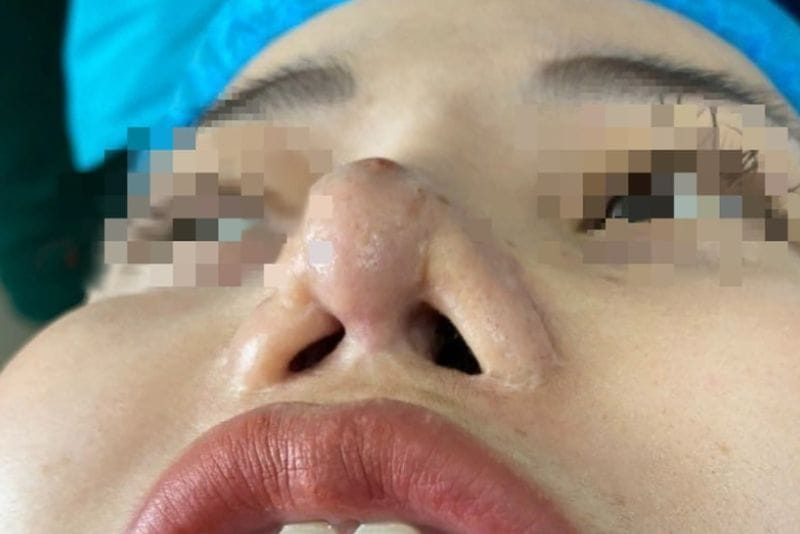
Complications after rib cartilage rhinoplasty can be almost entirely prevented if clients choose an accredited hospital with subspecialised doctors, medically standardized sterile protocols, and dedicated post-operative care systems.
Rib cartilage rhinoplasty is a complex procedure; therefore, closely monitoring healing indicators during the first 2–3 weeks is critical. This is the stage where cartilage tissue begins integrating into its new structure—early detection of any abnormal reaction allows for complete resolution without compromising long-term aesthetics.
Prolonged Swelling, Redness, and Burning Pain: The nose remains swollen, bright red, or exhibits persistent dull pain beyond 2–3 weeks post-surgery (instead of gradually subsiding after 7–10 days).
Abnormal Discharge: Yellowish, brownish, or foul-smelling purulent discharge oozing from the nasal tip or suture lines.
Shiny Redness and Capsular Contracture: Nasal tip skin gradually thins, exposing the cartilage outline, or the tip begins turning upward and tightening due to excessive capsular formation.
Asymmetrical, Skewed, or Displaced Nose: The cartilage fails to adhere to tissue structures, wobbling or shifting upon gentle touch.
At Kangnam, clients are guided through remote post-operative tracking, allowing them to send wound photos for remote medical diagnosis—highly convenient for overseas clients.
Autologous rib cartilage rhinoplasty can last up to 20 years or even a lifetime. A small portion of rib cartilage may undergo mild contraction or reabsorption during the initial stage before stabilizing, but this does not significantly affect the nasal shape if processed and sculpted correctly.
Because rib cartilage is an autologous graft, tiny blood vessels quickly proliferate to nourish the cartilage once transplanted. After stabilizing (around 3 to 6 months), the rib cartilage integrates with surrounding tissues into a unified structure that endures over time.
Initial Stage (First 3–6 Months): Upon transplantation, the body undergoes a minor physiological shrinkage. The cartilage graft may experience a very slight volume reabsorption due to incomplete initial vascular supply.
Stabilized Stage (After 6 Months): Once blood vessels fully permeate and nourish the graft, the reabsorption process stops. The nose settles into a soft, natural, and permanently stable form.
A damaged rib cartilage nose (caused by capsular contracture, warped cartilage, crooked bridges, or infection) is thoroughly corrected using revision structural surgery. This involves completely removing old materials, clearing scar tissue, and reconstructing a firm columellar framework.
Revision Protocol for Damaged Rib Cartilage Noses:
Removal/Processing of Old Cartilage and Nasal Cavity Cleansing: The surgeon performs gentle dissection to remove damaged or warped rib cartilage, meticulously excising contracted capsular tissue and flushing the cavity with antibiotic solutions.
Condition Assessment and Intervention Timing: If the nose is only crooked or warped, cartilage carving or material replacement can be performed within the same session. If infection, tip perforation, or severe capsular contracture is present, the implant must be removed to treat the tissue, requiring a 3 to 6-month recovery period before placing new cartilage.
Structural Nasal Reconstruction: Utilizing fresh rib cartilage or combining premium synthetic implants to rebuild columellar support and reshape the tip. Specialized anti-warping techniques are applied (such as cross-action slicing or autologous dermis/biomembrane wrapping to prevent contracture).
Below is a reference schedule for overseas clients returning to Vietnam for nasal revision surgery:
| Milestone | Action Required |
|---|---|
| Prior to Returning to Vietnam | Remote consultation via Zalo; send current nasal photos for preliminary evaluation; book appointment matching flight dates. |
| Days 1–2 | Direct clinical examination, medical consultation, and surgical execution. |
| Days 3–7 | Rest, wound care, and suture removal as indicated. |
| Before Flight Back | Final check-up to assess healing, receive post-care instructions, and collect take-home medications. |
| After Returning Abroad | Remote online tracking; send periodic photos to doctors; enjoy long-term warranty and support policies. |
Choosing a hospital-standard aesthetic facility, selecting suitable cartilage materials, strictly adhering to post-operative care, maintaining a healthy lifestyle, and actively attending check-ups are the best ways to minimize unwanted complications.
Select Hospital-Standard Aesthetic Facilities: Perform surgery at accredited aesthetic hospitals featuring sterile operating suites, advanced medical equipment, and certified nasal subspecialists. Standardized facilities help reduce overall complication risks by up to 95%.
Select Appropriate Rhinoplasty Cartilage: Surgeons must accurately assess skin thickness, cartilage curvature, and personal physiology to select the proper method. Rib cartilage should be combined with ear cartilage or materials like Surgiform and Nanoform to prevent contracture, cartilage exposure, and ensure high biocompatibility.
Adhere to Post-Operative Care Instructions: Keep wounds dry, avoid touching, cleanse gently with physiological saline, and refrain from wearing eyeglasses during the first month. Attend scheduled check-ups so doctors can evaluate cartilage integration and detect early anomalies.
Maintain a Healthy Lifestyle: Consume foods rich in collagen, vitamin C, and zinc to promote rapid tissue recovery and minimize swelling. Avoid alcohol, tobacco, and spicy foods while maintaining a relaxed mindset to support wound healing.
Proactive Monitoring and Follow-Up: If prolonged swelling, pain, yellow discharge, or tip redness occurs, contact your doctor immediately. Early management within the first 24–48 hours prevents structural damage and preserves long-term stability.
All autologous rib cartilage rhinoplasty procedures at Kangnam Aesthetic Hospital are performed following medical standards by dedicated nasal subspecialists with over 10 years of experience. The hospital combines autologous rib cartilage with Surgiform implants to reduce cartilage displacement risks by 95% and maintain long-lasting results. Overseas clients benefit from specialized post-operative care protocols and remote online monitoring, allowing doctors to evaluate recovery even after clients return abroad.
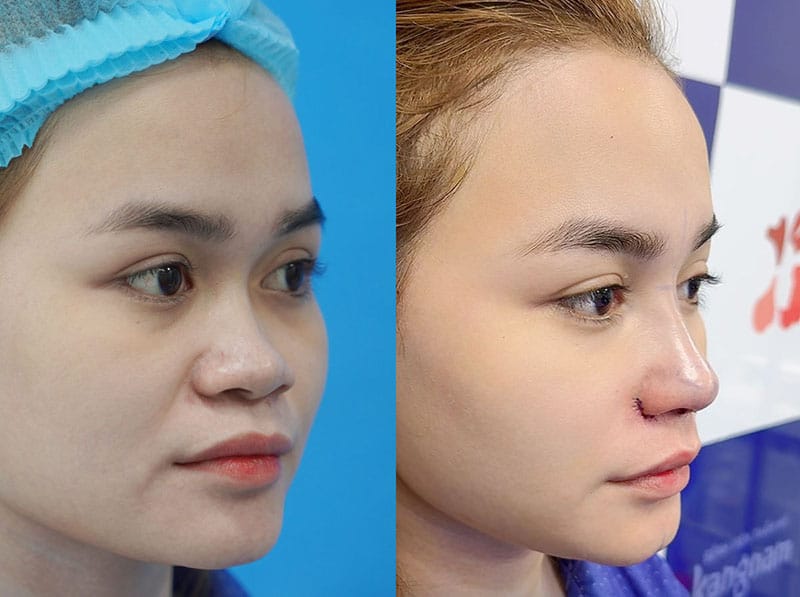
Kangnam provides long-term warranty policies, standing by overseas clients throughout their journey toward achieving a safe, durable, and naturally beautiful nasal appearance.
Brow Bone Lift: Reshaping the Brow for a Brighter Look
Non-Incisional Double Eyelid (Eyelid Tucking): A No-Cut Solution