


- Work out which entry option fits you — visa exemption, e-visa or another visa category.
- Prepare your entry and medical documents and apply for an e-visa through the official portal.
- Plan a stay long enough for consultation, surgery, recovery and follow-up — and know what to do if you need more time.
Short answer
You don't need a separate medical visa for cosmetic surgery in Vietnam, because Vietnam currently has no dedicated medical visa category for international patients. Instead, you can enter under a visa exemption, an electronic visa (e-visa) or another appropriate visa category, depending on your nationality, purpose of entry and intended length of stay.
- No medical visa: Vietnam currently has no separate medical visa category for foreigners travelling for cosmetic surgery.
- Visa exemption or e-visa: international patients may qualify for visa exemption or apply for an e-visa if they meet the eligibility requirements.
- E-visa validity: Vietnam's e-visa is valid for up to 90 days and may be issued for single or multiple entries.
- Plan enough time: allow for consultations, surgery, recovery and follow-up appointments before booking your flights.
1. What visa options are available for cosmetic surgery in Vietnam?
International patients can use the existing entry options that suit their nationality and purpose of travel, rather than applying for a dedicated medical visa. Decide on the right entry option before scheduling surgery. Common options to consider:
- Visa exemption: for citizens of countries covered by Vietnam's current visa exemption policies, subject to the applicable conditions on purpose of entry and length of stay.
- Electronic visa (e-visa): lets eligible foreigners apply online for a visa to enter Vietnam.
- Other visa categories: for travellers with special circumstances or purposes of entry who meet the requirements of the relevant visa category.
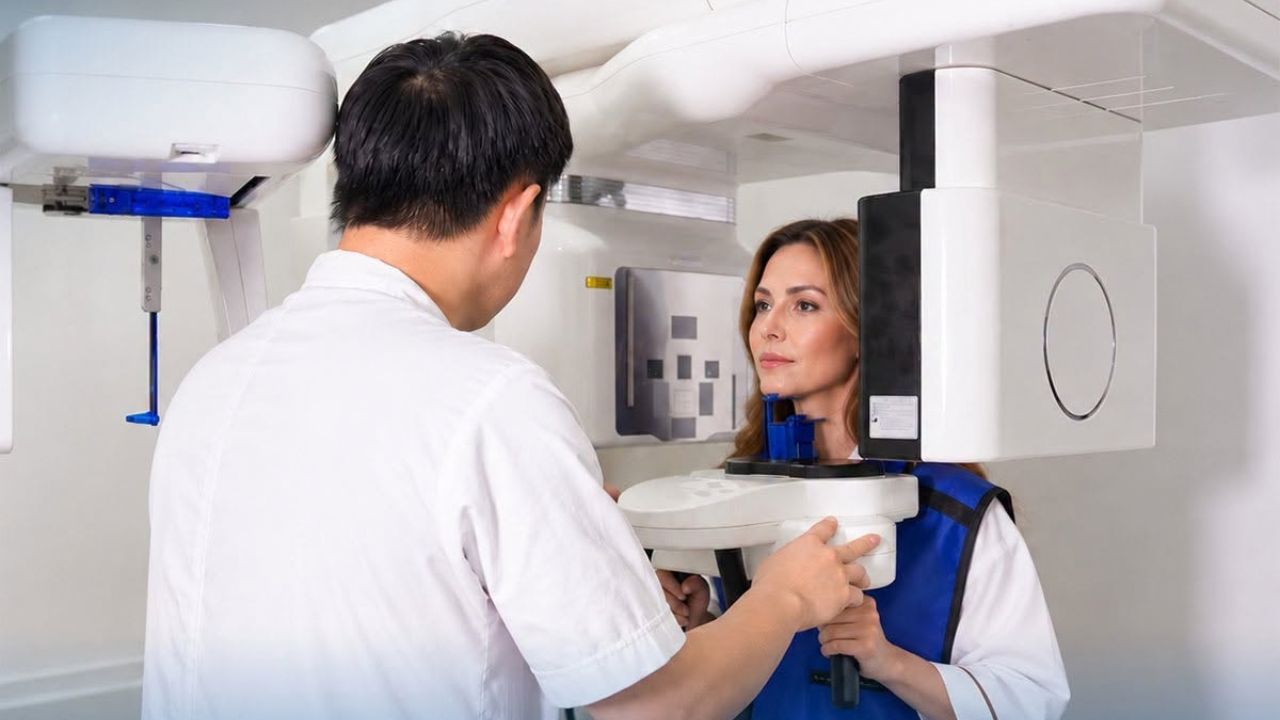
2. Who is eligible for visa exemption?
Citizens of certain countries can enter Vietnam without obtaining a visa in advance, but eligibility depends on nationality, purpose of entry and the policies currently in effect. Under Vietnam's visa exemption policies, there are two notable groups:
45-day visa exemption regardless of the purpose of entry
Under Resolution No. 44/NQ-CP, citizens of 12 countries — including Japan, South Korea, Germany, France, the United Kingdom, Russia, Italy and several other European countries — are eligible for a 45-day visa exemption if they meet the entry requirements. This policy applies regardless of the purpose of entry, so patients from these countries may consider using their permitted stay for medical consultations and cosmetic surgery.
45-day visa exemption for tourism purposes
Under Resolution No. 229/NQ-CP, citizens of 12 countries — including Belgium, the Netherlands, Poland, Switzerland, the Czech Republic and several other European countries — are eligible for a 45-day visa exemption when entering Vietnam for tourism.
Vietnam also has other visa exemption agreements beyond these two groups. Check the policy that applies to your passport before your departure date.
3. When do you need an e-visa for cosmetic surgery?
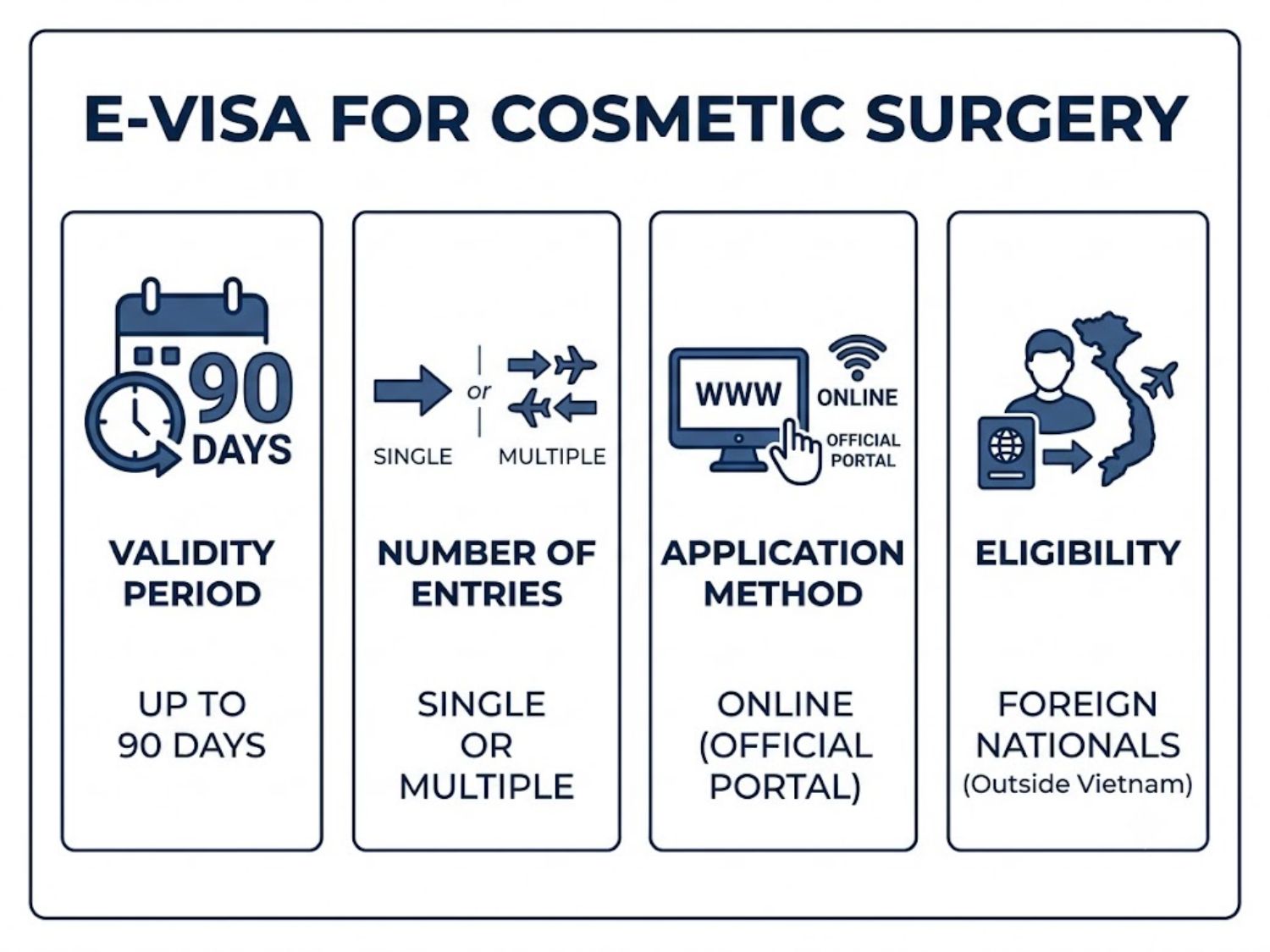
An e-visa is worth considering if you are not eligible for visa exemption, need a longer stay, or want more flexibility in planning your entry into and departure from Vietnam. According to the Vietnam Immigration Department, its main features are:
- Validity period: up to 90 days, depending on the visa issued.
- Number of entries: available for single or multiple entries.
- Application method: applications can be submitted online through the official portal.
- Eligibility: foreign nationals who are outside Vietnam and meet the requirements for an electronic visa.
An e-visa may suit patients planning rhinoplasty, breast augmentation, liposuction, abdominoplasty or other cosmetic surgical procedures that need recovery time and follow-up appointments.
You can submit your application through the Official Vietnam E-Visa Portal.
4. What documents should you prepare?
Prepare two categories of documents: immigration documents, and the medical records needed for consultations and surgery. Getting these ready in advance helps minimise unnecessary changes to your travel plans.
Documents required for entry
- Passport: a valid passport, preferably with at least six months of remaining validity to make checking entry requirements easier.
- Visa or exemption: a valid visa, or documents proving eligibility for visa exemption, if applicable.
- Accommodation: details of where you'll stay in Vietnam.
- Flight ticket: a return or onward ticket, if required.
- Other documents: anything else required under the immigration regulations in effect at the time of departure.
Documents for medical consultations and surgery
- Appointment confirmation: confirmation of a consultation or surgical appointment from the medical facility.
- Medical records: test results or relevant health documents, if available.
- Health details: a list of medications you currently take, any history of allergies and existing medical conditions under treatment.
- Insurance: health insurance or travel insurance information, if available.
- Emergency contact: contact details for a family member or caregiver who can support you during recovery.
Not all of these medical documents are mandatory for obtaining an e-visa. However, they give doctors useful information to assess your health and prepare an appropriate surgical plan.
5. How to apply for a Vietnam e-visa
Eligible foreigners can apply for an e-visa online without necessarily using a visa agency. The basic process has five steps:
Visit the website
Go to https://evisa.gov.vn/, the official electronic visa application portal.
Complete the application
Provide your full name, nationality, passport number, intended entry date, port of entry and the other information the form requires.
Upload documents
Submit a portrait photo, an image of your passport information page and any documents the system requires.
Make the payment
Review your application carefully, pay the required fee as instructed and save your application reference number.
Receive the result
Track the processing status, download the e-visa if approved and check all the details again before departure.
When completing the application, make sure your stated purpose of entry is truthful and appropriate for the visa category you're applying for.
6. How long should you stay in Vietnam after surgery?
Your planned stay should include enough time for medical consultations, surgery, recovery and follow-up appointments before you fly home — don't set the length of your trip based on the surgery date alone. The time needed varies with the procedure, your overall health and how you recover. Plan for these stages:
Before surgery
Attend an in-person consultation, have a health assessment and complete any necessary medical tests.
During surgery
Undergo the procedure prescribed by your surgeon and receive postoperative monitoring.
Recovery period
Rest, care for the surgical wound and watch for any unusual symptoms.
Follow-up appointments
Have your healing assessed and receive instructions for postoperative care after you return home.
If complications occur, you need extra follow-up appointments, or you're not yet medically fit to fly home:
- Tell the medical facility: inform them as soon as possible about your health condition and your permitted length of stay.
- Contact the immigration authorities: ask for guidance on the appropriate procedures.
- Prepare medical documents: a medical treatment confirmation letter or other documents, if required.
- Don't overstay: avoid staying beyond your legally permitted period of residence.

Dr. Harvey Nguyen
Medical Director, Kangnam Aesthetic Hospital (Ho Chi Minh City) · Specialist Level I in General Surgery, Hanoi Medical University · Licensed Plastic & Aesthetic Surgeon.
Member of VSAPS and ASAPS · trained in the USA, South Korea and Japan · reviewed this page on 12/11/2026. View full profile →
7. Frequently asked questions
Can I use a tourist visa to undergo cosmetic surgery in Vietnam?
Foreigners who are legally staying in Vietnam can access medical examination and treatment services. However, if cosmetic surgery is the main purpose of your trip, check whether your visa category or visa exemption status is appropriate.
Is an invitation letter from a cosmetic surgery hospital required to apply for an e-visa?
Generally, a surgery confirmation letter is not a mandatory document for a standard e-visa application. However, prepare an appointment confirmation letter in case you need to explain the purpose of your visit.
Do overseas Vietnamese need a visa to return to Vietnam for cosmetic surgery?
This depends on your nationality, passport and any visa exemption documents you hold. Vietnamese people living abroad may be eligible for a visa exemption certificate under the applicable regulations if they meet the requirements.
Do family members accompanying a patient for postoperative care need separate visas?
Accompanying family members must also meet the entry requirements that apply to their nationality and travel documents. If they are not eligible for visa exemption, they must obtain an appropriate visa before travelling.
Can I undergo cosmetic surgery immediately after arriving in Vietnam?
Yes, provided you have a suitable appointment and have been examined and confirmed medically fit for surgery by a doctor. In some cases, your doctor may require additional tests or adjust the surgery schedule to ensure your safety.
- Vietnam Immigration Department — Official Vietnam E-Visa Portal. evisa.gov.vn
- Government of Vietnam — Resolution No. 44/NQ-CP and Resolution No. 229/NQ-CP on 45-day visa exemption.
- Kangnam Aesthetic Hospital — how long to stay in Vietnam after plastic surgery. kangnamaesthetichospital.com
- Kangnam Aesthetic Hospital system data — facilities and licences (Hanoi 194/BYT-GPHĐ · HCMC 287/BYT-GPHĐ). benhvienthammykangnam.com.vn
Visa rules depend on your nationality, passport and purpose of entry and can change, so check the policy in effect with the immigration authorities or the official e-visa portal before you travel. Recovery times vary from person to person; this page is general information and does not replace official immigration advice or a consultation with your surgeon.
More on planning your trip
Part of the international patient guide →