



- Estimate how long to stay in Vietnam for each type of procedure.
- Understand what decides when you can fly — and the risks of flying too early.
- Plan your trip and your flight home, including what to do if you need more time.
Short answer
International patients and overseas Vietnamese should plan to stay in Vietnam for approximately 1–4 weeks after cosmetic surgery, depending on the procedure, recovery progress and follow-up schedule. Major surgery such as breast augmentation, liposuction or abdominoplasty may need a longer stay. Book your return flight only after your surgeon has examined you and confirmed you are fit to travel.
- Estimated length of stay: about 1–4 weeks — eyelid surgery 7–14 days; rhinoplasty 10–14 days; breast augmentation, liposuction or abdominoplasty 2–4+ weeks.
- Condition for safe air travel: fly only after being examined and cleared by your surgeon — never before your wounds have stabilised.
- Risks of flying too early: higher risk of venous thrombosis, worse swelling and pain, infection, and disrupted follow-up care.
1. Recommended length of stay by procedure
Each procedure involves a different level of invasiveness and recovery time. The table below helps you estimate how long to stay in Vietnam — it does not replace your surgeon's advice on when you can safely fly.
| Procedure | Recommended stay | Check before returning home |
|---|---|---|
| Eyelid surgery | 7–14 days | Surgical wound, swelling and suture-removal schedule, if applicable |
| Rhinoplasty | 10–14 days or longer | Follow-up visits, nose assessment, splint or suture removal as instructed |
| Facelift | 2–3 weeks | Swelling, bruising, surgical wounds and recovery progress |
| Breast augmentation | 2–4 weeks | Surgical wounds, pain level and risk of complications before flying |
| Liposuction | 2–4 weeks or longer | Swelling, treated areas and risk of thrombosis |
| Abdominoplasty | 3–4 weeks or longer | Surgical wounds, drains if present, mobility and risk of thrombosis |
| Multiple combined procedures | As assessed by the surgeon | Recovery may take longer than for a single procedure |
Note: these timeframes are suggestions for planning your stay, not established safe-to-fly timelines for each procedure. Patients with complications or needing extra care may have to stay longer.
If your time off work is limited, choose the procedure based on your medical examination and the recovery time you actually have — rather than scheduling surgery too close to your departure date.
2. Why you should avoid flying home too soon
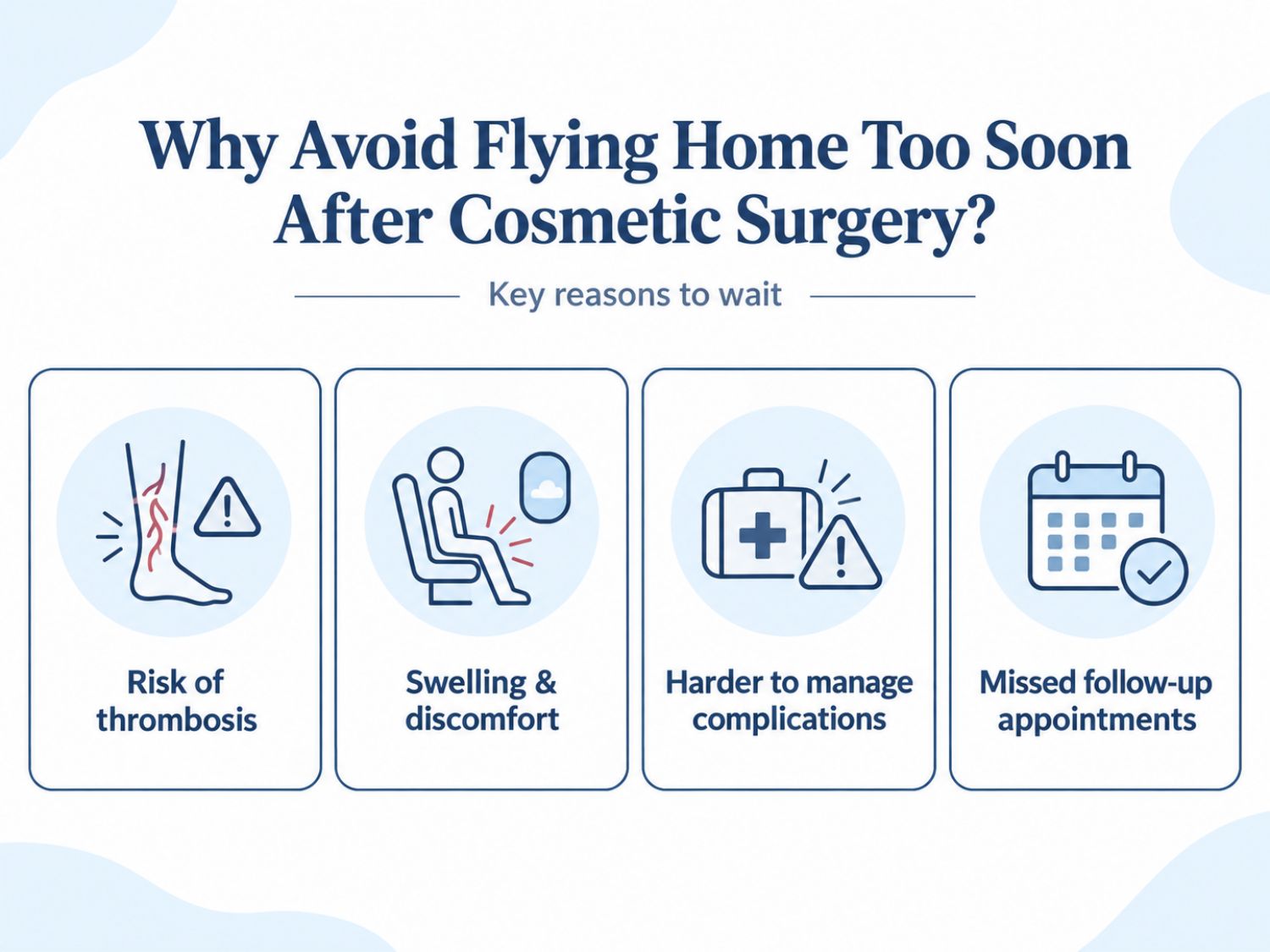
Flying too soon after surgery makes wound monitoring harder and can increase certain health risks, especially on long-haul flights. Have your fitness to travel assessed before returning home. Key concerns:
- Risk of thrombosis: mobility is often reduced after surgery, and sitting for long periods on a plane can increase the risk of blood clots in the deep veins of the legs.
- Swelling and discomfort: treated areas may still be swollen, painful or sensitive, making long periods of sitting and handling luggage difficult.
- Difficulty managing complications: if bleeding, infection or fluid build-up happens while travelling, you may not be able to see your operating surgeon in time.
- Missed follow-up appointments: leaving Vietnam too early may mean missing important check-ups in the first stage of recovery.
So prioritise completing essential follow-up appointments and arranging medical care in your country of residence before you fly.
3. What decides when you can fly?
The right time to fly depends not only on how many days have passed since surgery but on your actual recovery. Your surgeon considers your overall health, surgical wounds, mobility and risk of complications:
- Surgical wounds: healing well, with no signs of infection, bleeding or fluid build-up needing treatment.
- Pain and swelling: under control, with no unusual increase.
- Mobility: you can walk and manage basic daily activities without significant difficulty.
- Risk of thrombosis: assessed from your medical history, type of surgery, period of immobility and flight length.
- Follow-up care plan: you have instructions for medication and wound care, plus a medical facility to contact if needed.
4. How to plan your surgery trip to Vietnam
Plan your surgery about 2–4 weeks before travelling to Vietnam and allow enough time for examinations, recovery and follow-up visits. Planning early minimises flight changes and removes the pressure to fly home before you've recovered. A suggested schedule:
Before you travel
Contact the hospital, discuss your goals, share your medical history and schedule a consultation.
Days 1–2 in Vietnam
In-person consultation and medical tests; agree on the procedure if you're medically eligible.
Surgery day
The procedure takes place on the surgeon's confirmed schedule, followed by monitoring at the medical facility.
Recovery period
Rest, care for your wounds, take prescribed medication and attend follow-up appointments as instructed.
Before returning home
Your surgeon assesses your recovery and gives you your surgical records and further care instructions.
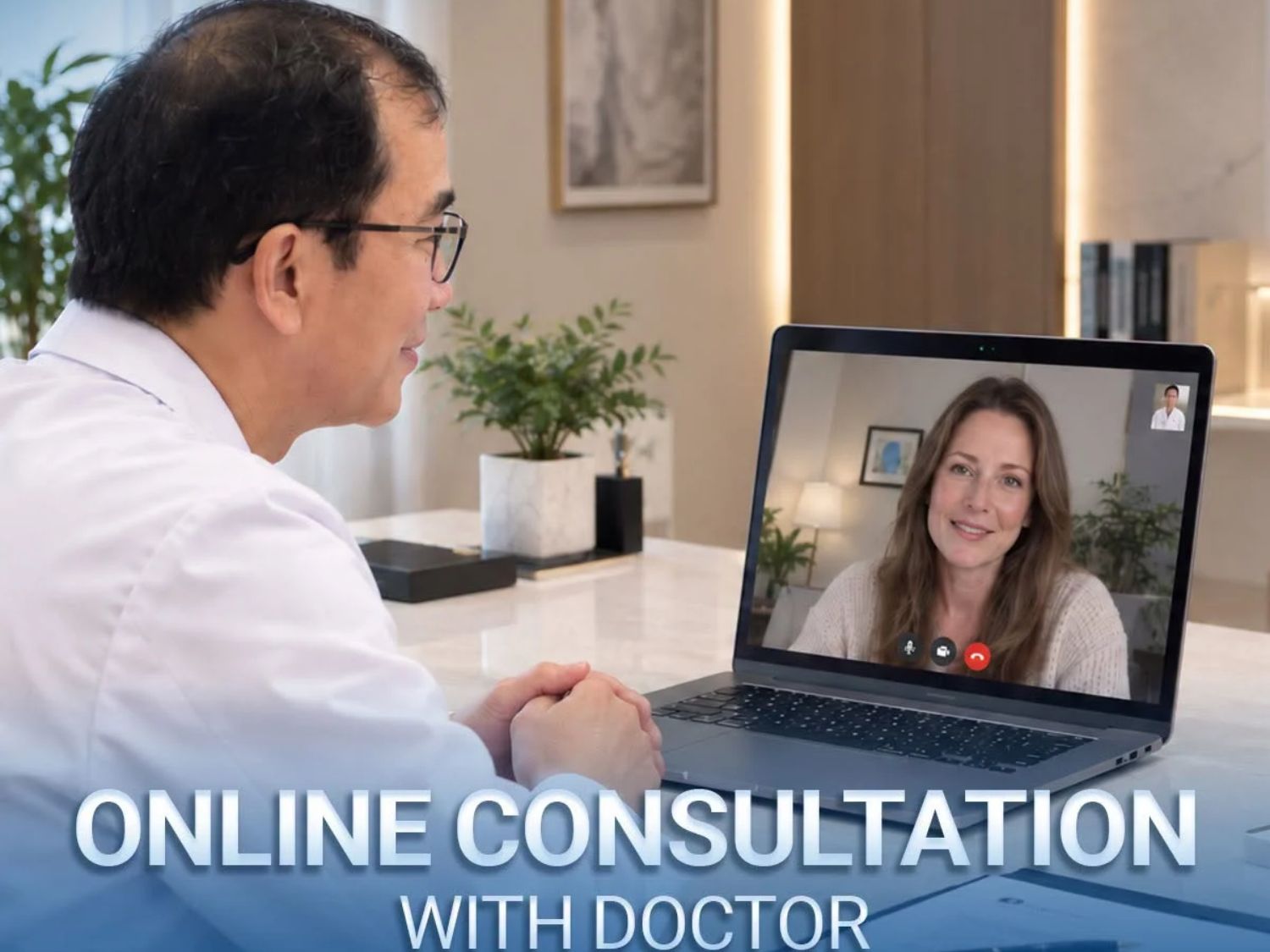
If you're having surgery at Kangnam Aesthetic Hospital, share your expected arrival date and return flight date in advance so the team can help arrange a suitable consultation schedule. The actual surgery date still depends on your examination results and the hospital's availability.
5. Precautions when flying after cosmetic surgery
Even once you're cleared to fly, stay appropriately active, keep hydrated, avoid heavy luggage and watch for unusual symptoms. After major surgery or before a long-haul flight, ask for individual advice on reducing the risk of thrombosis:
- Move gently: change position and move your legs regularly during the flight when your health allows.
- Stay hydrated: drink enough fluids and limit alcohol and drinks that can dehydrate you.
- Avoid heavy luggage: ask family members or airport staff for help when needed.
- Take medication as prescribed: carry your medication and instructions; do not take anticoagulants or aspirin on your own to prevent thrombosis.
- Ask about compression stockings: use them only when suitable for your condition and as instructed.
- Bring your medical records: discharge summary, surgical details, prescriptions and follow-up schedule, in case you need care abroad.
6. What if you haven't recovered by your departure date?
If your health hasn't stabilised or unusual symptoms appear, postpone your flight and contact your surgeon for an examination. Don't force yourself to travel just because your ticket is booked or your leave is ending. Talk to your surgeon before flying if you have:
- Wound changes: redness, swelling, increasing pain or unusual discharge from surgical wounds.
- Signs of infection: fever, significant fatigue or suspected infection.
- Limited mobility: you can't walk, sit for long periods or manage basic daily activities on your own.
- Unfinished care: drains still in place, wounds needing treatment, or essential follow-up visits not yet completed.
- Higher risk: a history of thrombosis or other risk factors needing further assessment.

Seek emergency care immediately
If you have sudden shortness of breath, chest pain, fainting, or swelling and pain in one leg, seek emergency medical attention right away — do not wait for a follow-up appointment.
If you need to stay longer, check your airline's ticket-change policy and prepare a medical certificate if required. Also arrange suitable accommodation and someone to help with your care during the extra recovery period.

Dr. Harvey Nguyen
Medical Director, Kangnam Aesthetic Hospital (Ho Chi Minh City) · Specialist Level I in General Surgery, Hanoi Medical University · Licensed Plastic & Aesthetic Surgeon.
Member of VSAPS and ASAPS · trained in the USA, South Korea and Japan · reviewed this page on 12/11/2026. View full profile →
7. Frequently asked questions
How long should I stay in Vietnam after breast augmentation?
Plan to stay for approximately 2–4 weeks to recover and attend follow-up appointments. When you can actually fly depends on your recovery and the surgeon's assessment, especially for long-haul flights.
Can I fly 7 days after liposuction?
Some patients have recovered relatively well after 7 days, but that doesn't automatically mean they're fit to fly. The surgeon must assess the extent of liposuction, your mobility, wound condition and risk of thrombosis before approving air travel.
How many days should I stay in Vietnam after rhinoplasty?
Plan to stay for approximately 10–14 days or longer for recovery monitoring and follow-up appointments. The actual duration varies with the surgical technique, swelling and wound healing.
Can I combine tourism with cosmetic surgery?
Avoid physically demanding sightseeing right after surgery. Prioritise rest and avoid swimming, strenuous exercise and any activity that could affect your wounds until your surgeon says it's safe.
- American Society of Plastic Surgeons (ASPS) — Briefing Paper: Cosmetic Surgery Tourism. plasticsurgery.org
- Kangnam Aesthetic Hospital — aftercare and remote monitoring protocol for international patients. kangnamaesthetichospital.com
- Kangnam Aesthetic Hospital system data — facilities and licences (Hanoi 194/BYT-GPHĐ · HCMC 287/BYT-GPHĐ). benhvienthammykangnam.com.vn
The lengths of stay above are planning estimates, not safe-to-fly guarantees. Recovery varies from person to person; the decision to fly should be made by your surgeon after an in-person examination. This page is general information and does not replace a consultation.
More on recovery and travelling home
Part of the international patient guide →