Date posted: 22-07-2026 | Last updated : 29-07-2026
Many women who have undergone breast augmentation wonder how long they should wait before becoming pregnant to protect their health while maintaining an attractive breast shape. In fact, the appropriate time to become pregnant after breast augmentation depends on the recovery process and the stability of the breast implants. Understanding this helps women take better care of their bodies and plan a safe pregnancy.
After breast augmentation, women should wait at least 6–12 months before becoming pregnant to allow the body to recover completely and the breast implants to stabilize. During this period, the fibrous capsule surrounding the implants forms and secures them in position, helping the breasts become soft and natural-looking while reducing the risk of deformity during pregnancy.
With modern endoscopic breast augmentation methods, recovery may be faster. However, doctors still recommend avoiding pregnancy for at least six months to prevent changes to the breast structure or implant displacement when hormone levels increase.

After breast augmentation, women should wait approximately six months to one year before becoming pregnant.
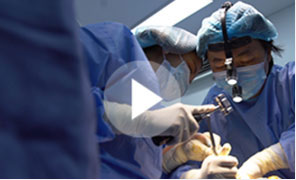
Kangnam Aesthetic Hospital applies 6D No-Touch Breast Augmentation technology to minimize tissue damage, reduce swelling and pain, and shorten recovery time. Nevertheless, doctors still recommend that patients avoid becoming pregnant for at least six months to ensure that the breast shape is stable and safe.
Becoming pregnant too soon after breast augmentation may cause breast pain and tightness, changes in breast shape, implant displacement, an increased risk of capsular contracture, and interference with postoperative recovery.
These complications may not only affect the appearance of the breasts after childbirth but also cause anxiety and inconvenience during pregnancy. Therefore, women planning to become mothers should wait for an appropriate period after breast augmentation to ensure safety and maintain the most durable results.
Pregnancy after breast augmentation does not affect the fetus if you have fully recovered from surgery and the breast augmentation was performed safely using the correct technique. Breast implants are placed beneath the chest muscle or breast tissue and are completely separate from the mammary glands. Therefore, they do not affect pregnancy or breastfeeding.
During pregnancy, hormonal changes cause the mammary gland tissue to develop and the breast skin to stretch. This is a natural physiological response and is unrelated to the breast implants.
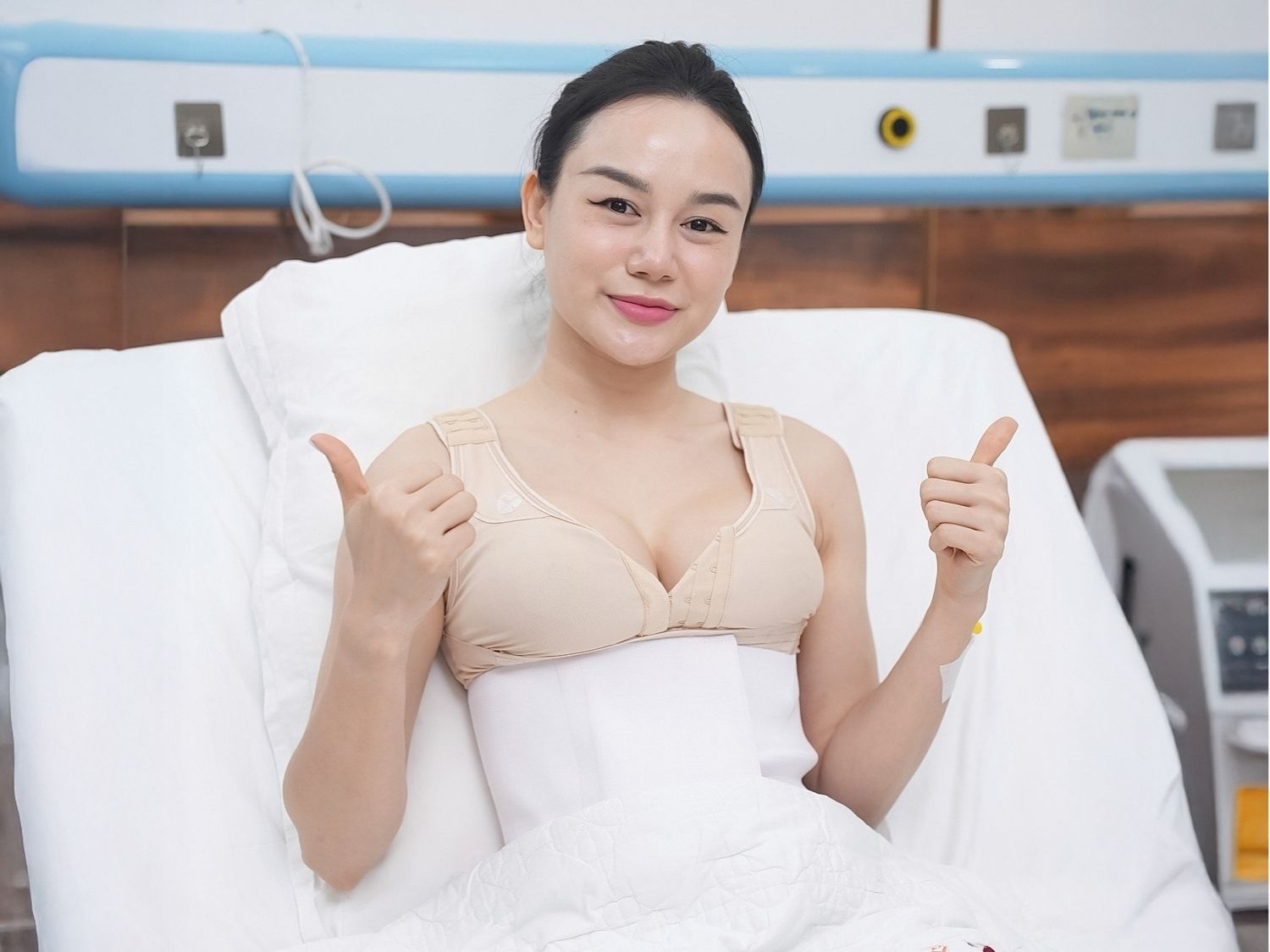
Women can become pregnant normally after breast augmentation.
Women can still become pregnant and breastfeed normally after breast augmentation. However, to ensure safety and maintain an attractive breast shape over the long term, doctors recommend following several important guidelines:
In addition, after childbirth and weaning, patients may return for a breast examination to assess implant stability and prevent breast sagging or late capsular contracture. For those planning to have more children, the doctor may provide additional advice on preserving the breast shape or making minor adjustments to maintain a natural and harmonious appearance.
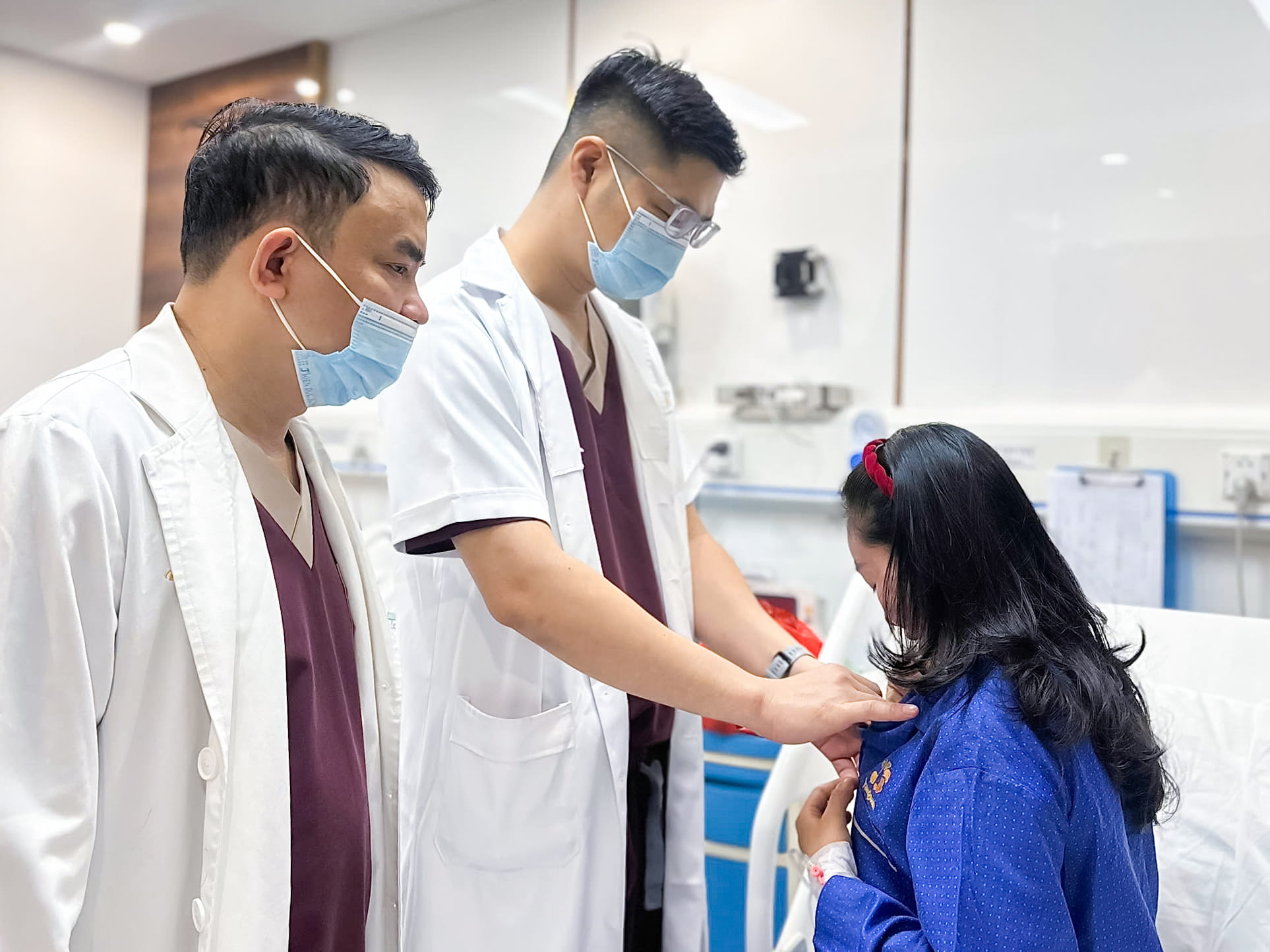
Attend follow-up examinations after breast augmentation so the doctor can assess the implants.
After breast augmentation, women can become pregnant and give birth safely, provided they wait at least 6–12 months for the body to recover completely. Following care instructions and attending regular examinations will help maintain the appearance of the breasts while ensuring a healthy pregnancy and the safety of both mother and baby.
Schedule a consultation with a specialist at Kangnam to receive specific guidance on the safest time to become pregnant and how to maintain an attractive breast shape over the long term.
Pregnancy After Breast Augmentation