Date posted: 22-07-2026 | Last updated : 28-07-2026
Before deciding to undergo an aesthetic procedure, many women wonder whether they can breastfeed after breast augmentation. This is a legitimate concern because, in addition to aesthetic considerations, health and the ability to become a mother remain top priorities in every cosmetic surgery procedure.
After breast augmentation, patients can still breastfeed normally if the procedure is performed using the correct technique because the breast implants are placed beneath the mammary glands or chest muscles without damaging the milk ducts or affecting milk production. In general, breast augmentation does not compress the glandular tissue or breast nerves and therefore does not interfere with the production and secretion of breast milk.
However, the ability to breastfeed may be affected if the incision or implant placement damages the milk ducts. Therefore, choosing an appropriate surgical method and a qualified surgeon is very important.
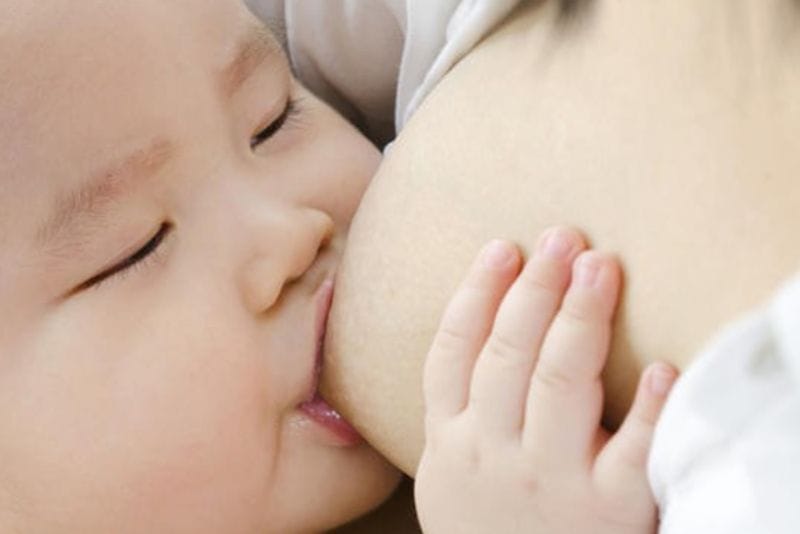
Patients can still breastfeed after breast augmentation.
The surgical technique, breast implant position, implant material, the surgeon’s technique, and the timing of pregnancy after breast augmentation can affect the ability to breastfeed later.
At Kangnam Aesthetic Hospital, the entire breast augmentation procedure is performed in a sterile operating room that meets Ministry of Health standards. A 4K endoscopic imaging system magnifies the surgical field, allowing surgeons to operate precisely, minimize tissue damage, and preserve the structure of the mammary glands as much as possible. As a result, patients can feel confident about their ability to breastfeed after surgery.
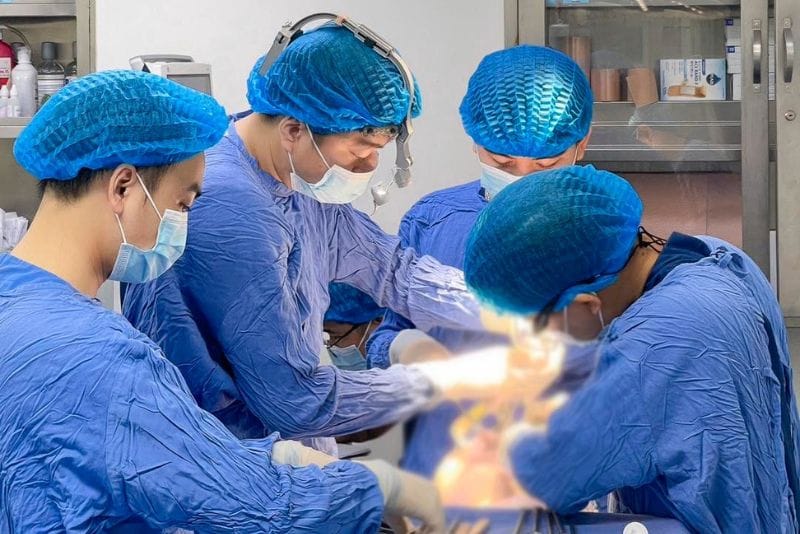
A safe breast augmentation procedure performed in a one-way sterile operating room.
According to breast aesthetic surgery specialists at Kangnam Aesthetic Hospital, breast augmentation before childbirth is entirely possible if the appropriate timing is selected and the procedure is performed at a reputable medical facility. Breast augmentation is a major surgical procedure involving tissue dissection, so the breast structure requires approximately 6–12 months to recover and stabilize. After this period, the body will have fully adapted to the implants, helping prevent effects on the mammary glands or hormonal changes during pregnancy.
Therefore, if you plan to become pregnant soon, within the next six months to one year, Kangnam surgeons recommend waiting until after childbirth and weaning before undergoing breast augmentation. In contrast, if you do not plan to have children within the next two to three years, undergoing breast augmentation beforehand is considered safe, provided the procedure follows proper medical standards.
Many women currently choose to undergo breast augmentation before marriage to improve their confidence, particularly in their careers, wedding photography, or fashion. However, if you are not prepared to maintain postoperative care or plan to have children soon, you should postpone surgery to avoid changes in breast shape during pregnancy and breastfeeding.

Breast augmentation helps women feel more confident.
Breast augmentation provides several aesthetic and psychological benefits. However, women should also clearly understand the potential risks to maintain a balanced perspective and make an appropriate decision.
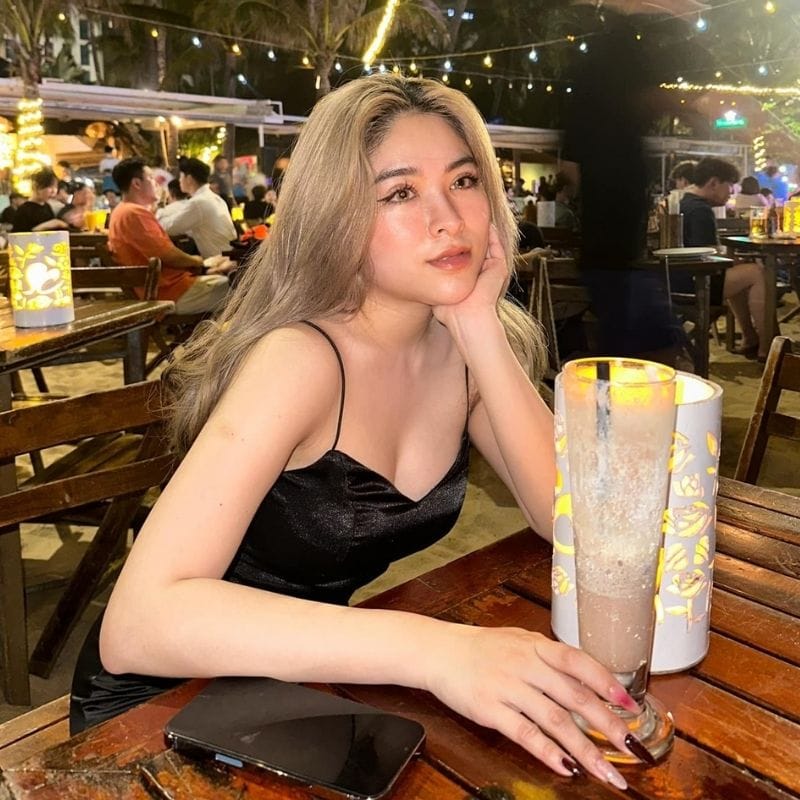
An attractive bust enhances confidence.
Surgeons at Kangnam recommend that patients planning to have children within the next one to two years choose endoscopic transaxillary breast augmentation with the implants placed beneath the chest muscles. This is the optimal approach for preserving the milk ducts and maintaining a stable breast shape over the long term.
To achieve an attractive bust while ensuring safety and preserving the ability to breastfeed, patients should consider five important principles before undergoing breast augmentation.
A surgeon with extensive expertise in breast reconstruction and augmentation will have a thorough understanding of the mammary glands, blood vessels, and nerves surrounding the nipples. This enables the surgeon to operate precisely and minimize tissue damage.
At Kangnam, every breast augmentation procedure is performed directly by a body-contouring specialist with more than 10 years of experience. The surgeons hold professional licenses in breast surgery and have expertise in preoperative imaging of the mammary glands, ensuring safe, medically standardized tissue dissection and balanced, natural-looking aesthetic results.
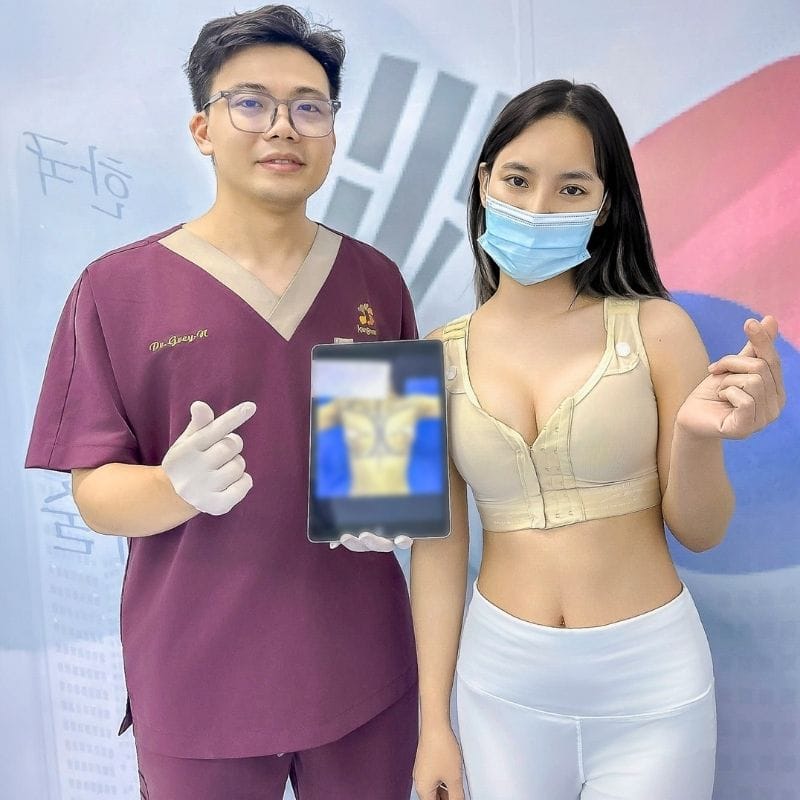
An experienced surgeon specializing in breast aesthetic surgery.
Specialists recommend placing implants beneath the pectoralis major muscle so that the implants do not come into contact with or compress the glandular tissue, allowing normal milk production. Patients should also avoid breast augmentation through a periareolar incision because this area contains numerous milk ducts and sensory nerves.
Instead, Kangnam Aesthetic Hospital applies endoscopic surgery through the armpit or inframammary fold. This technique allows precise dissection of each tissue layer, minimizes tissue damage, reduces swelling and pain, and ensures maximum protection of the mammary glands.
The implant material is an important factor in creating soft, natural-looking breasts while ensuring safety. At Kangnam, Nano Chip and Nano Chip Ergonomix implants are widely used because they can adapt naturally to body movement and provide a feel similar to natural breast tissue. The implants have a flexible, durable shell, do not leak silicone, and include a lifetime warranty. As a result, patients can feel confident about becoming pregnant and breastfeeding without concern about their health or breast shape.
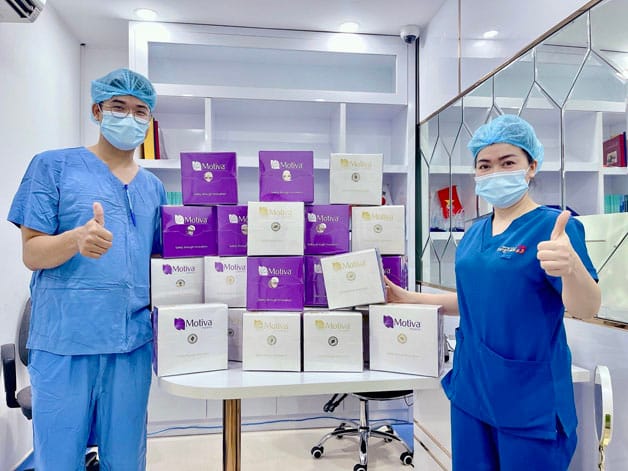
Premium, genuine breast implants.
Before surgery, patients should undergo a comprehensive medical examination so that the surgeon can assess the breast tissue, mammary glands, and blood vessels in detail. This examination helps determine a safe dissection position and prevents damage to the milk-producing glands during surgery.
At Kangnam Aesthetic Hospital, the examination process uses modern diagnostic imaging equipment, allowing the surgeon to develop a personalized plan for each patient and maximize both aesthetic effectiveness and mammary gland safety.
After breast augmentation, the body needs time for the breast tissue to stabilize and for the fibrous capsule surrounding the implants to mature. Therefore, patients are advised to wait at least 6–12 months before becoming pregnant. This period allows the implants to fully integrate with the body tissues, reducing the risk of breast deformity or rupture of the implant capsule when hormonal changes occur during pregnancy.
Overall, breast augmentation does not prevent women from breastfeeding. However, the outcome depends significantly on the surgical technique, implant type, implant position, and the surgeon’s expertise. To ensure safety and preserve mammary gland function, patients should choose a specialized medical facility such as Kangnam Aesthetic Hospital, which provides medically standardized breast augmentation procedures, leading specialist surgeons, and modern technology.
Breastfeeding After Breast Augmentation
Sau phẫu thuật nâng ngực vẫn có thể cho con bú.
Quy trình nâng ngực an toàn trong phòng vô khuẩn 1 chiều
Nâng ngực giúp phái đẹp tự tin hơn
Vòng 1 quyến rũ tăng thêm sự tự tin.
Bác sĩ chuyên khoa thẩm mỹ vòng 1 nhiều kinh nghiệm
Túi ngực cao cấp, chính hãng