Date posted: 27-07-2026 | Last updated : 28-07-2026
Transaxillary breast augmentation is one of the modern aesthetic techniques chosen by many women due to its outstanding advantage of effective scar concealment. This method involves creating a small incision in the axillary fold (armpit) to insert the implant into the chest pocket, minimizing invasiveness to the breast area. It is an ideal choice for those who wish to enhance their bustline while maintaining high aesthetic standards.
1. What Is Transaxillary Breast Augmentation?
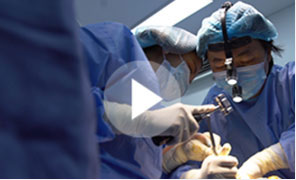
Transaxillary breast augmentation is a method that creates a small incision in the axillary crease, followed by the use of endoscopic equipment to guide the implant into the breast pocket and shape the bustline. Because the incision is located in the armpit, it leaves no scars on the breast area, ensuring aesthetic appeal. Concurrently, endoscopic technology enables doctors to operate with high precision, minimizing invasiveness and delivering a natural bust contour.
2. Advantages of Transaxillary Breast Augmentation
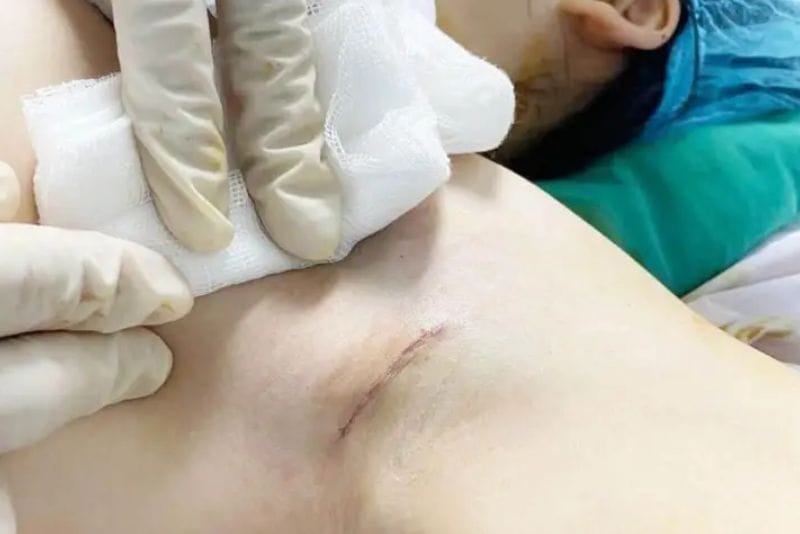
Transaxillary breast augmentation offers several outstanding advantages, such as: effective scar concealment, preservation of nipple sensation, no impact on breastfeeding capability, less pain, and faster recovery thanks to endoscopic techniques.
- Effective Scar Concealment: The surgical line is made within the axillary crease outside the breast region, making scars virtually invisible after recovery. This is a major aesthetic advantage compared to other surgical routes.
- Preservation of Nipple Sensation: Because it does not directly affect the areola or nipple, sensory nerves remain largely undisturbed. Consequently, nipple sensation remains stable post-surgery.
- No Impact on Breastfeeding: The incision in the axillary vault does not traverse mammary gland tissue, minimizing the risk of damaging breast structure and avoiding interference with future childbearing and nursing.
- Less Pain and Faster Recovery: Endoscopic technology helps doctors clearly visualize tissue structures and place implants accurately, reducing soft tissue trauma. As a result, clients experience less pain and enjoy a faster recovery process.
3. Limitations of Transaxillary Breast Augmentation
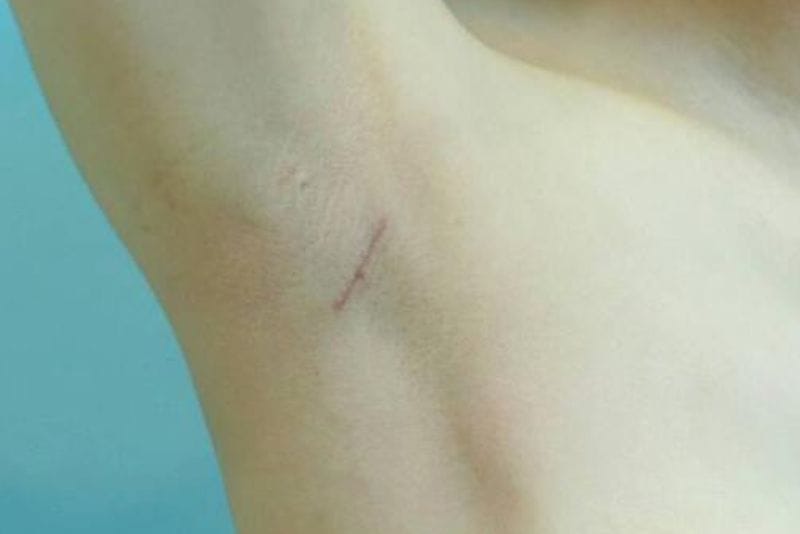
Extensive tissue dissection, longer surgery duration, and difficulty in controlling implant positioning are limitations associated with the transaxillary technique.
- Extensive Tissue Dissection: When performing breast augmentation via the axillary route, doctors must dissect a larger area of tissue to create the implant pocket, making maneuvering more complex and extending the recovery period.
- Longer Surgical Duration: Compared to other breast augmentation access routes, the axillary approach generally takes more time due to the necessary combination of endoscopy and detailed tissue dissection. This requires patience and accuracy in every step.
- Difficulty in Controlling Implant Positioning: Due to the access route being far from the breast area, placing the implant in the exact intended position can present challenges. Without precise execution, implants risk becoming displaced or asymmetrical.
4. Transaxillary Breast Augmentation Procedure
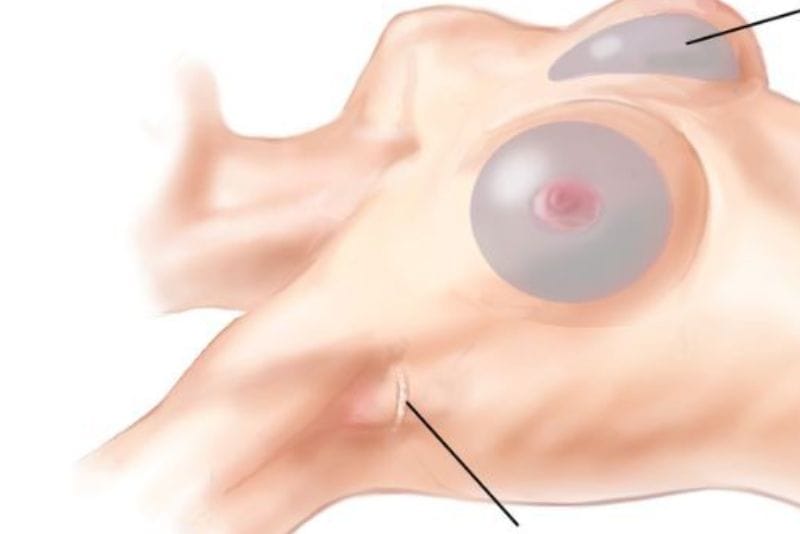
During the transaxillary breast augmentation process, the doctor creates a small incision of approximately 2–3 cm in the axillary crease, uses endoscopic equipment to dissect and create the breast pocket, places the implant into the dissected area, secures the implant, and closes the incision.
Detailed execution steps include:
- Making the Incision: The doctor makes a small incision of approximately 2–3 cm within the natural axillary fold.
- Pocket Dissection: The doctor utilizes specialized endoscopic equipment to create the implant pocket at the desired location, which can be subglandular, subfascial, or subpectoral (behind the greater pectoral muscle).
- Implant Placement: The doctor inserts the breast implant into the prepared pocket, then inspects it carefully to ensure the implant is placed accurately and symmetrically.
- Fixation and Closure: Once the breast implant is secured in place, the doctor closes the incision using aesthetic sutures to complete the surgical procedure.
5. Is Transaxillary Breast Augmentation Painful?
Transaxillary breast augmentation involves minimal pain, reduced bleeding, and faster recovery than traditional methods thanks to the application of endoscopic technology. However, a mild sore or tender sensation after surgery is a normal reaction and can be relieved by using pain medication as prescribed by the doctor.
Furthermore, the recovery process depends on individual constitution, adherence to post-operative care instructions, and daily routines. With proper rest, avoidance of strenuous activities, and attendance at scheduled follow-up visits, discomfort will subside quickly. Consequently, clients can soon return to daily life with a firm, balanced bustline without worrying excessively about post-operative pain.
6. Where Is Transaxillary Breast Augmentation Safe?
Transaxillary breast augmentation is a complex technique requiring doctors with high professional qualifications and extensive experience in pocket dissection, pocket creation, and implant placement. Improper execution can lead to implant displacement, asymmetry, or subsequent complications.
Kangnam Aesthetic Hospital brings together a medical team with over 15 years of experience in breast aesthetics, specializing in endoscopic transaxillary techniques to precisely dissect pockets, minimize invasiveness, and place implants in correct positions. As a result, it delivers natural, symmetrical breast outcomes with maximum safety guarantees, even for complex cases. This is why Kangnam is trusted and chosen by many clients, including overseas Vietnamese.

7. Important Considerations After Transaxillary Breast Augmentation
Following transaxillary breast augmentation, clients must rest, restrict strenuous activities, wear a shaping compression bra as prescribed, keep suture sites clean, avoid direct contact with water, and abstain from specific foods such as glutinous rice, beef, seafood, and stimulants.
- Proper Rest: Post-surgery, clients should rest amply during the initial days to allow the body time to recover. Pay attention to proper sleeping postures, limiting twisting or sleeping on your side to help the breasts stabilize better.
- Restrict Strenuous Activities: During the first 4–6 weeks, avoid vigorous activities such as gym workouts, swimming, heavy lifting, or running/jumping. These actions can cause implant displacement and affect surgical stitches.
- Wear a Shaping Compression Bra: The compression bra serves to stabilize breast shape, reduce edema, and support recovery. Clients should strictly adhere to the recommended duration for wearing the bra as instructed by the doctor to achieve optimal results.
- Clean Wound Care: Keep suture sites dry and clean them gently according to instructions. Absolutely do not remove dressings on your own or apply topical medications without prior approval from your doctor.
- Avoid Direct Water Exposure: During the initial stage, keep water away from suture sites to prevent infection risks. When bathing, use a damp towel to wipe the body while keeping the chest area dry and clean.
- Dietary Restrictions: Foods made from glutinous rice, beef, and seafood can easily cause hypertrophic scars, itching, or delayed wound healing. Additionally, avoid alcohol, beer, coffee, and tobacco, as they hinder tissue recovery and overall health.
With prominent advantages in aesthetic appeal, minimal pain, and rapid recovery, an increasing number of clients are choosing transaxillary breast augmentation. However, to guarantee optimal results, clients should carefully select a reputable facility with experienced specialist doctors. This serves as the key to possessing an alluring, harmonious bustline while ensuring total safety.
Areola Reduction Surgery: For Smaller, Balanced Areolas
Body Contouring Solutions to Restore Your Figure
How Long After Breast Augmentation Do Breasts Look Natural?