
Does Breast Augmentation Hurt? Pain and Recovery

Date posted: 22-07-2026 | Last updated : 28-07-2026

One of the most common concerns among women considering breast augmentation is whether breast implant placement is painful. Although it is a major surgical procedure, modern general anesthesia and endoscopic-assisted techniques have significantly reduced pain. Many patients report that the procedure was more comfortable than expected, with only mild tightness in the chest during the first few days before recovering quickly.

1. Is Breast Implant Placement Painful?

Breast implant placement is not painful during surgery because patients are placed under general anesthesia and do not feel any pain while the surgeon performs the procedure. After surgery, the breasts may feel mildly painful, tight, heavy, or uncomfortable for several days to several weeks. This is a normal response as the body adapts to the implants.

The pain is usually mild to moderate, gradually decreases over time, and can be effectively controlled with pain medication prescribed by the surgeon. With modern endoscopic techniques that minimize tissue damage and support rapid recovery, postoperative discomfort is significantly reduced, helping patients quickly return to their normal daily activities.
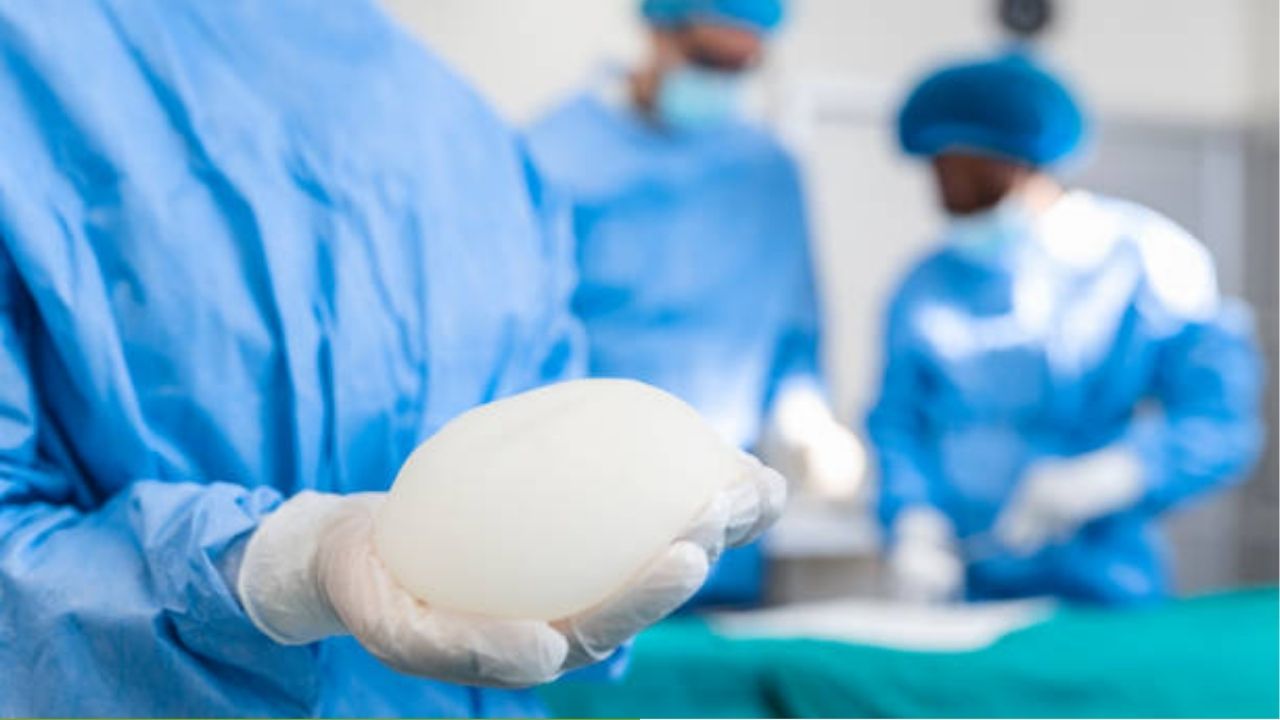
Breast implant placement is painless because general anesthesia is used.

Breast implant placement is painless because general anesthesia is used.

According to a breast surgery specialist at Kangnam Aesthetic Hospital: “If the surgery is performed according to the correct procedure, the implant pocket is accurately dissected, and compatible breast implants are used, more than 90% of patients experience only mild tightness rather than noticeable pain after surgery.”

Combined with cold plasma surgical instruments and new-generation Motiva and Nanochip breast implants, breast implant placement is now less invasive, causes less bleeding, and minimizes swelling. Many patients even report that they slept throughout the surgery and only felt mild tightness after waking up.

In summary, pain during breast implant placement is no longer a major concern when you choose a skilled surgeon and a facility that meets medical standards, such as Kangnam.

2. Factors Affecting Pain After Breast Implant Placement

The size of the implants, implant placement, surgical method, and postoperative factors such as care and daily habits affect the level of discomfort after breast augmentation.
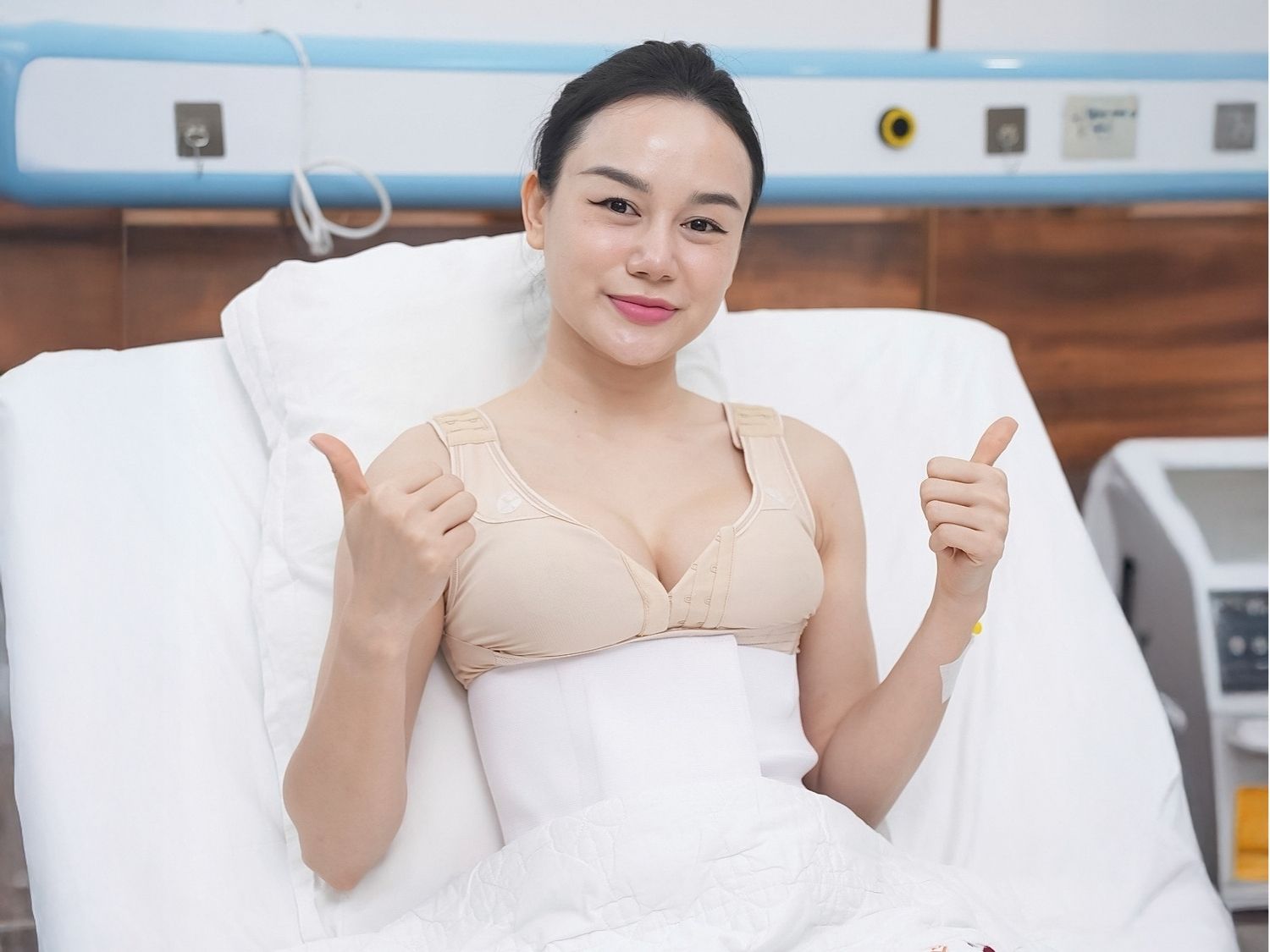
  • Implant size: The larger the breast implants, the greater the pressure placed on the breast tissue and chest muscles, making pain, tightness, and heaviness more likely during the first few days after surgery. Choosing an implant size that is appropriate for the patient’s physical characteristics helps reduce tissue tension and shorten the recovery period.
  • Implant placement: Placing the implants beneath the chest muscles usually causes more pain and tightness than placing them beneath the breast tissue because the chest muscles are dissected and require time to adapt. However, this position provides a more natural and long-lasting breast shape.
  • Surgical method: Endoscopic surgery or no-touch techniques help reduce tissue damage, bleeding, swelling, and postoperative pain. As a result, patients recover more quickly and experience significantly less discomfort.
  • Care and daily habits: Following the surgeon’s care instructions, wearing a compression bra correctly, and avoiding strenuous activity help the breasts stabilize quickly and effectively reduce pain. In contrast, exercising too soon or failing to follow proper care instructions may cause prolonged swelling and pain.
Proper care helps the breasts recover more quickly.

Proper care helps the breasts recover more quickly.

3. How to Reduce Pain and Recover Quickly After Breast Implant Placement

To reduce pain and recover quickly after breast implant placement, patients should apply cold compresses during the first two days, followed by warm compresses, wear a compression bra as directed, get adequate rest, avoid strenuous activity, maintain a balanced diet, and take pain medication according to the surgeon’s instructions.
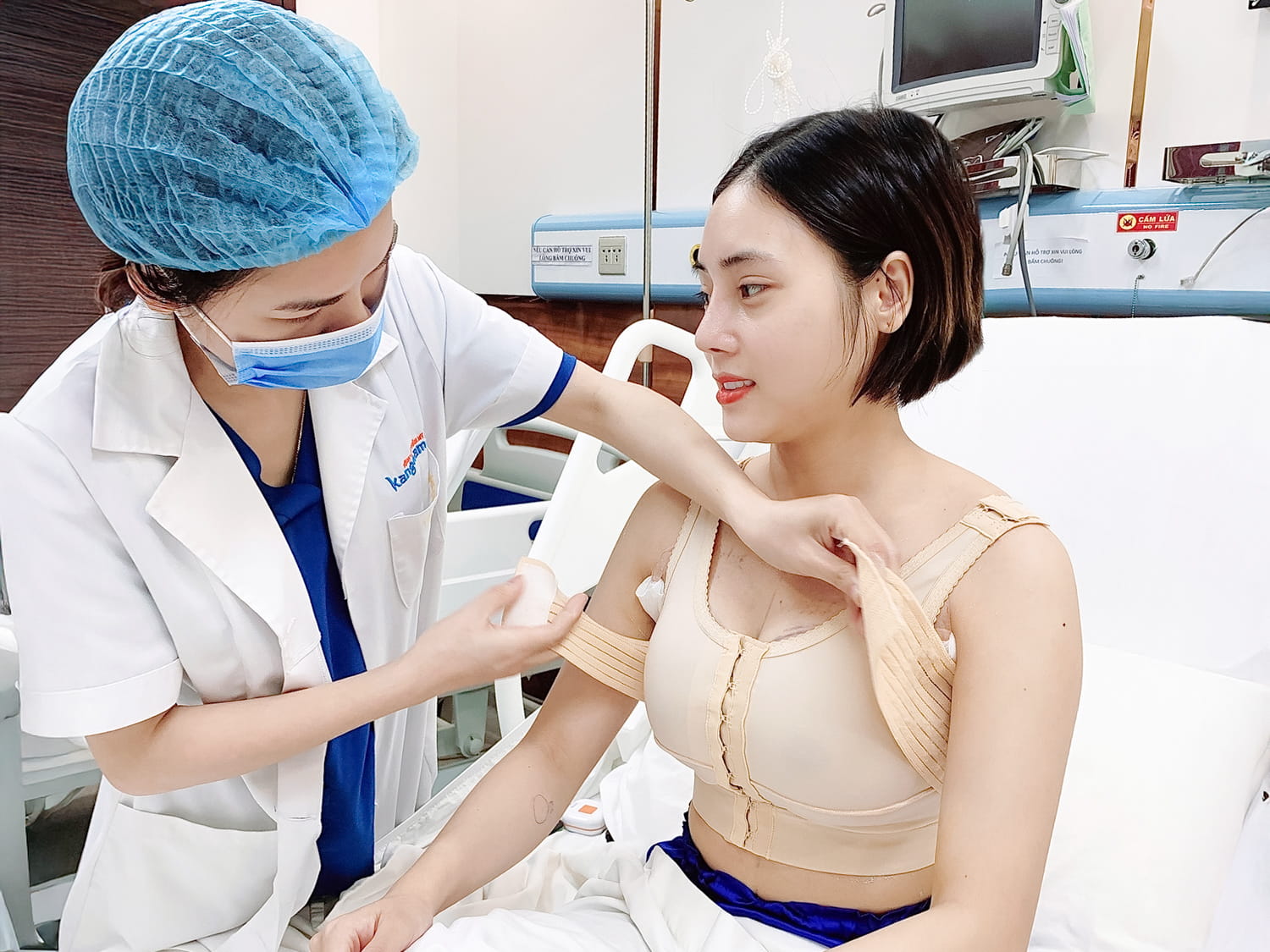
  • Apply cold and warm compresses: During the first 48 hours after surgery, patients should gently apply cold compresses around the breast area to constrict blood vessels, reduce swelling, and minimize bruising. From the third day onward, switch to warm compresses to stimulate blood circulation. This helps resolve bruising, soften the tissues, and support faster wound healing.
  • Wear a compression bra as directed: Wearing a compression bra for 6–8 weeks is mandatory to stabilize the breast implants, prevent displacement, and maintain the new breast shape. The bra also provides gentle compression, helping reduce swelling and allowing the breasts to settle into shape and become softer after recovery. Patients must not remove or change the compression bra without medical guidance.
  • Get adequate rest and avoid strenuous activity: Patients should rest completely for approximately the first 5–7 days after surgery so that the body can focus on recovery. Do not lift heavy objects, stretch the arms overhead, or perform strenuous exercise, such as gym workouts or swimming, for at least the first 1–3 months, as recommended by the surgeon. This helps prevent impacts or excessive pressure that could damage the sutures or displace the breast implants.
  • Maintain a balanced diet: Prioritize soft, easily digestible foods and consume sufficient protein and vitamins A, C, and E to strengthen the immune system and support tissue regeneration. In particular, foods believed to contribute to raised scars, such as water spinach, foods associated with itching, such as seafood, chicken, and glutinous rice products, and stimulants such as alcohol, beer, and coffee should be avoided for at least the first month to support wound healing.
  • Take pain medication: Take antibiotics, pain relievers, and anti-inflammatory medications at the correct dosage and for the prescribed duration. Do not stop taking medication without medical advice, even if the pain has improved. Patients should attend scheduled follow-up appointments so that the surgeon can examine the wound, change the dressing, and remove the sutures when appropriate, ensuring a safe recovery.
Wear a compression bra as instructed.

Wear a compression bra as instructed.

Proper care not only helps relieve pain quickly but also determines up to 70% of the final aesthetic result.

Kangnam applies a standardized postoperative care model that helps patients recover comfortably, without pain or complications.

4. Signs That Require Immediate Medical Attention After Breast Implant Placement

If you experience severe breast pain, swelling and bruising that do not improve, bleeding, high fever, redness and warmth, unusual firmness, or difficulty breathing, you should seek immediate medical examination so that complications can be diagnosed and treated promptly.

  • Severe pain that does not improve even after taking pain medication.
  • Swelling or bruising that rapidly worsens after the first 48 hours.
  • Bleeding or abnormal discharge, such as pus or foul-smelling fluid, from the incision.
  • A high fever above 38.5°C accompanied by chills.
  • Redness, warmth, unusual firmness, or signs of infection in the breasts.
  • Difficulty breathing, chest tightness, nausea, or persistent vomiting.
  • Noticeable displacement, distortion, or asymmetry of the breast implants.

By combining modern technology with medically standardized care procedures, Kangnam Aesthetic Hospital provides patients with a safe, comfortable, and effective breast augmentation experience. All procedures at Kangnam are performed by an experienced team of body-contouring surgeons using advanced endoscopic techniques to minimize tissue damage, effectively control postoperative pain, and shorten recovery time.
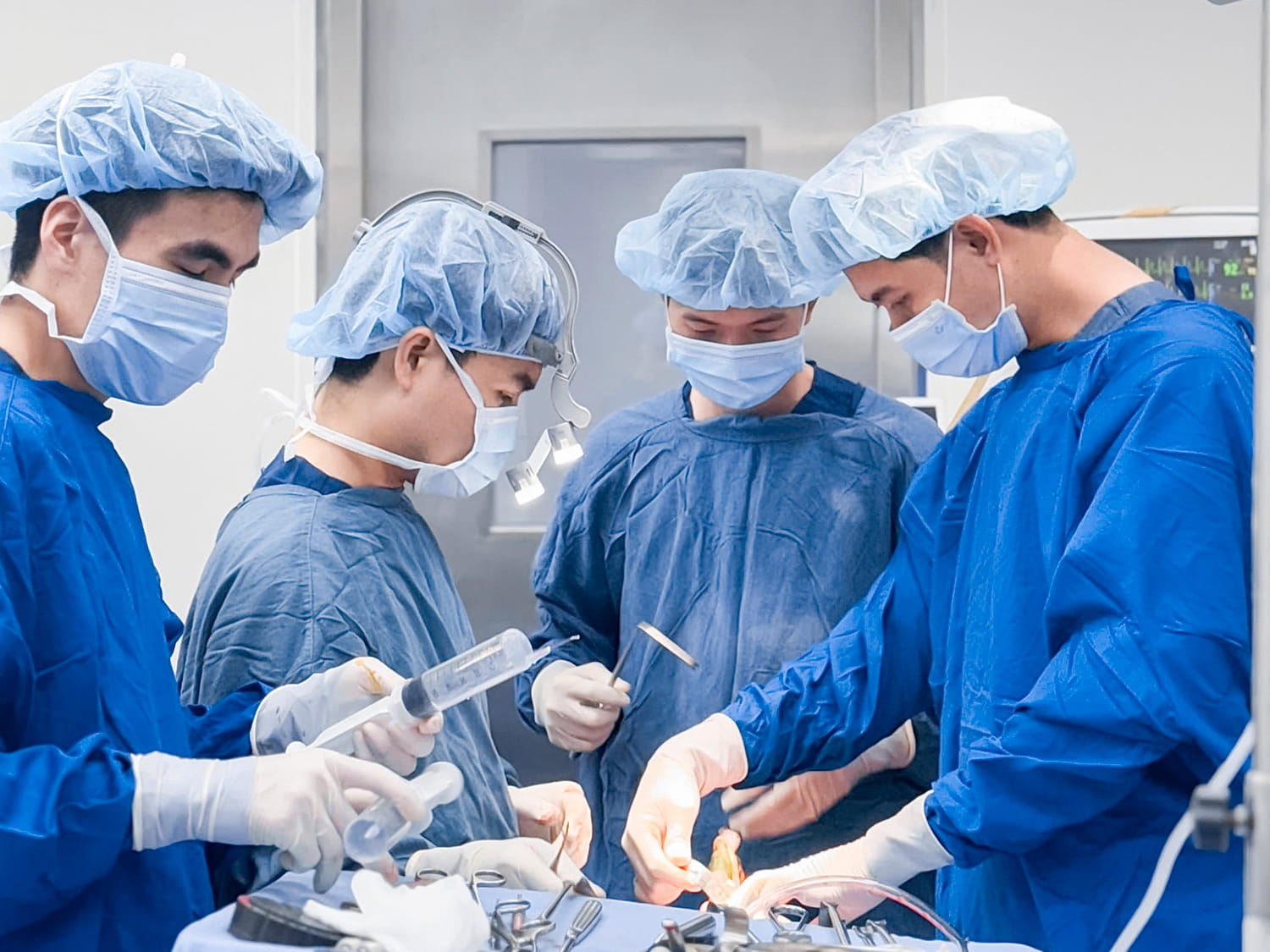
A safe breast augmentation procedure.

A safe breast augmentation procedure.

Overseas Vietnamese patients can feel completely confident when choosing Kangnam. In addition to natural-looking and well-proportioned aesthetic results, the hospital provides comprehensive postoperative care, online consultations with surgeons, flexible surgical scheduling, and five-star recovery packages with private nursing care, helping patients recover quickly and enjoy the most comfortable aesthetic journey possible.
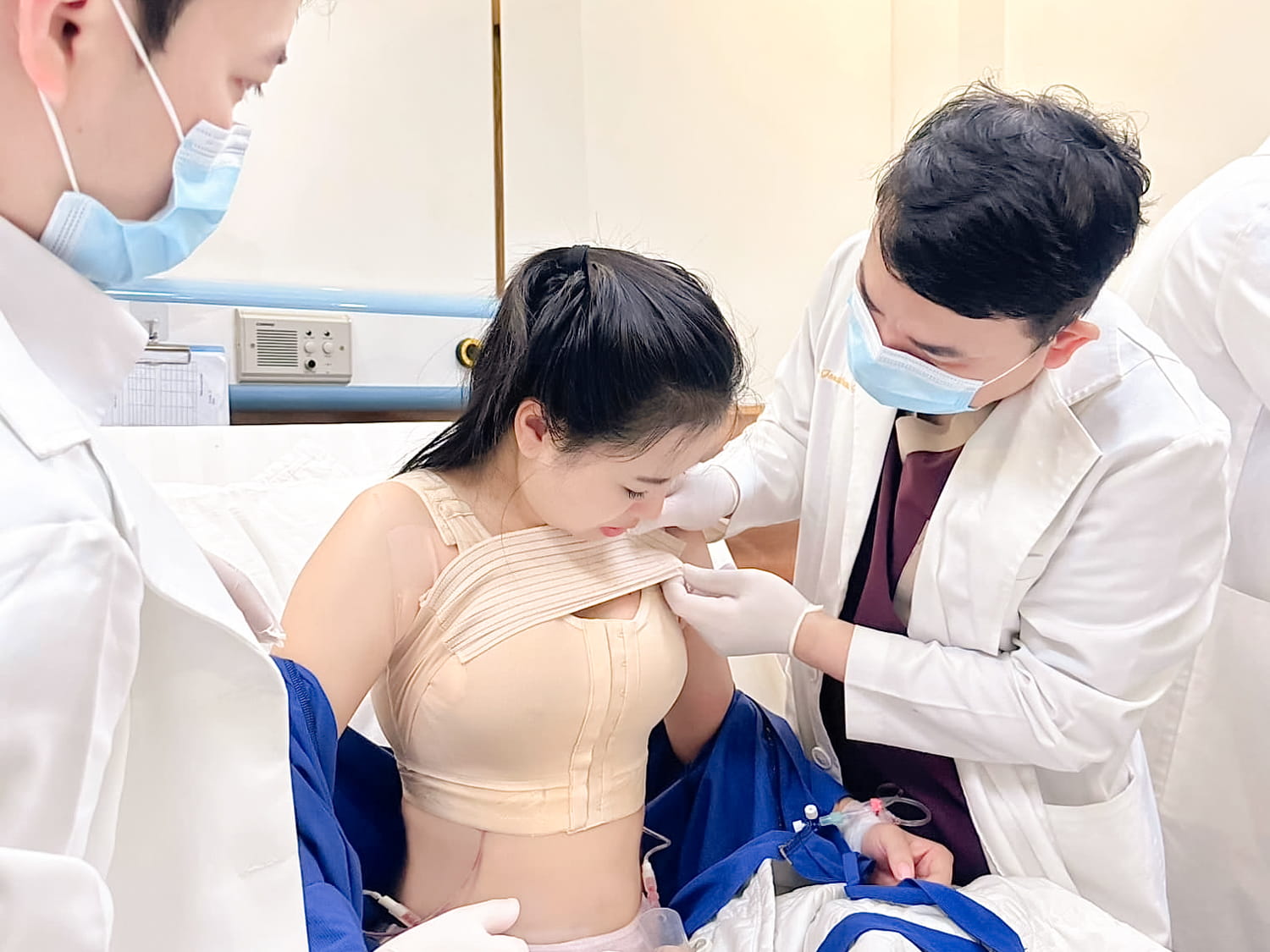
Patients receive care from private nurses.

Patients receive care from private nurses.

With 6D Breast Augmentation, an exclusive technique that helps reduce tissue damage, prevent scarring, and support recovery twice as fast, Kangnam has become an aesthetic destination trusted by many patients in Vietnam and abroad.

Schedule a consultation today so that a Kangnam surgeon can directly assess your breast shape, recommend an appropriate method, and help you achieve your goal of having an attractive bust.

Does Breast Augmentation Hurt?

Breast Augmentation Aftercare

How Long Does Breast Augmentation Take to Heal?

Messenger