Date posted: 27-07-2026 | Last updated : 28-07-2026
Rhinoplasty is one of the popular solutions chosen by many people who want to change their facial contours. Reshaping the nose may improve confidence in communication while creating a more harmonious and attractive appearance.
Rhinoplasty is a cosmetic procedure that adjusts the shape and structure of the nose to improve concerns such as an upturned nose, a low or flat nose, an uneven nasal bridge, wide nostrils, or a nose damaged by an accident.
During rhinoplasty, the doctor may modify the nasal bones, cartilage, or other structures to achieve the desired result. This procedure requires a doctor with professional expertise, advanced surgical skills, and a thorough understanding of facial anatomy and proportions to create a natural and harmonious result.
More information about different nasal graft materials is available in Autologous Cartilage Rhinoplasty.
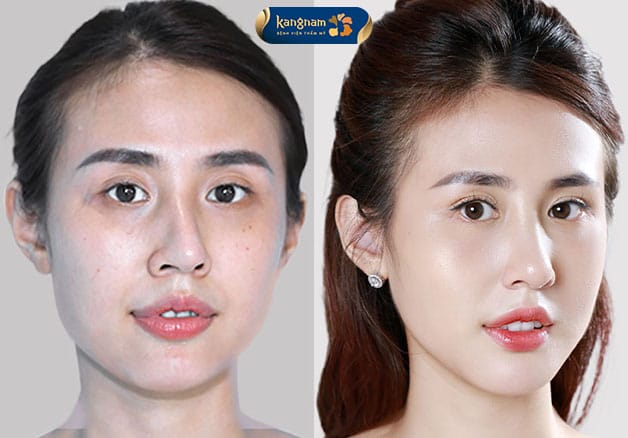
During rhinoplasty, the doctor may modify the nasal bones, cartilage, or other nasal structures.
Kangnam Aesthetic Hospital is a trusted aesthetic destination selected by many singers, actors, beauty queens, and public figures.
Kangnam is also among the facilities that regularly update advanced and modern rhinoplasty technologies to create a soft, natural-looking result suited to each patient’s facial proportions.
Kangnam prioritises patient safety, so its rhinoplasty technologies are designed to minimise unnecessary tissue damage.
The 6D Surgiform rhinoplasty technique uses medical-grade Surgiform material from the United States. The original content states that this material has a compatibility rate of approximately 90–95%, helping reduce the risk of irritation or an adverse reaction to the implant.
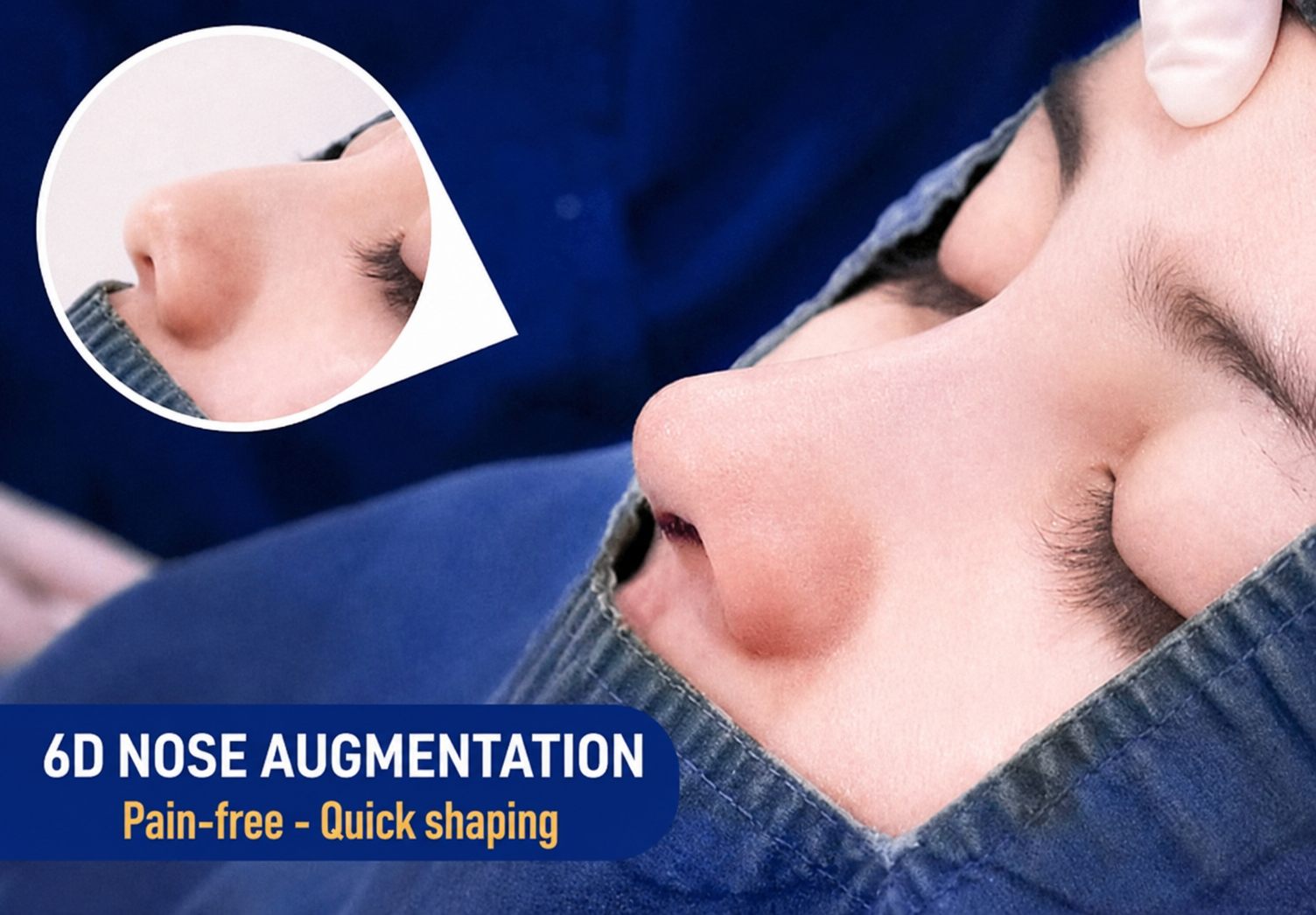
6D Surgiform rhinoplasty
During rhinoplasty, the doctor applies an anaesthetic technique to control pain and discomfort while the procedure is being performed.
After approximately seven days, the nasal shape may begin to become more defined and stable. Patients may gradually return to work and daily activities without requiring an extended period of rest.
After treatment, the nose may appear higher and more refined while maintaining a soft and natural-looking contour rather than an overly rigid appearance.
Patients can learn more about expected recovery in How Long Does Rhinoplasty Take to Heal?.
Alar base reduction is an aesthetic procedure used to improve the shape and size of the nostril wings.
Kangnam Aesthetic Hospital currently provides two alar reduction techniques:
Both techniques involve adjusting the soft tissues and selected nasal structures to create narrower and more balanced nostril wings.
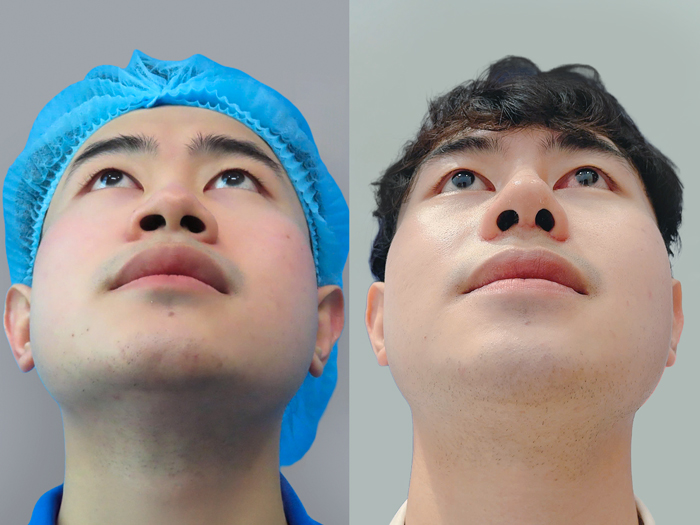
Alar reduction may create a more balanced nasal shape that harmonises with the face.
Kangnam states that its procedures follow the safety and treatment requirements established by the Ministry of Health.
The surgical team focuses not only on reshaping the nostrils but also on optimising the procedure to reduce potential risks during treatment.
Further details are available in Alar Base Reduction: Methods, Procedure, Recovery, Results, and Cost.
To improve an uneven or prominent nasal bone, Kangnam Aesthetic Hospital applies ultrasonic bone-contouring technology.
The doctor uses a specialised device to target the nasal bone precisely and reduce the prominent or overly broad area.
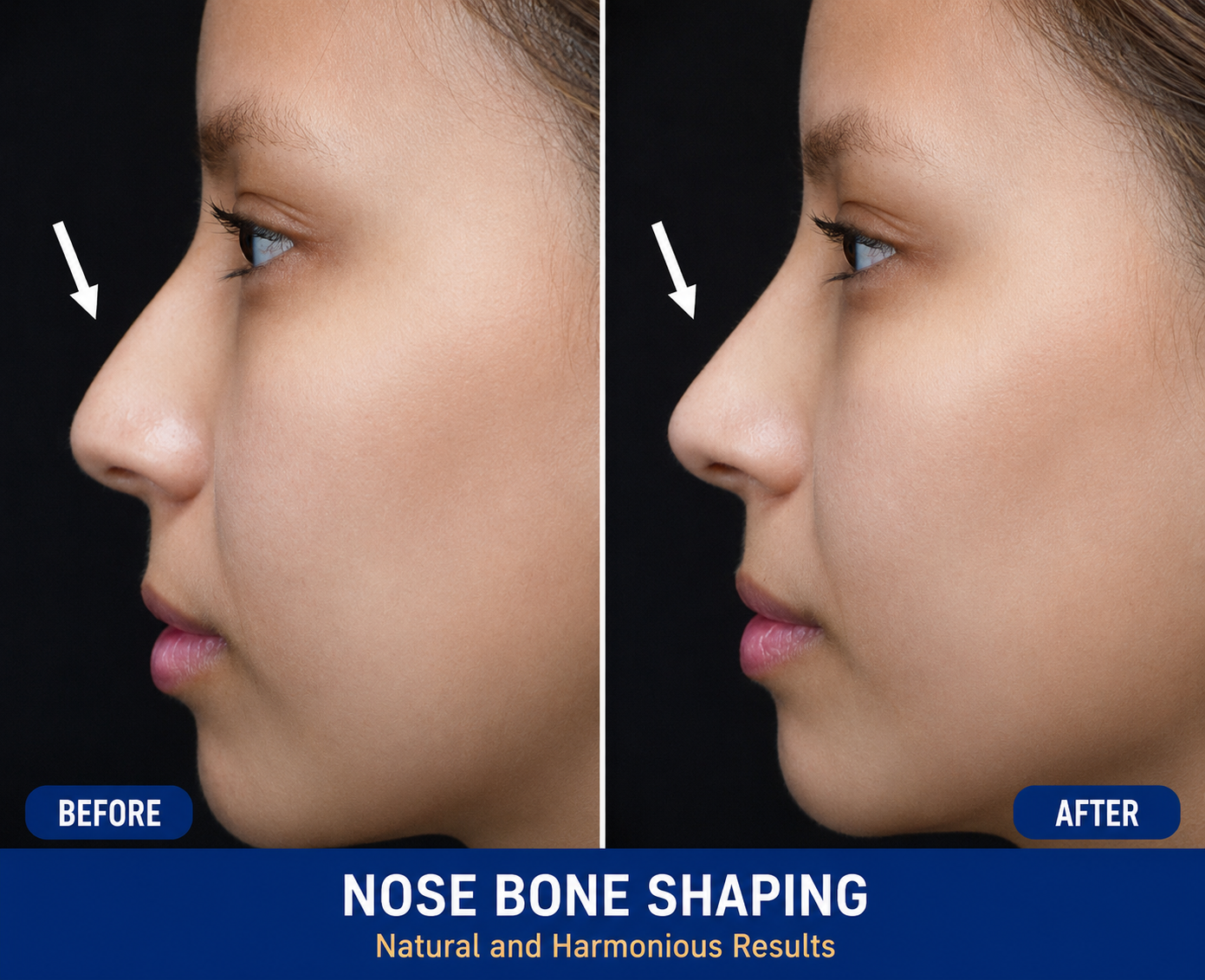
Dorsal hump correction may create a straighter and more balanced nasal bridge.
Before nasal bone correction, the doctor applies local anaesthesia to help control pain and discomfort.
Many patients choose to combine bridge augmentation with nasal bone correction to create a higher, straighter, and more refined nasal shape.
The doctor at Kangnam recommends a suitable solution according to the patient’s existing nasal condition and personal expectations.
Kangnam Aesthetic Hospital states that it applies high professional standards and has a team of doctors specialising in nasal and facial aesthetic surgery.
Some doctors involved in rhinoplasty at Kangnam include:
Dr Richard Huy is known for performing aesthetic procedures for several public figures, including singer Duc Phuc.
He holds a doctoral degree, participates in major international aesthetic associations, and has been involved in the medical team of the Transformation Journey aesthetic programme.
Dr Richard Huy completed two years of advanced training in maxillofacial surgery at a Korean aesthetic surgery university.
The original content states that he has 17 years of experience and has performed approximately 5,000 rhinoplasty procedures. He has also received professional awards and has been recognised as one of Vietnam’s leading aesthetic specialists.
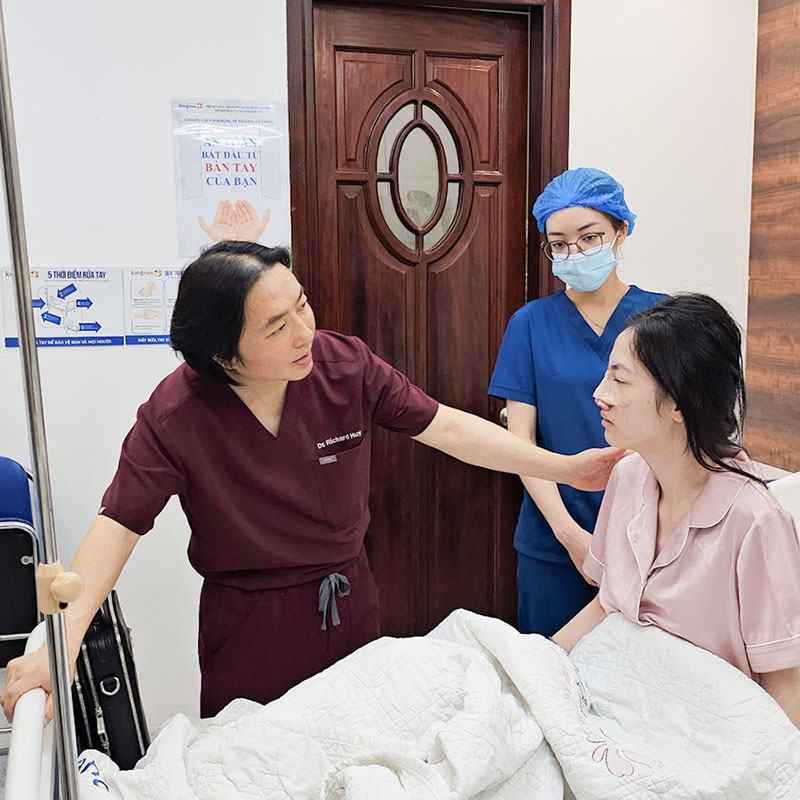
Dr Richard Huy is known for performing aesthetic surgery for several public figures.
Dr CK1 Henry Nguyen is a facial plastic and reconstructive surgery specialist at Kangnam.
The original content states that he has more than 12 years of experience in facial contouring and regularly participates in professional training in countries known for aesthetic medicine, including South Korea, the United States, and Japan.
He is also described as a medical adviser and operating doctor on the reality programmes Transformation Journey and Beauty Up.
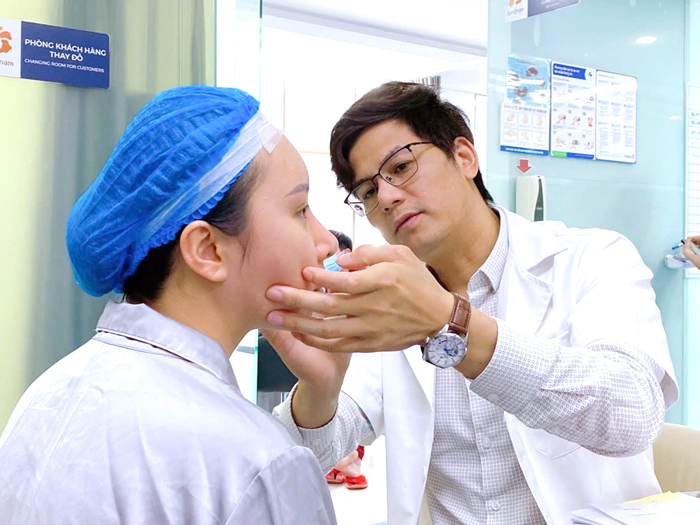
Dr CK1 Henry Nguyen is a facial plastic and reconstructive surgery specialist at Kangnam.
Kangnam Aesthetic Hospital states that it uses advanced equipment and technologies transferred from South Korea, the United States, and Japan.
Patients can experience a comfortable and modern environment with equipment intended to support safety and effectiveness throughout aesthetic procedures.
Kangnam’s facilities are also located in central urban areas, helping patients travel to and from the hospital more conveniently.
To support recovery following rhinoplasty, Kangnam provides pain-management and recovery-support services intended to make the postoperative period more comfortable.
The hospital also offers selected accommodation, dining, and postoperative care services.
Patients should confirm which services are included in their individual treatment package.
Detailed home-care guidance is available in Rhinoplasty Aftercare Instructions.
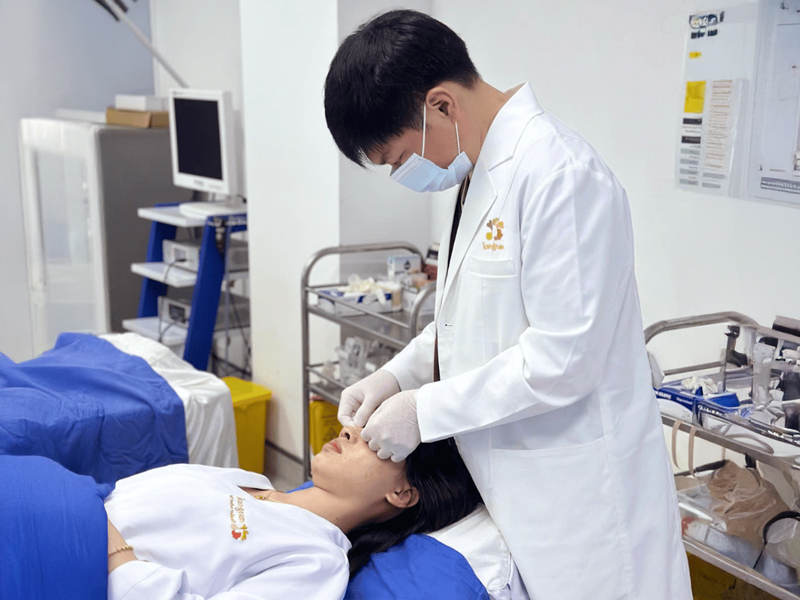
Structured postoperative care may support recovery after rhinoplasty.
Patients who have chosen rhinoplasty at Kangnam report satisfaction with their results, including a more refined nasal shape that appears proportionate and balanced with the face.
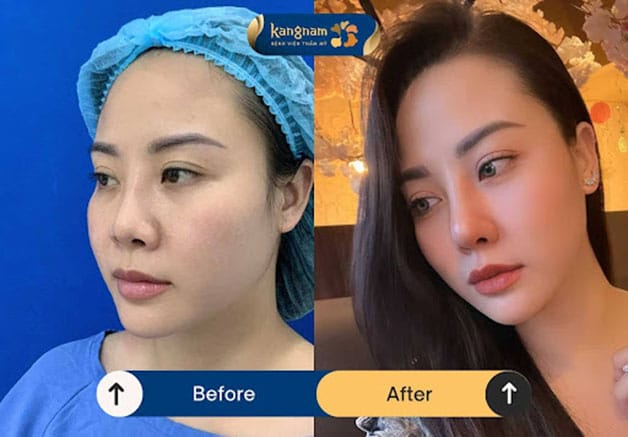
A more defined and sophisticated facial appearance after rhinoplasty at Kangnam.
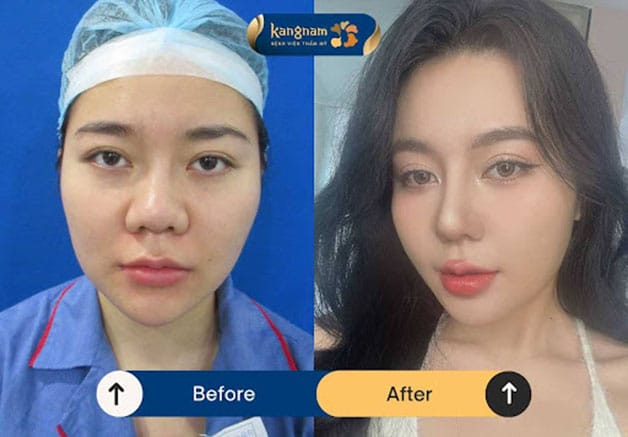
A refined nose that appears balanced with the proportions of the face.
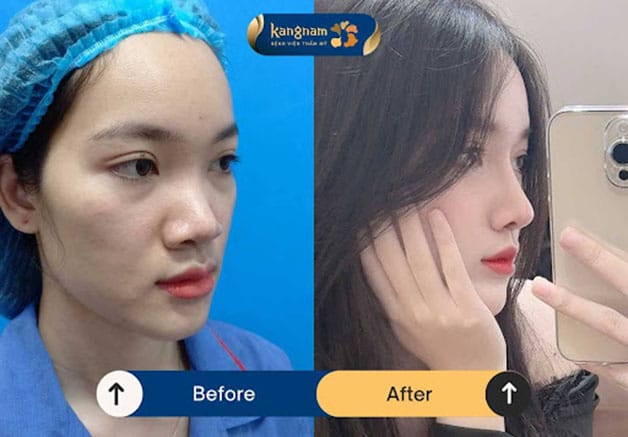
Greater confidence when showing the side profile after rhinoplasty at Kangnam.

A higher, narrower, and straighter nose may create a more distinctive facial appearance.
Individual outcomes vary according to the original nasal anatomy, treatment method, healing response, and postoperative care.
The following is the price list for nasal aesthetic services at Kangnam Aesthetic Hospital:
| Service | Approximate Cost in USD |
|---|---|
| Idol Line structural rhinoplasty with Nanoform implant | 1,748 |
| Idol Line structural rhinoplasty with Surgiform implant | 2,356 |
| 6D VIP rhinoplasty with Surgiform implant, performed by a department head | 3,191 |
| Rib cartilage rhinoplasty with Nanoform implant | 3,002 |
| Rib cartilage rhinoplasty with Surgiform implant | 3,571 |
| Alar base reduction through inward repositioning or excision | 228 |
| Nasal-tip reshaping or reduction | 456 |
| Ultrasonic dorsal hump reduction and nasal bone correction | 570 |
| Rhinoplasty revision service | 190 |
| Complex rhinoplasty revision service | 570 |
The prices above are reference prices and may vary depending on the patient’s nasal condition, selected technique, operating doctor, and included services.
This article has provided detailed information about rhinoplasty surgery and the modern nasal aesthetic technologies available at Kangnam.
With modern equipment, an experienced medical team, and structured postoperative care, Kangnam Aesthetic Hospital positions itself as a trusted provider of rhinoplasty procedures and a companion for patients throughout their aesthetic journey.
S-Line Rhinoplasty: Benefits, Procedure, Recovery, and Aftercare
Autologous Cartilage Rhinoplasty: Techniques, Benefits, Risks, and Cost