Date posted: 26-07-2026 | Last updated : 27-07-2026
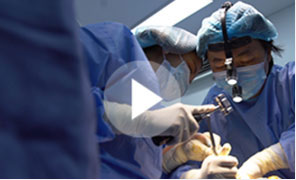
Individuals with sinusitis can completely undergo rhinoplasty. Rhinoplasty is a minor procedure that only intervenes with the skin and soft tissues resting above the nasal bone structure, without directly affecting the sinus cavities. However, to ensure maximum safety, sinusitis must be stably controlled prior to proceeding with surgery.
Feasibility: Individuals with sinusitis CAN ABSOLUTELY undergo rhinoplasty. Surgery only intervenes at the superficial layer (skin and soft tissues above the nasal bone), without encroaching upon or directly affecting the deeper sinus cavities.
Mandatory Condition: Sinusitis must be stably controlled. Rhinoplasty is strictly contra-indicated during acute sinusitis flares to avoid risks of infection, suppuration, prolonged swelling, airway obstruction, or triggering severe sinus flare-ups.
Rhinoplasty should not be performed during acute sinusitis due to potential risks of infection, suppuration, breathing difficulty, damage to sinus tissue, and prolonged nasal swelling that delays recovery.
Post-Surgical Risk of Infection and Suppuration: During acute inflammatory phases, bacteria are highly active within the nasal cavity. If surgery is performed, incisions are susceptible to spreading infections, causing suppuration, prolonged swelling and pain, or even damaging the newly enhanced nasal structure.
Increased Obstruction and Breathing Difficulty: Swollen sinus mucosa narrows an already tight airway. During rhinoplasty—especially when using synthetic implants—the nasal cavity can face added compression, leading to breathing difficulties, headaches, and persistent nasal discharge.
Risk of Affecting Sinus Tissue and Olfactory Function: If surgical execution is imprecise or sinus inflammation spreads, implant material may irritate sinus tissues, potentially causing temporary loss of smell or triggering severe post-surgical sinus recurrence.
Prolonged Swelling and Delayed Recovery: Clients with acute sinusitis have sensitive mucosal systems with slower healing capabilities. Undergoing rhinoplasty during this phase leaves wounds prone to edema, prolonged bruising, and difficulty settling into proper form.
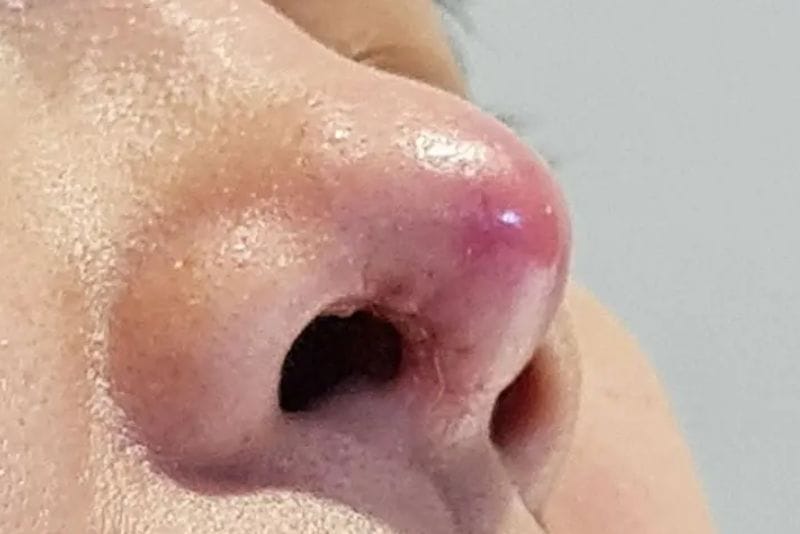
If you are currently experiencing acute sinusitis or symptoms such as a runny nose, nasal congestion, or pain around the forehead and cheekbones, you should not undergo rhinoplasty immediately. Instead, complete treatment is required first. Once the sinus condition stabilizes, doctors will re-evaluate and prescribe a safe rhinoplasty protocol suited to your physical constitution, ensuring no adverse effects on your respiratory system.
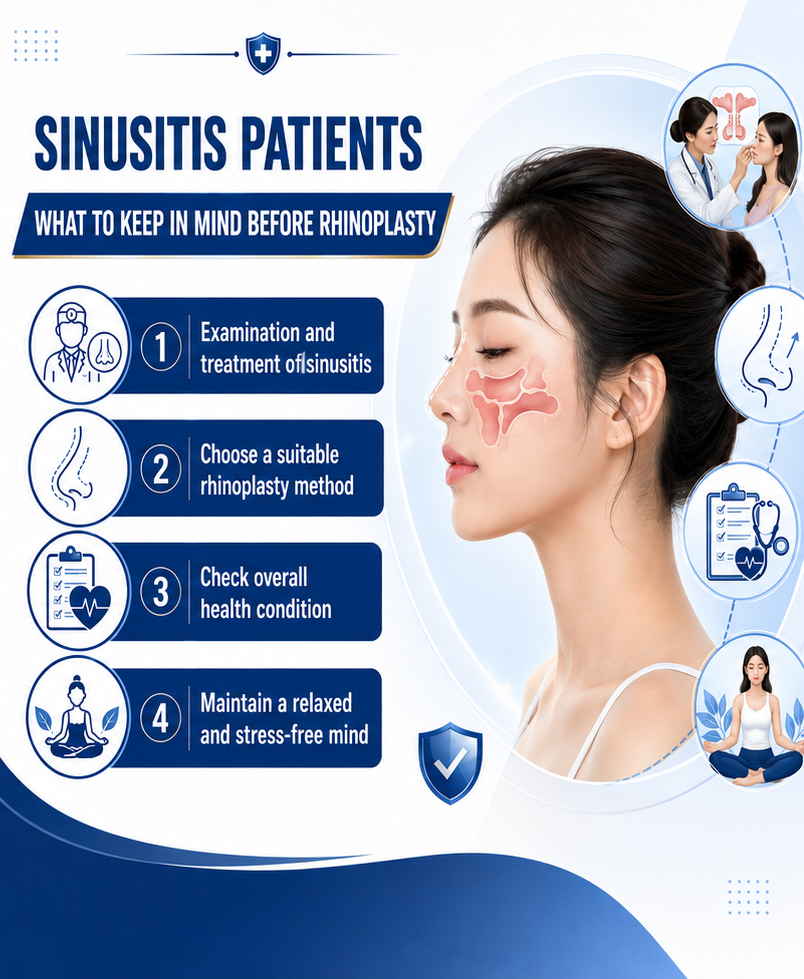
Prior to rhinoplasty, individuals with sinusitis must seek medical evaluation and stabilize their condition, choose a suitable rhinoplasty method, complete general health screenings, and maintain a relaxed state of mind to ensure a smooth surgical process and optimal aesthetic results.
ENT Examination and Sinusitis Treatment: Prior to rhinoplasty, clients should consult an ENT specialist to verify whether their sinus condition is stable or in an acute phase. If actively inflamed, medical treatment or sinus endoscopy will be prescribed before any aesthetic intervention.
Selecting a Suitable Rhinoplasty Method: Individuals with a history of sinusitis should prioritize rhinoplasty methods using autologous cartilage (such as ear cartilage or rib cartilage), as these materials offer high biocompatibility with minimal irritation. Overly rigid synthetic implants should be limited to prevent unnecessary pressure on the nasal walls.
General Health Evaluation: Patients with chronic sinusitis may be sensitive to weather changes or anesthesia; therefore, thorough cardiovascular, respiratory, and drug allergy assessments are required prior to surgery.
Maintaining a Relaxed Mindset: Before undergoing rhinoplasty, ensure adequate sleep, maintain a healthy diet, and avoid alcohol and tobacco to boost immunity. Good physical condition and a relaxed mindset promote faster recovery and minimize the risk of post-surgical sinus flare-ups.
No, rhinoplasty does not cure sinusitis. Rhinoplasty surgery only alters the external appearance of the nose and does not treat inflammatory conditions inside the sinus cavities. To effectively manage sinusitis, patients need proper medical evaluation and treatment from an ENT specialist.
Rhinoplasty (Aesthetic): The surgeon operates on the superficial layer, placing implant materials (autologous or synthetic) above the nasal bone and beneath the skin/soft tissue layer to elevate the bridge height.
Sinusitis (Medical Condition): This is an inflammatory, edematous, or obstructive condition of the mucosal lining inside hollow sinus cavities located deep within the facial bones (maxillary, ethmoid, frontal, and sphenoid sinuses).
Rhinoplasty materials do not touch or alter the structure of the sinus mucosa; therefore, they cannot eliminate bacteria, purulent discharge, or resolve chronic sinus inflammation.
Kangnam Aesthetic Hospital is a trusted destination for clients with sinusitis seeking safe rhinoplasty, especially for overseas clients who frequently return to Vietnam for beauty services while remaining concerned about health safety. At Kangnam, prior to every surgery, doctors perform thorough examinations of the nasal structure and sinuses, evaluating current inflammation levels to ensure a smooth procedure that protects respiratory function and avoids triggering sinus flare-ups.
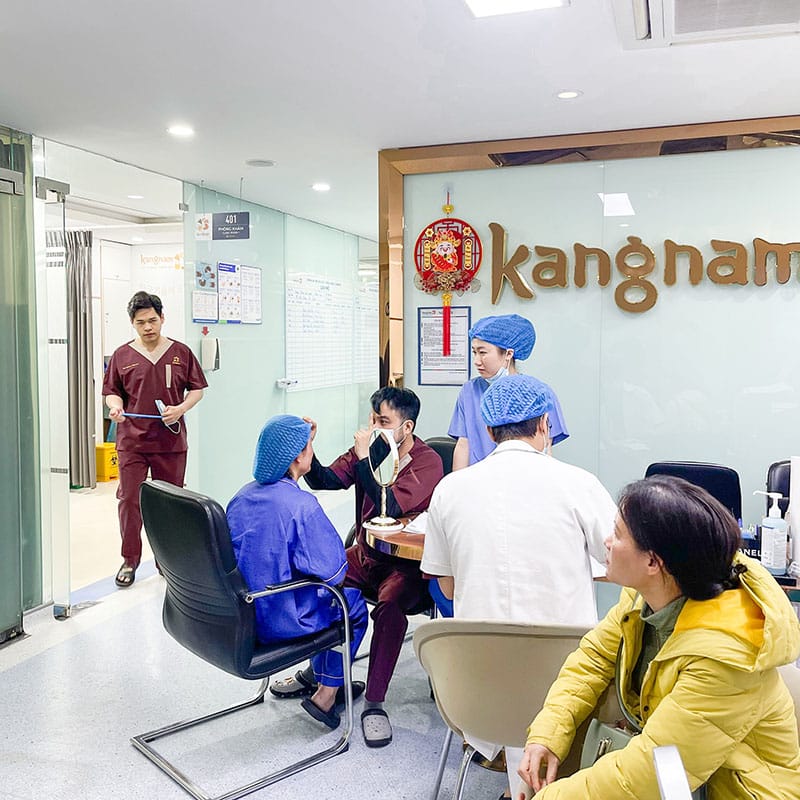
The hospital applies structural rhinoplasty techniques combining autologous cartilage with advanced synthetic cartilage, enhancing biocompatibility to create a soft, natural nose while maintaining airway openness. With solid expertise and extensive experience in handling complex revision cases, Kangnam’s medical team delivers beautiful nasal shapes while ensuring complete safety for clients with a history of sinus conditions.
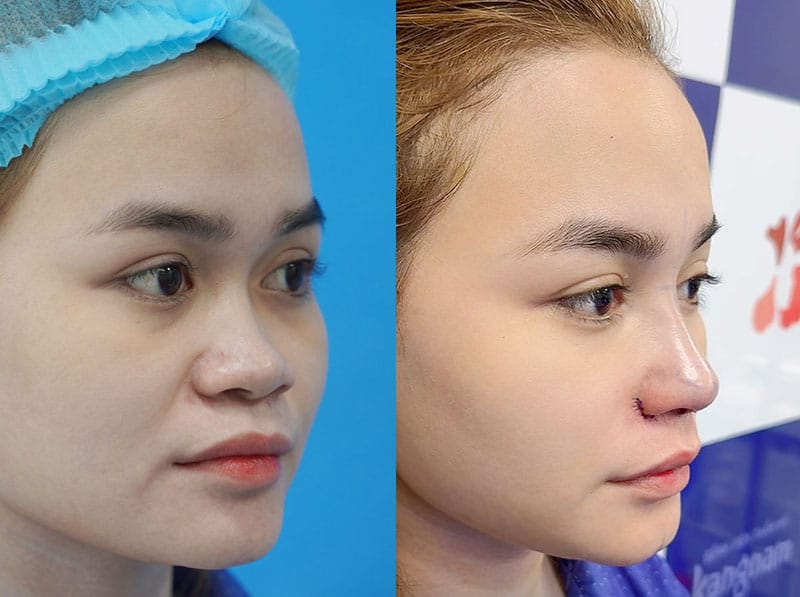
Understanding the unique needs and limited stay duration of overseas clients, Kangnam provides online pre-consultation before returning to Vietnam, flexible appointment booking, 1-on-1 post-operative care, and remote follow-up monitoring via photos or video calls. Every client receives a customized care regimen to accelerate nasal recovery and minimize sinus flare-ups.

With professional cosmetic protocols and long-term warranty policies, Kangnam brings complete peace of mind to overseas clients, helping you confidently enhance your appearance with an elegant, natural, and durable nasal shape over time.
Contact Kangnam Aesthetic Hospital today for online doctor consultations and to customize the safest, most effective rhinoplasty plan for you.
Brow Bone Lift: Reshaping the Brow for a Brighter Look
Non-Incisional Double Eyelid (Eyelid Tucking): A No-Cut Solution