Date posted: 21-07-2026 | Last updated : 28-07-2026
What is nasal cartilage? This is an important concept that many patients should understand before considering rhinoplasty. Knowing the role of nasal cartilage and the types commonly used in aesthetic surgery can help patients make a suitable and safe choice and achieve their desired nasal shape.
Nasal cartilage refers to the material used in rhinoplasty to reconstruct and shape the nose, raise the nasal bridge, and improve existing nasal imperfections.
Synthetic nasal implants are commonly made from materials such as medical-grade silicone or expanded polytetrafluoroethylene, also known as ePTFE. These materials are designed to provide elasticity and compatibility with the body.
Due to their stable biological properties, suitable nasal implant materials may reduce irritation and rejection while helping maintain the nasal shape over time. Choosing an appropriate material and having the procedure performed by a qualified doctor may help patients achieve a natural-looking and balanced nose while supporting postoperative safety.

Nasal cartilage and implant materials are used to shape and support the nose.
Patients considering rhinoplasty can learn more about the overall procedure in Rhinoplasty Surgery at Kangnam Aesthetic Hospital.
Materials commonly used in rhinoplasty are divided into two main groups: synthetic implants and autologous cartilage.
Common synthetic materials include:
Autologous cartilage includes:
Detailed information about common nasal cartilage and implant materials is provided below.
Silicone is a traditional synthetic implant commonly used because it maintains its shape well and is relatively affordable.
Silicone implants are available in different sizes and shapes and can be trimmed to suit each patient’s nasal structure. However, in some cases, silicone may contribute to capsular contracture, redness, or visible thinning around the nasal tip.
Surgiform is made from ePTFE, a medical material with high biocompatibility.
Its microporous structure allows soft tissue to attach to the implant, helping create a more stable connection and reducing the risk of movement or rejection. This may contribute to a natural-looking and stable nasal shape over time.
Softxil is a synthetic biological implant designed to provide softness and a more natural feel after placement.
The material can be shaped flexibly, allowing doctors to create a softer and more harmonious nasal contour. Softxil is also valued for its stated biocompatibility.
Similar to Surgiform, Nanoform is also made from ePTFE. However, it is described as using nano-based technology to improve tissue attachment and integration.
Its fine microporous structure allows cells and blood vessels to grow into or around the material, helping reduce the risk of rejection and support a more stable result.
Megaderm has a structure similar to natural dermal tissue.
It may be used to cover the tip of a synthetic implant or add thickness to thin nasal skin. This helps reduce pressure on the skin and may lower the risk of redness or visible implant edges while creating a softer nasal appearance.
Gore-Tex is a commercial name for ePTFE material.
Its microporous structure allows soft tissue to grow into the material, supporting integration with the surrounding tissues. This may improve stability and reduce the risk of implant movement.
Gore-Tex is commonly recognised for its biocompatibility and use in medical applications.
Ear cartilage is commonly used to shape and support the nasal tip, helping create a fuller and more natural-looking contour.
It is soft, flexible, and naturally curved, making it suitable for creating a softer nasal shape. Only a selected amount of cartilage is harvested so that the external shape of the ear can generally be preserved.
Further information is available in Ear Cartilage Rhinoplasty.
Septal cartilage is commonly used to support the nasal columella and lengthen the nasal tip.
It is relatively straight, firm, and moderately thick, making it suitable for creating a higher and more stable nasal structure.
When harvested appropriately, septal cartilage removal is intended to preserve breathing function and the structural stability of the nose.
Rib cartilage is used in complex nasal reconstruction or when other cartilage sources do not provide enough material.
It is firm and available in larger quantities, making it suitable for building a more defined and stable nasal structure. However, harvesting rib cartilage requires advanced surgical technique and may leave a small scar on the chest.
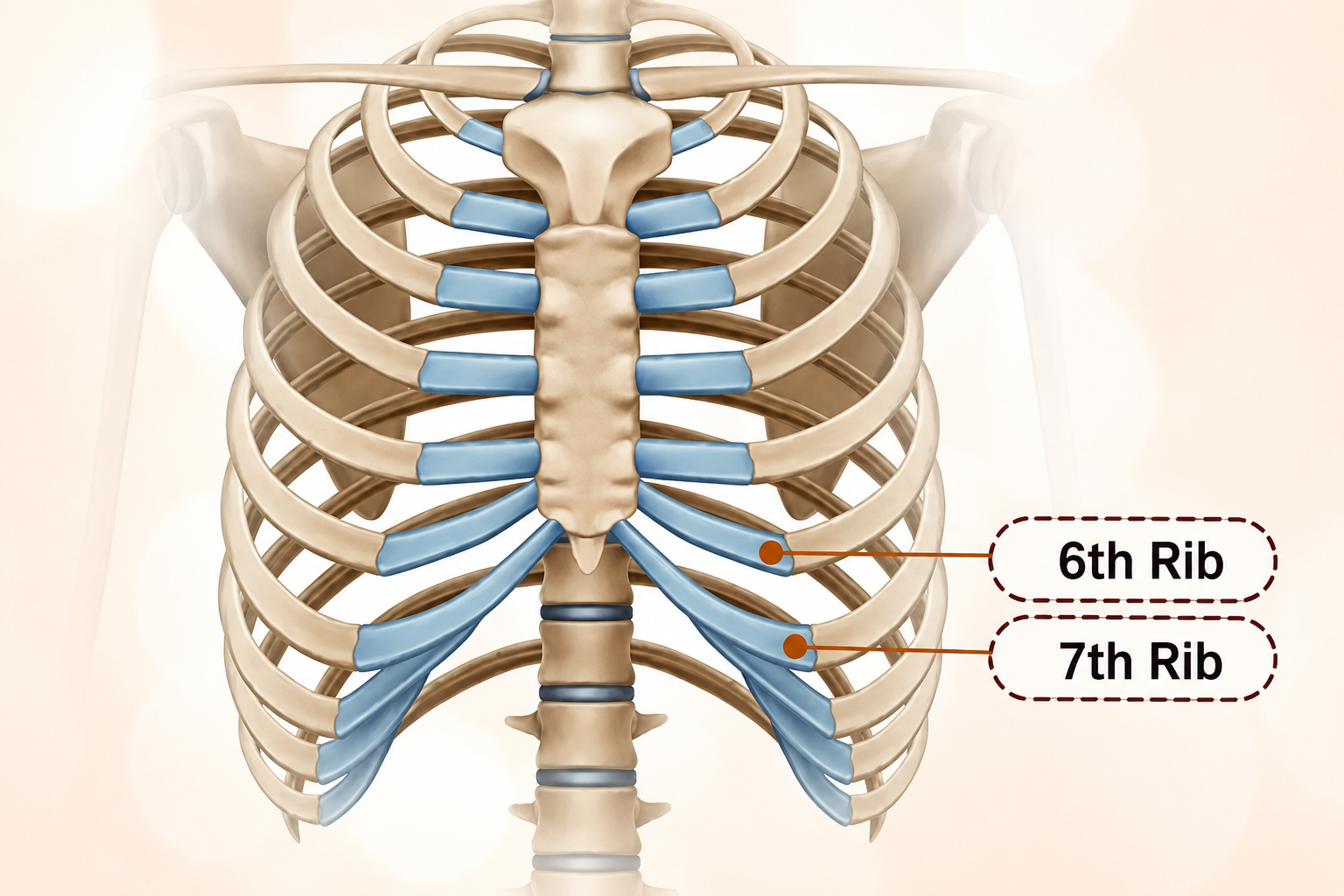
Rib cartilage may be used in complex nasal reconstruction.
Nasal cartilage and implant materials play an important role in rhinoplasty because they help shape the nose, raise the nasal bridge, and provide thickness or support to the nasal tip.
These materials can help create a nose that appears higher, more refined, and better balanced with the face.
Some types of cartilage, such as septal cartilage, may also be used to support the nasal columella and create a more stable nasal foundation.
Because suitable materials provide elasticity and compatibility with surrounding tissues, they may help maintain the rhinoplasty result and create a more natural-looking appearance.
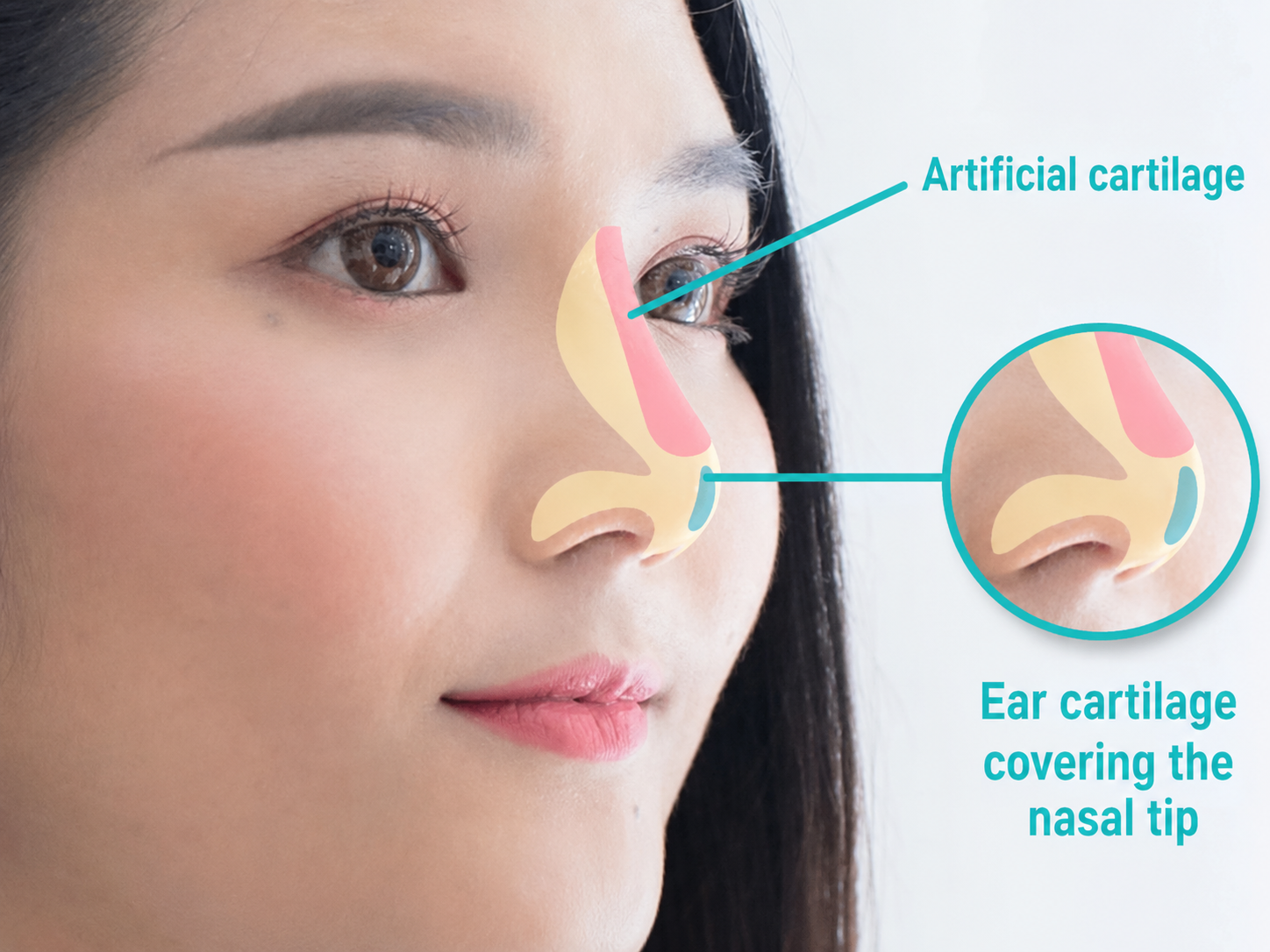
Nasal cartilage and implants are primary materials used to shape the nose and raise the nasal bridge.
Overseas Vietnamese patients who prefer a high, refined, and soft-looking nose may consider Surgiform, Nanoform, or Megaderm, depending on their nasal structure and the doctor’s recommendation.
Surgiform and Nanoform are made from ePTFE and are valued for their biocompatibility, structural stability, and ability to integrate with surrounding tissue. These characteristics may help reduce the risk of movement or adverse reactions and maintain the nasal shape over time.
Instead of choosing among numerous options in their country of residence, many overseas Vietnamese patients return to Vietnam for rhinoplasty at Kangnam Aesthetic Hospital.
Kangnam uses premium nasal materials such as Surgiform and Nanoform and has a team of doctors specialising in nasal aesthetic surgery. The hospital also states that its surgical facilities follow infection-control standards, providing an aesthetic experience comparable to major international centres.
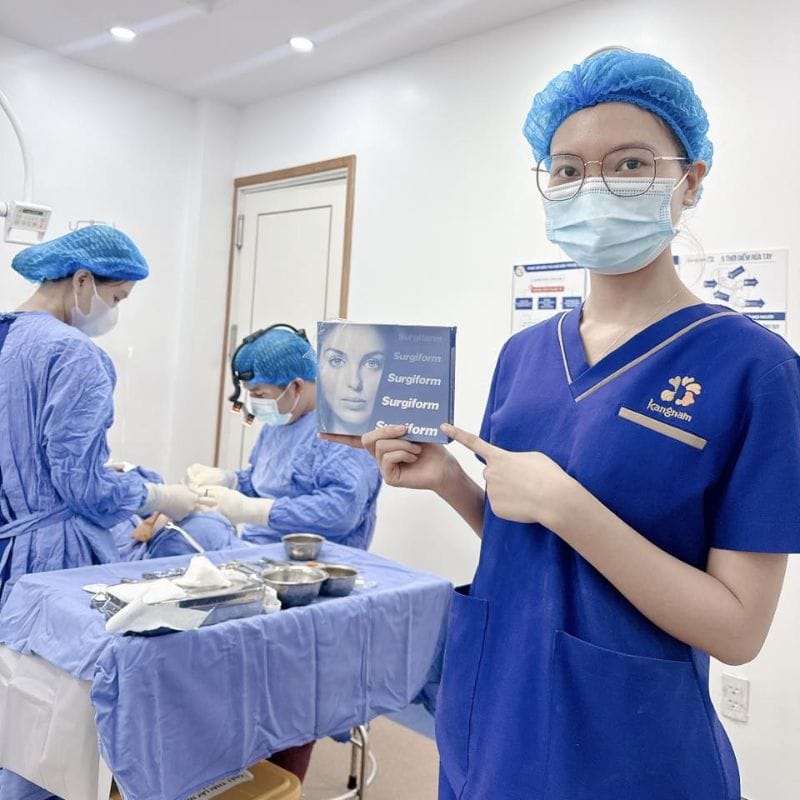
Kangnam uses premium nasal implant materials.
Kangnam also provides online consultation services and supports overseas Vietnamese patients in arranging a suitable treatment schedule before travelling to Vietnam. This helps make the aesthetic journey more convenient and time-efficient.
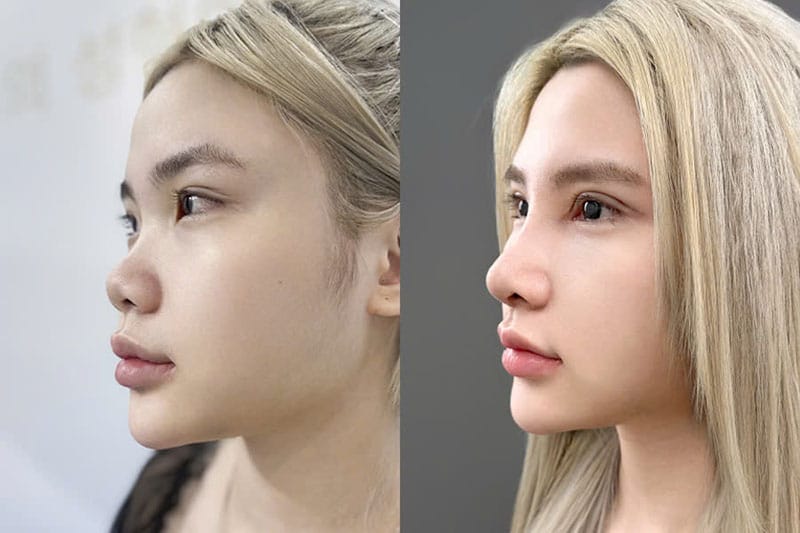
Overseas Vietnamese patients may receive additional support when undergoing rhinoplasty at Kangnam.
Patients planning to return to Vietnam and improve their nasal shape can learn more about Kangnam and schedule a consultation. The hospital may be a suitable destination for those seeking a nasal shape that matches their expectations.