✕

Dental Clinic OptionsDental Veneers in Ho Chi Minh City and Hanoi: Costs, Quality, and Dental Clinic Options

Date posted: 18-11-2026 | Last updated : 19-11-2026

Dental veneers in Ho Chi Minh City and Hanoi typically cost between USD 310 and USD 470 per tooth, depending on the type of material, fabrication technique, and dental clinic. Dental clinics in both cities may use technologies such as digital dental impressions, digital smile design, and CAD/CAM fabrication. When choosing a dental clinic, patients should prioritize dentists with expertise in restorative dentistry, treatment plans that preserve natural tooth structure, materials with clearly documented origins, and transparent warranty policies.

Cost: The estimated price of dental veneers ranges from USD 310 to USD 470 per tooth. The total treatment cost depends on the number of teeth being restored and any additional dental procedures required.

Location: Both Ho Chi Minh City and Hanoi offer a wide range of dental clinics. Treatment quality should not be evaluated solely based on the city or the size of the dental facility.

Materials: E.max is a commonly used material for veneer restorations. Patients should confirm the exact type of material and whether it is appropriate for their treatment.

Professional Expertise: The dentist should assess the patient’s bite alignment, tooth enamel, gum condition, and overall suitability before recommending dental veneers.

Tooth Preservation: Veneers are intended to preserve natural tooth structure. The amount of enamel preparation required depends on each patient’s individual dental condition.

Kangnam: Kangnam Saigon Aesthetic Hospital advertises dental veneer services at 666 Cach Mang Thang Tam Street, Ho Chi Minh City, Vietnam.

1. How Much Do Dental Veneers Cost in Ho Chi Minh City and Hanoi?

The estimated cost of dental veneers in Ho Chi Minh City and Hanoi ranges from approximately USD 310 to USD 470 per tooth. Actual prices vary depending on the type of ceramic material, fabrication technique, number of teeth being treated, and each patient’s oral health condition.

Reference prices for different veneer services:

Service Estimated Price per Tooth
E.max Porcelain Veneers USD 310/tooth
3S Veneers USD 390/tooth
Ultra-Thin Veneers USD 470/tooth

2. How Does the Quality of Dental Veneers Differ Between Ho Chi Minh City and Hanoi?

The quality of dental veneer treatment in Ho Chi Minh City and Hanoi does not inherently differ based on geographical location. Instead, it primarily depends on the dentist’s skills, the quality of the ceramic materials, fabrication technology, and the treatment procedures followed by each dental clinic. Both cities have dental facilities offering veneer services at various price points and using different restorative techniques.

Important factors to consider when comparing the quality of dental veneers in these two cities include:
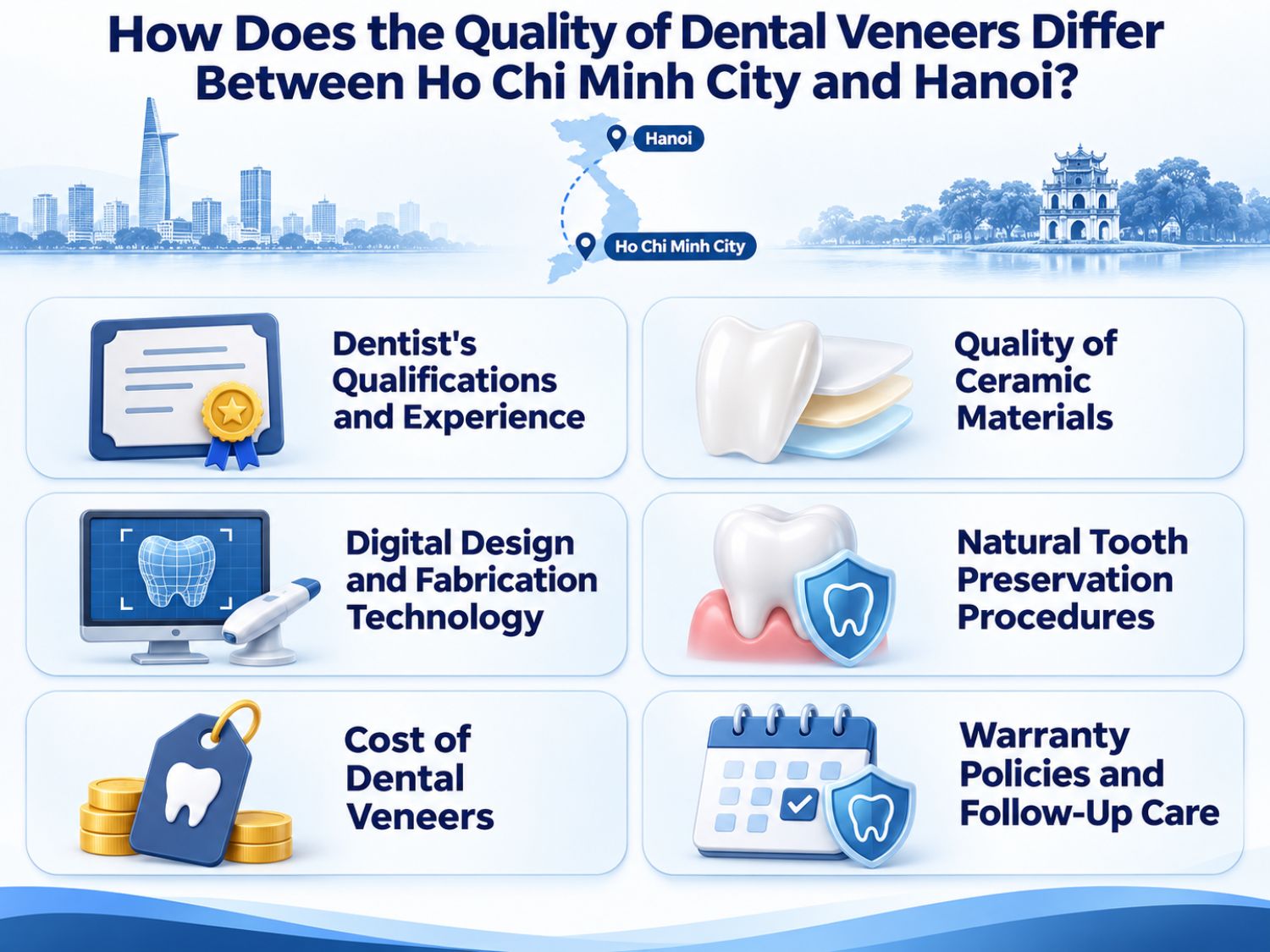
  • Dentist’s Qualifications and Experience: Both Hanoi and Ho Chi Minh City have dentists trained in aesthetic restorative dentistry. Treatment quality depends on the dentist’s ability to assess tooth enamel, evaluate bite alignment, design appropriate tooth shapes, and perform adhesive bonding techniques. It does not depend on the city in which the dentist practices.
  • Quality of Ceramic Materials: Dental clinics in both cities may use the same ceramic materials, such as IPS e.max or other glass-ceramic systems. When authentic materials and appropriate treatment procedures are used, the quality of the restorations does not automatically differ because of geographical location.
  • Digital Design and Fabrication Technology: Some dental clinics in both cities use digital intraoral scanners, digital smile design systems, and CAD/CAM technology. However, advanced equipment only supports the treatment process and cannot replace the technical skills and expertise of the dentist and dental laboratory technicians.
  • Natural Tooth Preservation Procedures: High-quality veneer treatment should preserve as much healthy tooth structure as possible, carefully control the amount of enamel removed during preparation, and ensure that the veneers fit precisely against the tooth surfaces. These professional standards are more important than whether the dental clinic is located in Hanoi or Ho Chi Minh City.
  • Cost of Dental Veneers: Treatment prices may vary between clinics because of differences in materials, dentists’ qualifications, dental laboratory costs, and additional services. There is no sufficient basis to conclude that dental veneer treatment is always cheaper or better in either city.
  • Warranty Policies and Follow-Up Care: Patients should prioritize dental clinics that are convenient to visit, provide clearly scheduled follow-up appointments, and have transparent policies for managing complications such as veneer debonding, fractures, or bite-related problems.

Dental veneer quality in Ho Chi Minh City and Hanoi depends on dentist expertise, ceramic materials, fabrication technology, natural tooth preservation procedures, and post-treatment care.

In a statement issued on May 14, 2024, the American Dental Association (ADA) warned about veneer services performed by individuals who do not hold valid dental licenses. Procedures that involve altering tooth structure without examination and supervision by a licensed dentist may result in irreversible damage, infection, or injury to the dental nerves.

Source: Read the American Dental Association’s Warning About Unlicensed Veneer Technicians.

3. Common Dental Veneer Materials Used in Vietnam

Dental veneers can be fabricated from various types of ceramic materials. Among them, lithium disilicate, commonly known through the IPS e.max product line, is a popular choice because of its ability to reproduce translucency and color characteristics that closely resemble natural teeth.

Some commonly mentioned materials and veneer options include:

  • Lithium Disilicate (E.max): This material has optical properties suitable for aesthetic dental restorations and is commonly considered for anterior teeth. Its suitability depends on the thickness of the restoration, the condition of the tooth enamel, and the chewing forces applied to the teeth.
  • Ultra-Thin Veneers: This term refers to porcelain veneers designed with a particularly thin structure. In certain suitable cases, ultra-thin veneers may help minimize the amount of tooth enamel that needs to be removed during preparation. However, not everyone is a suitable candidate for no-preparation veneers.
  • Other Ceramic Materials: Patients should verify the exact commercial name, composition, and manufacturer-recommended indications of the ceramic material being used. It should not be assumed that all zirconia materials are suitable for traditional porcelain veneer techniques.

4. Which Technologies Influence the Quality of Dental Veneers?

Technologies that influence the quality of dental veneers include 3D digital intraoral scanning, Digital Smile Design (DSD), CAD/CAM fabrication, heat-pressed ceramic technology, and adhesive bonding techniques using resin cement.

Some of the technologies commonly used in dental veneer treatment include:
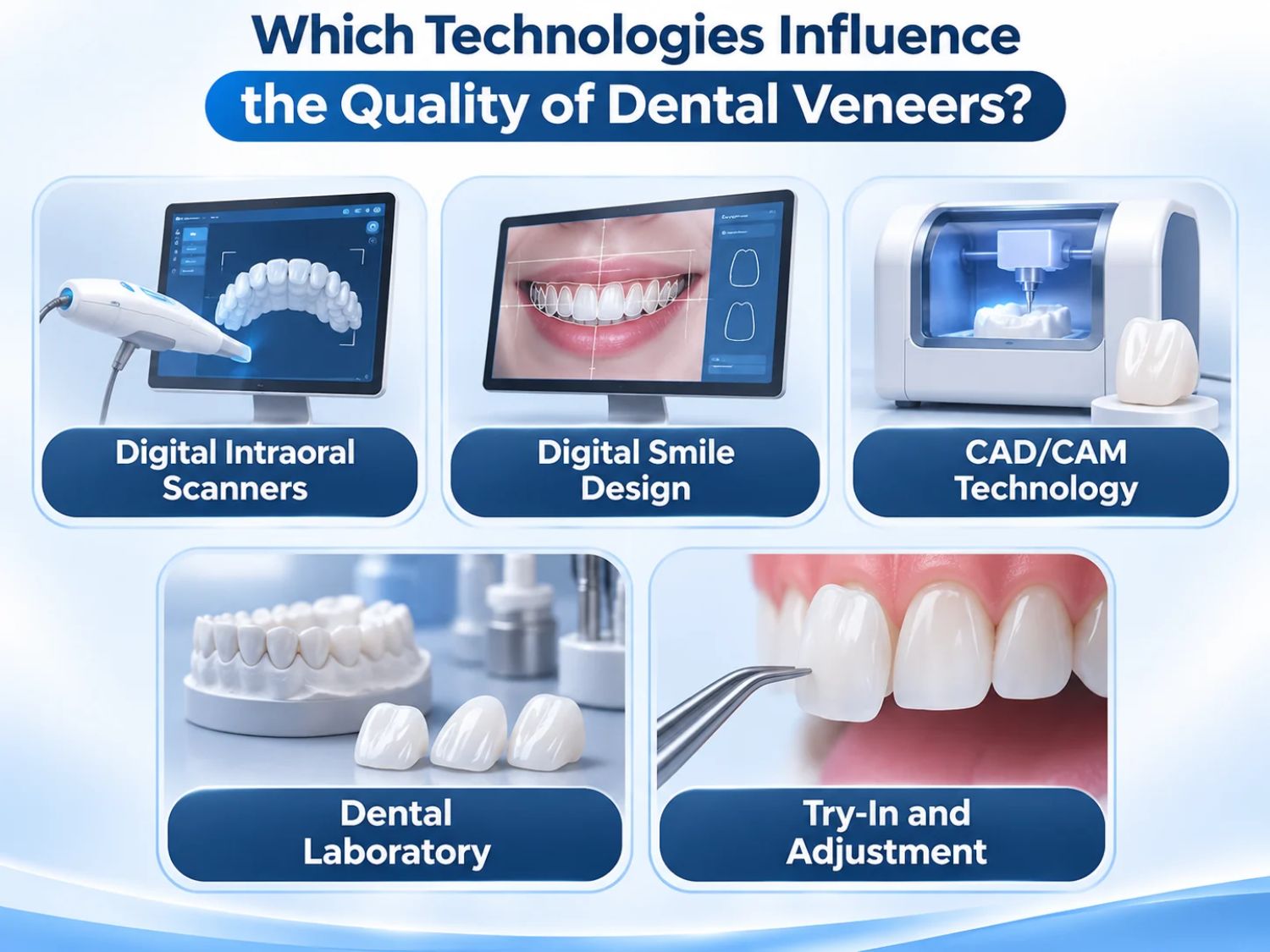
  • Digital Intraoral Scanners: Systems such as iTero or TRIOS capture the shape and surface characteristics of the teeth, helping dentists obtain accurate digital data for designing dental restorations.
  • Digital Smile Design: This technology helps simulate the shape, proportions, and arrangement of the teeth, allowing patients to discuss their aesthetic expectations and desired smile appearance with the dentist.
  • CAD/CAM Technology: Computer-Aided Design and Computer-Aided Manufacturing (CAD/CAM) technology supports the digital design and fabrication of porcelain veneers based on the dental data collected during the examination and scanning process.
  • Dental Laboratory: Dental laboratory technicians participate in fabricating the veneers and refining their shape, color, and translucency to achieve the desired restorative appearance.
  • Try-In and Adjustment: Before permanently bonding the veneers, the dentist checks their fit, interproximal contacts, margins, and bite alignment to ensure that the restorations are appropriately positioned and function correctly.

Digital intraoral scanners, Digital Smile Design, CAD/CAM technology, dental laboratory fabrication, and try-in adjustments help improve the accuracy, aesthetics, and fit of dental veneers.

5. How to Choose a High-Quality Dental Clinic for Veneer Treatment

A suitable dental clinic should have a valid operating license covering the relevant scope of dental services, dentists with appropriate expertise in restorative dentistry, a clearly established treatment plan, and dental materials with traceable origins.

Before making a decision, patients should check the following:

  • Operating License: Verify that the dental clinic is properly licensed and authorized to provide the specific dental veneer services being considered.
  • Dentist’s Qualifications: Review the dentist’s educational qualifications, experience in aesthetic restorative dentistry, and the identity of the professional who will be directly responsible for the treatment.
  • Tooth Preservation Plan: The dentist should explain how much enamel preparation may be necessary, why tooth preparation is required, and whether alternative treatment options are available.
  • Origin and Authenticity of Materials: Request information about the ceramic brand, specific product line, and any available documentation or identification codes that can help verify the material’s origin.
  • Sterilization and Infection Control Procedures: Learn about the clinic’s infection control protocols, instrument cleaning and sterilization procedures, and the measures implemented to maintain patient safety throughout treatment.
  • Treatment Documentation: Patients should retain their treatment plan, before-and-after photographs, information about the materials used, aftercare instructions, and scheduled follow-up appointments.

6. Where Can You Get Dental Veneers at Kangnam?

Kangnam provides dental veneer services at Kangnam Saigon Aesthetic Hospital. Clients interested in this treatment can learn more about the available services and schedule a dental consultation at the following location:

Kangnam Saigon Aesthetic Hospital

  • Address: 666 Cach Mang Thang 8 Street, Tan Son Nhat Ward, Ho Chi Minh City, Vietnam.

During the consultation, patients should undergo an assessment of their tooth enamel, tooth color, gum health, and bite alignment to determine whether dental veneers are suitable for their condition.

Based on the examination results, the dentist will recommend an appropriate ceramic material, veneer shape, and the extent of tooth preparation required.

For clients in Hanoi, Kangnam also has a facility at the following location:

Kangnam Hanoi Aesthetic Hospital
  • Address: 190 Truong Chinh Street, Kim Lien Ward, Hanoi, Vietnam.

7. Frequently Asked Questions About Dental Veneers in Ho Chi Minh City and Hanoi

Are E.max Veneers a Good Choice?

E.max is a lithium disilicate ceramic material known for its high aesthetic quality and ability to reproduce translucency and color characteristics similar to those of natural teeth.

This material is commonly considered for restorations involving the front teeth. However, its suitability for each patient must be evaluated by a dentist based on the condition of the teeth, the required restoration, and individual treatment needs.

Do Teeth Need to Be Shaved Down for Veneers?

Dental veneer treatment typically requires the removal of a very thin layer of tooth enamel, approximately 0.3–0.5 mm, to create sufficient space for the porcelain veneers and ensure a precise fit and natural-looking aesthetic result.

However, in certain cases, veneers can be placed without removing tooth enamel, using a technique known as no-preparation veneers (No-Prep Veneers), provided that the shape and position of the teeth are suitable.

Do Dental Veneers Come With a Warranty?

Dental veneers may be covered by warranties ranging from 3–10 years or longer, depending on the type of ceramic material and the warranty policy of the individual dental clinic.

The warranty period does not necessarily reflect the actual lifespan of the veneers. In addition, not all cases of veneer debonding, cracking, or breakage are automatically eligible for free repairs or replacement under the warranty policy.

Dental Implants in Vietnam for Foreigners: Costs, Implant Brands, and Warranty Policies
Messenger