Date posted: 22-07-2026 | Last updated : 28-07-2026
How long after revision rhinoplasty can you wash your face? This is a common concern among patients following an aesthetic procedure. Understanding the appropriate timing and proper cleansing method helps minimize risks and ensures that the revised nose remains stable and natural-looking.
1. How Long After Revision Rhinoplasty Can You Wash Your Face?
After revision rhinoplasty, you should wait approximately 10–14 days for the wound to stabilize before washing your face. During the first week, the nasal area may still be swollen and painful, so you should only use a cotton pad or a soft cloth dampened with warm water to gently wipe the face. Avoid vigorous rubbing and do not use cosmetic products.
More specifically:
- The first 1–2 days: The nasal area may be swollen and painful, so contact with this area should be minimized. It is best to use only a cotton pad or soft cloth moistened with saline solution to gently clean the face.
- Days 3–7: The wound begins to heal. You may use a gentle facial cleanser that does not produce excessive foam, apply it to the facial skin, and wipe gently while avoiding the nasal area.
- After 7–10 days: The doctor will remove the sutures, and the nasal shape will begin to stabilize. At this point, you may wash your face as usual, but you should still be gentle and avoid strong impacts to the nose.
- After 2–4 weeks: The nose will have almost fully recovered, and patients may resume their normal facial cleansing and skincare routine.

After revision rhinoplasty, you should not wash your face immediately using your usual method.
2. Why Should You Avoid Washing Your Face Too Soon After Revision Rhinoplasty?
You should avoid washing your face too soon after revision rhinoplasty because the wound has not yet healed. Contact with water or vigorous rubbing may increase the risk of infection and inflammation and affect the recovery process. In addition, while the nasal area remains swollen and sensitive, allowing the skin to stay damp frequently may prevent the surgical wound from drying properly, increase the risk of complications, and affect the aesthetic result.
Reasons for avoiding facial cleansing too soon include:
- Risk of infection: The surgical wound is still open, allowing water and dirt to enter and cause inflammation or infection.
- Damage to the wound: Vigorous rubbing or pressure on the nasal area may tear the sutures, cause bleeding, delay wound healing, and affect the nasal shape.
- Impaired recovery: The nasal area needs to remain dry for the recovery process to progress effectively, and water may slow down or interfere with this process.
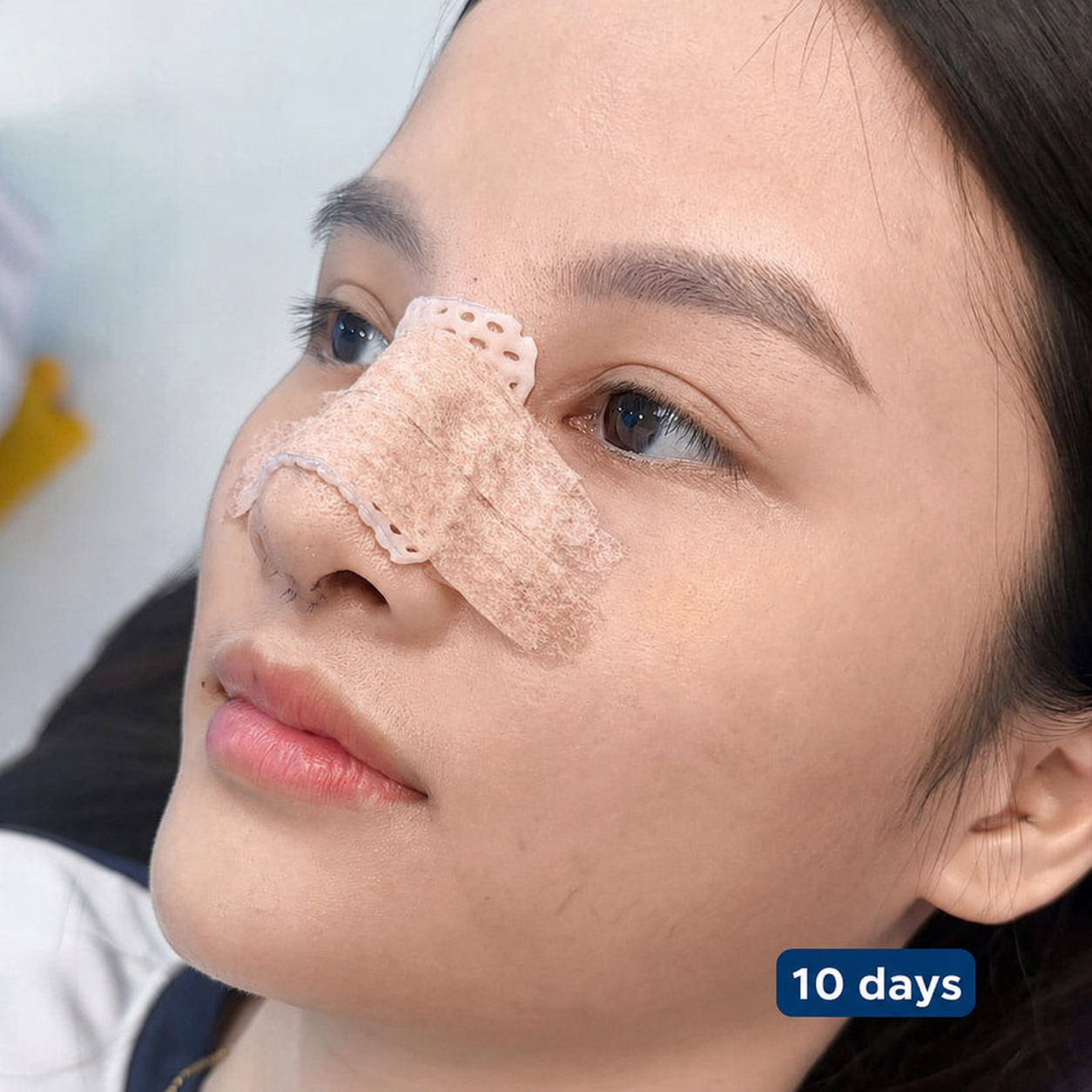
The newly operated nasal area needs time to recover.
3. How to Wash Your Face Properly After Revision Rhinoplasty
The correct way to wash your face after rhinoplasty is to use a cotton pad or soft cloth dampened with clean water to gently wipe the surrounding areas, including the forehead, cheeks, eyes, and chin, while avoiding direct contact with the nose. For the nasal area, use a separate piece of medical cotton or a cotton pad moistened with an appropriate amount of saline solution to clean along the incision line, nasal bridge, and nostrils. Perform each movement very gently to keep the wound clean, reduce the risk of infection, and support faster healing.
Specific steps for washing your face after rhinoplasty include:
- Wash your hands thoroughly to disinfect them before starting.
- Prepare cotton pads and saline solution.
- Tilt your head backward while washing your face to prevent water from flowing into the nasal area.
- Moisten a cotton pad with a small amount of water and gently wipe the facial skin.
- Use a cotton pad soaked in saline solution to carefully clean the nasal area, avoiding strong pressure.
- Use another cotton pad to gently dry the facial skin.
4. What Should Overseas Vietnamese Patients Keep in Mind When Caring for Their Nose After Surgery?
Following care instructions, maintaining an appropriate diet, keeping the nasal area clean, adopting healthy daily habits, and attending scheduled follow-up appointments are important considerations that overseas Vietnamese patients should understand after rhinoplasty.
- Follow the doctor’s instructions: After rhinoplasty, overseas Vietnamese patients must strictly follow the doctor’s instructions regarding medications, hygiene, and daily activities. Changing or disregarding these instructions without medical advice may delay recovery and affect the nasal shape.
- Maintain an appropriate diet: Avoid foods believed to increase the risk of raised scars or wound discharge, such as beef, seafood, water spinach, and glutinous rice products. Instead, consume more green vegetables and soft fruits and drink enough water to help the body recover more quickly.
- Clean the nasal area properly: During the first few days, patients should only use medical cotton or clean gauze moistened with saline solution to gently clean around the nose. Do not use cosmetics or facial cleansers, and do not rub the surgical area vigorously.
- Maintain healthy daily habits: Get plenty of rest and avoid bending forward or performing strenuous physical activities. When sleeping, lie on your back and elevate your head with a pillow to reduce swelling and help the nose stabilize more quickly.
- Attend follow-up appointments as scheduled: Overseas Vietnamese patients should arrange time to return to the hospital according to the scheduled appointment so that the doctor can examine the nose and remove the sutures. If they cannot remain in Vietnam for an extended period, they may contact the hospital for online consultations and remote care instructions.
At Kangnam Aesthetic Hospital, overseas Vietnamese patients receive specialized support throughout the examination and postoperative care process, as well as online consultation services after returning abroad. This allows patients to undergo surgery with confidence and maintain a stable nasal shape over the long term, regardless of where they live.
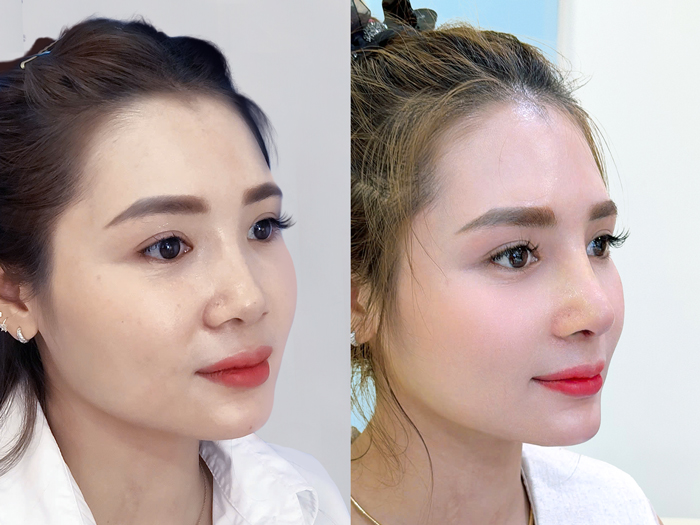
An overseas Vietnamese patient from Australia achieves a high, Western-style nasal shape after undergoing rhinoplasty at Kangnam.
To ensure that the results of nasal surgery are maintained over the long term, facial cleansing must be performed at the appropriate time and in the correct manner. Patiently waiting until the wound has fully recovered before resuming normal skin cleansing will help minimize risks while keeping the nasal shape stable and naturally attractive.
Washing Your Face After Revision Rhinoplasty
Revision Rhinoplasty
Riding a Motorbike After Rhinoplasty