Date posted: 26-07-2026 | Last updated : 27-07-2026
What is thread nose lifting? This non-surgical beauty trend is designed for those who wish to refine their nasal contour without invasive procedures. The technique uses bio-threads to elevate the nasal bridge and shape the nose, delivering a naturally high bridge that harmonizes with facial features.
Thread nose lifting is a non-surgical cosmetic procedure that utilizes barbed or twisted bio-threads (such as collagen, PDO, PCL threads, etc.) inserted beneath the skin using specialized needles to lift and shape the nasal bridge. During the procedure, the doctor uses a specialized needle to place the bio-threads beneath the skin of the nasal bridge, subsequently elevating and securing them in the desired position. These threads naturally dissolve over time (typically within 12–18 months) while stimulating collagen and elastin production, helping the nasal area become firmer and more natural-looking.
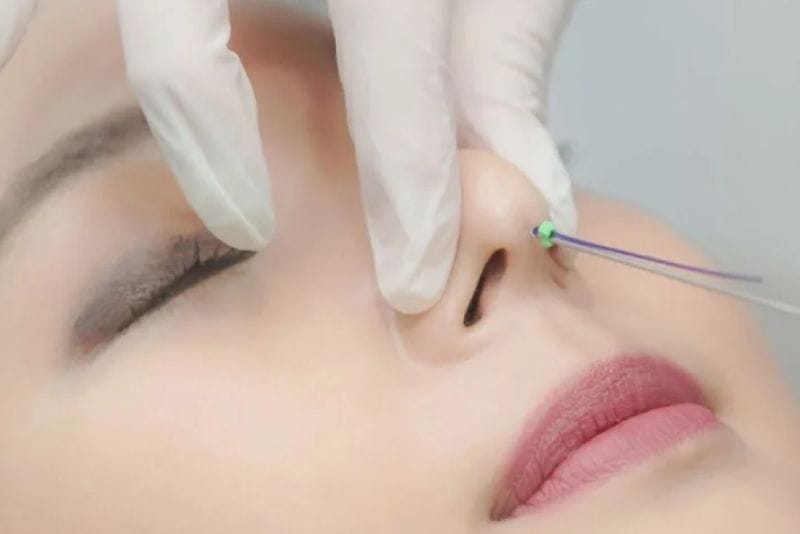
While thread nose lifting is not a complete substitute for surgical rhinoplasty, it serves as an ideal choice for individuals seeking gentle, minimally invasive, and temporary nasal refinement.
Thread nose lifting offers advantages such as being painless, non-surgical, fast to perform, and low-risk. However, it carries limitations: results are temporary, it is unsuitable for noses that are overly flat, humped, or crooked, and there is a risk of thread displacement if performed with improper technique.
Non-surgical, painless, and scarless: Requires only minor needle punctures to thread under the skin without incisions. Discomfort is mild, and daily activities can resume after 24 hours.
Fast execution: The entire procedure takes only about 30–45 minutes, ideal for busy clients.
Natural results: Gently elevates the bridge to a moderately high, soft profile without stiffness or visible materials.
Safe with low risk: Dissolvable bio-threads are biocompatible, non-allergenic, and can be repeated multiple times without altering the underlying nasal structure.
Temporary results: Nasal shape is maintained for approximately 12–18 months before gradually returning to its original state.
Unsuitable for overly flat, humped, or crooked noses: Because it does not alter the underlying bone/cartilage framework, this method is only suitable for minor lifting and subtle adjustments to existing nasal shapes.
Risk of thread deviation or exposure: If performed using incorrect techniques, threads can shift or show through the skin, making it essential to choose an accredited hospital with experienced specialists.
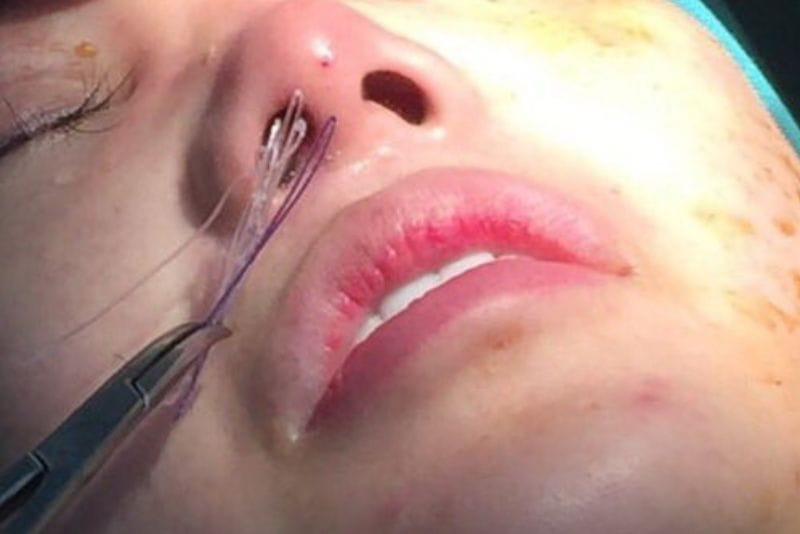
Thread nose lifting is not suitable for all cases, but rather for clients with relatively harmonious nasal structures who desire subtle, natural improvements without surgery.
Below are ideal candidates for thread nose lifting:
Individuals with a low nasal bridge but overall balanced nasal structure
Individuals hesitant about surgery, fearful of pain, or lacking recovery downtime
Individuals seeking temporary nasal reshaping to test a look before undergoing structural rhinoplasty
Individuals with thick nasal skin, minimal flaws, and a desire for a natural nose profile
All three methods—threads, cartilage surgery, and fillers—aim to improve nasal shape, yet they differ clearly in mechanism, durability, and aesthetic outcomes.
| Criteria | Thread Nose Lifting | Cartilage Rhinoplasty (Surgical) | Filler Nose Injection |
| Mechanism | Inserts bio-threads beneath skin to pull and secure nasal tissue | Surgical intervention: places synthetic or autologous cartilage to restructure the nose | Injects dermal fillers (Hyaluronic Acid) into the nasal bridge region |
| Invasiveness Level | Mild, no skin incision | Surgical, involving tissue dissection | Non-surgical |
| Duration of Results | 12–24 months | 10–20 years depending on technique | 6–18 months |
| Recovery Time | 1–2 days | 7–10 days | Almost immediate |
| Aesthetic Results | Natural and subtle | High bridge, long-lasting structure, comprehensive correction (tip, columella, nostrils) | Temporary improvement to the bridge area |
| Durability | Moderate | Very High | Low |
| Risks | Thread shifting/exposure (if performed by unskilled doctors) | Scarring, swelling (can be minimized via standard techniques) | Incorrect layer injection can cause vascular occlusion or skin necrosis |
| Suitable Candidates | Mildly low noses seeking natural improvement | Humped, crooked, flat, bulbous-tipped, or previously failed noses | Seeking minor adjustment with short-term duration |
If you are an overseas Vietnamese client with limited time in Vietnam, doctors strongly recommend choosing surgical rhinoplasty over thread nose lifting. With modern 6D Structural Rhinoplasty technology at Kangnam Aesthetic Hospital, the procedure is streamlined, minimizes swelling and pain, and shortens recovery time. Clients can return to normal daily routines after just a few days while ensuring a beautifully stable, long-lasting nasal shape over time.

In essence, thread nose lifting is a minimally invasive cosmetic procedure considered highly safe when performed with correct techniques at reputable medical facilities. However, because it involves direct beneath-the-skin manipulation with bio-threads, risks remain if the operator is not a qualified specialist or if equipment is unsterilized.
Potential risks when undergoing thread lifting at low-quality facilities:
Thread deviation or exposure: Caused by placement in the wrong skin layer, making threads protrude or creating an uneven bridge.
Prolonged swelling, inflammation, and bruising: Typically occurs when non-sterile protocols are used.
Nasal skin necrosis (rare): Occurs if threads are placed incorrectly and compress blood vessels.
Unsatisfactory results: Threads fail to hold, leaving the nose flat or crooked after 1–2 months.
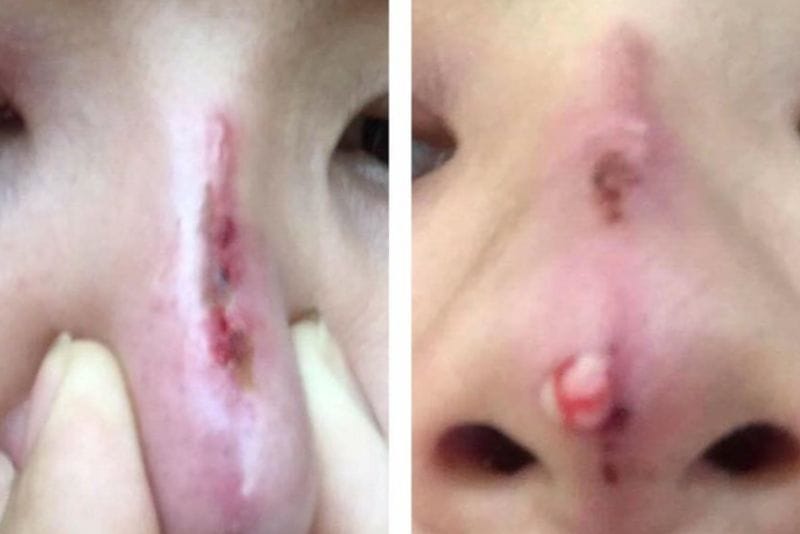
Although thread nose lifting offers quick results, surgical structural rhinoplasty remains the optimal choice for clients desiring a long-lasting, harmoniously balanced nose tailored to their entire face. With advanced technology and specialized medical expertise at Kangnam Aesthetic Hospital, overseas Vietnamese clients can enjoy total peace of mind regarding safety, aesthetics, and rapid recovery—perfectly suited even for short stays in Vietnam.