Date posted: 22-07-2026 | Last updated : 28-07-2026
Is Sneezing After Rhinoplasty a Problem? This is a common concern among many patients who have recently undergone rhinoplasty. In fact, sneezing is a natural reflex of the body, but if not handled carefully, it can place pressure on the newly operated nasal area and slow down the recovery process.
1. Is Sneezing After Rhinoplasty a Problem?
Sneezing shortly after rhinoplasty can damage the wound in the nasal area, displace the cartilage structure, and affect the aesthetic result, particularly during the first 7–10 days after surgery. Specialists recommend opening the mouth wide when sneezing or coughing so that the airflow passes through the mouth instead of the nose, thereby reducing pressure on the newly operated nasal area. At the same time, patients should avoid blowing their nose forcefully and maintain proper nasal hygiene to help the nasal shape remain stable and heal quickly.
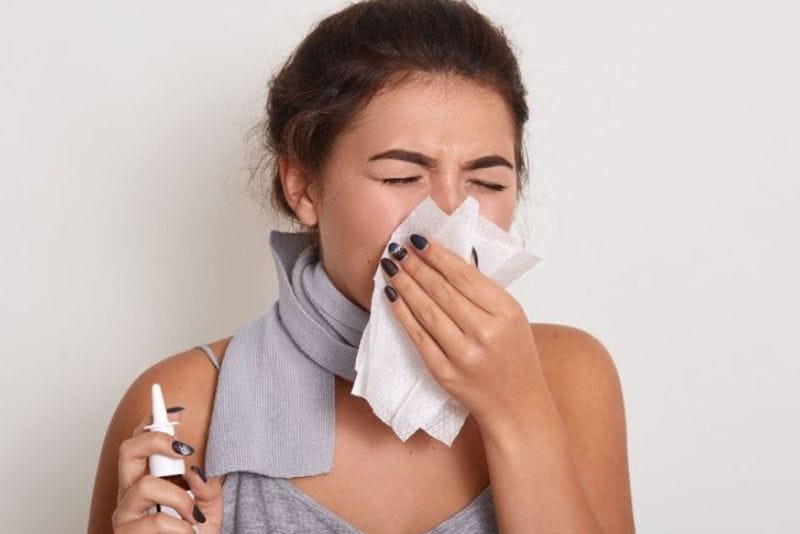
Sneezing too forcefully after rhinoplasty may damage the nasal area.
2. Why Should Sneezing Be Limited After Rhinoplasty?
The sudden pressure caused by sneezing may tear the sutures and place strain on the healing tissues, leading to nasal cartilage damage, bleeding, infection, or deviation of the nasal bridge.
- Wound damage: Forceful sneezing may affect the nasal mucosa and surrounding tissues, damage the surgical wound, slow down recovery, and increase the risk of inflammation or infection.
- Cartilage displacement: Strong pressure from sneezing may cause the nasal cartilage to shift, the columella to become deviated, or the nasal tip to become deformed, directly affecting the nasal shape and aesthetic result.
- Bleeding: Sudden force on the suture line may cause small blood vessels to rupture, resulting in bleeding and bruising.
- Loose or broken sutures: Forcefully blowing the nose may loosen or break internal sutures, causing serious complications, making the wound more difficult to heal, and potentially requiring medical intervention.

Nasal damage caused by forceful sneezing after rhinoplasty.
3. How to Handle Sneezing After Rhinoplasty
Sneezing is a natural reflex that is difficult to avoid. However, if it is not managed properly, it may place pressure on the newly operated nasal area, slow down recovery, or affect the nasal shape. Below are measures to minimize risks and protect the nose during recovery:
- Open your mouth when sneezing: This is the most effective way to reduce pressure on the nose. When sneezing, open your mouth as wide as possible so that the airflow passes through the mouth instead of the nose, thereby reducing the risk of damage to the nasal mucosa and cartilage structure.
- Use a tissue or clean gauze: If mucus is discharged, use a soft tissue or clean gauze to wipe it away gently. Avoid forcefully blowing the nose or directly pressing on the nasal area, as this may displace the cartilage or cause bleeding from the suture line.
- Avoid irritants: Limit exposure to dust, pollen, chemical odors, or other factors that may trigger sneezing to reduce the frequency of uncontrolled sneezing.
- Wear a face mask outdoors: A face mask helps protect the nasal area from dust, bacteria, and allergens while reducing the risk of sneezing caused by environmental irritation.
- Consult a doctor: If sneezing occurs continuously or is accompanied by abnormal signs such as swelling, pain, or bleeding, visit a specialist for examination, consultation, and timely treatment to ensure that the recovery process is not affected.
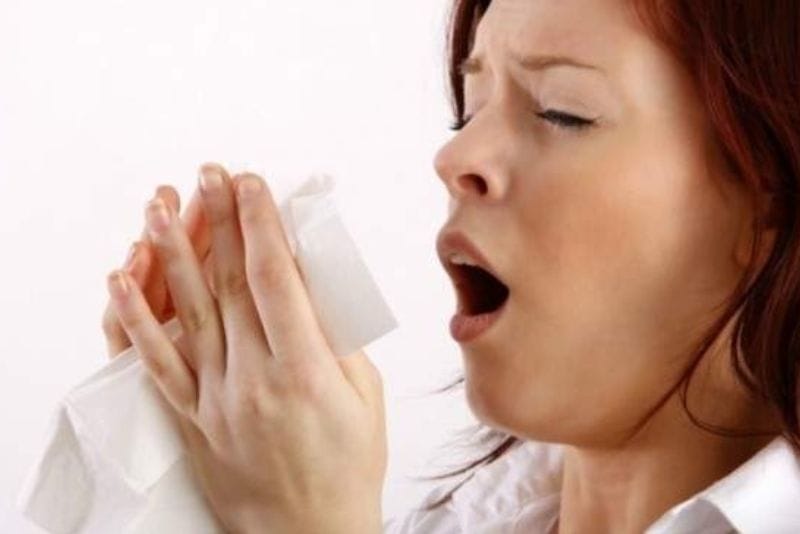
Open your mouth when sneezing to reduce pressure on the nose.
Patients undergoing rhinoplasty at Kangnam Aesthetic Hospital receive detailed instructions on what to avoid to protect the nasal shape and ensure a safe recovery. For overseas Vietnamese patients in particular, Kangnam provides online consultation and ongoing support to answer questions about recovery even after they have returned abroad.
Thanks to a scientifically designed postoperative care process and a team of experienced doctors, patients can feel confident about achieving long-lasting and aesthetically pleasing results.
Sneezing After Rhinoplasty
Scabbing on Rhinoplasty Stitches
Washing Your Face After Revision Rhinoplasty