
Scabbing on Rhinoplasty Stitches: Is It a Sign of Healing?

Date posted: 22-07-2026 | Last updated : 28-07-2026

After rhinoplasty, many patients are concerned about the wound-healing process, particularly the stage when the rhinoplasty suture line begins to scab. This is a sign that the nasal area is undergoing its natural recovery process. Understanding when this occurs and how to care for the wound properly during this stage helps minimize scarring and shorten the recovery period.

1. Is It Normal for Rhinoplasty Sutures to Scab?

Scabbing along the rhinoplasty suture line is completely normal during postoperative recovery. This is the body’s natural response to protect the injured area and support the regeneration of new tissue. Typically, after 3–5 days, the incision will begin to close and form a reddish-brown scab, which gradually becomes darker before falling off.
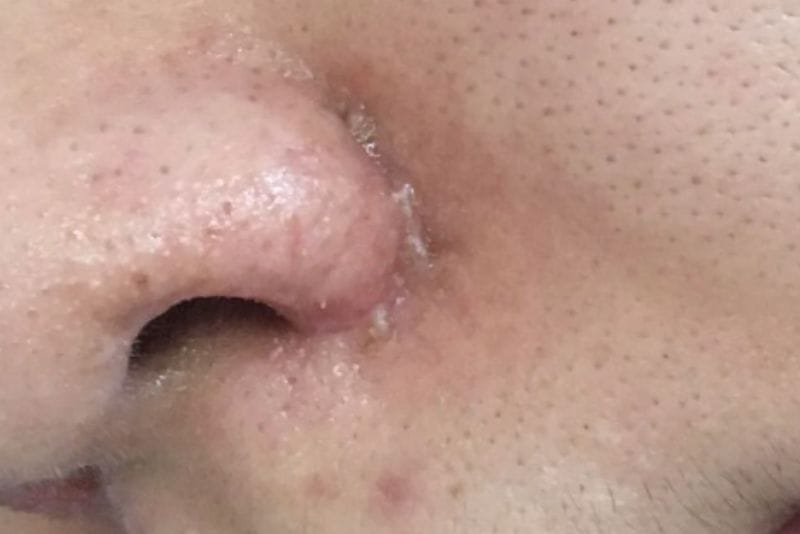
Scabbing along the rhinoplasty suture line is normal.

Scabbing along the rhinoplasty suture line is normal.

Scabbing at the suture line is not dangerous unless it is accompanied by excessive swelling and pain or the appearance of cloudy yellow pus with an unpleasant odor. In such cases, the surgeon should be contacted promptly for appropriate treatment.

2. Proper Care of Rhinoplasty Sutures to Help the Scabs Fall Off Quickly

To help the scabs along the rhinoplasty suture line fall off quickly, keep the wound clean with saline solution, apply ointment, avoid foods believed to cause raised scars, such as chicken, seafood, and glutinous rice products, and do not touch or scratch the wound without medical guidance.

Below are the proper ways to care for rhinoplasty sutures:
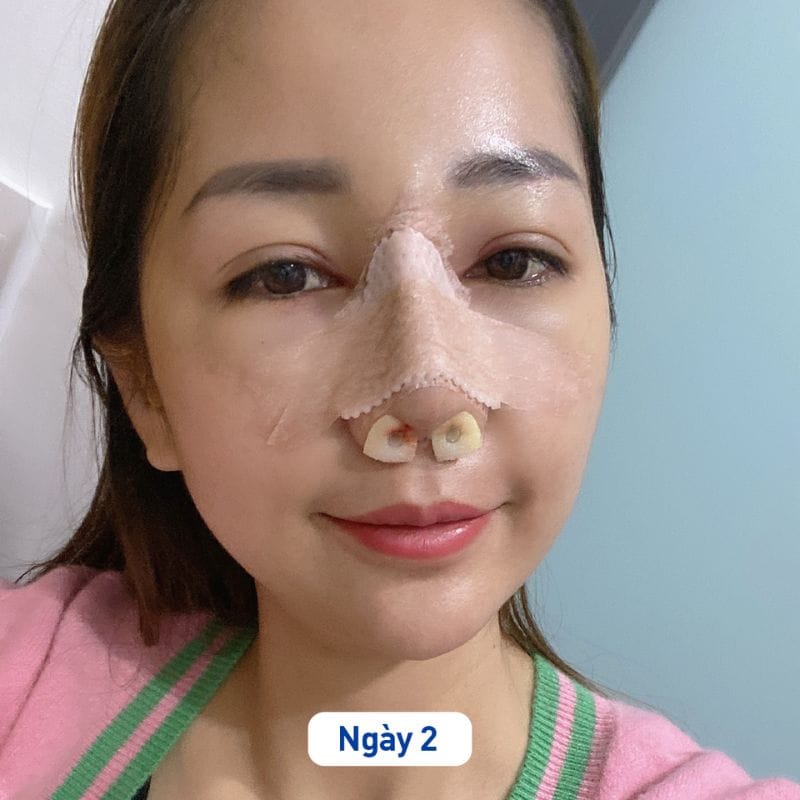
  • Keep the suture line clean: Before touching the wound, wash your hands thoroughly with antibacterial soap. Use a cotton swab soaked in saline solution to gently clean the suture line and remove pus, dried blood, or dark crusts around the nose. Proper cleaning helps prevent bacterial buildup and infection while supporting skin healing.
  • Apply ointment as directed: Apply a thin layer of antibiotic ointment or other medication prescribed by the surgeon to the suture line 2–3 times per day. The medication helps maintain moisture, protect the skin surface, reduce the risk of infection, support faster absorption of dissolvable sutures, and promote better wound healing.
  • Avoid pressure or impact on the nose: During recovery, do not scratch, rub, or press firmly on the nasal area. These actions may cause bleeding or hematoma, damage newly formed tissue, and even affect the postoperative nasal shape.
Avoid pressure or impact on the nose during recovery.

Avoid pressure or impact on the nose during recovery.

3. When Is Scabbing Along the Rhinoplasty Suture Line Abnormal?

Scabbing along the rhinoplasty suture line is considered abnormal when accompanied by signs of infection, such as cloudy yellow pus, a foul odor, severe swelling, progressively worsening pain, or blood-tinged discharge lasting longer than 10 days.

Abnormal signs associated with scabbing include:

  • Pus and an unpleasant odor: If the suture line produces cloudy yellow pus accompanied by an unpleasant odor, this may indicate an infection and should be reported to the surgeon immediately.
  • Severe swelling and bruising: Prolonged swelling and bruising around the nasal area, accompanied by scabbing, may be a warning sign of inflammation or infection.
  • Progressively worsening pain: Pain in the nasal area that does not improve and becomes increasingly severe is an unfavorable sign during postoperative wound healing.
  • Prolonged bleeding: If blood-tinged discharge from the suture line persists for more than 10 days, particularly when accompanied by other signs of infection, the patient should seek medical examination.

If any of these signs are detected, the patient should visit the operating surgeon immediately for an examination and timely treatment to prevent serious infectious complications.

4. Advice for Overseas Vietnamese Patients Considering Rhinoplasty in Vietnam

Overseas Vietnamese patients considering rhinoplasty in Vietnam should choose a reputable aesthetic facility to ensure both safety and long-lasting aesthetic results. Undergoing surgery in Vietnam not only offers cost advantages but also provides access to modern technology and a team of experienced surgeons.
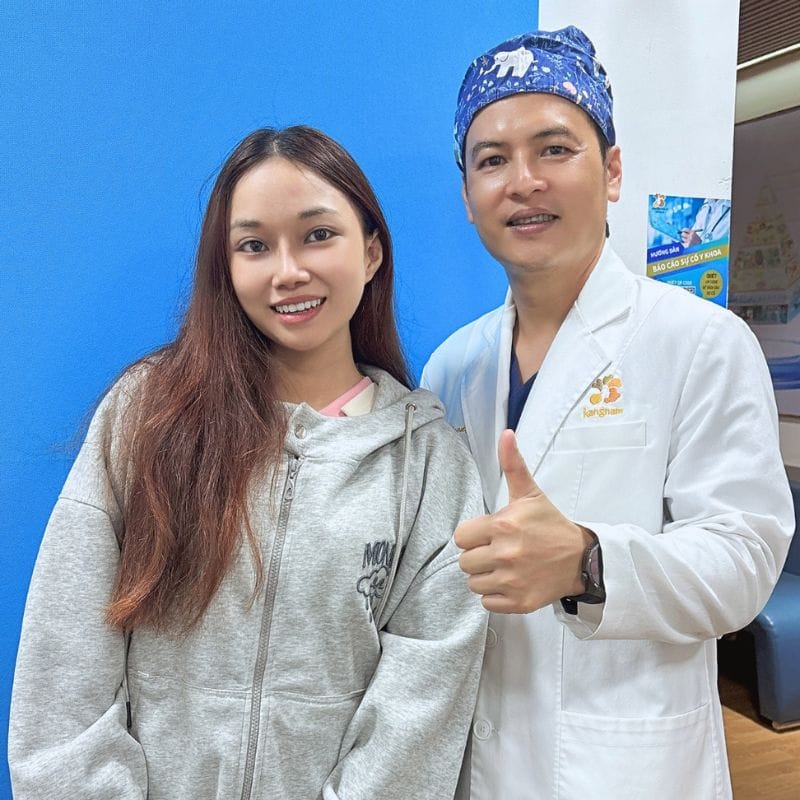
Overseas Vietnamese patients returning to Vietnam should choose a reputable aesthetic facility.

Overseas Vietnamese patients returning to Vietnam should choose a reputable aesthetic facility.

At Kangnam Aesthetic Hospital in particular, overseas Vietnamese patients receive benefits including:

  • One-on-one online consultations with a surgeon before returning to Vietnam, helping patients prepare carefully.
  • Priority selection of the operating surgeon according to personal preferences.
  • Flexible appointment scheduling to optimize the patient’s time in Vietnam.
  • Round-trip transportation between the airport and the hospital for convenient travel.
  • Five-star postoperative accommodation with private nursing care.
  • The application of modern rhinoplasty technology to create a naturally attractive nasal shape with minimal swelling and pain and a faster recovery.
  • Comprehensive postoperative care, close monitoring, and detailed guidance until the nose has fully stabilized.

In summary, scabbing along the rhinoplasty suture line is a normal part of postoperative recovery and will gradually improve with proper cleaning and care. At Kangnam Aesthetic Hospital, overseas Vietnamese patients receive thorough consultations and close monitoring until the nose has fully recovered, helping achieve a natural-looking and safe nasal shape.

Scabbing on Rhinoplasty Stitches
Washing Your Face After Revision Rhinoplasty

Sneezing After Rhinoplasty

Messenger