9 People Who Should Not Get Breast Augmentation

Date posted: 27-07-2026 | Last updated : 28-07-2026

Not everyone is eligible for breast augmentation surgery. Contraindications for breast augmentation are typically related to general health status, individual physical conditions, or special circumstances that may increase risks during the surgical process. Understanding these situations helps clients proactively protect their health and choose a safer timeframe for aesthetic procedures.

1. Why Are Some Candidates Ineligible for Breast Augmentation?

Breast augmentation surgery cannot be performed on everyone, as it is a major surgical procedure directly impacting breast tissue, chest muscles, and the circulatory system. Ineligibility usually stems from compromised overall health or underlying conditions that increase the risk of complications such as severe bleeding, infection, adverse reactions to anesthesia, or implant rejection.

Thorough pre-surgical screening enables doctors to evaluate health conditions accurately, ensuring maximum safety and long-lasting aesthetic outcomes for clients.
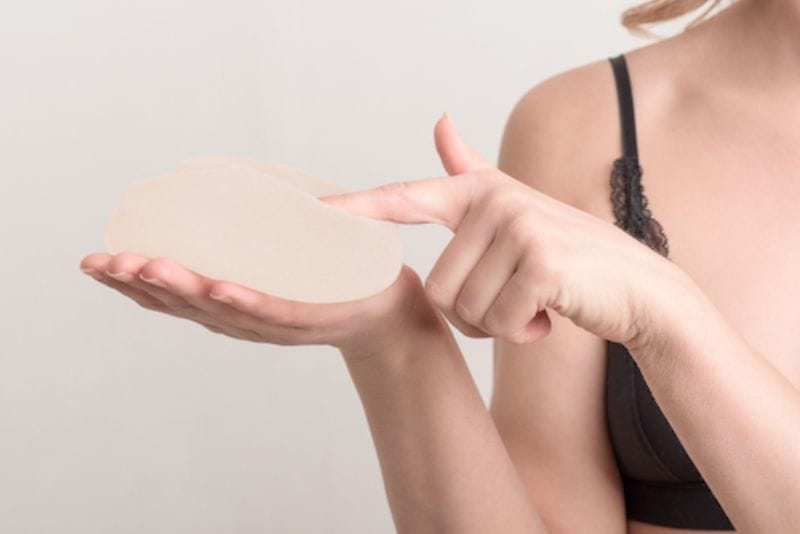
Breast augmentation is a major surgery requiring careful consideration

2. Who Should Not Undergo Breast Augmentation?

Individuals with histories of severe medical conditions such as cardiovascular disease, diabetes, hepatitis, blood clotting disorders, HIV, or those currently undergoing cancer treatment should not undergo breast augmentation surgery.
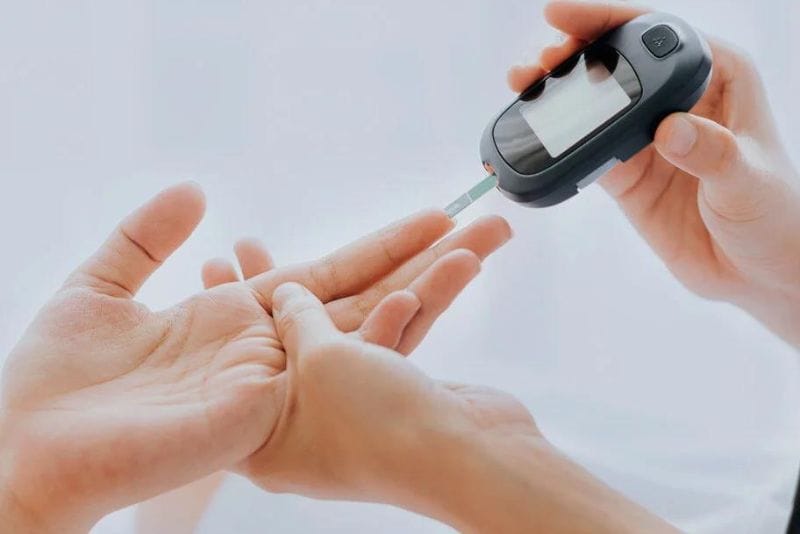
  • Patients with Cardiovascular Disease, Diabetes, or Hepatitis: These medical conditions reduce bodily healing capabilities and increase post-operative risks of infection, bleeding, or seroma formation. Patients with heart conditions face potential risks under general anesthesia and require comprehensive evaluation before making a decision.
  • Individuals with Blood Clotting Disorders: This group carries a high risk of excessive bleeding or hematoma formation within the breast pocket post-surgery. Undergoing breast augmentation in these cases can be life-threatening without strict medical control.
  • Patients with Autoimmune Diseases or HIV: A weakened immune system makes it difficult for the body to fight off bacteria, resulting in slow recovery, heightened risks of incision infections, or implant rejection. Surgeons typically advise against cosmetic surgery for this group.
  • Individuals Undergoing Cancer Treatment: Chemotherapy and radiation therapy leave the body weakened and impair normal wound-healing mechanisms.

Individuals with serious medical conditions should not undergo breast augmentation

3. Cases Where Breast Augmentation Should Be Deferred

Women during menstruation, pregnancy, or lactation, individuals under 18 years of age, those taking anti-inflammatory medications, or patients who have undergone other surgical procedures within the past 3 to 6 months should defer breast augmentation.

  • Menstruating Women: During this time, the body is sensitive and hormonal fluctuations make breasts prone to increased swelling, pain, and bleeding during surgery. It is recommended to wait 3–5 days after menstruation ends for the body to stabilize before undergoing surgery.
  • Pregnant or Breastfeeding Women: Strong hormonal shifts during these periods cause breast tissue to feel tight, inflamed, and slow to recover post-surgery. Furthermore, anesthetics and antibiotics may affect fetal health or breast milk quality, leading surgeons to recommend postponing aesthetic interventions.
  • Individuals Under 18 Years Old: Glandular breast tissue and chest wall bone structures are still developing at this age. Placing implants too early can disrupt natural development and lead to future breast deformities. Doctors only consider surgery once the body is fully matured, usually from 18 years and above.
  • Individuals Taking Anti-Inflammatory or Anti-Coagulant Medications: These medications decrease blood clotting ability, raising post-surgical risks of bleeding and hematomas. Doctors typically require discontinuing these medications at least 1–2 weeks before surgery to ensure safety.
  • Patients Who Underwent Other Surgeries Within 3–6 Months: The body requires time to achieve full recovery from prior surgical operations. Undergoing cosmetic procedures too soon adds pressure on the immune system and prolongs overall healing time.

4. Solutions for Clients Ineligible for Breast Augmentation Surgery

For clients who are currently ineligible for surgical breast augmentation, several safe alternatives exist to enhance the bustline naturally and effectively, including fat transfer, breast massages, and targeted nutritional adjustments.
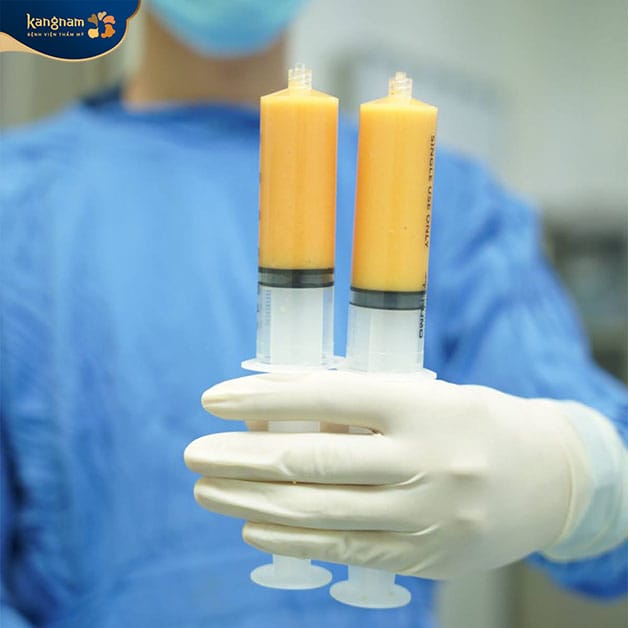
  • Autologous Fat Transfer: An alternative to synthetic implant placement that utilizes the client’s own body fat (typically harvested from the abdomen, thighs, or waist) to inject into the breasts. This method is safe, minimally invasive, leaves no surgical scars, and produces a soft, natural bustline.
  • Targeted Exercises and Massage: Chest-strengthening exercises such as push-ups, planks, light bench presses, or specific yoga poses help firm the pectoral muscles underneath the breasts, supporting improved fullness. Combining daily massages using natural oils also promotes blood circulation and stimulates glandular tissue.
  • Nutritional Supplements: A diet rich in natural phytoestrogens—such as soy, salmon, eggs, avocados, and walnuts—supports female hormone levels, promoting firmer and fuller breast contours.

Autologous fat transfer to the breasts is minimally invasive

Before deciding on breast augmentation, a comprehensive health check-up is an unmissable step to assess health status, glandular tissue structure, skin elasticity, and suitability for specific surgical methods. This essential process allows doctors to select safe techniques, minimize risks, and achieve balanced, natural aesthetic results.

At Kangnam Aesthetic Hospital, clients receive direct examinations and personalized consultations from body contouring specialists with over 15 years of experience. Advanced diagnostic equipment supports precise evaluations, ensuring that only health-qualified clients proceed with surgery.
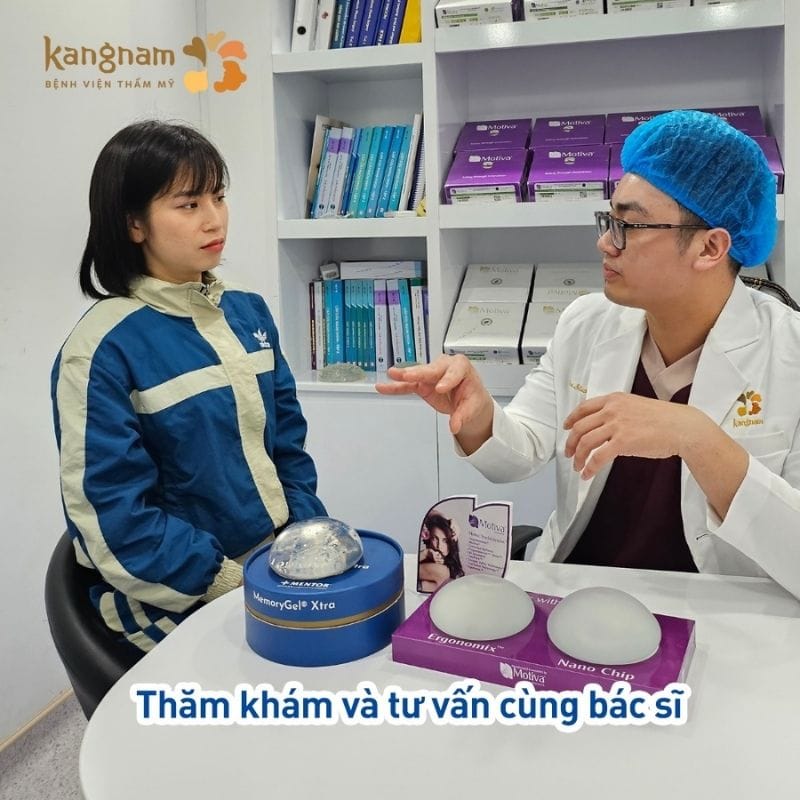
Doctors provide detailed consultations before breast augmentation

In particular, overseas Vietnamese clients can access 1-on-1 online consultations with Kangnam doctors while still abroad, making it convenient to arrange travel itineraries, prepare health conditions, and plan surgical timelines thoroughly. With standardized medical procedures, modern technologies, and a highly specialized surgical team, Kangnam ensures safe, well-proportioned, and long-lasting breast augmentation results.


Cấy mỡ ngực

Cấy mỡ ngực hạn chế xâm lấn

Trước khi quyết định nâng ngực, việc thăm khám tổng quát là bước không thể bỏ qua nhằm đánh giá tình trạng sức khỏe, cấu trúc mô tuyến, độ đàn hồi da cũng như mức độ phù hợp với từng phương pháp. Đây là quy trình quan trọng giúp bác sĩ lựa chọn kỹ thuật an toàn, giảm thiểu rủi ro và mang lại kết quả thẩm mỹ tự nhiên, cân đối.

Tại Bệnh viện Thẩm mỹ Kangnam, khách hàng được bác sĩ chuyên khoa vóc dáng hơn 15 năm kinh nghiệm trực tiếp thăm khám và tư vấn theo phác đồ cá nhân hóa. Hệ thống thiết bị hiện đại hỗ trợ chẩn đoán chính xác, đảm bảo chỉ những khách hàng đủ điều kiện sức khỏe mới được thực hiện phẫu thuật.

Bác sĩ tư vấn kỹ trước khi nâng ngực

Bác sĩ tư vấn kỹ trước khi nâng ngực

Đặc biệt, khách Việt kiều có thể tư vấn trực tuyến 1:1 với bác sĩ Kangnam ngay từ khi còn ở nước ngoài, giúp chủ động sắp xếp lịch trình, chuẩn bị sức khỏe và kế hoạch phẫu thuật kỹ lưỡng. Với quy trình khép kín, công nghệ hiện đại và đội ngũ bác sĩ giàu chuyên môn, Kangnam đảm bảo mang đến kết quả nâng ngực an toàn, chuẩn dáng và bền vững theo thời gian.

Messenger