Date posted: 17-11-2026 | Last updated : 19-11-2026
After Brazilian Butt Lift (BBL) surgery using autologous fat transfer, approximately 60–80% of the transferred fat may survive after the initial absorption phase. Fat cells that successfully establish a stable blood supply can remain long-term, just like natural fat tissue. However, this does not mean the buttocks will maintain the same size for life, as body weight, aging, and other physical changes can still affect the aesthetic results.
Some of the transferred fat will be absorbed by the body during the initial recovery period after BBL.
A fat survival rate of 50–70% is for reference only and is not a guaranteed outcome for every surgical case.
The 3–6-month period is generally when results can be assessed more clearly, after initial swelling and volume changes have subsided.
Fat cells that have successfully stabilized can remain long-term, but buttock size may still change with weight gain or loss.
The fat grafting technique, blood supply, overall health, and adherence to postoperative instructions all affect the results.
BBL carries a risk of serious complications, particularly fat embolism. Surgical safety must take priority over the goal of increasing volume.
1. What Is the Average Fat Survival Rate After BBL?
The fat survival rate after Brazilian Butt Lift (BBL) surgery typically ranges from 60–80% of the transferred fat. The remaining 20–40% may be absorbed by the body during the first few months after surgery.
The fat survival rate depends on several factors:
- Fat quality: Fat that is harvested, processed, and selected using appropriate techniques has a better chance of survival.
- Grafting technique: Distributing small amounts of fat in multiple layers of the subcutaneous tissue helps improve access to the blood supply.
- Amount of fat transferred: Injecting too much fat into one area may reduce the ability of the fat cells to receive adequate nourishment.
- Individual characteristics and postoperative care: Pressure on the buttocks, weight fluctuations, and the recovery process can all affect the outcome.
3. When Does the Transferred Fat Stabilize, and When Can Results Be Evaluated?
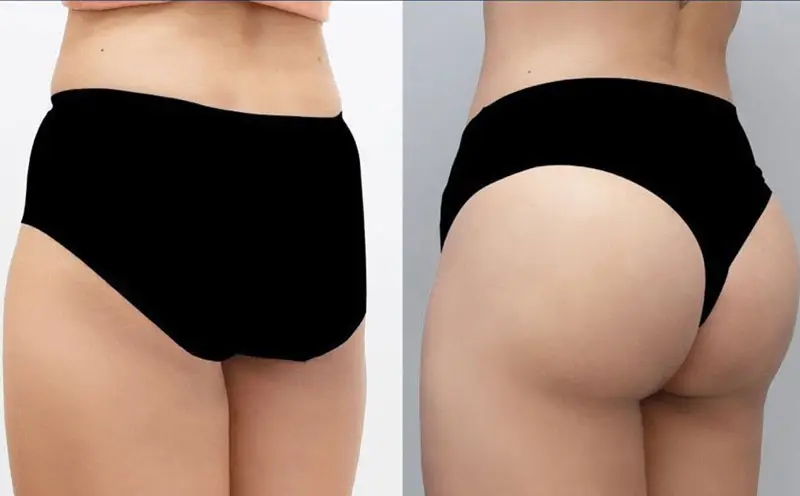
The transferred fat after Brazilian Butt Lift (BBL) surgery generally stabilizes within approximately 3–6 months. This is an appropriate time to evaluate fat survival, buttock volume, and the overall shape of the buttocks after surgery.
- First 1–2 weeks: The buttocks are usually swollen, bruised, and tender. Their appearance does not yet reflect the actual results because of postoperative swelling.
- Weeks 3–4: Swelling gradually subsides, and some of the transferred fat begins to be absorbed by the body. Buttock volume may change during this period.
- Months 2–3: Fat absorption continues but gradually slows down. The contours and fullness of the buttocks become more defined.
- Months 3–6: The surviving fat becomes relatively stable. The surgeon can assess the contouring results and the symmetry between both sides of the buttocks.
A prospective study by Cansancao et al., published in Plastic and Reconstructive Surgery, followed 50 patients who underwent subcutaneous gluteal fat grafting. Ultrasound results at 12 months showed that the average thickness of the subcutaneous fat layer in the buttocks had decreased by 18.16% compared with the immediate postoperative measurement. This study indicates that fat volume may continue to change beyond the initial months. Therefore, results should be monitored over a longer period rather than assessed solely at the 3- or 6-month mark. Read the study on PubMed.
4. Are the Results of BBL Permanent?
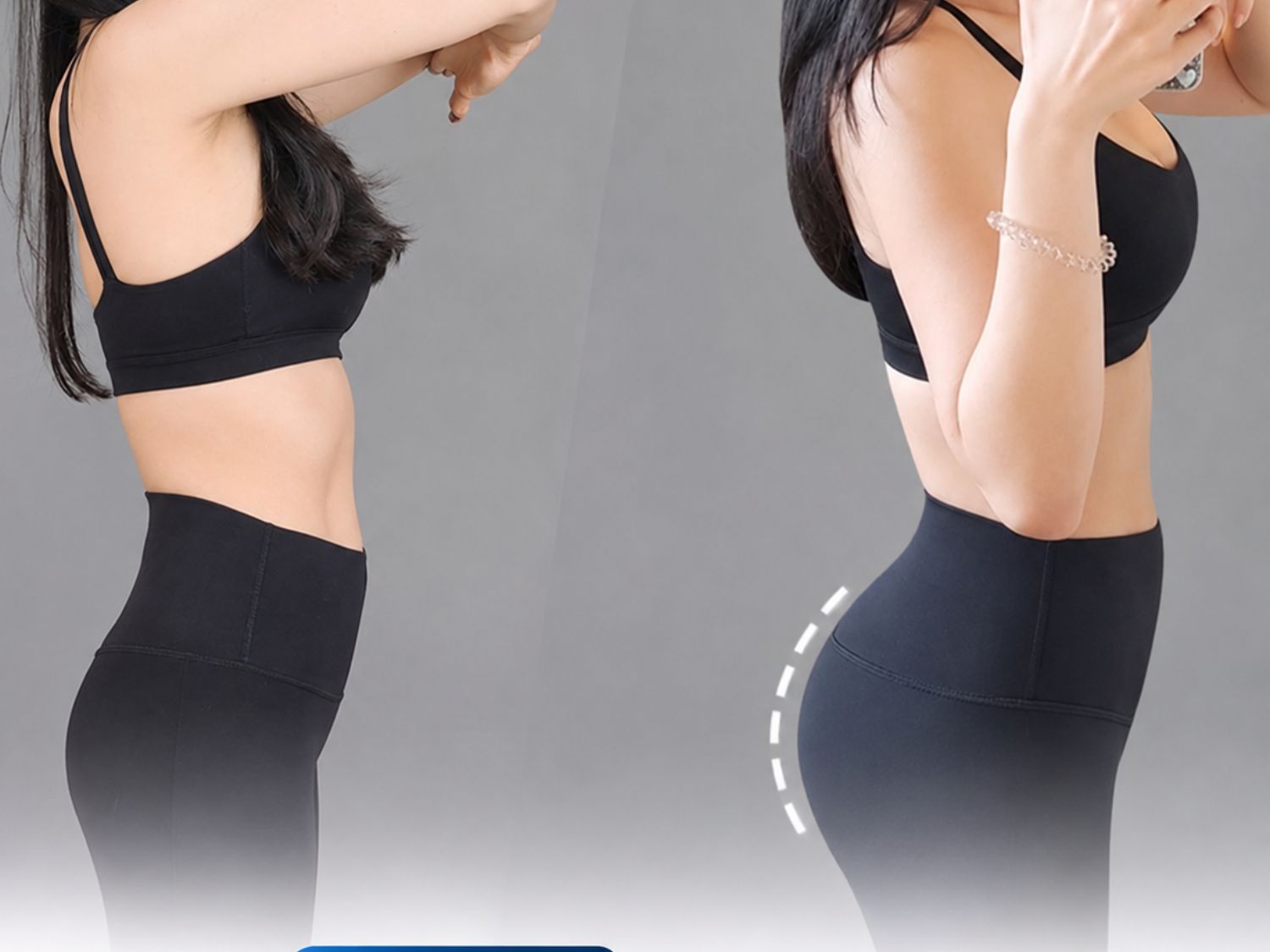
The results of Brazilian Butt Lift (BBL) surgery can last for many years, but they are not permanent. Fat cells that survive and stabilize after approximately 3–6 months can remain for many years, just like natural fat tissue in the body. However, buttock volume may still change due to weight fluctuations, aging, and hormonal changes.
Factors affecting the longevity of fat after BBL include:
- Fat survival rate: Fat cells that receive an adequate blood supply can survive long-term, while those that do not survive will gradually be absorbed by the body.
- Weight fluctuations: Weight loss may cause fat cells in the buttocks to shrink, while weight gain may increase buttock volume.
- Grafting technique: Fat processing, selection, and distribution techniques affect the likelihood of fat cell survival.
- Individual characteristics and aging: The natural aging process may alter fat distribution and skin firmness in the buttock area.
5. What Factors Affect the Fat Survival Rate After BBL?
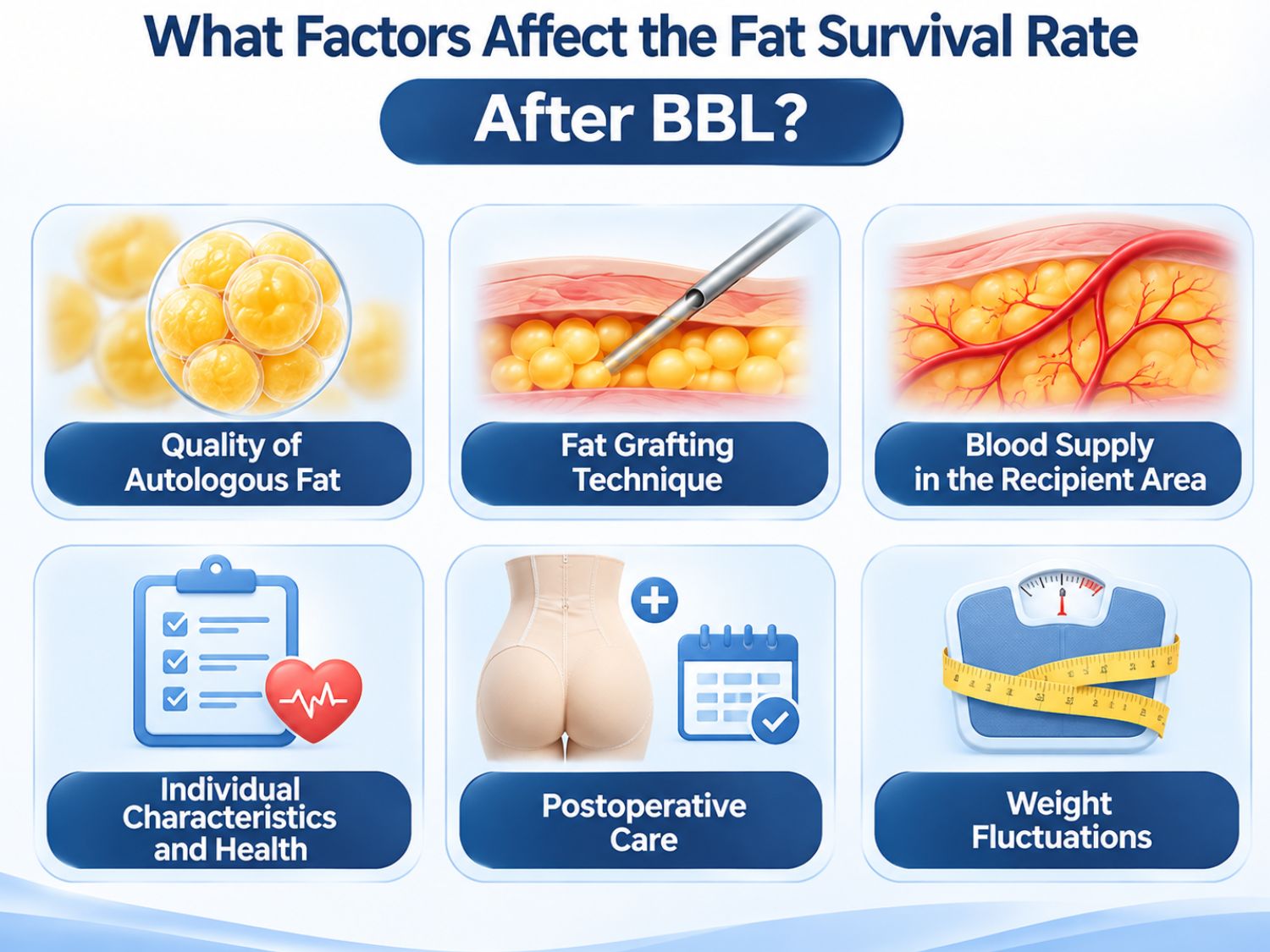
The fat survival rate after BBL depends on the fat harvesting, processing, and grafting techniques, the amount of fat distributed, the blood supply available in the recipient tissue, and each individual’s physical characteristics. The main factors include:
- Quality of autologous fat: Healthy fat cells that are harvested and processed using proper techniques have a better chance of surviving after transplantation.
- Fat grafting technique: The surgeon needs to distribute the fat across multiple layers in appropriate amounts so that the fat cells can receive oxygen and nutrients from the surrounding tissue. Injecting too much fat into one area may reduce fat survival.
- Blood supply in the recipient area: The buttock tissue must have an adequate blood supply to provide nutrients and support the transplanted fat cells.
- Individual characteristics and health: Circulation, underlying medical conditions, smoking, and the body’s ability to recover can all affect the outcome.
- Postoperative care: Sitting directly on or applying pressure to the buttocks too soon, engaging in inappropriate physical activities, and failing to follow the surgeon’s instructions may interfere with recovery.
- Weight fluctuations: Significant weight loss after surgery may cause surviving fat cells to shrink, reducing buttock volume.
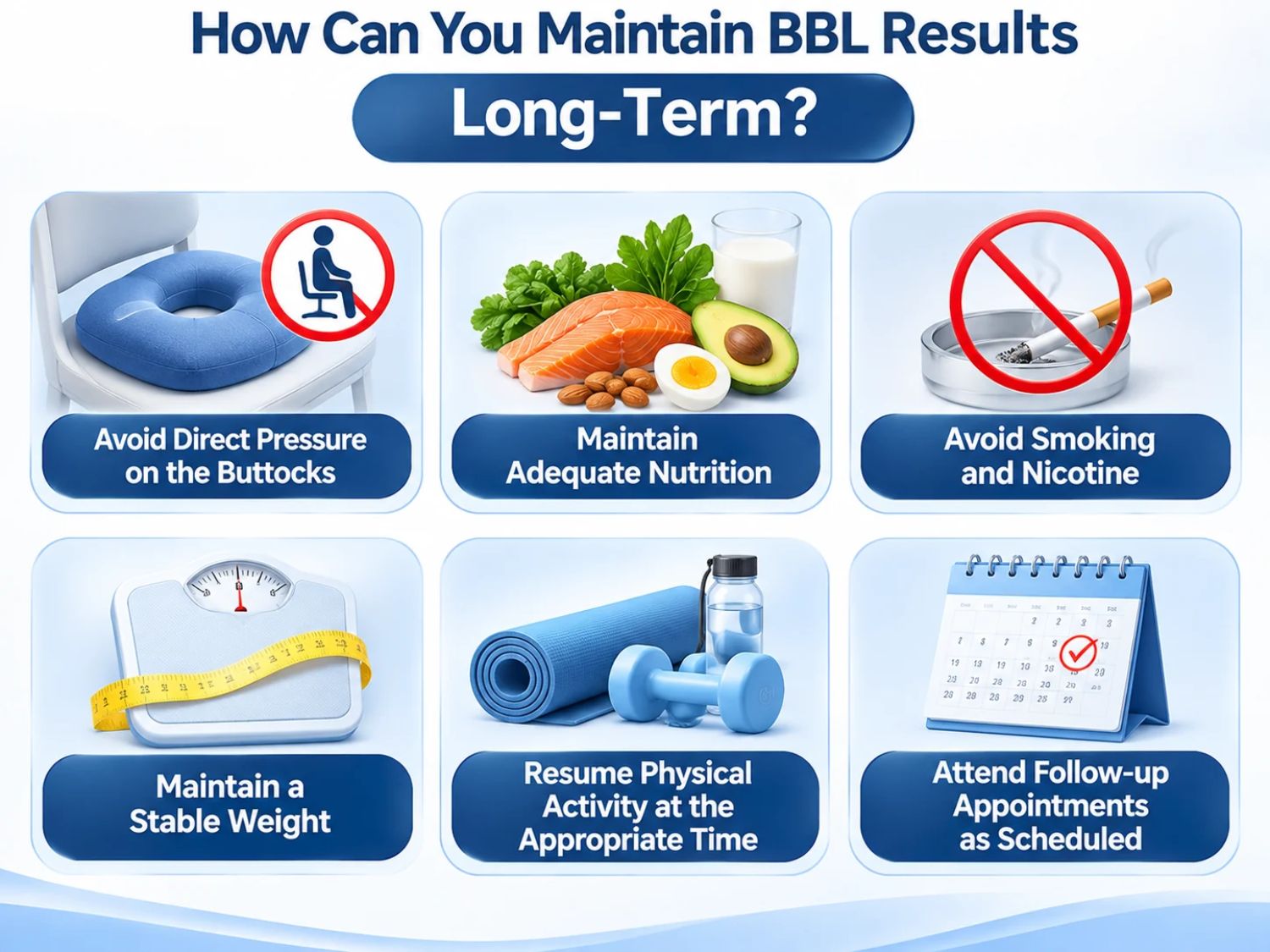
6. How Can You Maintain BBL Results Long-Term?
To maintain the results of Brazilian Butt Lift (BBL) surgery over the long term, patients need to maintain a stable body weight, care for the buttock area properly during recovery, and follow the surgeon’s follow-up schedule. Important recommendations include:
- Avoid direct pressure on the buttocks: Avoid sitting for prolonged periods or lying directly on the buttocks for as long as instructed by the surgeon. A support pillow may be used if recommended.
- Maintain adequate nutrition: Consume sufficient protein and essential nutrients to support recovery. Avoid rapid weight-loss diets during the initial recovery period.
- Avoid smoking and nicotine: These substances may impair circulation and wound healing.
- Maintain a stable weight: Once recovered, keeping body weight relatively stable helps minimize changes in fat volume in the buttock area.
- Resume physical activity at the appropriate time: Only return to exercise when cleared by the surgeon. Do not perform exercises that place significant strain on the buttocks before the tissue has healed.
- Attend follow-up appointments as scheduled: The surgeon needs to monitor both the fat harvesting and grafting areas, as well as any unusual signs, to determine the appropriate course of action.
7. Frequently Asked Questions About Fat Survival Rates After BBL
Will my buttocks become smaller after BBL compared with their immediate postoperative size?
They may. As swelling subsides and the body absorbs some of the fat that does not survive, buttock volume generally changes compared with its appearance immediately after surgery.
If the body absorbs a large amount of fat after BBL, can additional fat be injected?
Additional surgery may be considered if the patient has fully recovered, has sufficient fat available for harvesting, and meets the necessary health requirements. The surgeon must reassess the patient before making a decision. Not every patient needs or is suitable for additional fat grafting.
Will losing weight after BBL make my buttocks smaller?
Yes. Surviving fat cells can still shrink when the body loses weight, causing changes in buttock volume.
Brazilian Butt Lift in Vietnam: Is BBL Surgery Safe and How Much Does It Cost?
Non-Surgical Rejuvenation in Vietnam: Suitable Treatments for a 7-Day Trip
Buttock Implants vs Fat Transfer: Advantages, Disadvantages, and Risks You Should Know