Whether facial filler injections can cause long-term harm is a concern for many people before undergoing aesthetic treatment. Although fillers provide immediate aesthetic improvements, they may still pose risks if injected incorrectly or if poor-quality products are used.
I – Can Facial Filler Injections Cause Long-Term Harm?
Facial filler injections do not cause long-term harm when performed using the correct technique at a reputable facility with approved dermal filler products. The most common type of filler is hyaluronic acid, or HA, a naturally occurring substance found in the skin that helps retain moisture and improve elasticity. It is highly biocompatible and can be easily dissolved if adjustment is required.
However, if filler is injected incorrectly or enters a blood vessel, it may cause dangerous complications such as vascular obstruction, tissue necrosis, or even death. Therefore, the safety of filler injections depends greatly on the doctor’s expertise and the quality of the product used.
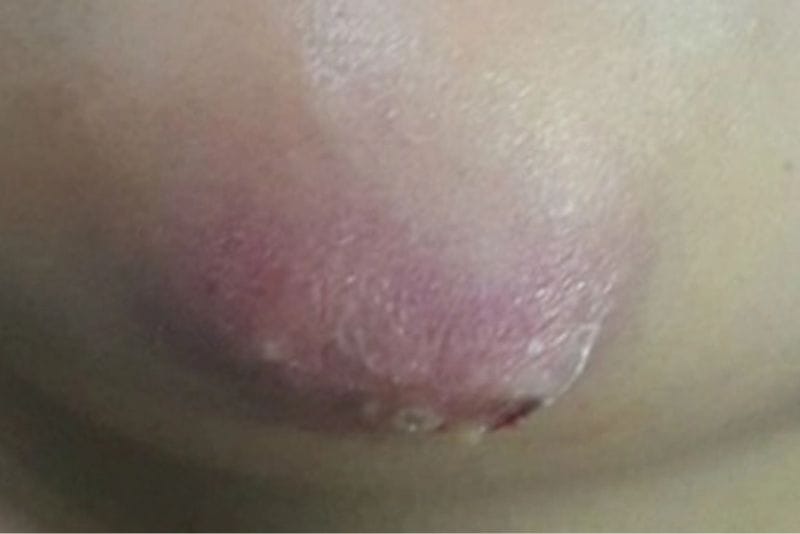
Complications caused by incorrect filler injection techniques.
II – Potential Risks of Incorrect Filler Injection
Incorrect filler injection techniques or treatment at an unreliable facility may cause several serious complications. Common risks include prolonged swelling and pain, infection, scar formation, abscesses, and the body reacting to the filler as a foreign substance.
More seriously, if filler is accidentally injected into a blood vessel, it may cause vascular obstruction, skin necrosis, pulmonary embolism, respiratory failure, or even death. Specific risks include:
- Prolonged swelling, pain, and bruising: Mild reactions such as swelling and bruising are normal after injection. However, when the technique is incorrect or poor-quality filler is used, these symptoms may persist and become more severe, causing discomfort and affecting appearance.
- Infection: If sterile conditions are not maintained during the injection process, bacteria may enter the tissue and cause redness, inflammation, pus formation, or infection that spreads to surrounding areas. Severe cases may lead to sepsis and become life-threatening.
- Abscesses and scars: Injecting filler into the wrong tissue layer or experiencing a reaction to the product may cause pus accumulation, known as an abscess, or the formation of firm, aesthetically undesirable scars. Abscess treatment may require drainage and antibiotic therapy.
- Allergic reactions and tissue inflammation: Although hyaluronic acid is relatively safe, some people may develop hypersensitivity reactions or prolonged inflammation, particularly when the filler contains impurities or has an unclear origin. The body may recognize the substance as foreign and trigger an inflammatory response.
- Filler migration, lumps, or facial deformity: Incorrect injection techniques or injecting filler into highly mobile areas such as the lips and cheeks may cause the product to move from its original position. This can form lumps, create asymmetry, and distort the face. Poor-quality filler is also more likely to clump over time.
- Filler leaking through the skin: Filler injected into the wrong skin layer or pushed outward by internal pressure may leak through the skin, creating an opening or exposed wound. This affects appearance and may cause prolonged inflammation or infection.
- Vascular obstruction: This is the most dangerous complication. If filler is injected into an artery, it may block blood flow to areas of the skin or other organs. The result may be skin necrosis, blindness if vessels around the eyes are affected, or even pulmonary embolism and acute respiratory failure leading to death.
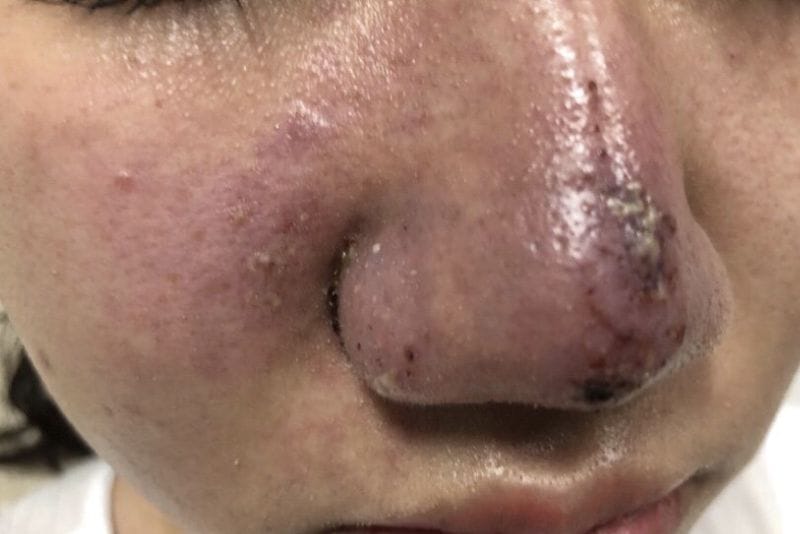
Infection and skin necrosis caused by filler entering a blood vessel.
III – Does Filler Dissolve Naturally? How Long Does It Take to Dissolve Completely?
Filler can naturally dissolve over time. On average, HA filler gradually dissolves within 6–18 months, while some premium products may last for approximately 24 months. The time required depends on the type of filler, injection area, and each person’s physical characteristics.
Filler generally dissolves more quickly in highly mobile areas such as the lips or chin. When early correction is required, a doctor can use the enzyme hyaluronidase to dissolve the filler quickly and safely.

Filler results generally last approximately 6–24 months.
IV – Who Should Not Receive Filler Injections?
Although filler is a popular and minimally invasive aesthetic treatment, it is not suitable for everyone. Aesthetic specialists recommend that the following individuals avoid filler injections to reduce the risk of unwanted complications:
- Pregnant or breastfeeding women, because there is currently insufficient research proving that fillers are completely safe during pregnancy or for infants. Therefore, the procedure should be avoided during this period.
- People with a history of allergies, particularly allergies to filler ingredients such as hyaluronic acid or lidocaine.
- People with an active skin infection or dermatitis in the intended injection area.
- People prone to keloid scarring should not receive filler injections because the procedure may stimulate a fibrotic reaction and increase the risk of keloid formation at the injection site.
- People with blood-clotting disorders or those currently taking blood-thinning medication.
- People under the age of 18, because their facial structure is still developing and is not yet suitable for shape-defining or corrective filler procedures.
V – How Can Filler Be Injected Safely Without Long-Term Harm?
To receive filler injections safely and minimize the risk of future complications, the following precautions should be observed:
- Ensure that the procedure is performed at a reputable medical facility by an experienced specialist doctor.
- Use genuine filler products licensed by the Ministry of Health.
- Before injection, the doctor should evaluate the patient’s health condition, skin type, physical characteristics, and the most appropriate filler product.
- The procedure must be performed under completely sterile conditions to prevent infection.
- After injection, following all post-procedure care instructions and attending regular follow-up appointments helps maintain safe and long-lasting results.
Many people wonder, “Can facial filler injections cause long-term harm?” In reality, fillers generally cause harm only when they are injected incorrectly or when products of unclear origin are used. Therefore, selecting a highly qualified doctor, using high-quality filler, and following post-treatment care instructions are the keys to achieving safe, effective, and sustainable aesthetic results.
Is Facial Filler Harmful?
Is Filler Harmful in the Long Term?
Signs of Filler Necrosis